Elevate your local knowledge
Sign up for the iNFOnews newsletter today!
Sign up for the iNFOnews newsletter today!
Selecting your primary region ensures you get the stories that matter to you first.
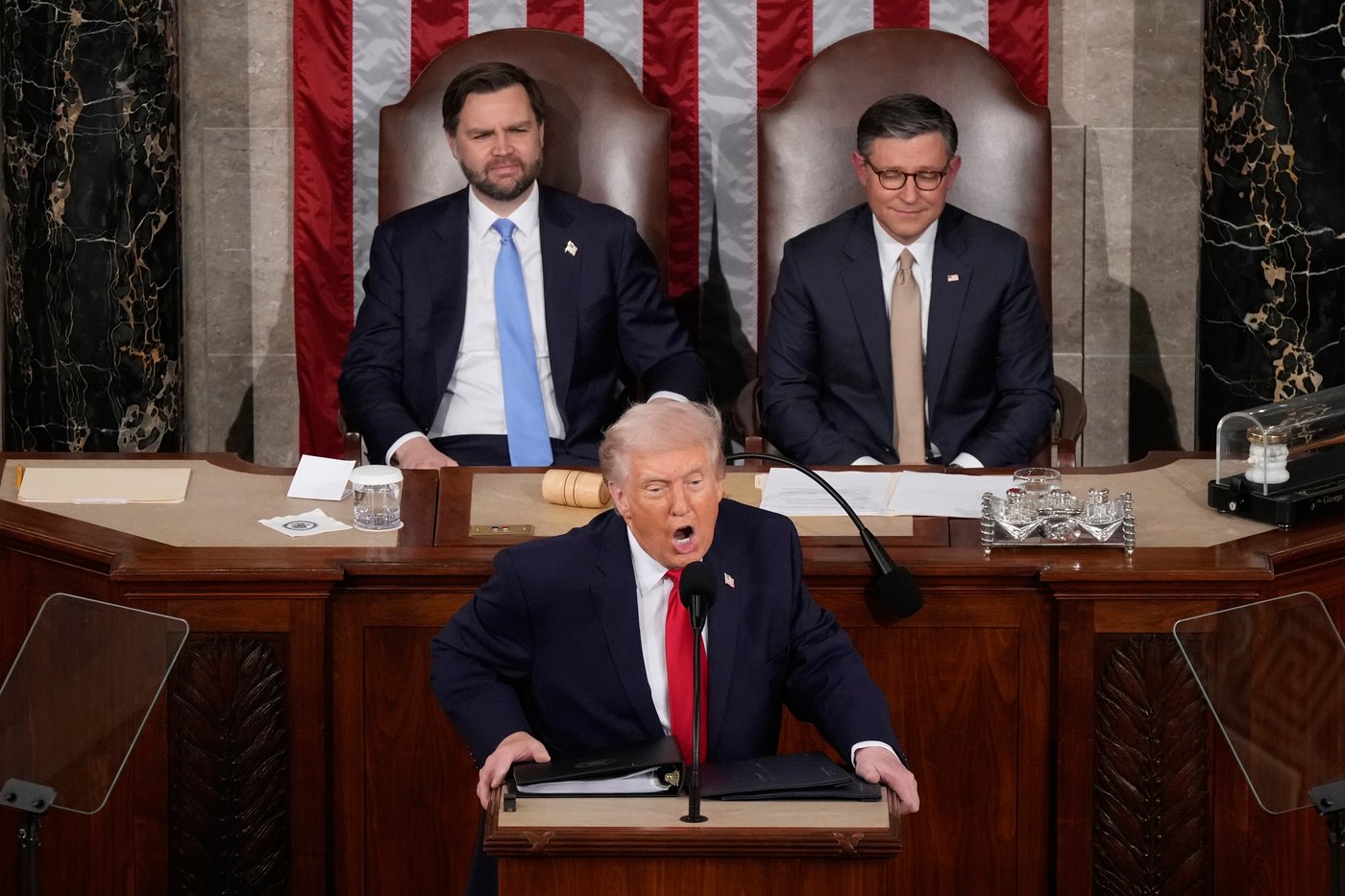
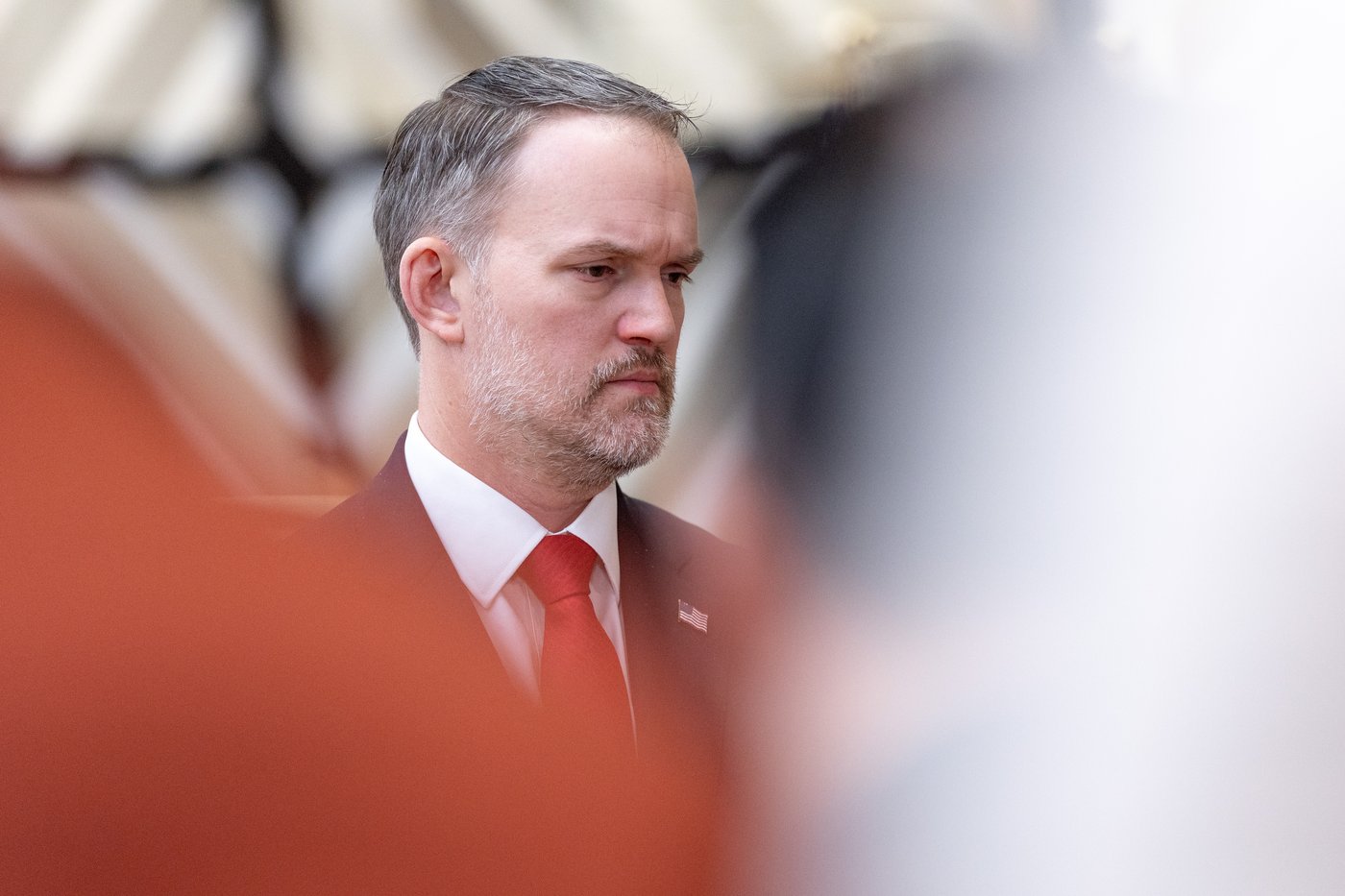
WASHINGTON — U.S. President Donald Trump’s trade czar says if Canada wants a trade deal with Washington, it will have to accept “some level of higher tariff” and help to reshore American industries.
United States Trade Representative Jamieson Greer told CBC News’ Katie Simpson on Tuesday that “if Canada wants to come in and participate in this type of reshoring we are trying to do, we are happy to have those discussions.”
Greer’s comments came after Trump delivered a 108-minute State of the Union address Tuesday night. In that speech, the president told Congress he remained committed to realigning global trade through tariffs — even though the United States Supreme Court struck down a key tool he used to impose those tariffs.
Prime Minister Mark Carney said Wednesday he had not watched the president’s speech.
In a 6-3 decision last week, America’s top court concluded it was not legal for Trump to use the International Emergency Economic Powers Act, better known as IEEPA, for his “Liberation Day” tariffs and fentanyl-related duties on Canada, Mexico and China.
Trump signed an executive order hours later to enact a 10 per cent worldwide tariff using Section 122 of the 1974 Trade Act.
A tariff ordered under Section 122 cannot go higher than 15 per cent, and it expires after 150 days unless Congress votes to extend it. It does not apply to goods compliant under the Canada-U.S.-Mexico Agreement on trade, known as CUSMA.
While Trump has claimed he is raising the tariff to its maximum level, no executive order has been signed to put that into effect.
The Supreme Court’s decision is likely to have little immediate impact on the Canadian economy. Canada is still being hammered by separate U.S. tariffs on specific industries like steel, aluminum, automobiles, lumber and cabinetry.
It also maintains ongoing uncertainty over how the Trump administration will continue to seek leverage over its trading partners. Greer has said the Trump administration is beginning investigations of countries under Section 301 of the Trade Act of 1974.
That section allows a president to take trade actions if the administration finds a country’s policies are unreasonable and discriminatory.
Before the ruling, Trump had used IEEPA to pursue an erratic tariff campaign against much of the world. He has claimed tariffs have allowed him to make trade deals — but many of those deals are now in question because of the court decision.
Greer told CBC News other countries have agreed that the United States can maintain a protective tariff while they open their markets to American industries.
“If Canada wants to agree that we can have some level of higher tariff on them, while they open up their market to us in things like dairy and other things, then that’s a helpful conversation,” he said.
Greer will play a key role in the upcoming mandatory review of CUSMA. He told “Fox Business” Wednesday that he spoke with Canada-U.S. Trade Minister Dominic LeBlanc earlier that morning.
Greer said the Canadians “have a few ideas on how they might want to have a deal with us.” Greer said the U.S. is “open to that” but would not say when he expects a deal with Canada.
LeBlanc has said he expects to meet with his American counterpart in Washington as early as next week.
The CUSMA continental trade pact was negotiated during the first Trump administration but the president has cast doubt over its future. He has called the deal “irrelevant” and said it may have served its purpose.
Greer argued that when CUSMA came into effect, the hope was that there would be more critical supply chains in the United States and more American content.
“There’s a lot of good in the deal but there are a lot of things where reshoring didn’t happen fast enough. U.S. content didn’t happen fast enough,” Greer told CBC News. “We think that if you … want to have that deal you need to have better rules, stricter rules, to make sure there’s more U.S. content.”
When asked about Greer’s comments, Finance Minister François-Philippe Champagne said the government has many points of contact with the Trump administration.
“I think the underlying principle is that they understand that trade between our two nations makes the United States and Canada more competitive,” Champagne said.
This report by The Canadian Press was first published Feb. 25, 2026.
News from © The Canadian Press, . All rights reserved.
This material may not be published, broadcast, rewritten or redistributed.

This site is protected by reCAPTCHA and the Google Privacy Policy and Terms of Service apply.
Want to share your thoughts, add context, or connect with others in your community?
You must be logged in to post a comment.