Elevate your local knowledge
Sign up for the iNFOnews newsletter today!
Sign up for the iNFOnews newsletter today!
Selecting your primary region ensures you get the stories that matter to you first.
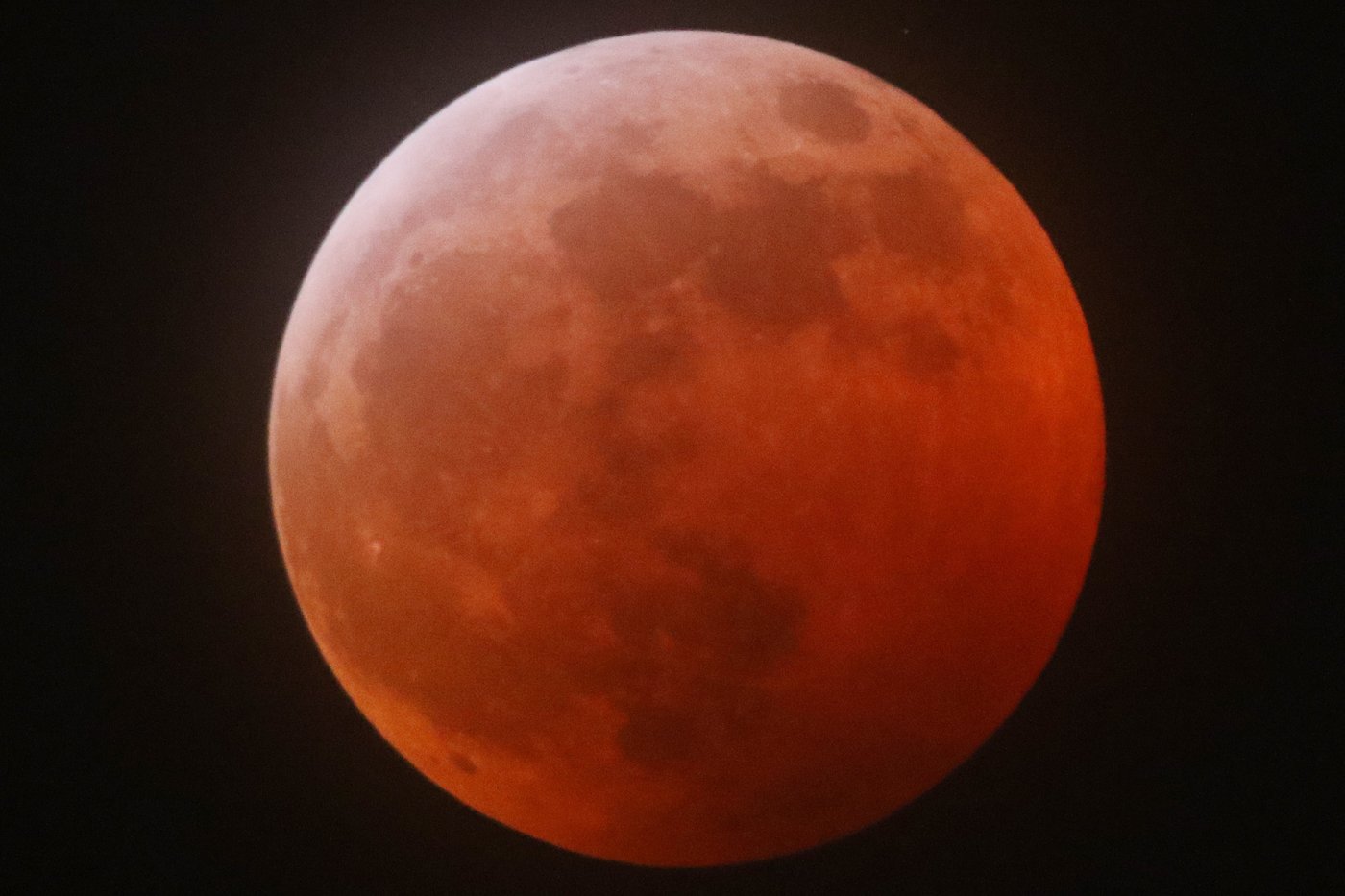
Moongazers across Canada will be treated to a full lunar eclipse early on Tuesday, but not everyone will have the best seats in the house for the celestial show that’s expected to turn the moon red.
Astronomy experts say the “blood moon” eclipse will be best seen the further west you go.
A lunar eclipse occurs when Earth is between the moon and the sun and the moon passes through the shadow cast by Earth.
The Canadian Space Agency says the phenomenon only happens during a full moon, and eclipse totality occurs when Earth completely blocks sunlight from reaching the moon.
The agency says the Maritimes will be in a “race against the sunrise” to catch the eclipse Tuesday morning, Quebec and Ontario should be able to see the beginning of totality, and those in the Mountain and Pacific time zones have the best chance to see it in full.
Lunar eclipse totality is expected to start at 7:04 a.m. Atlantic time, 6:04 a.m. Eastern time, 4:04 a.m. Mountain Time and 3:04 a.m. Pacific time.
“The eclipse will be best seen the further west you are located,” York University professor emeritus of physics and astronomy Paul Delaney said.
He noted that totality will begin in Toronto during morning twilight with the moon only eight degrees above the western horizon.
While that could make for “some interesting” photographs, people in urban settings may have difficulty seeing the eclipse, Delaney wrote in an email to The Canadian Press.
Totality ends by 6:52 a.m. in Toronto, where “the moon will have already set,” he wrote. “Vancouver gets it all!”
Delaney urged blood moon observers to dress for the weather and plan to be outside for at least 30 minutes for the full experience.
Unlike the solar eclipse, there is no danger to observing the lunar eclipse with the naked eye and no special equipment is needed.
“Watching the bright full moon be engulfed by the Earth’s shadow and then turning orange-red is quite something,” Delaney wrote.
The next total lunar eclipse is not until the very end of 2028, he added.
This report by The Canadian Press was first published March 2, 2026.
News from © The Canadian Press, . All rights reserved.
This material may not be published, broadcast, rewritten or redistributed.

This site is protected by reCAPTCHA and the Google Privacy Policy and Terms of Service apply.
Want to share your thoughts, add context, or connect with others in your community?
You must be logged in to post a comment.