Elevate your local knowledge
Sign up for the iNFOnews newsletter today!
Sign up for the iNFOnews newsletter today!
Selecting your primary region ensures you get the stories that matter to you first.
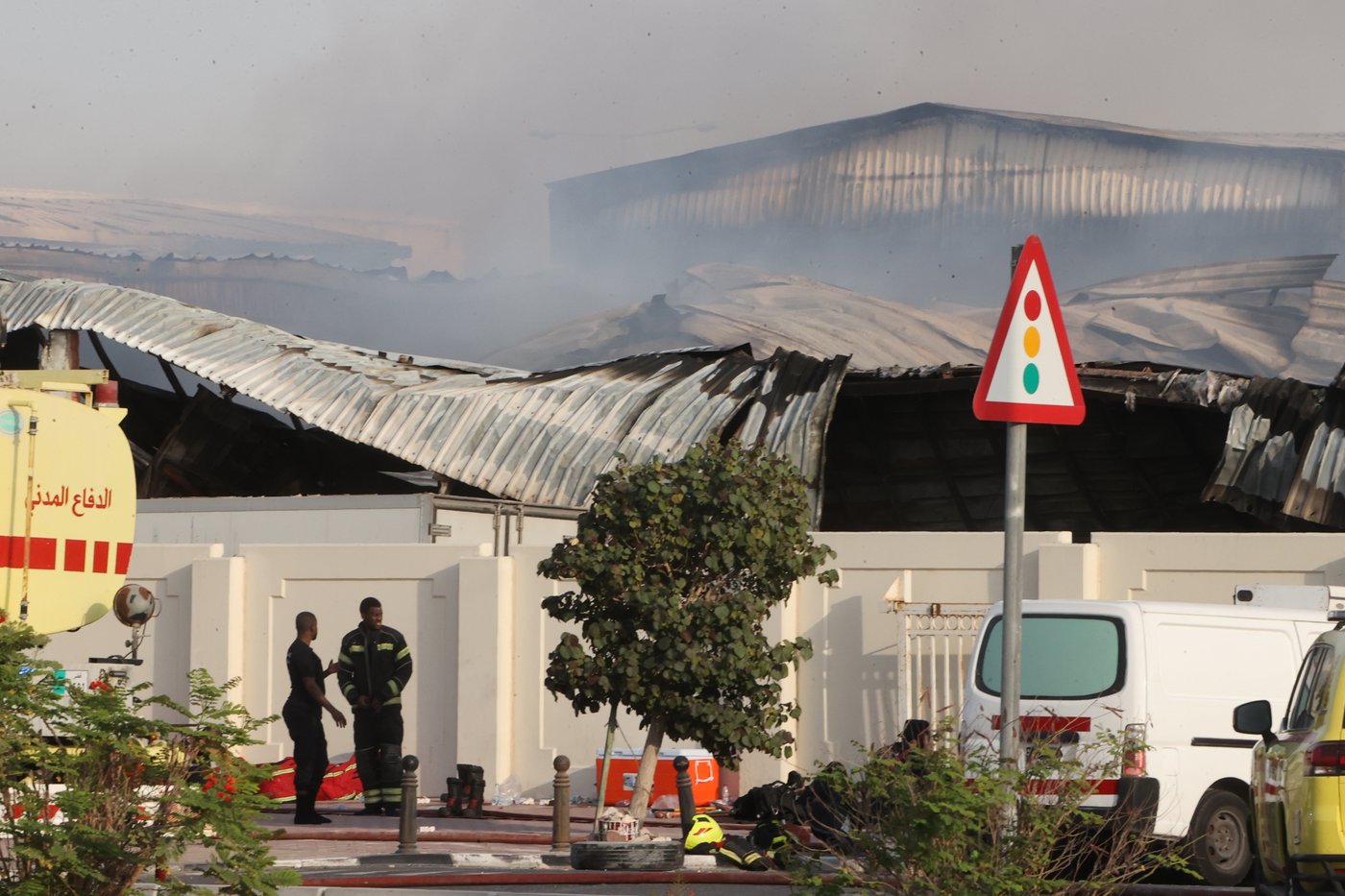
CALGARY — The widening war in the Middle East is driving up spot natural gas prices in Europe and Asia, highlighting the potential for Canada to play a greater role as a stable global supplier.
Natural gas prices in Europe have spiked around 70 per cent since the U.S. and Israel began their assault on Iran on Saturday, with the conflict spilling into several other countries in the region. And the gas price for northeast Asia has risen by about 50 per cent in that time frame.
“As you look at the global (liquefied natural gas) market, it’s pretty inelastic,” said Josephine Mills, a senior analyst with Enverus. “It’s not like oil where it kind of always finds its home.”
QatarEnergy, one of the world’s top suppliers of LNG, halted production after its facilities were attacked. Nowhere else can ramp up quickly enough to replace the eight million mmbtu a day Asia imports from Qatar, Mills said.
“I suspect you’re going to get either gas to coal switching in Asia (for power) or you’re going to get demand rationing.”
Tanker traffic has also ground to a halt in the Strait of Hormuz, a narrow waterway connecting the Persian Gulf with the Gulf of Oman through which 20 per cent of global LNG supplies traverse.
“The big question is how long we will see interference with that shipping lane and whether or not the situation there is a matter of a few weeks or if it’s something that actually is much more protracted,” said Werner Antweiler, an energy economist at the University of British Columbia’s Sauder School of Business.
“The markets are holding their breath here.”
Mills said even if the Qatar outage and Strait of Hormuz blockage are short-lived, it’s a “huge positive and a green flag” for going forward with a second phase of LNG Canada, the country’s sole operating liquefied natural gas plant in Kitimat, B.C.
Cargoes began leaving the northern B.C. port last summer for Asia.
Buyers would appreciate a boost in supply from a reliable partner without tankers having to make their way through choke points like the Strait of Hormuz, Suez Canal or Panama Canal, Mills added.
“It’s just a straight shot from Canada to Asia,” she said.
Liquefied natural gas plants take a great deal of time and upfront investment to build, so they’re underpinned by long-term offtake agreements.
University of Calgary economist Kent Fellows said the near-term impact will likely be limited on LNG Canada, a partnership between Shell and four Asian partners.
“LNG Canada is only as big as it is, and so I don’t think we’re going to see a lot of volume change through there,” he said.
“It’s just whether they’re able to capture some of the potential global market scarcity, and that’s going to be down to how their contracts are structured.”
Fellows said prospective global LNG customers are going to have to weigh the “security dividend” of committing to buy from Canada, where the costs are higher than elsewhere in the world.
“Do we look more attractive? Absolutely,” he said.
“Do we look more attractive enough that people are actually going start putting money here? … We’ll have to wait to see.”
Meanwhile, Antweiler said the conflict won’t likely change the prospects for other Canadian projects and expansions on the drawing board — yet, anyway.
“Is this is a conflict that will permanently change the outlook? That is much harder to see because that would actually require this conflict to last literally for years as opposed to weeks or months,” Antweiler said.
“Investment decisions are for these very long time horizons. You don’t build an LNG facility unless you know that it can sell your output for the next 10, 15, 20 years to partners reliably.”
Think tank MEI published a report last month saying Quebec has major strategic advantages as a potential site for a liquefied natural gas terminal serving European customers, which have been looking to reduce their reliance on Russian supply. It said a maritime route from eastern Quebec to northern France would take six days less than from the Gulf of Mexico.
But Antweiler said pipeline infrastructure would be needed to make such a proposal work, as the vast majority of Canada’s natural gas is produced in the West.
“It’s just cheaper to pipe it to the United States and use their infrastructure.”
This report by The Canadian Press was first published March 3, 2026.
— With files from The Associated Press.
News from © The Canadian Press, . All rights reserved.
This material may not be published, broadcast, rewritten or redistributed.

This site is protected by reCAPTCHA and the Google Privacy Policy and Terms of Service apply.
Want to share your thoughts, add context, or connect with others in your community?
You must be logged in to post a comment.