Elevate your local knowledge
Sign up for the iNFOnews newsletter today!
Sign up for the iNFOnews newsletter today!
Selecting your primary region ensures you get the stories that matter to you first.
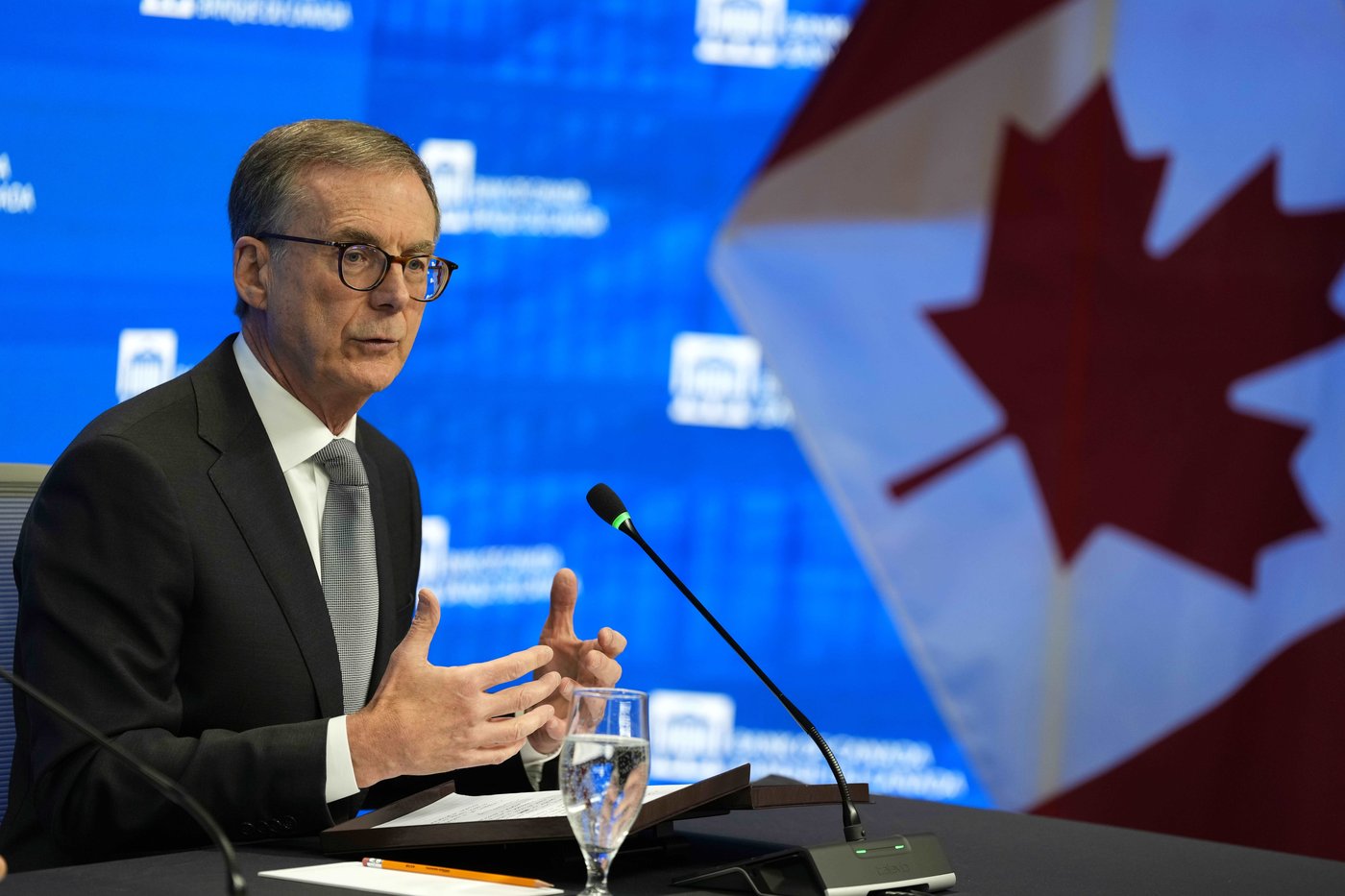
OTTAWA — The head of the Bank of Canada warns new players in global debt markets aren’t as closely monitored as traditional banks, which could drive new risks in a period rife with uncertainty.
Governor Tiff Macklem is in Toronto on Monday speaking to the Global Risk Institute about where he sees vulnerabilities in the financial system.
The United States’ and Israel’s attacks on Iran have increased volatility in financial and energy markets, he said in prepared remarks, particularly with a lack of clarity around how long the conflict could last.
He said later in a question-and-answer period that the energy price shock from the conflict will particularly affect countries that are oil and natural gas importers. Investors are also trading down riskier assets, he said.
The repricing in the market has been “relatively orderly” and doesn’t reflect dysfunction in the financial system, Macklem said. He also warned that the consequences of the conflict will be felt beyond stock values and commodity prices.
“Markets do not capture the human cost of these conflicts and we can’t forget about that,” he said.
Macklem said geopolitical risks are high right now, compounded by trade uncertainty and risks around the rapid rise of artificial intelligence. He said equity and credit markets are seeing stretched valuations that raise the risk of “sharp reversals and increased volatility.”
“Risks may be growing faster than our ability to understand and mitigate them. Economic uncertainty is already high – we cannot afford to add financial instability to the mix,” he said.
Macklem spent the bulk of his speech focused on the rise of non-bank actors in debt markets — namely, hedge funds buying up sovereign debt and private credit playing a bigger role in lending.
Hedge funds are now buyers of up to half of Government of Canada bonds at auction and play a major role in secondary market trades as well, Macklem noted. Private entities like pension funds and other institutional investors are also playing a growing role in lending, which the central bank governor said can fill critical gaps by offering loans with more flexible terms.
Macklem said these new models come with plenty of benefit to spread out risk and keep the global financial market humming in normal times, but they haven’t yet been stress tested by periods of widespread economic turbulence.
Banks and traditional financial institutions faced tighter regulations in the wake of the 2008-09 financial crisis, but Macklem noted non-bank players don’t have the same reporting requirements.
“That gap poses a challenge for global standard-setters, national regulators and central banks,” he said.
Macklem said new players in global debt activity bring vulnerabilities that “need more attention.” He said he is looking to improve communication with the private sector to collectively prepare for any looming shocks.
“Together we can raise awareness and build resilience. When stress comes, we all need to be ready for it,” he said.
This report by The Canadian Press was first published March 4, 2026.
News from © The Canadian Press, . All rights reserved.
This material may not be published, broadcast, rewritten or redistributed.

This site is protected by reCAPTCHA and the Google Privacy Policy and Terms of Service apply.
Want to share your thoughts, add context, or connect with others in your community?
You must be logged in to post a comment.