Elevate your local knowledge
Sign up for the iNFOnews newsletter today!
Sign up for the iNFOnews newsletter today!
Selecting your primary region ensures you get the stories that matter to you first.
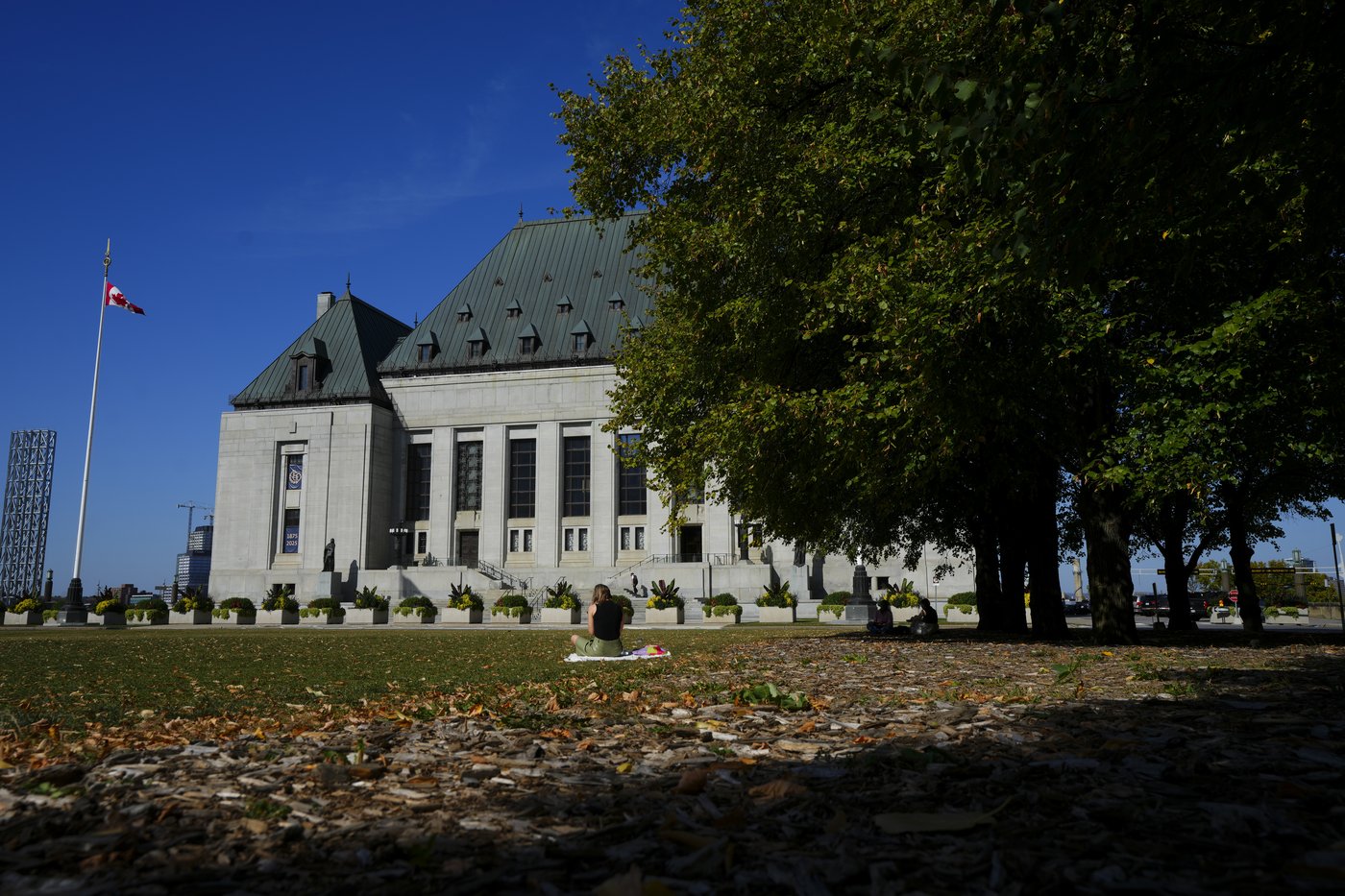
OTTAWA — Quebec discriminated against female refugee claimants by introducing regulations that denied them access to subsidized daycare spaces, Canada’s highest court said on Friday, leading to strong rebukes from members of the provincial government.
In an 8-1 ruling, the court said that blocking female refugee claimants from subsidized daycare threatens to marginalize them from society, violating equality rights guaranteed in the Charter of Rights and Freedoms.
“While all refugee claimants are denied access to subsidized daycare under the scheme, the discriminatory impact on women is unique because they carry a greater share of childcare responsibilities and the availability of affordable daycare is directly linked to their ability to work,” Justice Andromache Karakatsanis wrote on behalf of the majority.
The ruling was hailed by the UN Refugee Agency, saying the court has recognized “that access to childcare is not just a family issue, but a vital part of a woman’s right to economic independence and dignity.”
Reactions from Quebec’s political class were less laudatory, however. The governing Coalition Avenir Québec under Premier François Legault has routinely accused would-be refugees of straining the province’s services and threatening the future of the French language.
Family Minister Kateri Champagne Jourdain said that while she wants to take the time to analyze the decision, she lamented how the province “has had to absorb the arrival of thousands of children of asylum seekers.”
Spaces in the highly sought-after network cost roughly $9 a day.
Christine Fréchette, a former provincial cabinet minister who is running to replace Legault as CAQ leader in April, said the children of Quebecers should have priority in the subsidized daycare network. “I will take all necessary measures to defend this principle,” including invoking the Constitution’s notwithstanding clause in future legislation. Using that clause would block court challenges on grounds that laws violate certain sections of the Charter, including equality rights.
“If we have to resort to the notwithstanding clause, I will not hesitate to use it.”
Her opponent in the leadership race, Bernard Drainville, said the ruling “is a slap in the face to the thousands of Quebecers who have been waiting for a daycare spot for their child, often for years — these same Quebecers who have always paid taxes and who don’t even have priority access to services. It’s unacceptable.”
Drainville also promised that, if elected, he would “use the notwithstanding clause to give Quebecers priority for these services.”
The case originated with Bijou Cibuabua Kanyinda, a woman from the Democratic Republic of Congo who entered Quebec with her three young children in October 2018 via Roxham Road, an irregular border crossing into Quebec that has since been closed. Kanyinda had filed an asylum claim and had received a work permit but was denied spots for her children in three different daycare centres because Quebec’s rules provided access to the system only once refugee status was granted by the federal government.
In May 2022, Superior Court Justice Marc St-Pierre ruled that the Quebec government had exceeded its powers by restricting access, but the judge did not find the rules to be discriminatory. Quebec appealed the decision, which was dismissed by the Court of Appeal. In a unanimous decision, the three-member Court of Appeal panel found that the daycare restrictions disproportionately affected female asylum seekers.
For her part, Karakatsanis wrote that Quebec’s restriction on would-be refugees from subsidized daycare spaces violates the Charter because it discriminates based on sex. The rule “reinforces, perpetuates, and exacerbates the disadvantage of women asylum seekers,” the judge said.
“The exclusion also further marginalizes asylum seekers from Quebec society: by making it difficult to integrate when their support network is already limited; by creating barriers to learning the French language; and by reinforcing stereotypes that refugee claimants come to Canada solely to exploit its social welfare benefits.”
This report by The Canadian Press was first published March 6, 2026.
News from © The Canadian Press, . All rights reserved.
This material may not be published, broadcast, rewritten or redistributed.

This site is protected by reCAPTCHA and the Google Privacy Policy and Terms of Service apply.
Want to share your thoughts, add context, or connect with others in your community?
You must be logged in to post a comment.