Elevate your local knowledge
Sign up for the iNFOnews newsletter today!
Sign up for the iNFOnews newsletter today!
Selecting your primary region ensures you get the stories that matter to you first.
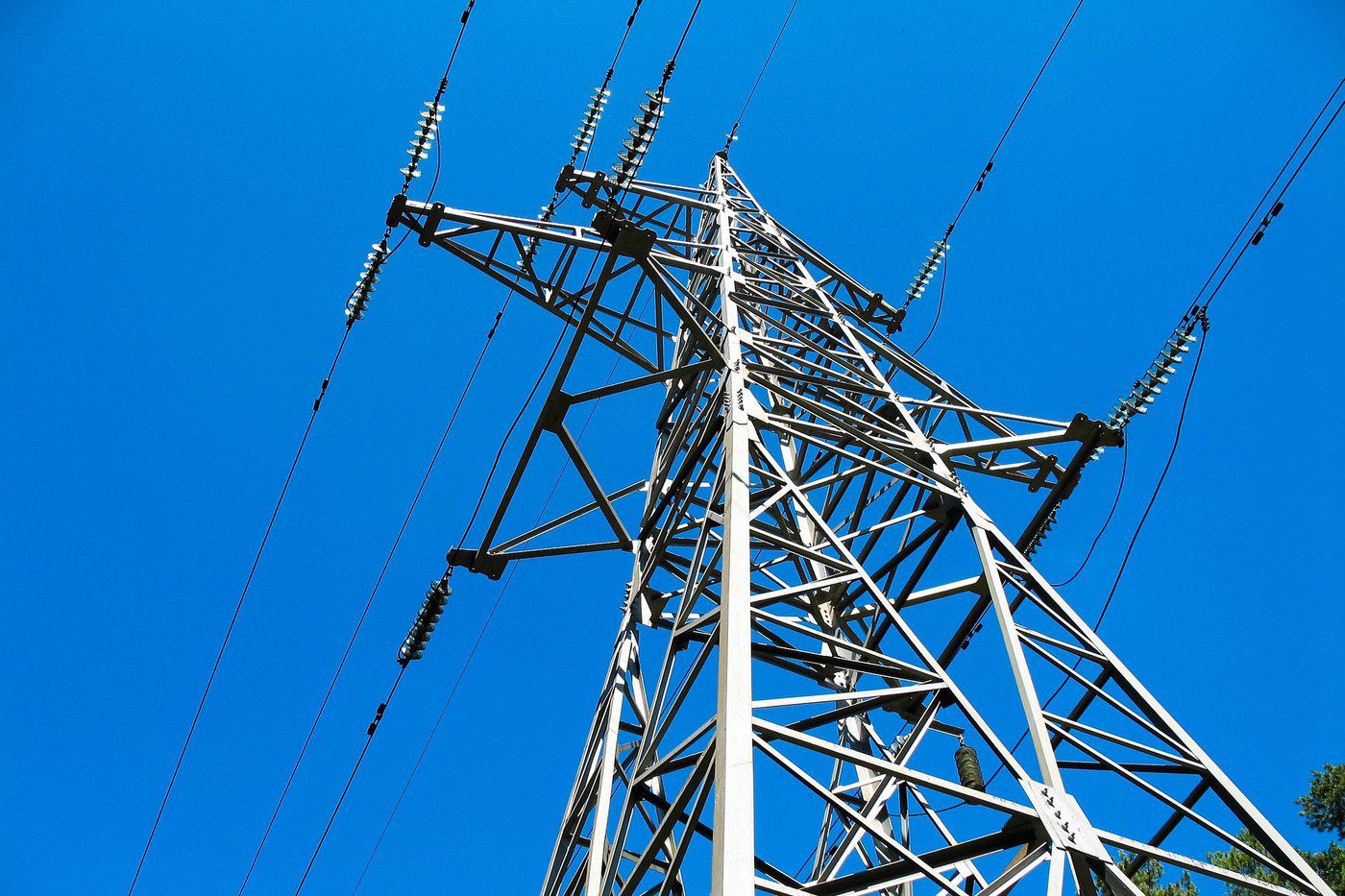
BC Hydro has for many years been promising to twin the power line that supply electricity to the west side of Okanagan Lake.
Peachland gets electricity from a BC Hydro substation in West Kelowna, which in turn is fed by a single transmission line from Nicola Substation near Merritt. That line passes over rugged, remote terrain that’s more prone than ever to wildfires, which are more frequent and intense in BC due to climate change.
A redundant power supply is a backup system that ensures a continues flow of electricity if one fails. Because the existing transmission line from Merritt to West Kelowna has no redundancy, Peachland is vulnerable.
The good news: BC Hydro is taking steps to eliminate the west side communities’ vulnerability. As part of its 10-year capital plan, the West Kelowna Transmission Project (WKTP) will connect its grid in West Kelowna with FortisBC’ Recreation Substation in Kelowna to create a redundant power supply for the nearly 26,000 BC Hydro customers in Westbank First Nation, West Kelowna, Peachland, and surrounding communities.
The less-good news: the new transmission line won’t be finished until 2032 and it won’t be extended to the stretch from West Kelowna to Peachland. WKTP manager Rachelle Trent said connecting the Westbank substation to Kelowna is about reliability.
“It will provide a second transmission line to the Westbank Substation and the Westbank Substation provides power to Peachland, so it provides a reliable second source of power should the existing line that feeds from Nicola go out of service,” she said.
Historically interruptions on the existing Nicola-Westbank transmission line have totalled only around half a dozen and only hours long, said Trent. However, she also confirmed that the biggest risk to the line is fire, and if it went down there’s no telling how long it could take for it to be repaired, depending on where the fire occurred, time required to extinguish it, and extent of the damage to the line.
“It’s very difficult to say what the restoration time would be,” she said. “We’ve made sure that we have local materials that can be deployed very quickly to fix it, a very skilled team locally as well that can get out and access the line and repair as quickly as possible, but if it’s a big fire, you’d have to put the fire out first,” she said.
Mobile generation can be brought into the substation to provide power in the event of a failure, Trent added.
BC Hydro identified the need for a redundant transmission line as early as 2014. Peachland Chamber of Commerce president Jonathan Wall said he’s pleased that BC Hydro is finally taking steps to ensure the availability of a constant power supply in West Kelowna because of the potential effect on business operations in Peachland. Business growth in Peachland depends on reliable power infrastructure and other types of infrastructure, Wall said.
“I think it’s great that BC Hydro is trying to move forward because it’s certainly a concern for the chamber. For Peachland businesses the risk of losing of losing days of operation due to intermittent power failures is a is a risk and something that we’d like to see addressed for our businesses and the community in general,” he said. “We’re trying to build our industrial base and manufacturing base on our industrial lands in Peachland. Those businesses need to know that they’ve got consistent power to do their operations as well. Obviously as the Okanagan grows, whether it’s transportation infrastructure, electrical infrastructure, even cellular infrastructure, it needs to continue to grow along with the Okanagan.”
Waiting six more years for BC Hydro to put the new line into place is just the reality these days, Wall said; projects are more costly, are more complicated and require many layers of approval. “Unfortunately these projects are going to take longer than they than they maybe would have in the past but that’s just part of the new awareness we have about environmental and First Nations and a lot of the issues that need to be respected,” he said.
Trent confirmed that projects like this take time. “It’s a complicated, challenging project, a large infrastructure project with a lot of factors in terms of routing options, impacts to the communities and the environment and really just ensuring that we make the right choices and take the right steps with respect for those items,” she said.
So does the new transmission line mean that Peachland will never again experience power outages? No, it does not mean that, said Trent, because the distribution line from the Westbank substation down to Peachland is also vulnerable to fire, as well as other interruptions caused by, for example, a car hitting a power pole or a lightning strike on the line.
According to local lore, power went out for three full days some years ago, but that wasn’t due to the Nicola-Westbank transmission line; it would have been a problem somewhere on the distribution line from Westbank to Peachland. The Peachland Post asked BC Hydro for statistics on power outages in Peachland and future plans for redundancy and capacity on the distribution line from West Kelowna but did not receive a response by press time.
Peachland councillor Dave Collins said redundancy and capacity of the distribution line from Westbank down to Peachland are related issues, which he said Peachland council has been bringing to BC Hydro’s attention for many years.
“Peachland had experienced several substantial power outages that affected the downtown and whatnot for several hours at a time. So that was the original genesis of asking redundancy. What they’re proposing partially solves redundancy, but it doesn’t bring it all the way down through Peachland towards Summerland. They think that they have enough resources to address our power outages on a case-by-case basis with their local crews. And if that’s the case, that’s great. It seems to have improved over the last few years compared to what it was say seven to 10 years ago. But our concern is fire- smarting that infrastructure. We don’t want a wildfire that takes out the (distribution) line and then takes weeks to replace,” he said.
Collins asked BC Hydro presenters at last week’s council meeting about capacity of Peachland’s power supply. Hydro gave assurances that capacity was ample and promised to bring detailed information to a future meeting.
— This story was originally published by the Peachland Post
News from © iNFOnews.ca, . All rights reserved.
This material may not be published, broadcast, rewritten or redistributed.

This site is protected by reCAPTCHA and the Google Privacy Policy and Terms of Service apply.
Want to share your thoughts, add context, or connect with others in your community?
You must be logged in to post a comment.