Elevate your local knowledge
Sign up for the iNFOnews newsletter today!
Sign up for the iNFOnews newsletter today!
Selecting your primary region ensures you get the stories that matter to you first.
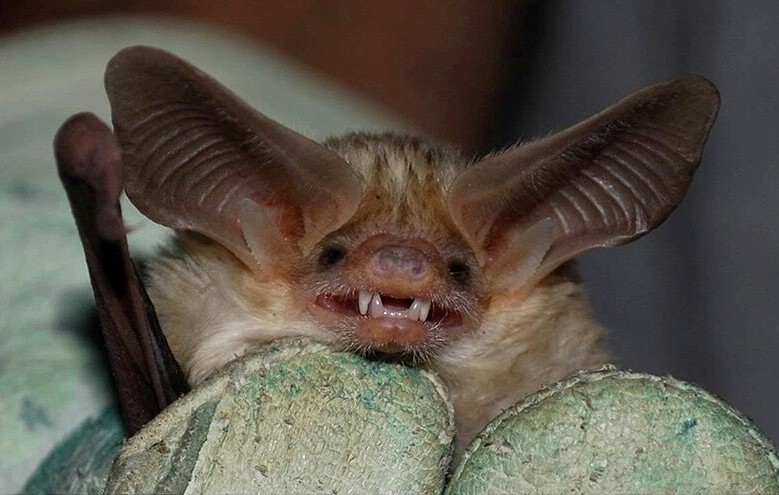
The results of the BC Annual Bat Count have been released and two Okanagan cities were at the top of the list for the highest counts.
Out of 1,089 bat counts conducted at 339 roost sites throughout the province last summer, only seven locations counted more than 2,000 bats which included Vernon and Peachland.
Implemented by Community Bat Programs of BC, the annual count is the only long-term roost monitoring program in the province.
Participants made up mostly of volunteers sit outside a roost site and count the bats at sunset for an hour as they emerge from human-made day roosts that are typically maternity colonies.
“The counts so far indicate healthy bat populations as there were no consistent declines detected in any of the bat count sites,” a recently released report by Community Bat Programs of BC reads. “This is worth celebrating.”
Seven different species of bats were counted in occupied buildings, bat boxes and condos, bridges and out buildings around the province. Most common are the little brown myotis and yuma myotis. There are also big brown bats, California myotis, Townsend’s big-eared bats, long-legged myotis and long-eared myotis.
The fatal white-nose syndrome responsible for killing millions of bats across North America was not detected.
Caused by the fungus Pseudogymnoascus destructans, white-nose syndrome nearly extirpated little brown myotis and northern myotis bat species which are now listed by the Species At Risk Act as endangered in Canada, according to a report by Community Bat Programs of BC.
The fungus that causes the disease has been found in BC, but so far the disease hasn’t been detected in bats. The disease is spreading north in Washington state and west from Alberta.
The disease was first detected in bat guano, or droppings, in Grand Forks in 2022. It was recently discovered in bat guano in the Metro Vancouver area, which prompted an information bulletin from the Ministry of Water, Land and Resource Stewardship.
Bats eat hundreds of mosquitos per hour making them vital components of the ecosystem and valuable in urban and natural environments.
Thanks to volunteers and organizations like the Bat Education and Ecological Protection Society in Peachland, bat habitats are being actively protected in areas of the Okanagan and their populations are being monitored and preserved.
At a building in Fintry Provincial Park near Vernon, 2,667 bats were counted and at an unspecified building in Peachland 2,447 bats were counted. Topping the list was 6,151 bats counted at a bat condo in Creston.
News from © iNFOnews.ca, . All rights reserved.
This material may not be published, broadcast, rewritten or redistributed.

This site is protected by reCAPTCHA and the Google Privacy Policy and Terms of Service apply.
Want to share your thoughts, add context, or connect with others in your community?
You must be logged in to post a comment.