Elevate your local knowledge
Sign up for the iNFOnews newsletter today!
Sign up for the iNFOnews newsletter today!
Selecting your primary region ensures you get the stories that matter to you first.
Six players in Georgia’s rugby team and one member of the support staff have been charged and sanctioned for what World Rugby described Friday as an “orchestrated scheme involving recreational drugs” and the swapping of drug-test samples.
In a case dating back to before the former Soviet republic’s team played at the 2023 men’s Rugby World Cup, World Rugby and the World Anti-Doping Agency described a scheme of “sample substitution” with players’ urine. The investigation, termed Operation Obsidian, could yet spread to other sports.
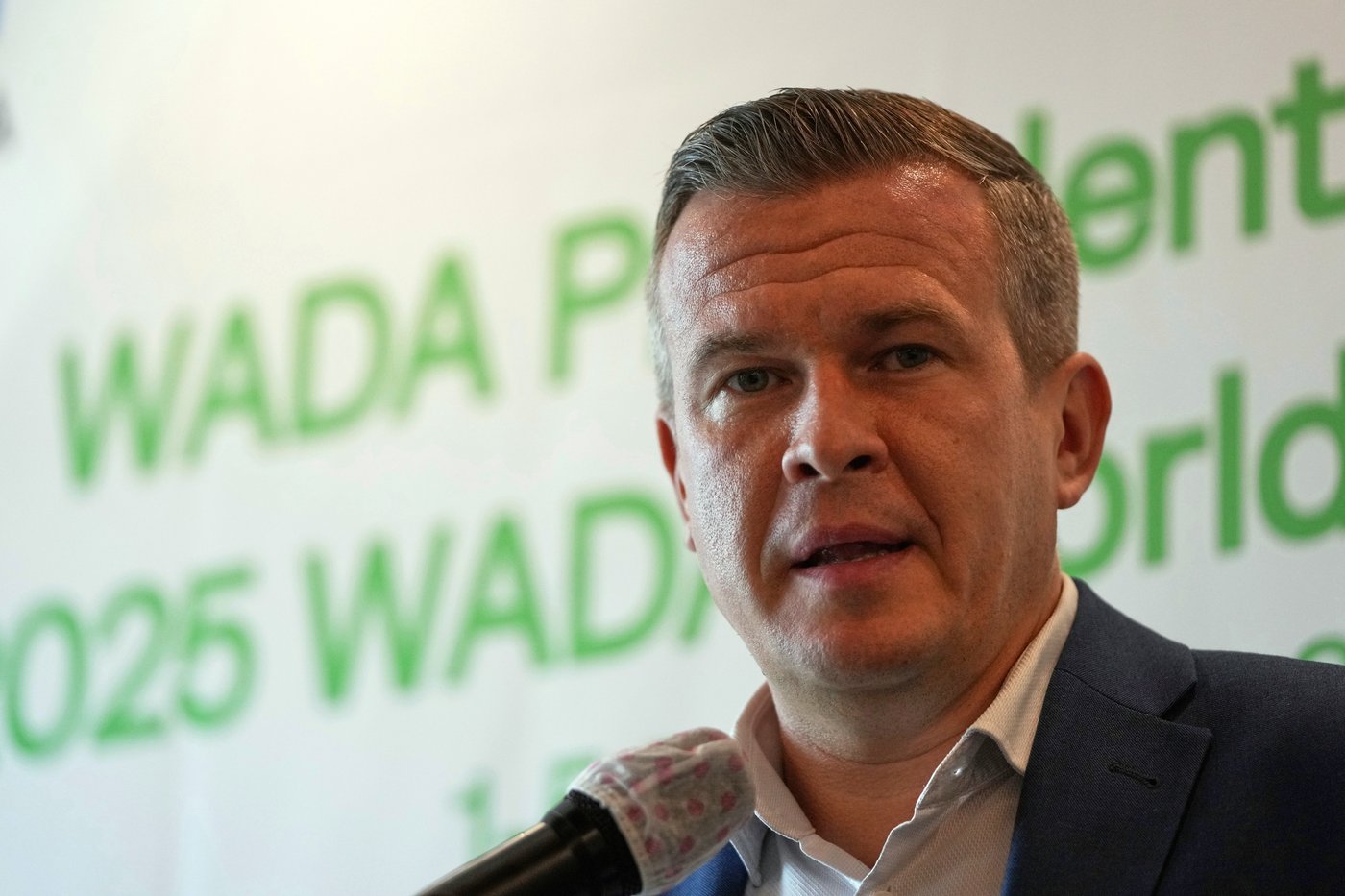
“What has been happening in Georgian rugby is outrageous and will send shockwaves through Georgian sport and government, as well as the global game of rugby,” WADA President Witold Bańka said.
WADA alleged a manager at Georgia’s national anti-doping agency was giving advance notice of drug tests to a member of the team’s “entourage,” who then warned players and staff in a group chat. WADA added that members of the Georgian agency’s staff falsified the dates samples were taken, used “false documentation” to justify not testing a player and didn’t watch players as they provided urine samples.
WADA said it has now “lost confidence” in the Georgian agency’s testing and has asked the country’s government to intervene.
Neither WADA nor World Rugby immediately named any of the players, how they were sanctioned or specified which drugs were involved. DNA analysis was used to detect the switched samples.
World Rugby told The Associated Press it intends to release names and other information at a later date once any potential appeals are resolved.
Georgia will play in Pool B with South Africa, Italy and Romania at next year’s Rugby World Cup.
WADA said it has already gathered samples of Georgian athletes from other sports from storage for testing, to see if any of those were substituted too.
“This is not the end of the story as further investigation is now going on deeper into Georgian sport,” Bańka said.
Swapping contaminated samples for clean urine has a long history across many sports and was at the heart of the Russian scheme which affected the 2014 Winter Olympics in Sochi.
WADA said its investigation into alleged misconduct in Georgia used tactics from an earlier case, Operation Arrow. In 2022 it led to an Olympic gold medal being stripped from weightlifter Nijat Rahimov of Kazakhstan, who was banned for eight years, after he was found to have switched urine samples four times in the run-up to the 2016 Games.
___
AP Sports Writer Steve Douglas contributed to this story
___
AP soccer: https://apnews.com/hub/soccer
News from © The Associated Press, . All rights reserved.
This material may not be published, broadcast, rewritten or redistributed.

This site is protected by reCAPTCHA and the Google Privacy Policy and Terms of Service apply.
Want to share your thoughts, add context, or connect with others in your community?
You must be logged in to post a comment.