Elevate your local knowledge
Sign up for the iNFOnews newsletter today!
Sign up for the iNFOnews newsletter today!
Selecting your primary region ensures you get the stories that matter to you first.
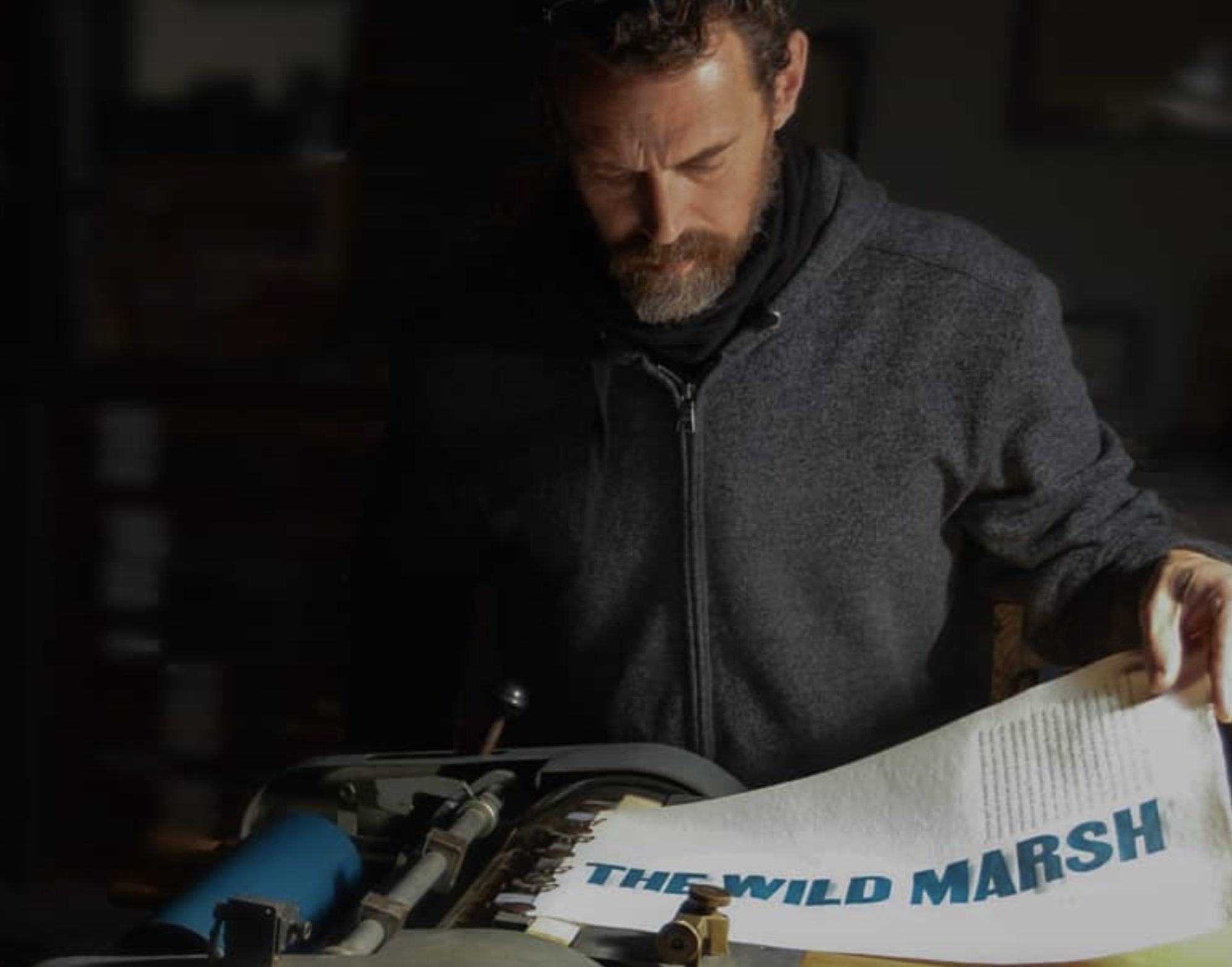
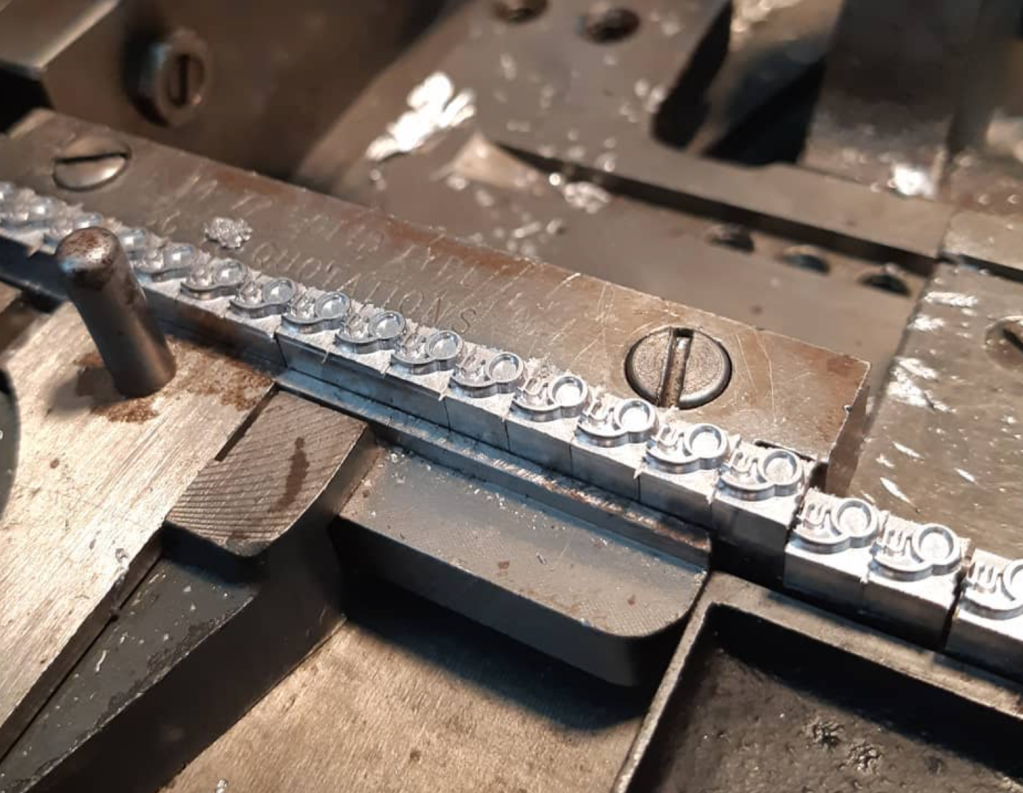
Each page takes hours of work. In a printshop in Vernon Jason Dewinetz casts tiny metal letters, arranges them, inks them and prints each page on a three-ton machine.
Dewinetz is the sole proprietor of Greenboathouse Press. He’s a poet, typographer and educator at Okanagan College who makes books by hand, and one of the few left in Canada doing it the way he does.
“To me, the fascinating part about making books is the relationship between form and content and how you present it, not just what it says,” he told iNFOnews.ca.
He said he’s the last printer in Canada who still casts metal type himself, creating each of the tiny metal letters that he sets into the printing press.
He spends months on each run of a book, usually around 70 copies. Once he casts each letter, he sets the text for each page, prints each page in a press and binds the books by hand.
“For every page of text, you’re looking at probably 20 hours of work just to get it ready,” Dewinetz said.
A 20 page book can require up to 400 lb. of metal type.
He found typography and bookmaking when he was in university, focused on being a writer.
“I was hanging out with a lot of other writers. And some of them were making their own little books to hawk at poetry readings. And that got me interested in actually making books,” he said.
Then he got a job with the University of Alberta archiving materials from Black Sparrow Press from the 1960s and 1970s.
“I spent a whole year going through about 120 boxes of materials, and that publisher at that time was making books this way, with handset metal type and letterpress printing and hand binding,” Dewinetz said. “I was completely fascinated.”
For him, using old techniques is about protecting them from time, but also because he thinks it’s really cool.
“A part of it is definitely a sense of wanting to preserve this and keep the craft alive,” he said. “But the truth of it, the less altruistic part, is I love doing it. Like the machines are so much fun to work with.”
Each book takes so long to make, so he sells them for hundreds of dollars each. He said he has a loyal customer base including institutional libraries that provide an opportunity for people to read them without paying the high price.
“I still want to make books that many people can buy and sit down and read and enjoy what it has to say,” he said.
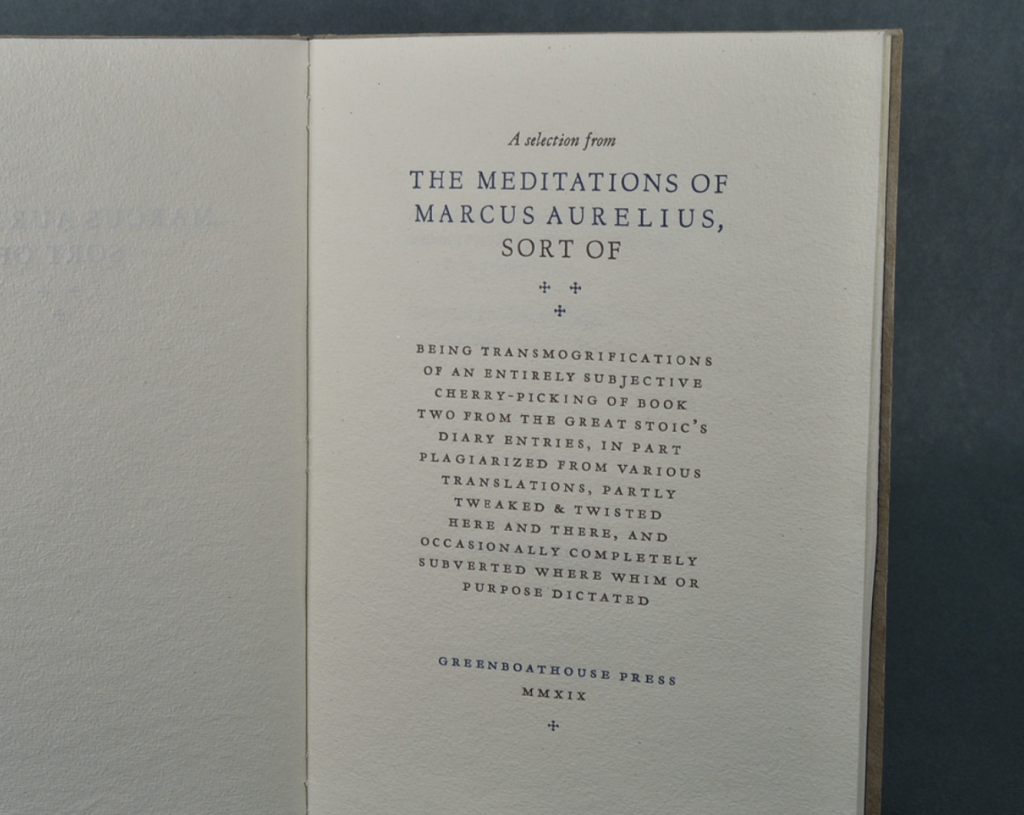
Since he spends so much time on each book he makes, he likes to print things he enjoys to read, mostly Canadian contemporary poetry and books about making books.
“I’m just sort of publishing the stuff I’m drawn to. So, for instance, I’ve done a couple of books by Jake Kennedy, who’s a local poet in Kelowna. And I just think he’s fantastic,” Dewinetz said. “I love his stuff and I want to have a nice copy of it.”
He’s been making books for more than 20 years, but recently as people move away from digital copies to hard copies of everything from vinyl records to comic books, high-end books are becoming more popular.
“There’s a growing market for people who want tangible objects, and are willing to pay for really well produced tangible objects,” he said.
Dewinetz is set to give a lecture at the University of British Columbia Okanagan campus on March 21, alongside a former student of his, Clare Thiessen, who runs her own print shop out of her kitchen called Broke Press.
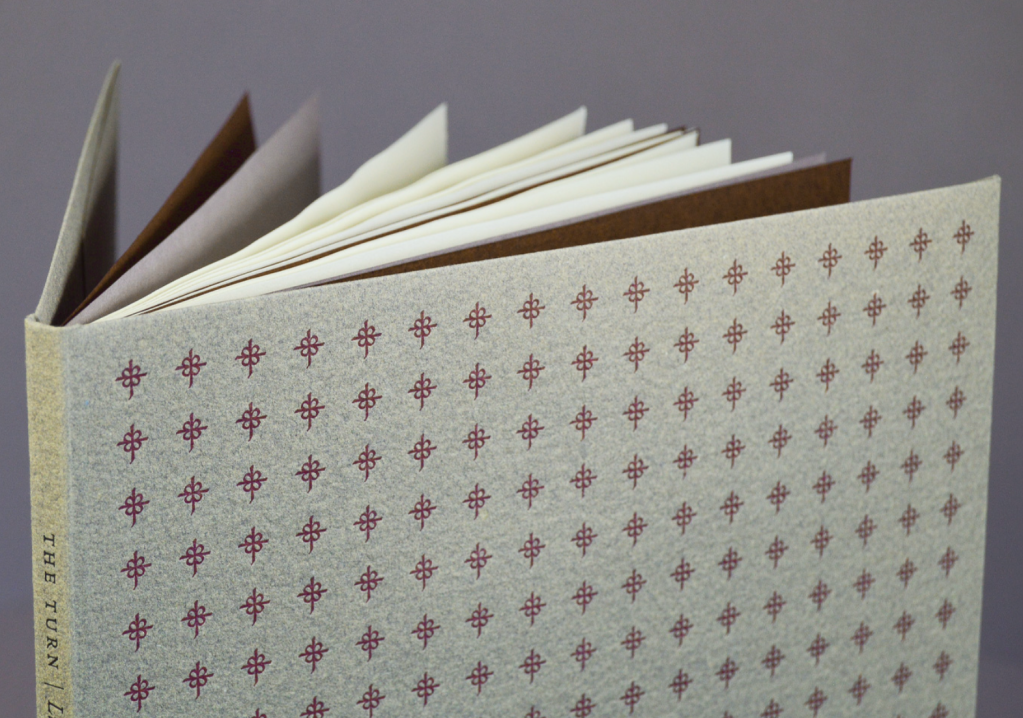
“He was actually my instructor at Okanagan College, and taught me everything I know about book design. So it feels full circle,” Thiessen said.
She designs and prints digitally, then binds by hand. She does four or five runs of different books per year of around 100 copies each.
“It keeps me busy. I get hand cramps when I’m folding all the pages for sure,” she said.
She said promoting emerging writers and giving Canadians a platform for their short form work is rewarding.
“I also am really proud that I’ve managed to create a model where I pay my writers, even though I don’t pay them much. I’m called Broke Press for a reason… I know that some places don’t because it’s so hard to be financially feasible as a chapbook press,” Thiessen said.
Dewinetz said he wants to share his craft with other people.
“The bottom line is just that it’s so enjoyable to do it. That’s my main motivation. I just think I’m lucky to have this equipment to be able to do stuff this way,” he said.
News from © iNFOnews.ca, . All rights reserved.
This material may not be published, broadcast, rewritten or redistributed.

This site is protected by reCAPTCHA and the Google Privacy Policy and Terms of Service apply.
Want to share your thoughts, add context, or connect with others in your community?
You must be logged in to post a comment.