Elevate your local knowledge
Sign up for the iNFOnews newsletter today!
Sign up for the iNFOnews newsletter today!
Selecting your primary region ensures you get the stories that matter to you first.
Invasive grasses are taking over BC’s fire-scarred landscapes, leaving regions vulnerable to going up in flames again.
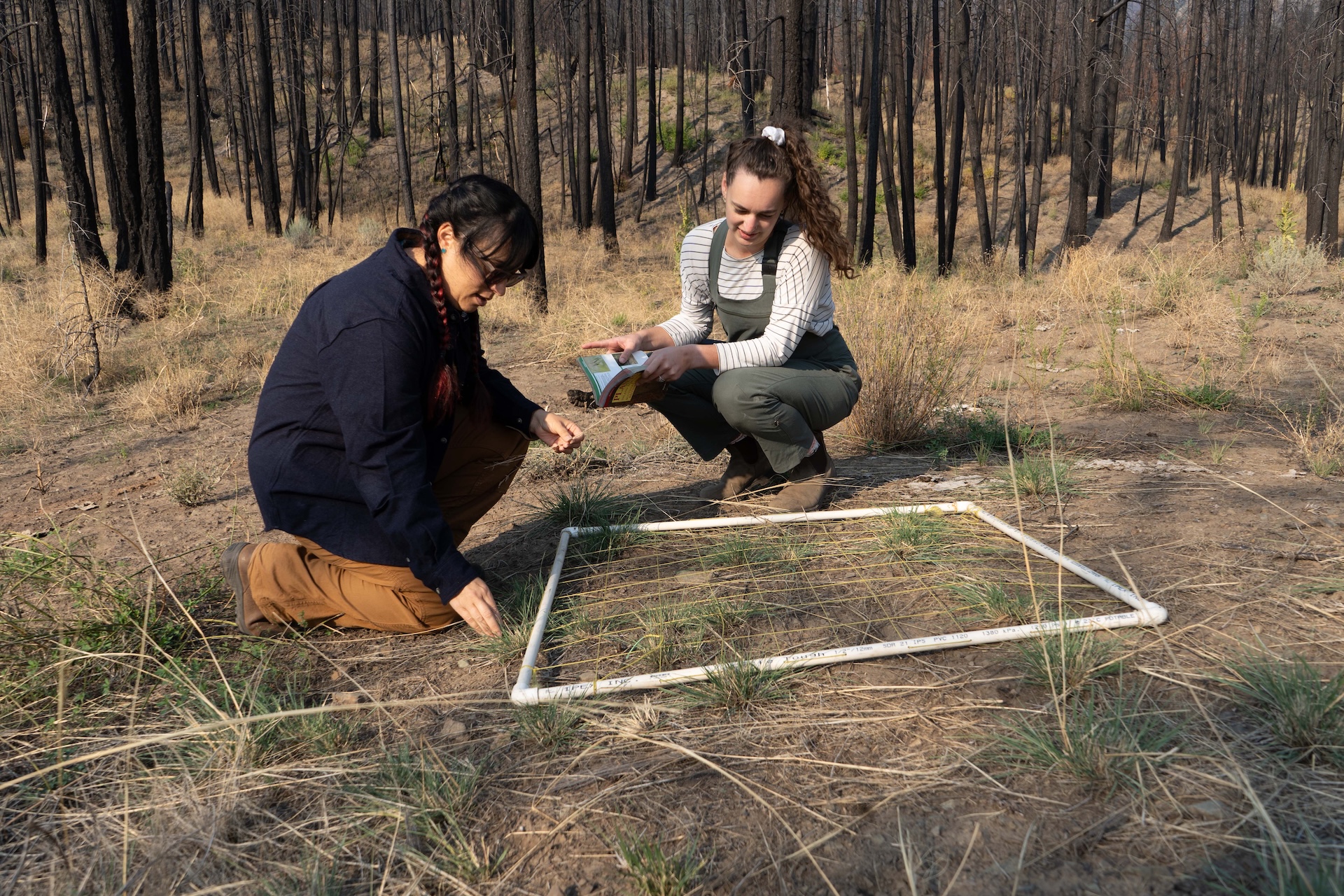
That’s according to a new UBC study published in Fire Ecology that found non-native grasses can take root after a wildfire, especially at lower elevations. While native plants are slower to re-establish in the ecosystem, invasive grasses like spotted knapweed and cheatgrass are fast-growing and dryer.
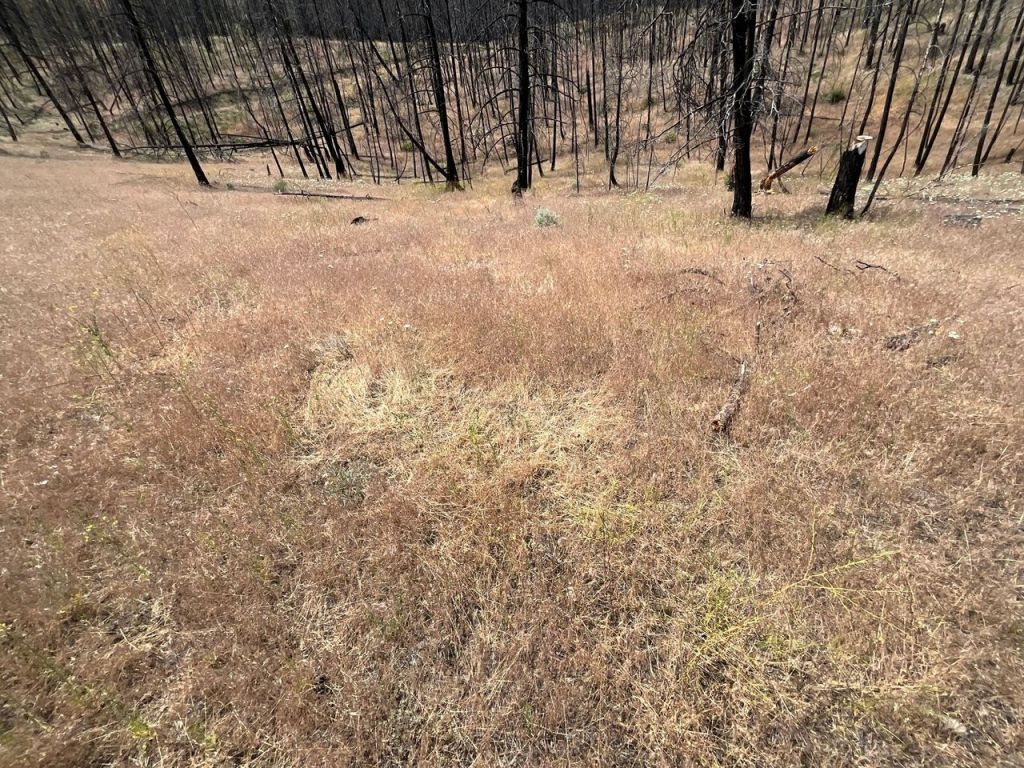
“Areas that looked like post-apocalyptic ground right after the fire are now blanketed in cheatgrass. Once you can see the invasion, the opportunity for rapid response may already be gone,” one of the authors, Dr. Jennifer Grenz, said in a UBC news release issued, March 19.
Grenz, who is also a member of Lytton First Nation, and her co-authors studied vegetation in the area burnt by the 46,000 McKay Creek wildfire near Lillooet.
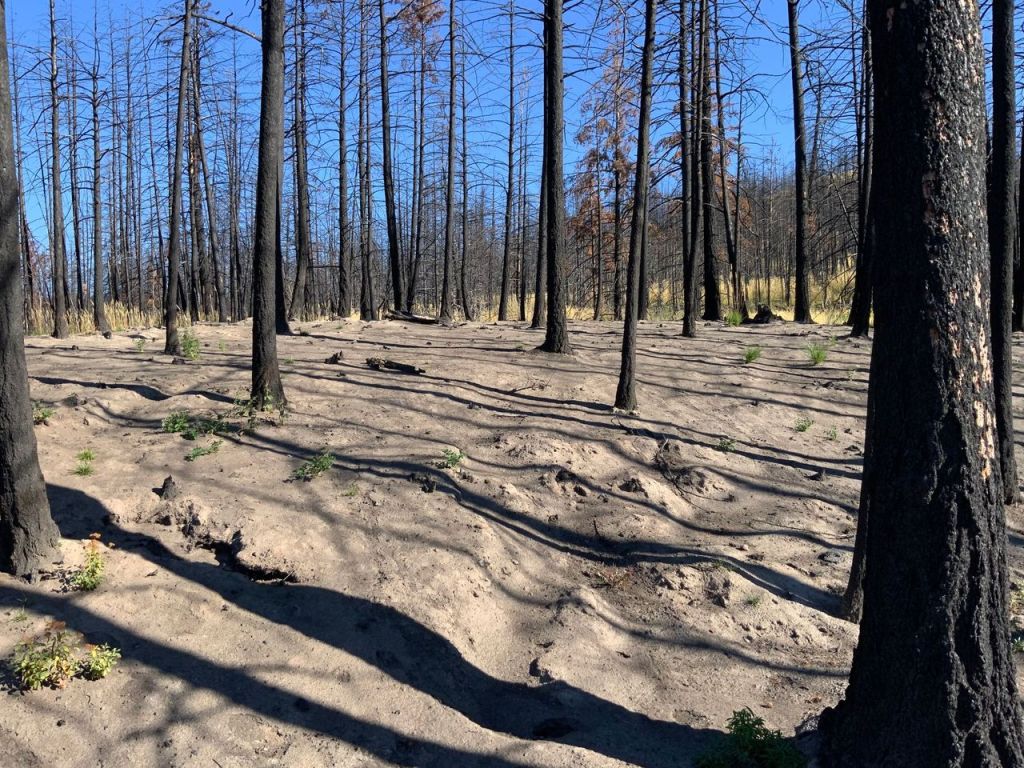
They examined the post-fire growth two years after the blaze.
Researchers found low-elevation areas more prone to heavy traffic from hikers, ATVs and hunters, for example, were dominated by invasive grasses. Those species tend to dry out sooner in the summer months and act as “dry runways” for intense, fast-moving wildfires.
It’s the same dynamic that allowed the 2023 Lahaina wildfire in Hawaii to spread rapidly when combined with high-winds and very little rain.
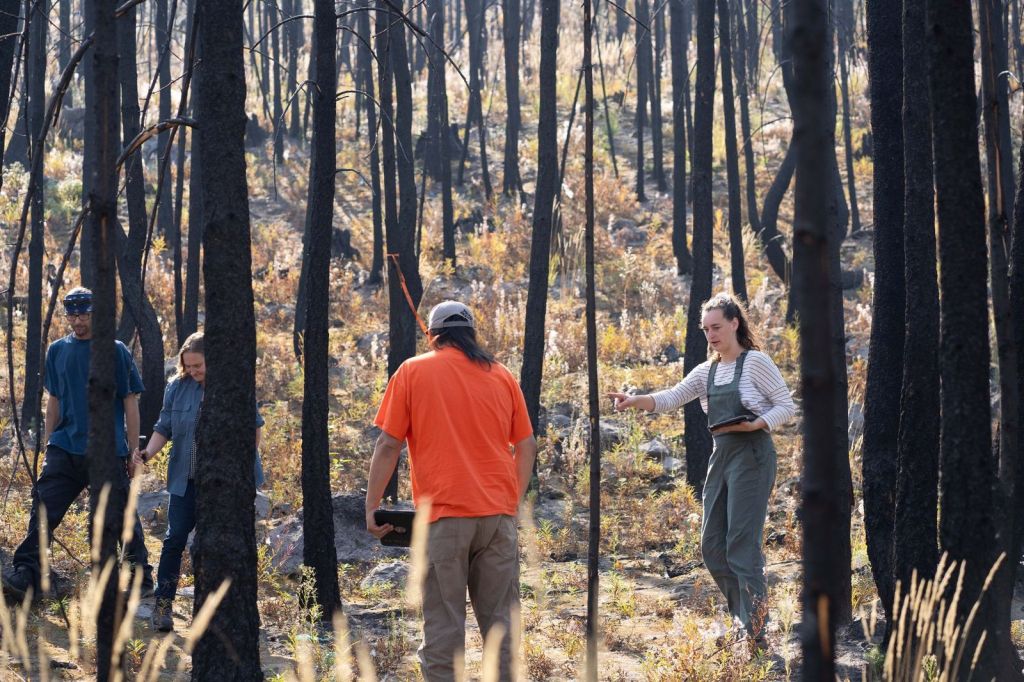
Researchers said the study can help predict the intensity of future wildfires, but it also highlights the importance of addressing invasive plants before they’re established.
“A landscape left to invasive grasses after one fire becomes more likely to burn again,” PhD student Virginia Oeggerli said in the release. “Recovery is part of prevention.”
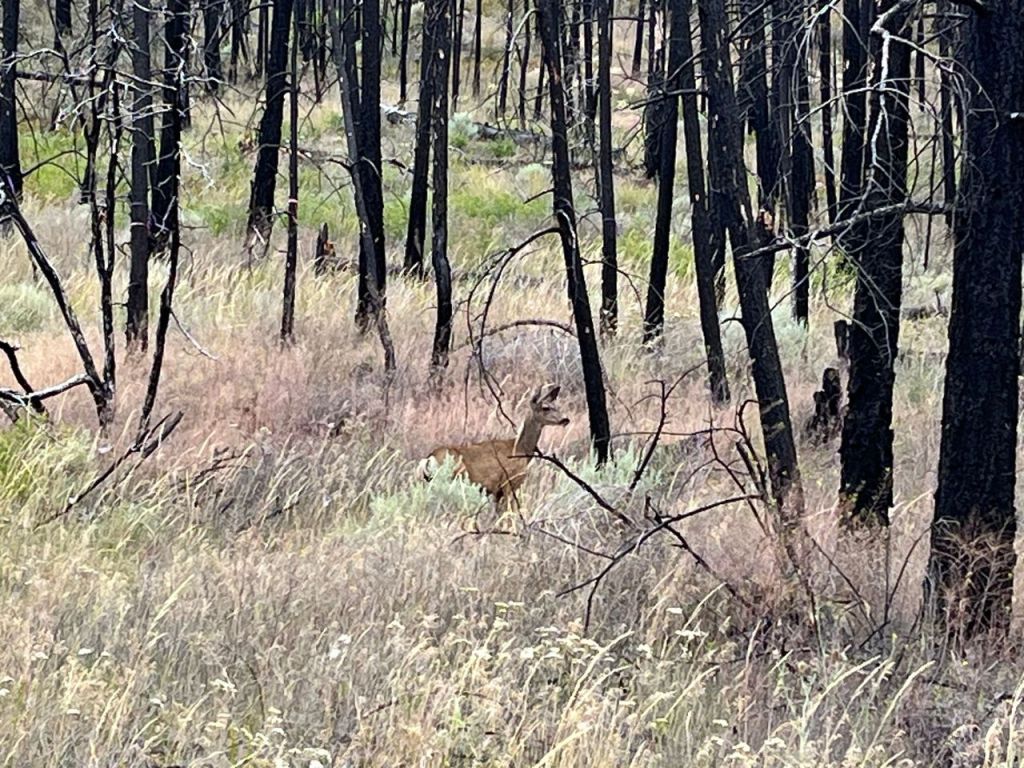
They suggested vehicle and boot washing stations at fire access points can help slow seed spread, targeted seeding of native plants along roads and early herbicide treatment of invasives could reduce the risk.
News from © iNFOnews.ca, . All rights reserved.
This material may not be published, broadcast, rewritten or redistributed.

This site is protected by reCAPTCHA and the Google Privacy Policy and Terms of Service apply.
Want to share your thoughts, add context, or connect with others in your community?
You must be logged in to post a comment.