Elevate your local knowledge
Sign up for the iNFOnews newsletter today!
Sign up for the iNFOnews newsletter today!
Selecting your primary region ensures you get the stories that matter to you first.
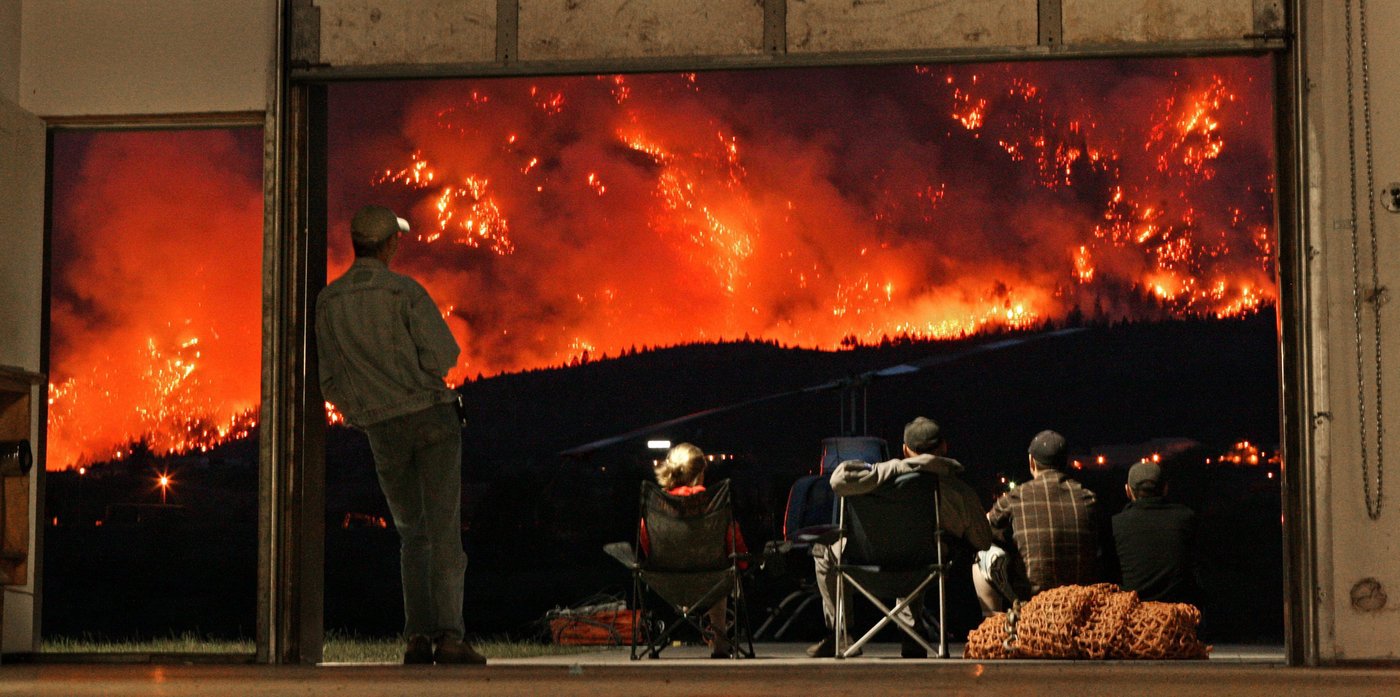
VANCOUVER — A University of British Columbia researcher says invasive grasses are creeping into burnt landscapes years after wildfires and could fuel massive future fires that put people’s lives at risk.
Jennifer Grenz, an assistant professor in the department of forest resources management, co-authored a study that focuses on the aftermath of the McKay Creek wildfire, a 46,000 hectare fire that burned near Lillooet in 2021 during the record-breaking heat dome.
The study, published this month in the journal “Fire Ecology,” took place in B.C.’s southern Interior, a region that includes dry forests and grassland.
Grenz says that while native plants were slow to recover, invasive grasses like cheatgrass are starting to grow into lower-elevation areas where people live.
She says the cheatgrass dries out quickly and acts like kindling, creating a “fuel highway” that causes fire to spread faster, and noted that similar grasses contributed to deadly wildfires in Hawaii in 2023.
Grenz says the grasses could lead to the next major wildfire in B.C., and recommends the province create its own department with a dedicated budget to tackle invasive plants.
This report by The Canadian Press was first published March 20, 2026.
News from © The Canadian Press, . All rights reserved.
This material may not be published, broadcast, rewritten or redistributed.

This site is protected by reCAPTCHA and the Google Privacy Policy and Terms of Service apply.
Want to share your thoughts, add context, or connect with others in your community?
You must be logged in to post a comment.