Elevate your local knowledge
Sign up for the iNFOnews newsletter today!

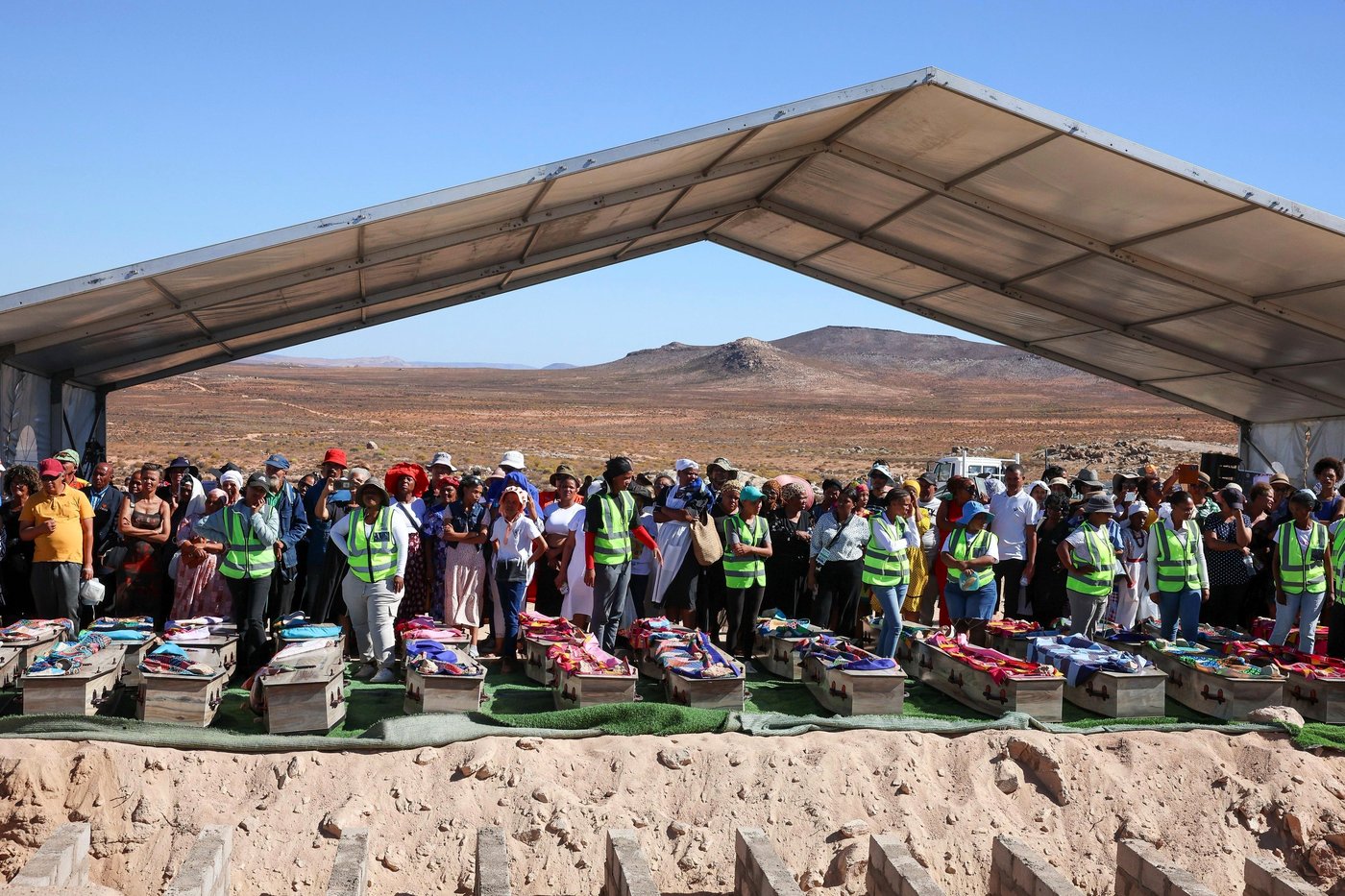
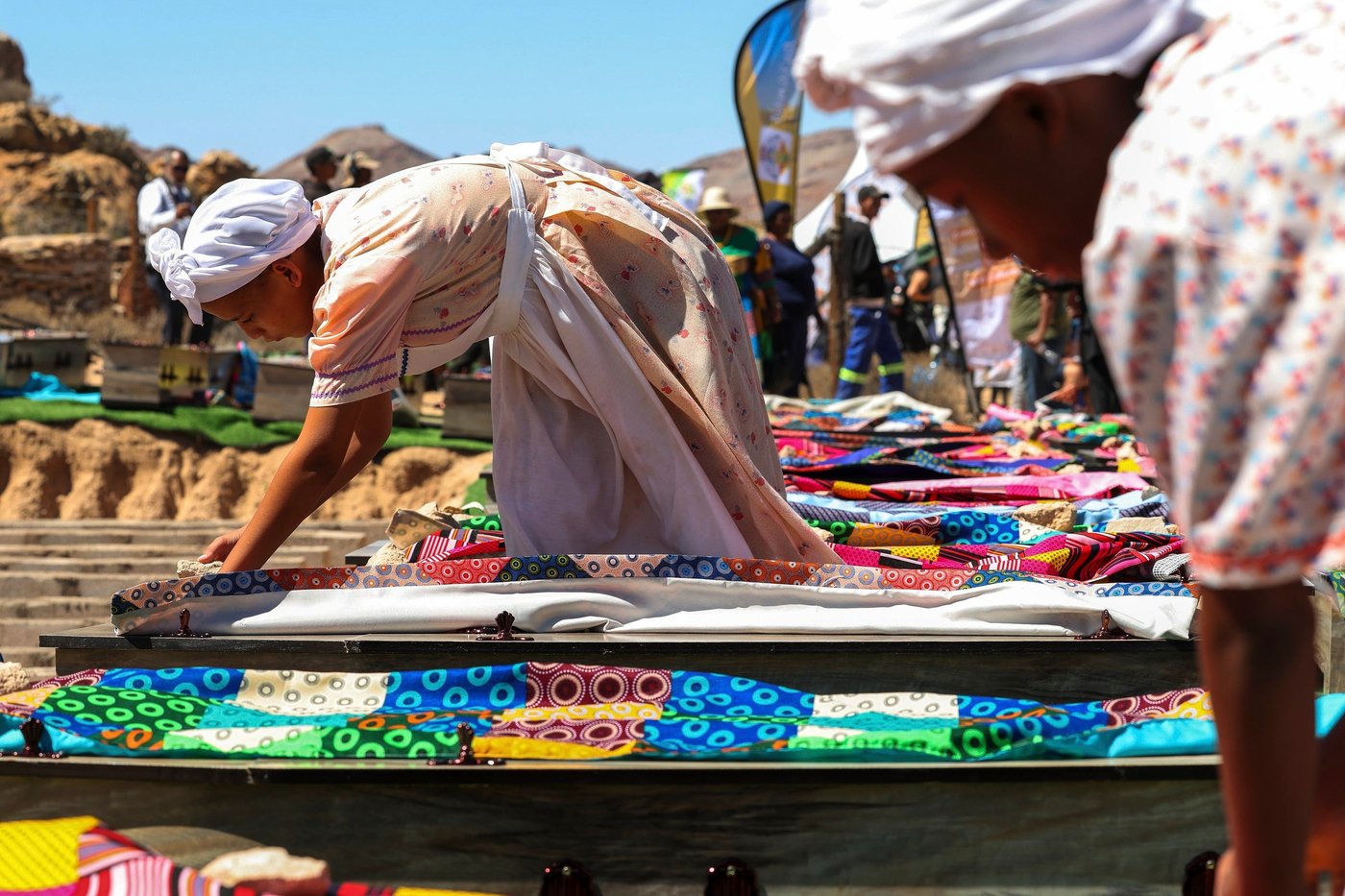
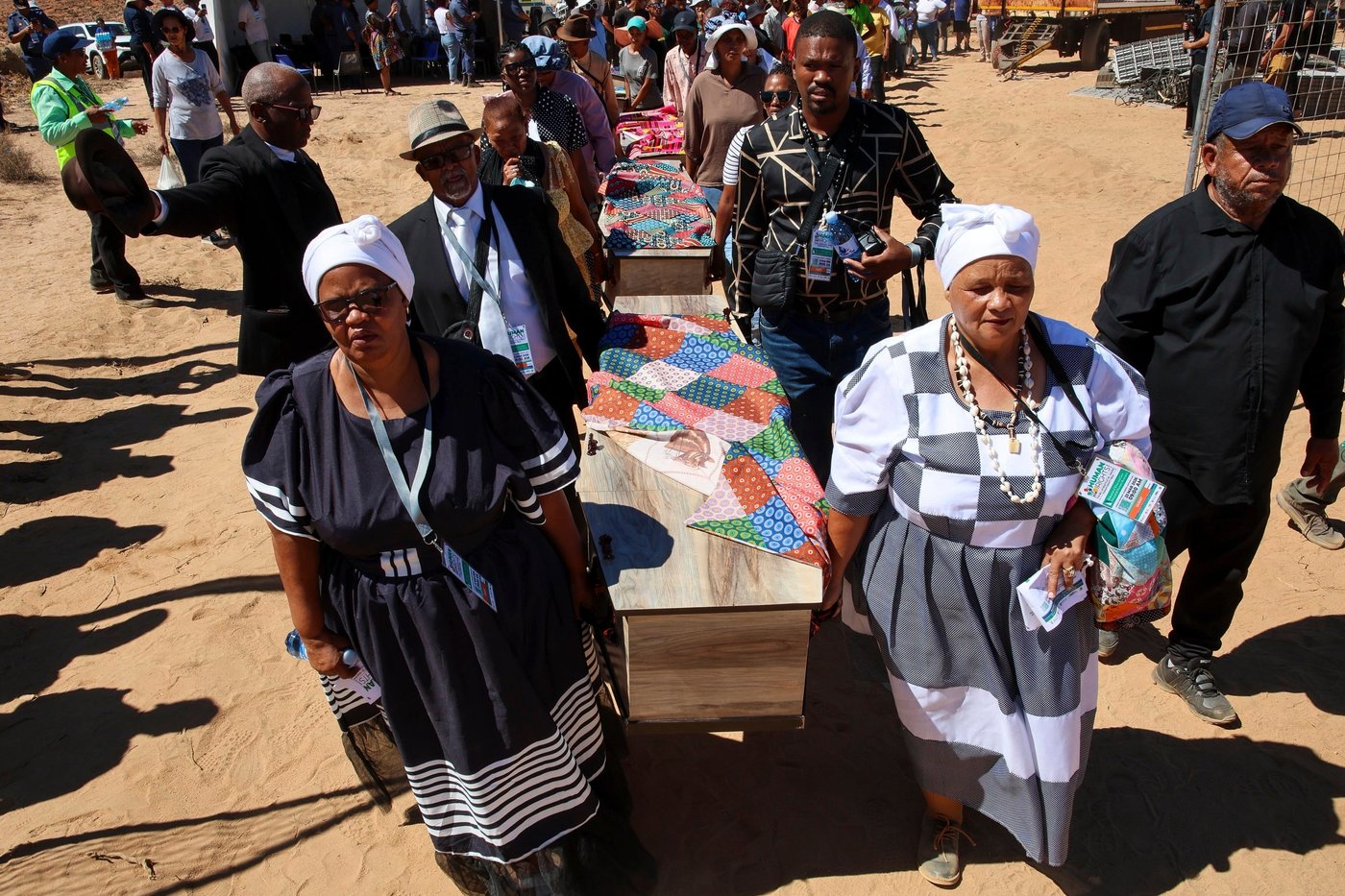
JOHANNESBURG (AP) — The remains of dozens of Africans whose bodies were dug up and sent to Europe for scientific research long ago were reburied Monday in South Africa, whose president called the practice “rooted in racism and used to advance theories of European racial superiority.”
The remains of at least 63 members of the Khoi and San communities had been repatriated from a European museum, part of a wider movement in Africa to bring back remains and artifacts that had been stolen or removed from the continent.
Widely acknowledged as the earliest inhabitants of southern Africa, the Khoi and San waged resistance against colonialism, and many were killed by European settlers.
The remains being reburied were dug up between 1868 and 1924 and donated to The Hunterian Museum at the University of Glasgow in Scotland. Others had been housed at the Iziko Museums in South Africa since the 1920s.
South African President Cyril Ramaphosa, who attended the reburial with museum representatives and traditional leaders, said the repatriation followed negotiations between the university and the government that started in 2022.
Ramaphosa called it part of efforts to restore dignity.
“The sale of human remains of Indigenous peoples for study in Europe was rooted in racism and used to advance theories of European racial superiority,” he said. “They were dug up and turned into commodities and specimens, displayed under the cold gaze of pseudoscience.”
Ramaphosa said most European countries must do more to acknowledge the indignity suffered by Africans through colonialism and consider paying reparations to their former colonies.
___
Follow AP’s Africa coverage at: https://apnews.com/hub/africa
News from © The Associated Press, . All rights reserved.
This material may not be published, broadcast, rewritten or redistributed.

This site is protected by reCAPTCHA and the Google Privacy Policy and Terms of Service apply.
Want to share your thoughts, add context, or connect with others in your community?
You must be logged in to post a comment.