Elevate your local knowledge
Sign up for the iNFOnews newsletter today!
Sign up for the iNFOnews newsletter today!
Selecting your primary region ensures you get the stories that matter to you first.
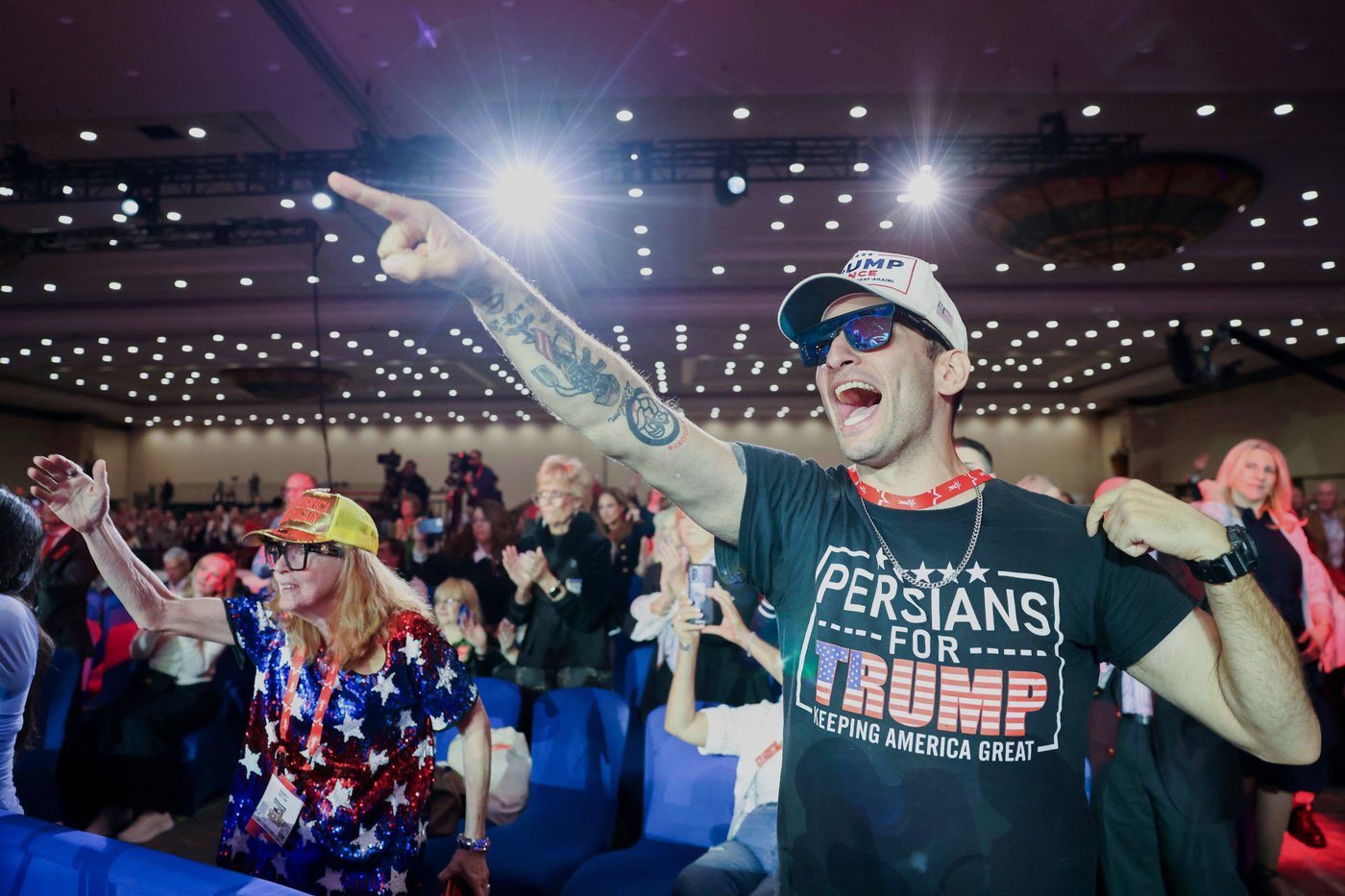
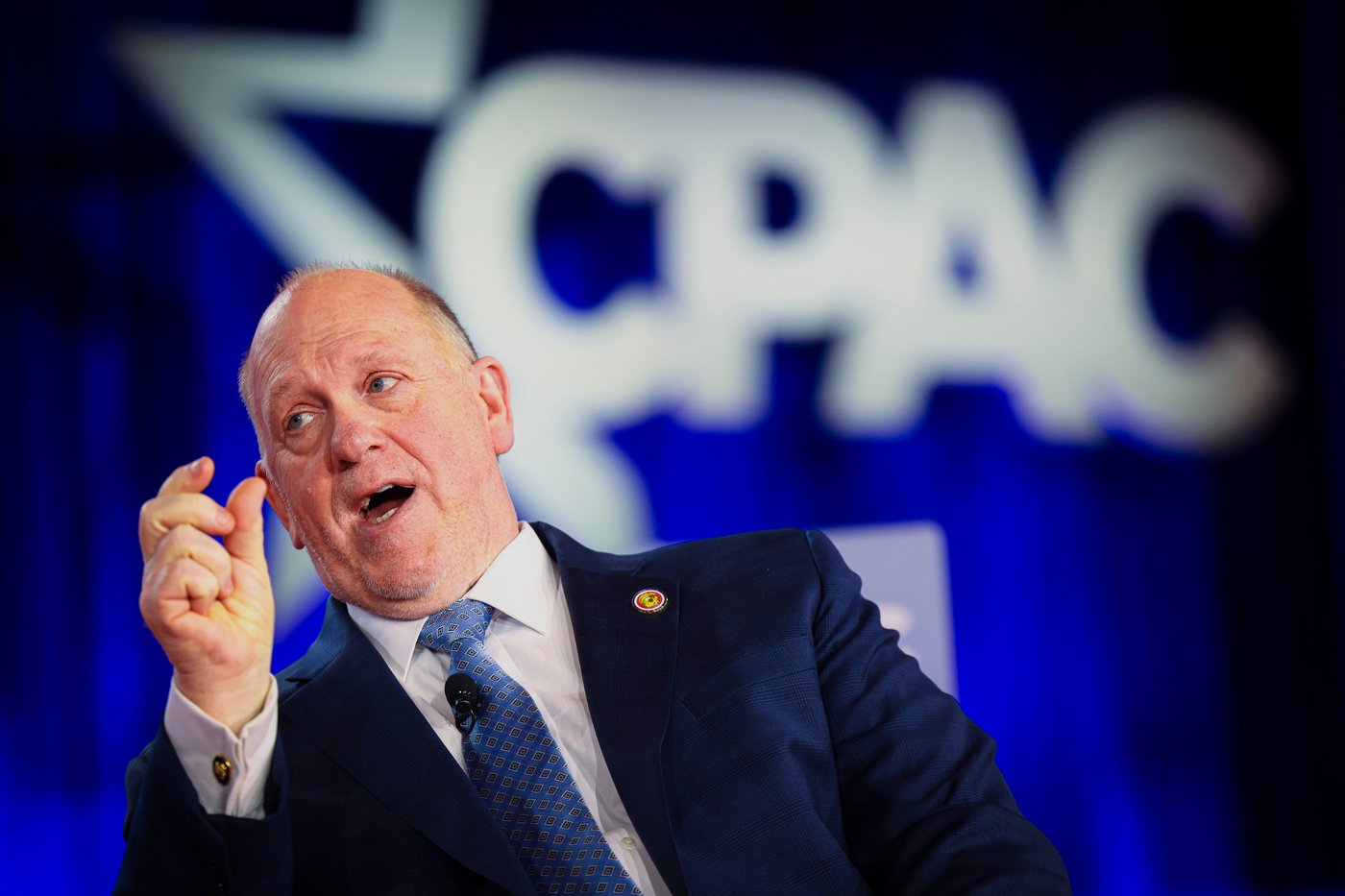
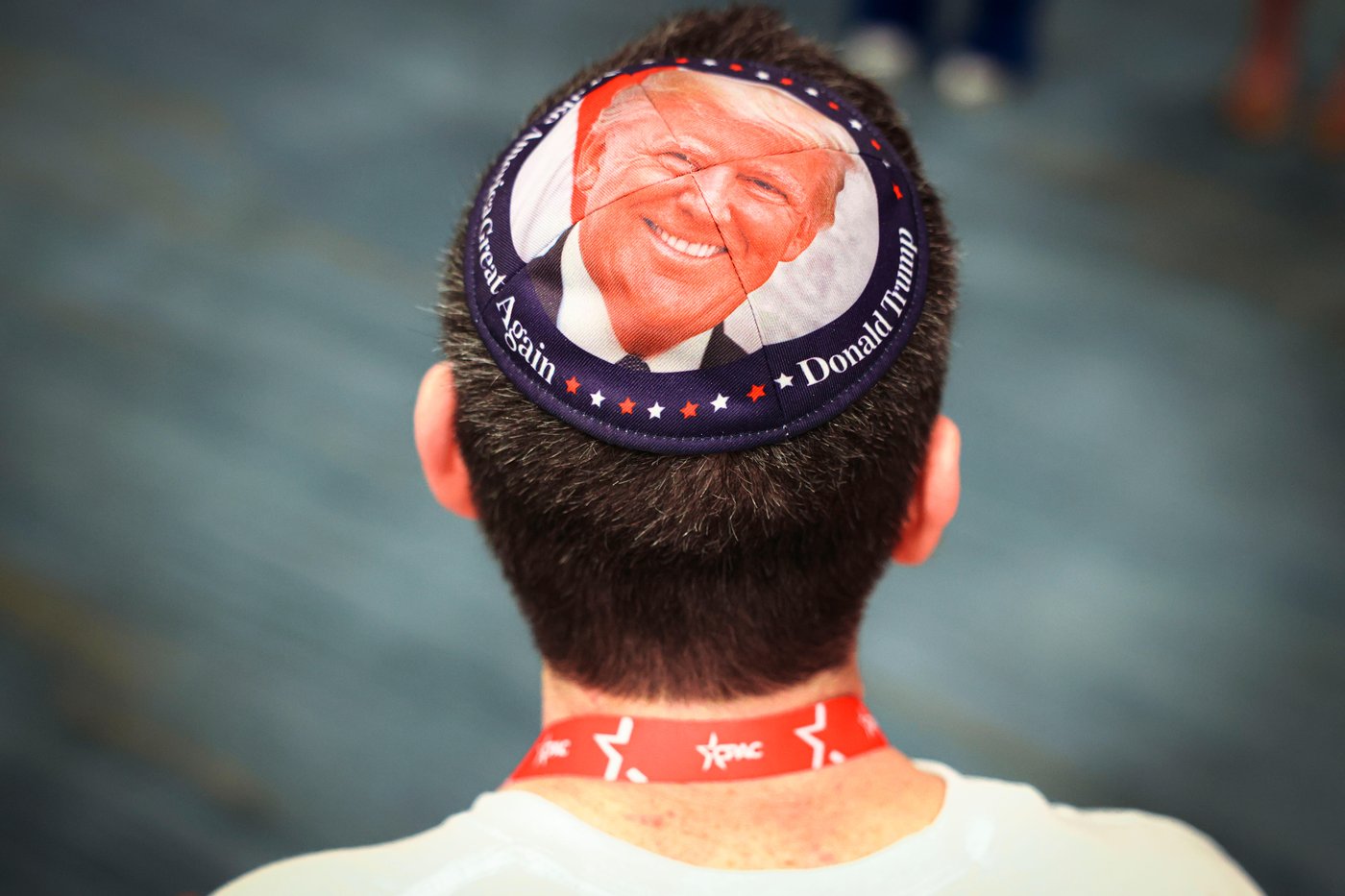
GRAPEVINE, Texas (AP) — A generational divide over the Iran war surfaced Thursday between older attendees and their political heirs at this year’s Conservative Political Action Conference, as the group’s leaders pleaded for unity in a challenging midterm election year for Republicans.
Younger conservatives spoke of disappointment and even “betrayal” over President Donald Trump’s launch of strikes against Iran, saying in interviews with The Associated Press that the president’s actions run counter to his many pledges to oppose foreign entanglements.
Meanwhile, older conservatives were looking past Trump’s campaign criticism of military action to topple foreign regimes, arguing the war in Iran is a pragmatic act forced by threats to the United States.
The bright dividing line emerged in conversations with a dozen participants on either end of the age spectrum who gathered for the annual meeting of conservatives, being held outside Dallas. That split could reflect flagging enthusiasm for Trump among some younger voters, a potentially troubling sign for Republicans heading into midterm elections and for the conservative movement as it looks to build beyond Trump’s tenure.
“We did not want to see more wars. We wanted actual America-first policies, and Trump was very explicit about that,” said Benjamin Williams, a 25-year-old marketing specialist for Young Americans for Liberty. “It does feel like a betrayal, for sure.”
Younger conservatives concerned about sending troops to Iran
Williams, from Austin, Texas, worries about his friends in the military, especially his Air Force officer brother. More broadly, he sees the war as an unnecessary disruption to the stability in the Middle East that could have long-term negative effects on the U.S. economy.
“Trump’s rhetoric was very important for people of my generation,” Williams said.
Auburn University sophomore Sean O’Brien’s support for Trump has slipped, especially with talk of sending U.S. troops into the Middle East. “I’m not happy,” he said.
Sending troops into Iran, he said, “would be full betrayal.”
In light of the U.S. military preparing to deploy at least 1,000 troops from the 82nd Airborne Division to the Middle East in the coming days, O’Brien said, “That’s what keeps me up at night.”
Older attendees say Trump responded to a threat
Older CPAC participants were far more forgiving, describing Trump as wisely responsive to what they described as the threat Iran posed. Several, in fact, suggested Trump did not initiate the war, but that Iran had decades ago.
“I don’t believe he started a new war. He was acting in response to a 40-year-old war by Iran,” said 70-year-old retired defense contractor Joe Ropar of McKinney, Texas. “How long were we supposed to wait? I think he did what he had to do when he had to do it.”
“Do nothing? I’m not on board with that,” Ropar said.
Echoing a common theme from older participants, Kelle Phillips said Trump’s decision was a pragmatic reaction to a real threat that overrules the best hopes of campaign rhetoric.
“You campaign on what you want to do and then the world’s dynamics happen,” said Phillips, a 61-year-old author and religious instructor from Frisco, Texas. “I think the difference is if you have someone in the Iranian regime who wants to destroy America. You can’t reason with them.”
Trump’s goals in Iran, as James Scharre believes, are short-term and not a concern for those adverse to a long slog overseas.
Scharre, 61, also interprets Trump’s early campaign opposition to government overthrow as a preference, not an ironclad promise.
“I think he said he was against it,” he said. “Trump is a wise leader. He does what works. And I’m for it.”
Some prominent conservatives also are split on Iran
Cracks in the conservative coalition began appearing early in the war, led by influential opinion leaders like podcaster Tucker Carlson.
This month, Joe Kent, the director of the Center for Counterterrorism at the Department of Homeland Security, quit his Trump administration post, saying in his departure statement that “I cannot in good conscience support the ongoing war in Iran” and that “Iran posed no imminent threat to our nation.”
Right-wing podcaster Steve Bannon, who is expected to speak at CPAC, has worried aloud that a protracted Mideast military engagement would cost Republicans support by pushing some conservatives to sit out the November midterms.
This comes at a time when Republicans’ hold on the U.S. House is in jeopardy and the GOP’s thin Senate majority is not as secure as it was a year ago.
A recent survey from The Associated Press-NORC Center for Public Affairs Research indicates that while Trump’s approval rating is holding steady, the conflict could be turning into a major political liability for his administration. About 59% of Americans say U.S. military action in Iran has been excessive, the poll found.
Calls for unity
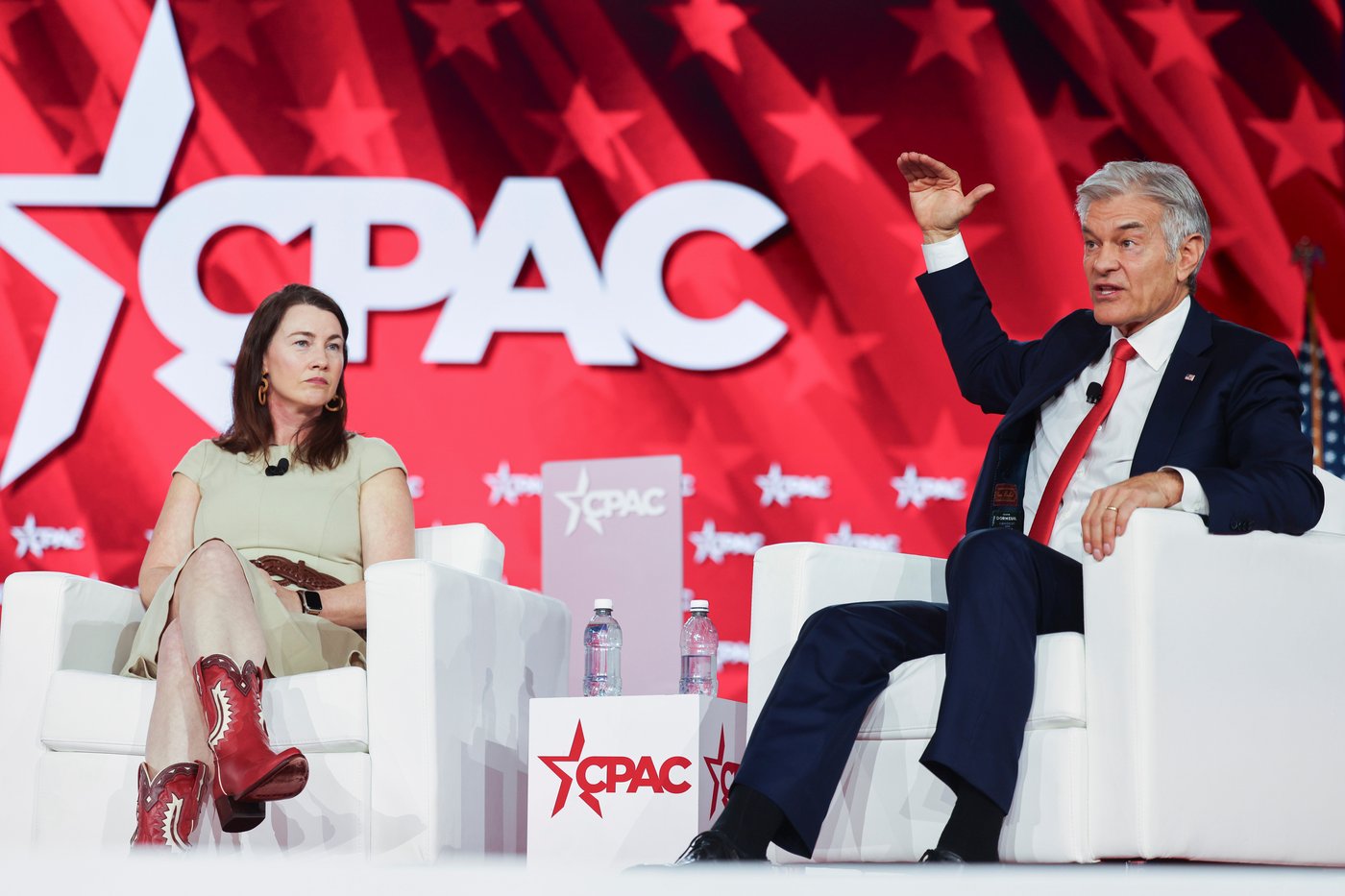
CPAC Chairman Matt Schlapp acknowledged conservatives were divided over Iran and said the convention’s annual straw poll will include a question about it. The results will be released Saturday, the convention’s final day.
“Any consensus is still to be determined. I think people trust President Trump, so I don’t think there’s been any shaking of his support,” Schlapp told the AP. “But I think underneath there’s concern about where does this lead.”
Tiffany Krieger, a 20-year-old sophomore at the University of Pittsburgh, said her onetime level-10 support for Trump has dipped to five over the war.
“It seems like the love for him is plateauing. We see our party splitting apart and we’re supposed to be united,” said Krieger, of Harrisburg, Pennsylvania. “I think this issue with the war has put a line through the conservative movement.”
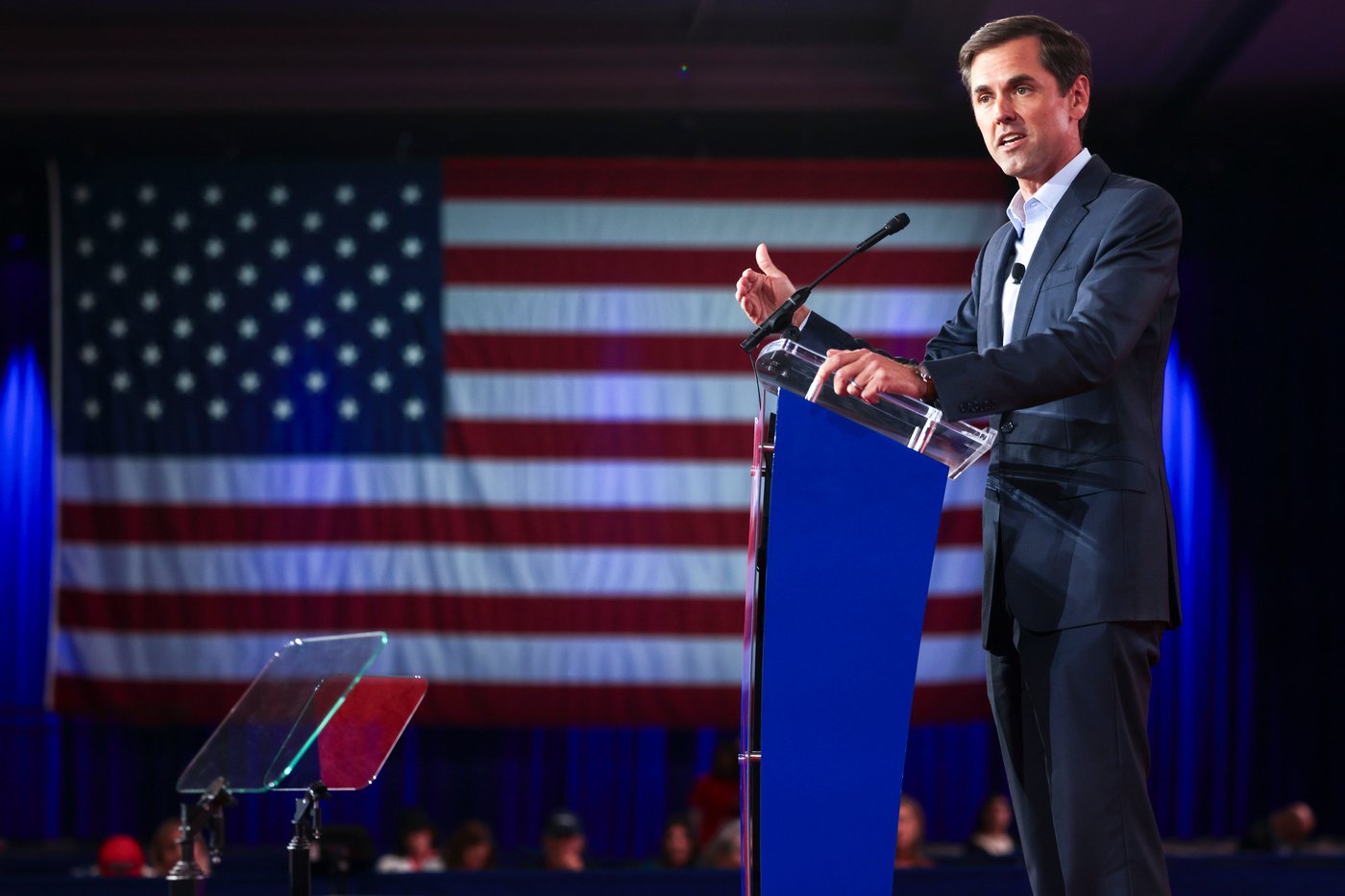
Almost if addressing Krieger directly, Mercedes Schlapp, senior fellow for the CPAC foundation, opened Thursday’s session of the conference in Texas with a direct appeal.
“We cannot divide from within,” she told an audience of hundreds from the stage at the convention center. Referring to political opponents, she added: “Let’s stay united. They want us divided.”
News from © The Associated Press, . All rights reserved.
This material may not be published, broadcast, rewritten or redistributed.

This site is protected by reCAPTCHA and the Google Privacy Policy and Terms of Service apply.
Want to share your thoughts, add context, or connect with others in your community?
You must be logged in to post a comment.