Elevate your local knowledge
Sign up for the iNFOnews newsletter today!
Sign up for the iNFOnews newsletter today!
Selecting your primary region ensures you get the stories that matter to you first.
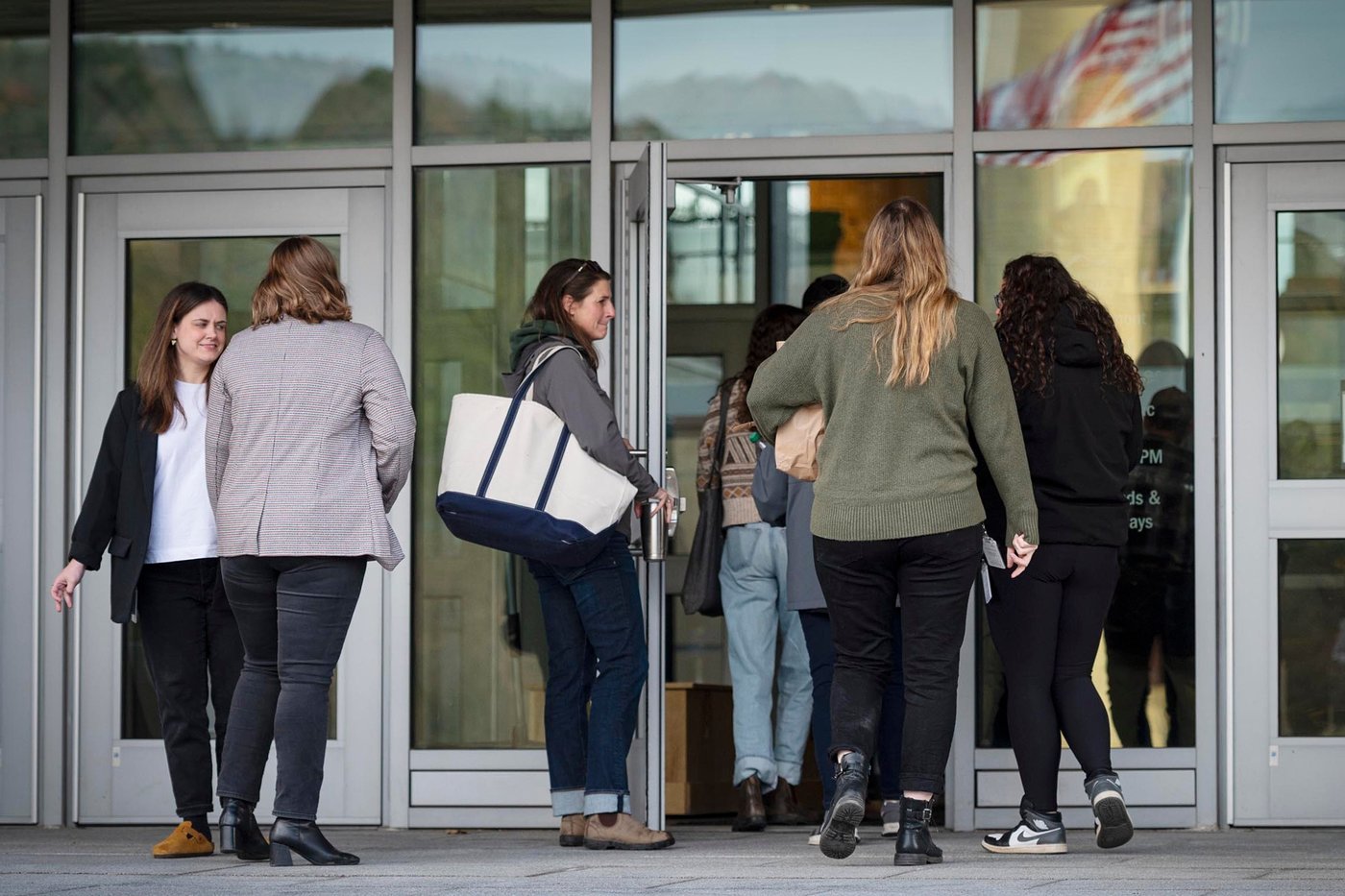
The Vermont Labor Relations Board has ordered that Gov. Phil Scott’s administration “rescind” a controversial requirement that state employees return to their physical offices three days per week.
The board, a non-judicial body that makes decisions on the labor grievances of state employees, said in its decision Wednesday that the state has “refused to bargain in good faith and interfered with employees’ exercise of rights” in requiring in-person work.
Scott called the decision “disappointing, but not surprising” in his weekly press conference Wednesday, and said the board’s membership is “weighted towards labor.”
While Scott appointed the board’s members himself, he told reporters that “parameters” governing the body’s makeup had limited his choices, appearing to refer to the panel’s statutory guidelines.
Earlier in the day, his office put out a statement lambasting the state labor relations board and its decision, calling the body “broken.”
The state has already filed a notice of appeal with the Vermont Supreme Court, officials said.
The Vermont State Employees’ Association, for its part, called the decision a “stunning victory” in a Wednesday email to members. The order, union leadership said in that email, protects “the rights of our members to have a say in their conditions of employment.”
“The governor is not a king,” said Steve Howard, executive director of the employees’ union, in an interview Wednesday. “When you have a union, you have to collectively bargain in good faith.”
Last August, officials in Scott’s administration told state employees — many of whom began working from home during the Covid-19 pandemic — that beginning in December all staff had to return to their designated offices at least three days per week. The mandate included employees working from outside the state, and raised questions about office capacity in some agencies. A survey of state employees last fall indicated that more than 3,000 of the state’s roughly 8,000 staff worked from home three or more days per week.
The administration’s move sparked outcry from the state employees’ union, representatives from which brought concerns about what they called “return to commute” to the Labor Relations Board in November.
When rolling out the policy, administration leaders said a return to in-person work would improve collaboration and make state government more accessible to Vermonters. Administration Secretary Sarah Clark made a similar argument Wednesday, saying at the governor’s press conference that continuing to push for the return-to-office requirement will help to “ensure that state government is able to deliver services to Vermonters that they expect.”
Wednesday’s labor board order required that the state offer to rehire former employees who left their jobs as a result of the in-person work requirements. The board said Scott’s administration will also need to “make all affected employees whole” through reimbursement for “any monetary losses” caused by the return-to-office policy.
Scott said the reimbursement requirement could mean Vermont taxpayers would be forced to cover costs for state employees’ extra commutes, and possibly for their child care. His team is confident the state will secure a stay on the labor board’s order to halt its effects while the administration appeals the decision, he said.
Howard, the union leader, said the limits of such reimbursement should be “as broad as possible.” He’s uncertain how many former employees might return to their government roles if given the chance, he added, but pointed to several members who testified to quitting as a direct result of the return-to-office mandate.
“The governor needs to clean up the mess that he created,” he said.
December data showed state employee counts remaining relatively stable, even as the governor’s mandate took effect.
The employees’ union previously failed to secure a preliminary injunction against the return-to-office mandate in a lawsuit against the Scott administration late last year. But Howard said that decision had more to do with his team’s choice of venue — Washington County Superior Court — than with the content of the case.
“I’m really confident that the Supreme Court will uphold the decision of the labor board,” he said.
___
This story was originally published by VTDigger and distributed through a partnership with The Associated Press.
News from © The Associated Press, . All rights reserved.
This material may not be published, broadcast, rewritten or redistributed.

This site is protected by reCAPTCHA and the Google Privacy Policy and Terms of Service apply.
Want to share your thoughts, add context, or connect with others in your community?
You must be logged in to post a comment.