Elevate your local knowledge
Sign up for the iNFOnews newsletter today!
Sign up for the iNFOnews newsletter today!
Selecting your primary region ensures you get the stories that matter to you first.
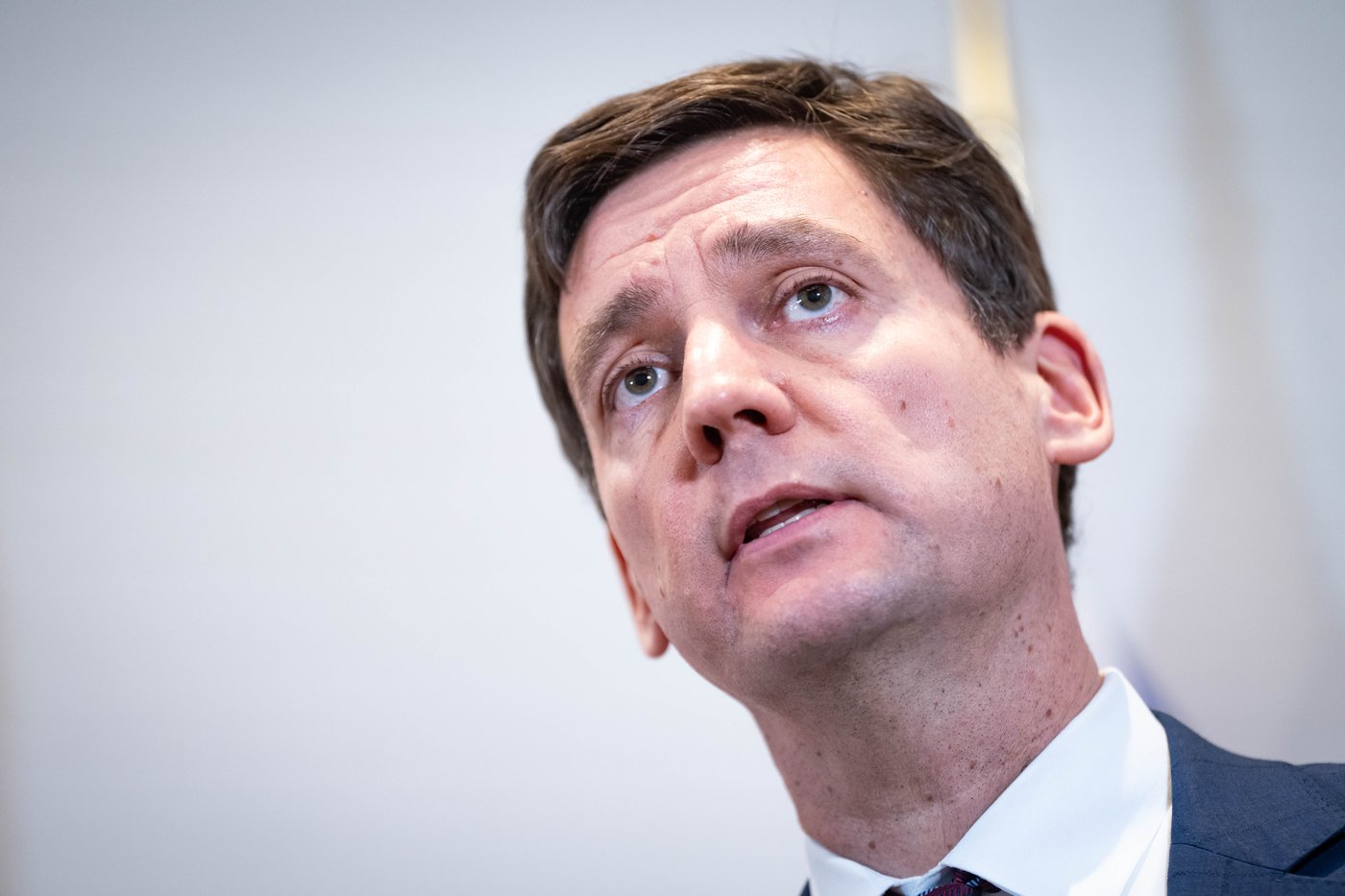
VICTORIA — British Columbia Premier David Eby said he’s sure his government will retain the legislature’s confidence and pass his plan to suspend sections of the Declaration on the Rights of Indigenous Peoples Act that he says pose a legal peril.
Eby’s NDP holds a single-seat majority in the legislature, but the premier told an unrelated news conference in Kelowna, B.C., on Wednesday that his caucus is “strong and united” about the need to pause the legislation known as DRIPA for up to three years.
“It is a confidence vote, absolutely, because this is work that we have to do as a government,” he said. “It is crucial, and we will have the votes that we need to pass this in the legislature,” he added.
DRIPA is legislation that requires the province align its laws with the United Nations Declaration on the Rights of Indigenous Peoples and passed in late 2019.
A leaked transcript of last week’s meeting between Indigenous leaders and Eby about his plans to suspend DRIPA shows them accusing him of “colonialism” and “fracturing the relationship” between First Nations and the province.
Eby said Wednesday that the issue is “incredibly challenging” for the three Indigenous MLAs in his government.
But he said they understand the “very serious litigation risk” flowing from the so-called Gitxaala ruling last year from the B.C. Court of Appeal on mining rules. The court said DRIPA should be “properly interpreted” to incorporate the UN Declaration on the Rights of Indigenous Peoples into B.C. laws “with immediate legal effect.”
Robert Phillips of the First Nations Summit has called on Indigenous members of Eby’s caucus to either stand down or vote against the pause.
One of those MLAs is Joan Phillip, whose husband, Grand Chief Stewart Phillip, has said that Eby’s efforts to change DRIPA represent an “absolute betrayal” of the “evolving relationship” with the NDP over the last decade.
When asked whether he talked to Joan Phillip about the issue, given her husband’s comments, the premier said that these “important conversations” have involved all MLAs.
“I respect Joan and all of our Indigenous members so much,” Eby said. “All of our caucus members recognize the importance of this work for the future of our economy, to lift up and create opportunities and jobs for British Columbians in every corner of this province,” he added.
The other Indigenous member of the NDP caucus are Minister of Environment and Parks Tamara Davidson and Cowichan Valley MLA Debra Toporowski.
Eby said during his meeting with First Nations leaders that his government plans to introduce the legislation to suspend the relevant sections of DRIPA next week, but did not confirm that timing when asked about it on Wednesday.
“We’ll be working with our First Nations partners, but we’ll be introducing it in plenty of time for thorough debate of the provisions on the floor of the legislature,” he said.
Last week, Eby backed away from a plan to amend DRIPA and now says the suspension to give time for the Supreme Court of Canada to hear an appeal on the Gitxaala case is the “least invasive” way of mitigating the ruling’s impact.
The premier said the ruling has already had impacts.
“We understand from the attorney general’s office that more than 20 notices of claim or other legal claims against government have been amended to incorporate the Gitxaala decision,” he said.
That is why government is taking these steps to suspend DRIPA, Eby added. “It is not something that we’re making up,” he said. “It is something that we have to do.”
Not everybody agrees. The leaked transcript from last week’s meeting shows one First Nation leader telling Eby that government’s interpretation of the Gitxaala’s case “seems like a serious misreading of the case, and misinformation to the public.”
That leader said that all the court did was to issue a declaration that the mineral claims regime and accompanying online registration system were inconsistent with the “principle of free, prior and informed consent” under UNDRIP.
The leader went on to say that the Gitxaala decision did not strike down the Mineral Tenure Act, nor did the decision set a timeline for alignment to happen.
“There were no damages awarded, so what liabilities are you actually speaking about? It sounds and feels like fearmongering,” the leader said.
Eby disagreed with the criticism, saying that the province is facing what he called a “litigation Tsunami” that would overtax the province’s resources.
This report by The Canadian Press was first published April 8, 2026.
News from © The Canadian Press, . All rights reserved.
This material may not be published, broadcast, rewritten or redistributed.

This site is protected by reCAPTCHA and the Google Privacy Policy and Terms of Service apply.
Want to share your thoughts, add context, or connect with others in your community?
You must be logged in to post a comment.