Elevate your local knowledge
Sign up for the iNFOnews newsletter today!
Elevate your local knowledge
Sign up for the iNFOnews newsletter today!
Select Region
Selecting your primary region ensures you get the stories that matter to you first.
The Okanagan has been in a chronic drought for years, but record low snowpack and lake levels in parts of the valley have raised concerns about what’s going on downstream.
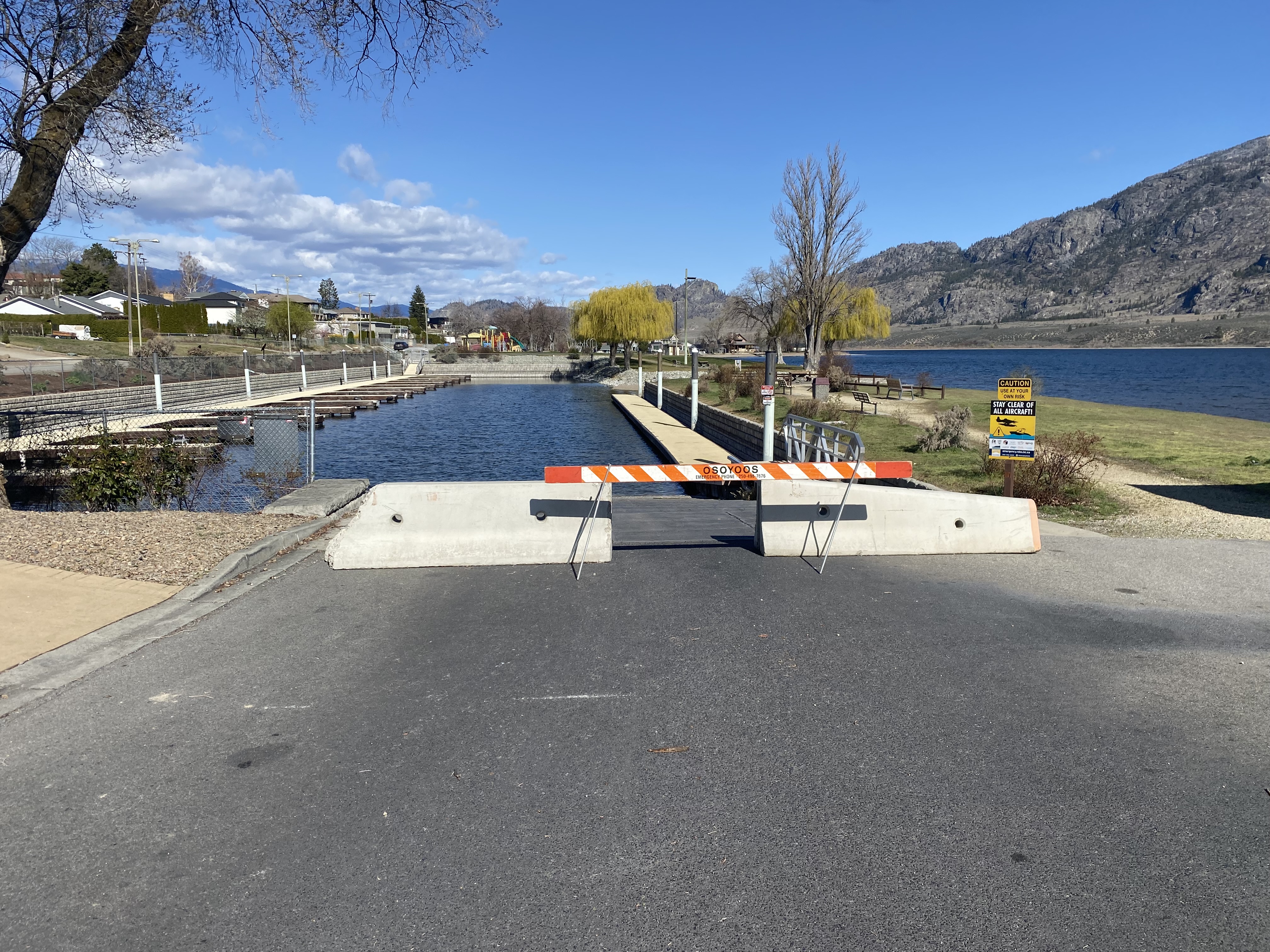
Osoyoos Lake hit a historic low, forcing the closure of the town’s boat launch, and the Brenda Mine monitoring station hit a new record low snowpack. The latest update from the River Forecast Centre shows that as of April 1, the Okanagan is at 58 per cent of normal snowpack, which is significantly lower than the provincial average of 92 per cent.
“The snowpack in the Okanagan is extremely low,” Lake Country mayor Blair Ireland told iNFOnews.ca. “Anybody who’s in the Alpine at all, and I’m a skier. I skied the last weekend at Big White. There’s not a lot of snow.”
Since Osoyoos Lake levels are so low, the Zosel Dam down in the U.S. has increased the outflow so that there is enough water downstream to protect Steelhead salmon spawning. The lake is right on the border so it’s controlled by the International Osoyoos Lake Board of Control.
“Okanagan Lake levels are currently within seasonal norms; however, low snowpack conditions and forecasted low inflows may limit release flexibility in the coming months,” the Ministry of Water said in an email. “Okanagan Lake is the primary upstream storage reservoir influencing flows to Osoyoos Lake.”
International Osoyoos Lake Board of Control said that while snowpack is low, it does anticipate lake levels to return to normal in the coming weeks as it begins to melt.
Okanagan Basin Water Board’s water science specialist Sandra Schira said snowpack levels are concerning, and Okanagan Lake is connected to Osoyoos Lake, but she isn’t worried about lake levels throughout the valley.
“The lake itself isn’t where we’re typically seeing the effects of drought first. That’s where most of the water in the valley sort of sits,” she said.
She said the real effects of the low snowpack likely will be dry soil conditions and a need for restrictive water management.
“Like in the soil, the plants, and all those sorts of areas. That’s where we’ll typically see the effects of drought,” she said. “It is looking like there are going to be drought conditions across a lot of the valley heading into spring and summer. How serious that looks in part depends on management decisions and what the different local water providers do. And also, just if there is rain.”
There are numerous water utility providers in the valley, and municipalities that pull water from different places, so Schira said people ought to find out where their water comes from and keep an eye on that.
“What’s really important is for people to be aware of what their local water supplier is doing,” she said. “What are the different restrictions they’re putting in place? Unfortunately, at this time, it’s not standardized across the valley what different drought stages mean. And so what that means in Kelowna might be different than in Penticton.”
The District of Summerland has already increased its drought level to three, meaning less water for things like agriculture and golf courses, and warned people it could go up to level four.
Ireland said the District of Lake Country is already preparing for drought conditions by having conversations with the agriculture community.
“They use more water than anybody and they’re reliant on that. So we need to have those conversations with them because, you know, agriculture is incredibly important to all of our communities,” he said.
Since the Okanagan has been in a drought for years, Schira said it will take years to recover from the type of dry weather we’ve seen this year comparable to when someone is trying to dig themselves out of financial debt.
“When you’ve been in debt or you’ve been overspending, it takes several really good paychecks sometimes to sort of pull you out of that deficit,” she said.
News from © iNFOnews.ca, . All rights reserved.
This material may not be published, broadcast, rewritten or redistributed.

This site is protected by reCAPTCHA and the Google Privacy Policy and Terms of Service apply.
Want to share your thoughts, add context, or connect with others in your community?
You must be logged in to post a comment.