Elevate your local knowledge
Sign up for the iNFOnews newsletter today!
Elevate your local knowledge
Sign up for the iNFOnews newsletter today!
Select Region
Selecting your primary region ensures you get the stories that matter to you first.
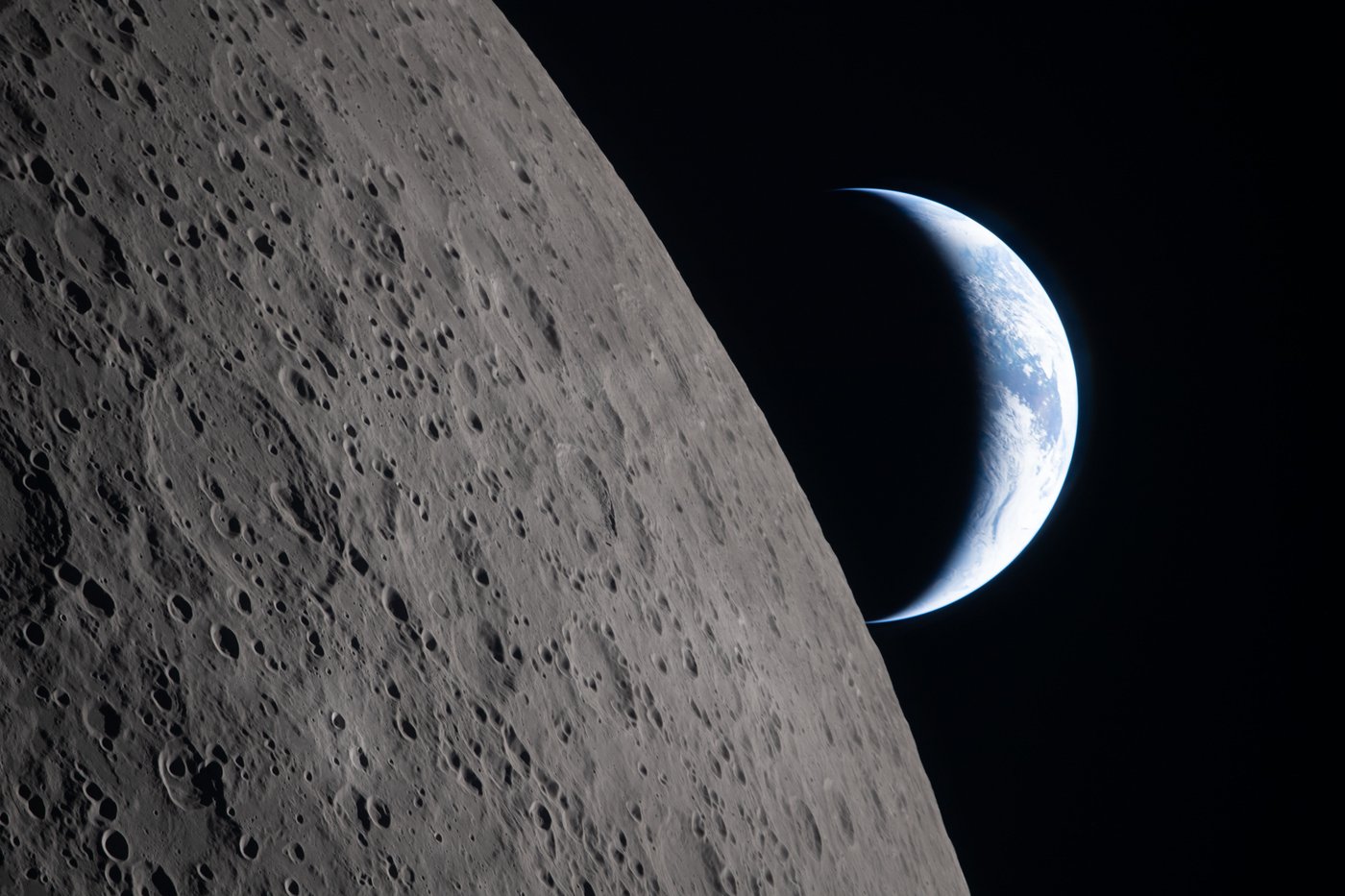
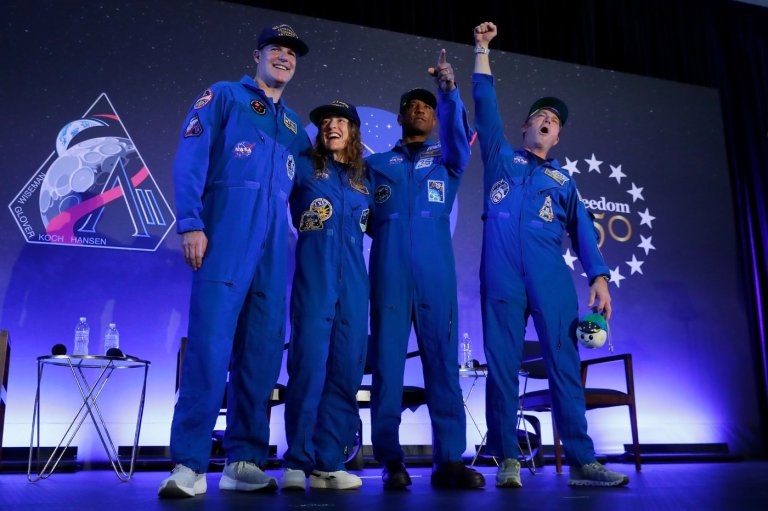
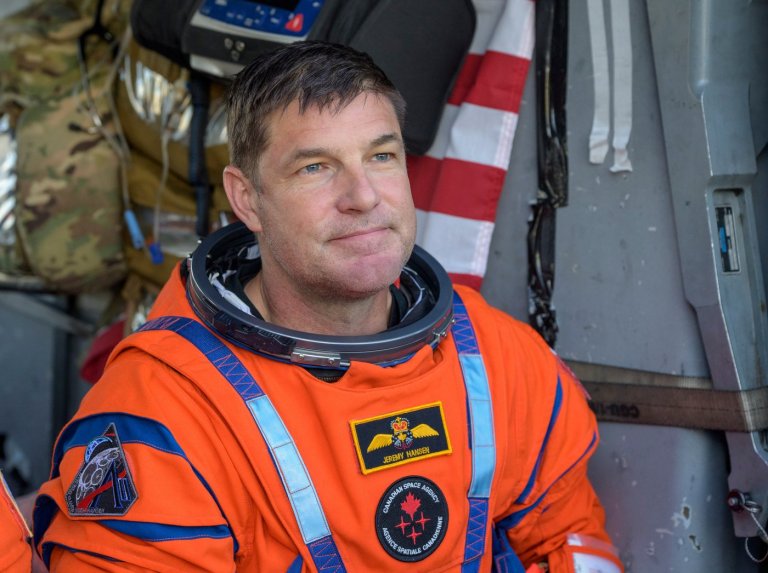
MONTREAL — Artemis II is back on Earth — and Canada had a seat on board — but its role in future lunar missions will hinge on how quickly it moves to build on current momentum, said a scientist involved in the Artemis program.
As NASA accelerated its lunar plans in the last few months, Western University geologist Dr. Gordon Osinski said Canada’s contribution will depend on acting quickly.
“If we want to be a part of Artemis, we need to make contributions and be useful,” he said.
That urgency comes after Canada’s successful participation in the program so far. “This gives incredible momentum,” said Caroline-Emmanuelle Morisset, senior scientist in lunar and planetary science at the Canadian Space Agency.
She said the public response in Canada to the mission was striking, calling it “really exciting,” and noting, “We felt that it carried everyone for 10 days.”
But Osinski said the key challenge now is turning that excitement into sustained involvement in NASA’s Artemis program.
“I really hope we capitalize off the excitement and public interest,” he said. “We’ve got to act quickly, not in 10 to 15 years, which is often the case with space projects.”
Looking ahead, Canada is developing a lunar rover, currently in early concept studies and being designed in coordination with NASA’s Artemis architecture. The rover would support both logistics and scientific work on the moon, with a potential launch timeline in 2034, said Morisset.
“We are in a full concept study for a utility rover that would go to the lunar surface,” she said. “We are also working with NASA to integrate it into the Artemis architecture. We are really planning this contribution to the lunar program.”
But Osinski said timelines will be critical if Canada wants to maintain its place in the program. “It’s got to be quicker, otherwise we’ll miss the boat,” he said, adding more need to be done.
”I don’t think that’s going to get us an astronaut seat to the surface of the moon.”
Osinski is already deeply involved in Artemis planning and is expected to play a key role in upcoming surface missions, including Artemis IV — the first crewed landing on the lunar surface in the current program architecture.
His role on the science team will include helping plan astronaut routes and lunar observations for the mission.
“I’m on the science team for what was, until recently, Artemis III, but it’s basically the first surface mission (in the Artemis program),” Osinski said. “It’s a big role.”
Morisset echoed that his involvement is significant for Canada. “It’s quite exciting,” she said, noting he is the only Canadian on the science team.
Osinski said his work on the mission has been underway for years.
“We’ve actually been working already for over two years now,” he said. “I’ve been playing a role in helping to select and characterize potential landing sites on the moon.”
That includes early sample strategy work and planning how lunar material will be processed and studied once returned to Earth and released to the international scientific community.
Beyond mission design, Osinski is also involved in training Artemis astronauts in geology, including classroom work and field exercises at analog sites such as northern Labrador and in Arizona.
“We’re still building the training program,” he said. “I’ll be helping co-ordinate that work.”
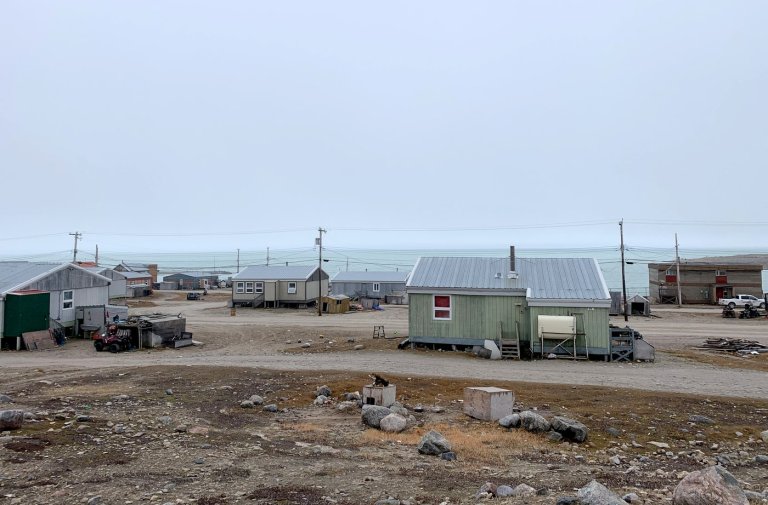
He previously helped train Artemis II astronauts using impact sites in northern Labrador, including the Kamestatin Lake crater, a rare anorthosite-rich structure that closely resembles lunar terrain.
“It’s a really unique site, an impact crater, which is the dominant landform on the moon,” Osinski said.
He said the training helped Artemis II astronauts sharpen how they described what they were seeing during their lunar flyby.
“Seeing all the astronauts give really excellent observations to mission control felt really good. I was proud,” he said.
Morisset mirrored that excitement.
“I couldn’t believe it,” she said. “From a scientific point of view, they could describe it live. I was blown away.”
This report by The Canadian Press was first published April 11, 2026.
—with files from William Eltherington
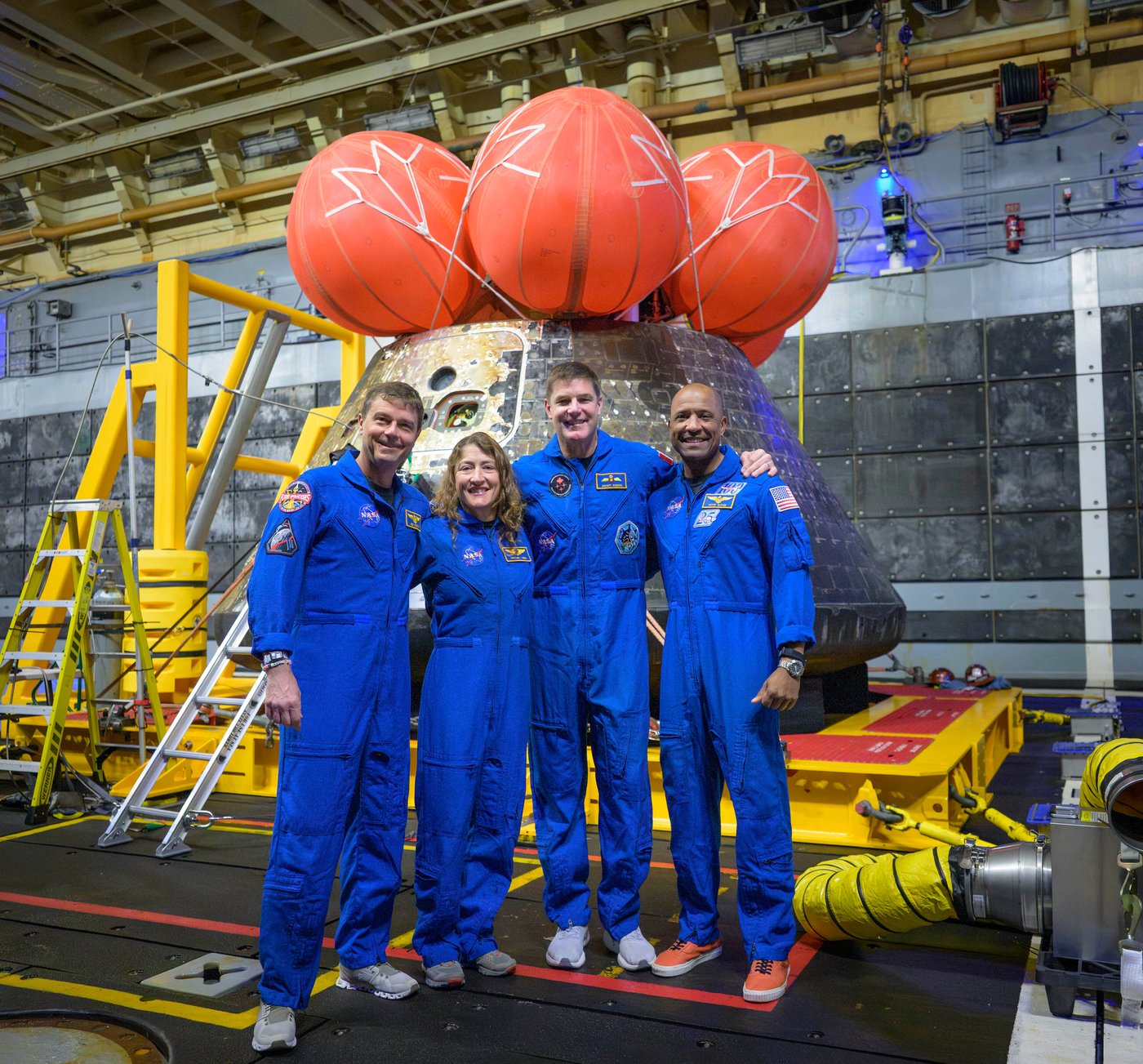
News from © The Canadian Press, . All rights reserved.
This material may not be published, broadcast, rewritten or redistributed.

This site is protected by reCAPTCHA and the Google Privacy Policy and Terms of Service apply.
Want to share your thoughts, add context, or connect with others in your community?
You must be logged in to post a comment.