Elevate your local knowledge
Sign up for the iNFOnews newsletter today!
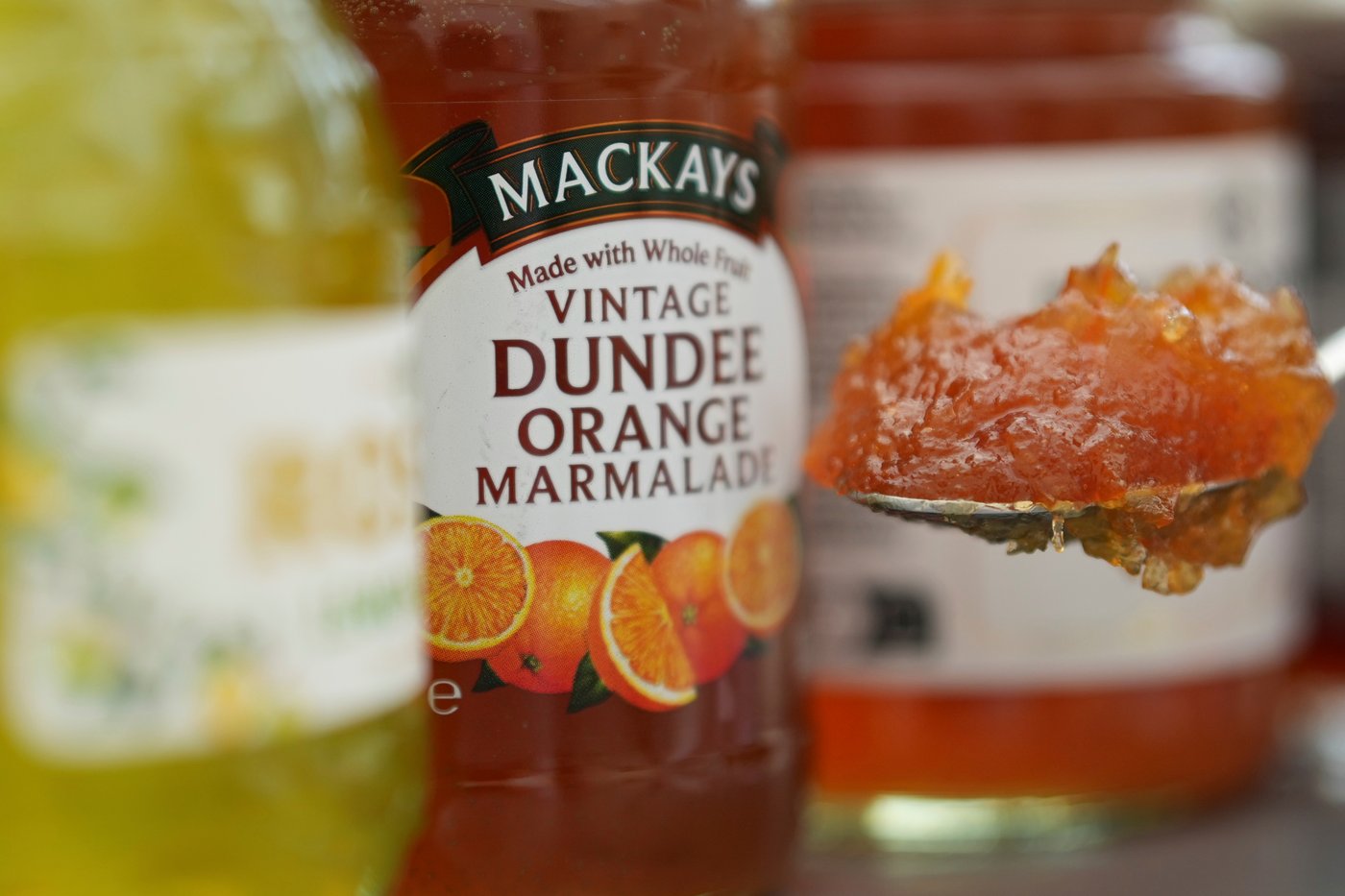
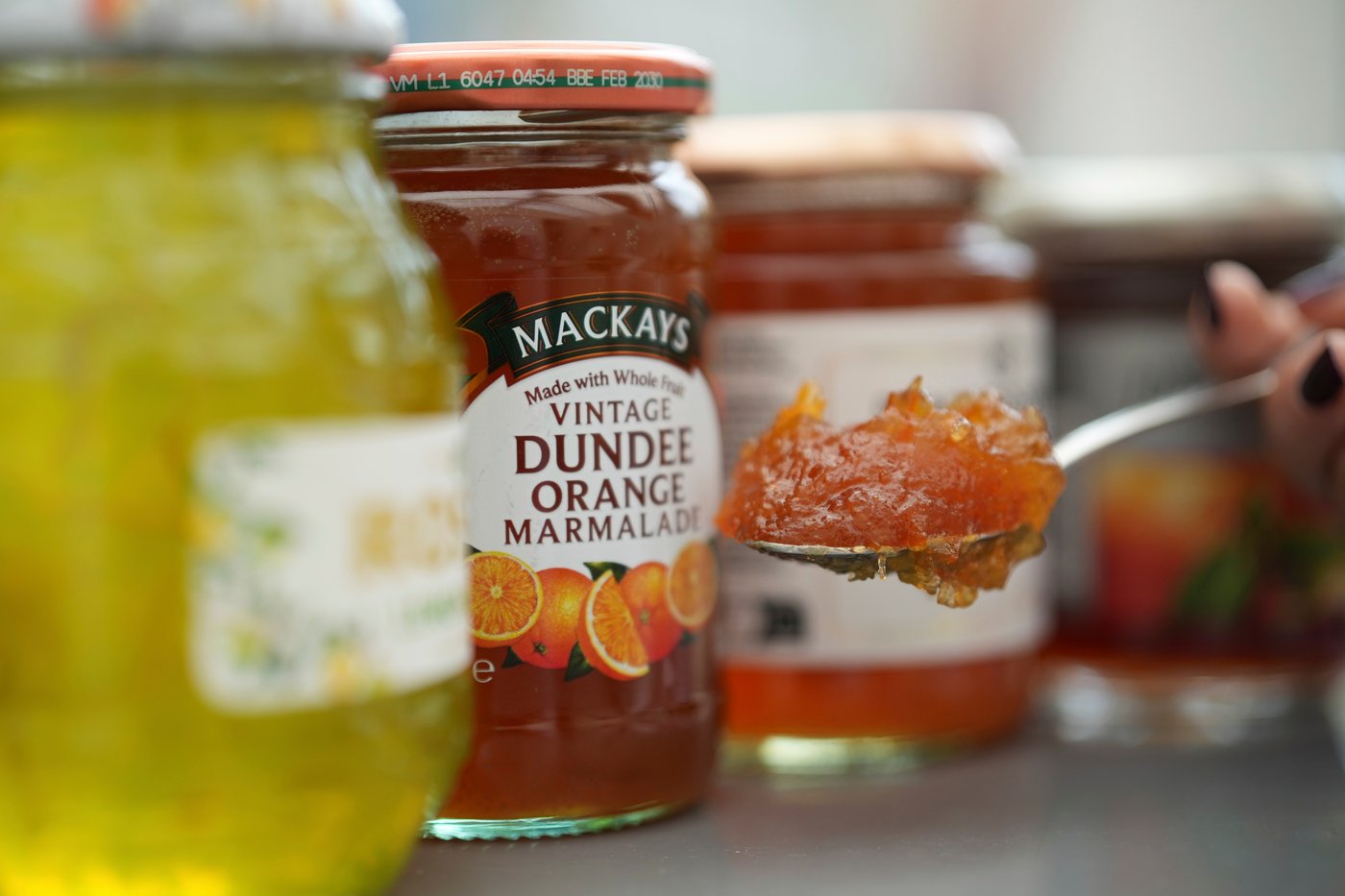
LONDON (AP) — Marmalade is proving to be a sticky subject in Britain as a debate simmers over changes to the definition of the beloved breakfast spread made of citrus fruits.
Lawmakers in the House of Commons on Wednesday expressed concern about marmalade’s future after media reports that U.K. Prime Minister Keir Starmer’s push for closer ties with the European Union could mean unwanted change for the tangy toast topping.
Along with being a breakfast-table staple, marmalade has achieved a special place in British culture as the favorite food of the fictional character Paddington Bear and a subsequent association with the late Queen Elizabeth II after the two appeared together in a short comedy video during her 2022 Platinum Jubilee celebrations.
Recent media reports say the preserve — most commonly made from the juice and rind of oranges — will have to be relabeled “citrus marmalade” under a food and drink deal with the European Union.
“What would Paddington think!” fumed the Daily Mail earlier this month. Opposition Conservative foreign affairs spokeswoman Priti Patel accused the government of “attacking the great British marmalade.”
Like many “euromyths” — stories about EU bureaucracy that are ever-popular in the British press — it has an element of truth.
The bloc has relaxed a rule — introduced at Britain’s request when it was a member — that had said only preserves made from citrus fruit could be called marmalade. Other preserves had to be labeled as jam, despite the fact that in some European countries, the name marmalade is applied to all fruit conserves. In German, for example, the word for jam is “marmelade.”
After Britain’s exit, the EU decreed that member states can also use the word marmalade for non-citrus fruit spreads, as long as the type of fruit involved is identified.
With Britain planning to align its food rules with those of the bloc as part of measures to ease post-Brexit trade, hence the conundrum.
Democratic Unionist Party lawmaker Jim Shannon lamented in Parliament that it was a case of “EU labeling interfering with our produce.”
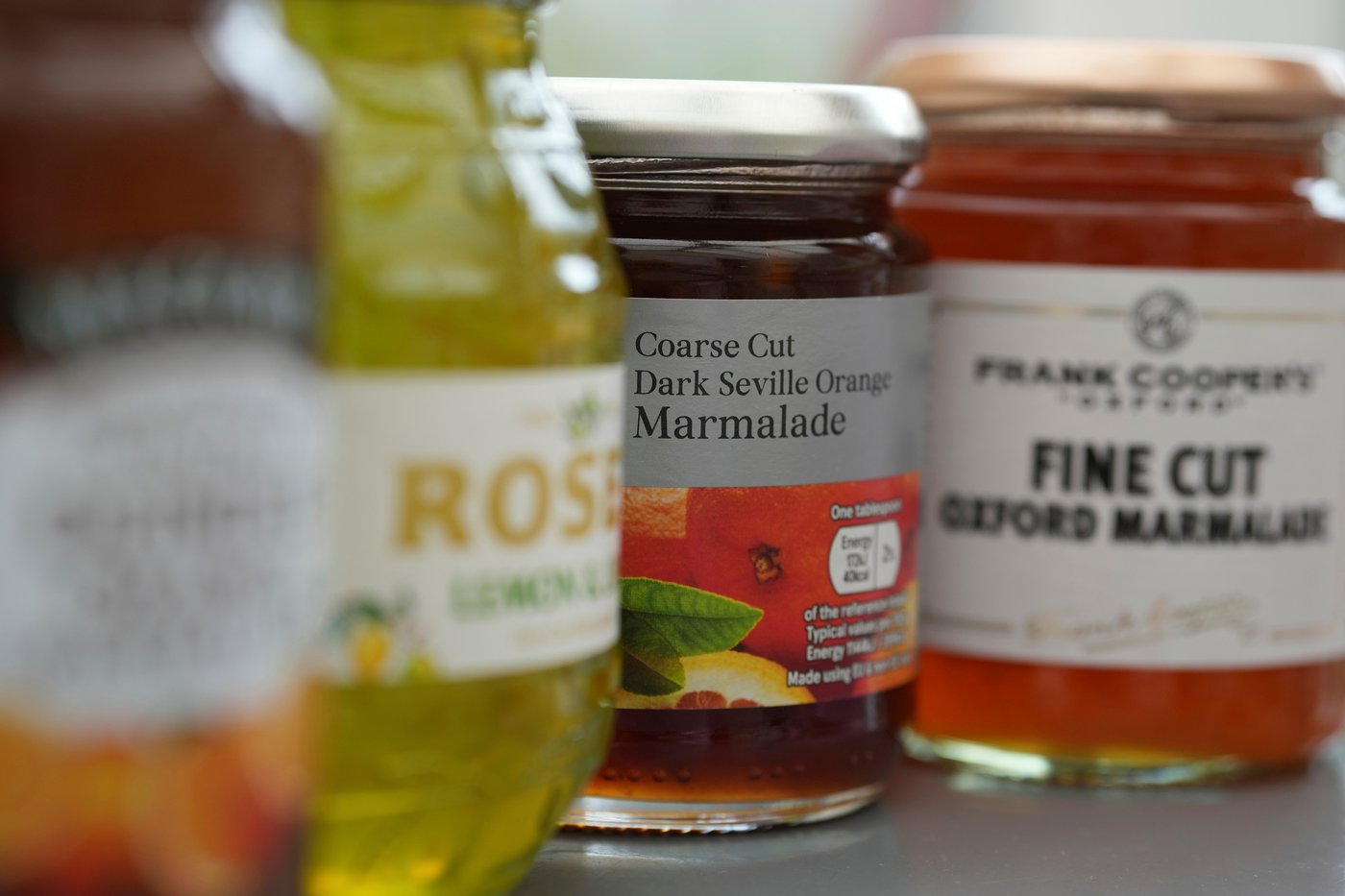
The U.K. government says marmalade sold in Britain is usually labeled “orange marmalade” or “Seville orange marmalade” and is already in compliance with EU rules.
Food Security Minister Angela Eagle said that there would be “a small change to our marmalade description rules,” but “the real-world impact would be minimal and consumers are unlikely to notice any difference.”
Opposition Liberal Democrat lawmaker Tessa Munt, who had called for Wednesday’s marmalade debate, was more concerned about protecting the integrity of this “distinctly British product.”
She urged the government to ensure that “only citrus fruits can precede the world marmalade on labels.”
“I have seen strawberry marmalade and all sorts of pear marmalade” in one upmarket grocer, she exclaimed. “This is rubbish. There’s no such thing.”
News from © The Associated Press, . All rights reserved.
This material may not be published, broadcast, rewritten or redistributed.

This site is protected by reCAPTCHA and the Google Privacy Policy and Terms of Service apply.
Want to share your thoughts, add context, or connect with others in your community?
You must be logged in to post a comment.