Elevate your local knowledge
Sign up for the iNFOnews newsletter today!
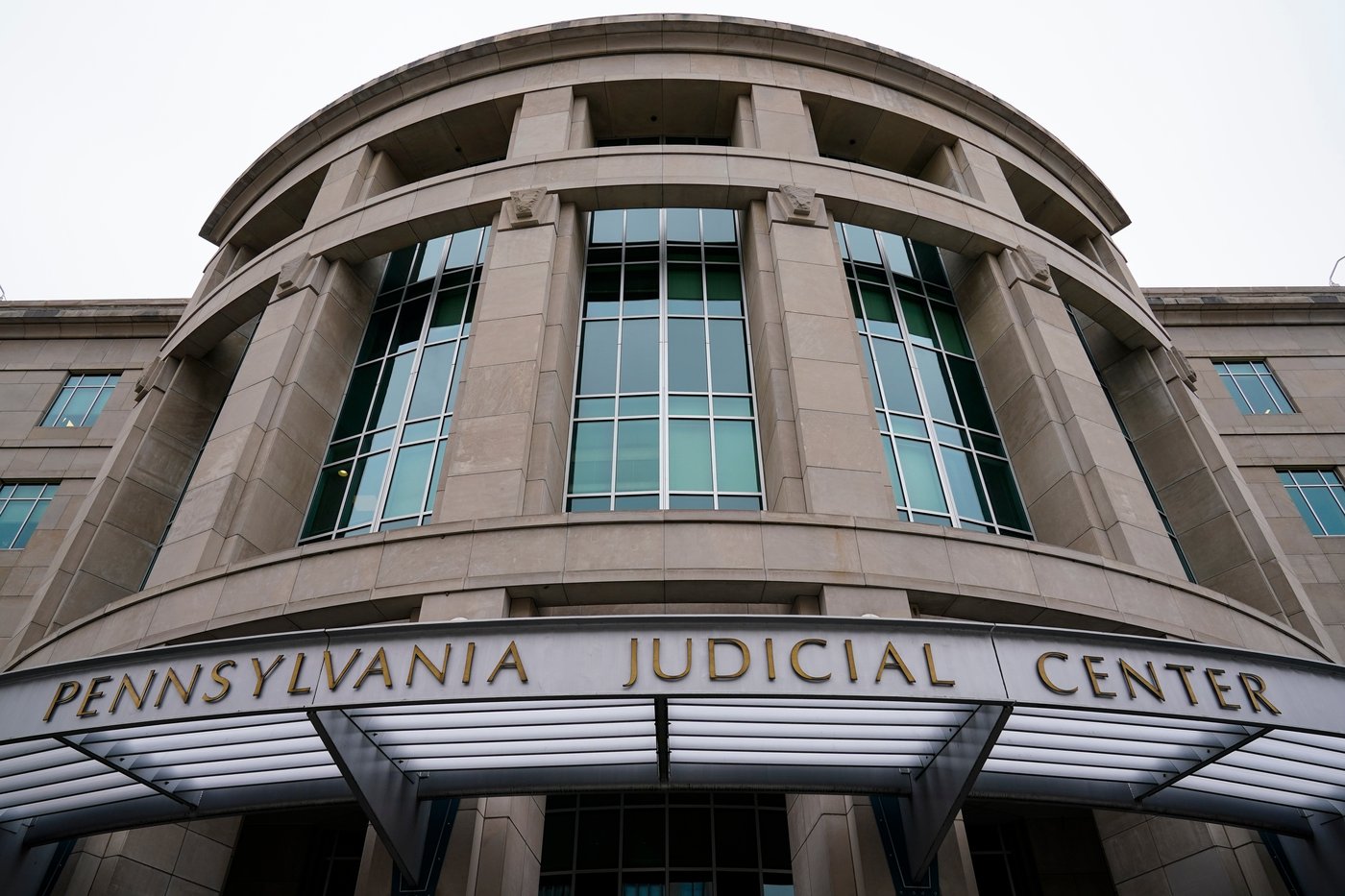
A Pennsylvania court on Monday said that the state’s constitution guarantees a right to abortion while striking down a decades-long law banning the use of state Medicaid funds to cover abortion costs.
The ruling by a divided seven-judge panel of the appellate-level Commonwealth Court is a major victory for Planned Parenthood and abortion clinic operators who first sued Pennsylvania over its Medicaid funding restrictions in 2019.
While the case initially centered over state Medicaid limitations, the stakes significantly expanded after the U.S. Supreme Court in 2022 ended nearly a half-century of federal abortion protections by overturning Roe v. Wade.
The court’s finding on Monday marks the first time that the right to an abortion is protected by the Pennsylvania constitution, joining a handful of states where reproductive rights advocates have found success in protecting abortion access by pointing to state constitutions.
The case could still be appealed to Pennsylvania’s Supreme Court.
“Today, our Commonwealth Court, looking at the Pennsylvania constitution, held that there is a right to reproductive autonomy, and it’s the highest possible level of a right,” said Susan Frietsche, executive director of the Women’s Law Project, which helped represent the clinics.
A spokesperson for Attorney General David Sunday, a Republican, said the office was reviewing the decision and did not say whether it would appeal.
Democrats roundly praised the decision, as did abortion rights advocates.
“I’ve long opposed this unconstitutional ban, and as Governor, I did not defend it — because a woman’s ability to access reproductive care should never be determined by her income,” Gov. Josh Shapiro said in a statement.
The likely Republican nominee to challenge Shapiro in the fall general election, state Treasurer Stacy Garrity, said in a statement that the court’s decision “to force our tax dollars to pay for abortions is not only misguided, it is immoral.”
In 2019, plaintiffs asked the court to order the state’s Medicaid program to begin covering abortions, without restriction, arguing that a 1982 Pennsylvania law restricting state Medicaid funding violated the constitutional equal protection rights of low-income women.
The case has since taken several turns, with a lower-court ruling in 2021 that the plaintiffs did not have standing and also saying that they were bound by a state Supreme Court 1985 decision upholding the 1982 law.
However, in 2024, the state Supreme Court overturned the lower court’s ruling and also determined that previous court decisions did not fully consider the breadth of state constitutional protections against discrimination beyond those provided by the federal constitution.
The seven judges on the lower court who heard the case largely sided with the plaintiffs on Monday. The majority opinion said the state should invest in maternal and infant health care and other resources if it believes that women should carry a pregnancy to term.
The attorney general’s office had argued that the state had an interest in “protecting fetal life” and that the Medicaid coverage exclusion helped support that goal.
“If the state believes certain medical procedures may psychologically harm women, the state can license, regulate, and educate around such care. That is less intrusive than taking an entire medical procedure off the table categorically for some women, some of whom may benefit from that procedure — a fact the Attorney General does not dispute,” the majority opinion said.
Abortion opponents quickly criticized Monday’s decision.
“By declaring a sweeping constitutional ‘right to reproductive autonomy’ and mandating taxpayer-funded abortion through Medicaid, the court has overstepped its authority, ignored the plain text of our state constitution, and forced millions of Pennsylvanians who believe life begins at conception to subsidize the killing of unborn children,” said Michael Geer, president of Pennsylvania Family Institute, which opposes abortion rights.
In Pennsylvania, abortion is legal under state law through 23 weeks of pregnancy.
News from © The Associated Press, . All rights reserved.
This material may not be published, broadcast, rewritten or redistributed.

This site is protected by reCAPTCHA and the Google Privacy Policy and Terms of Service apply.
Want to share your thoughts, add context, or connect with others in your community?
You must be logged in to post a comment.