Elevate your local knowledge
Sign up for the iNFOnews newsletter today!
VANCOUVER —
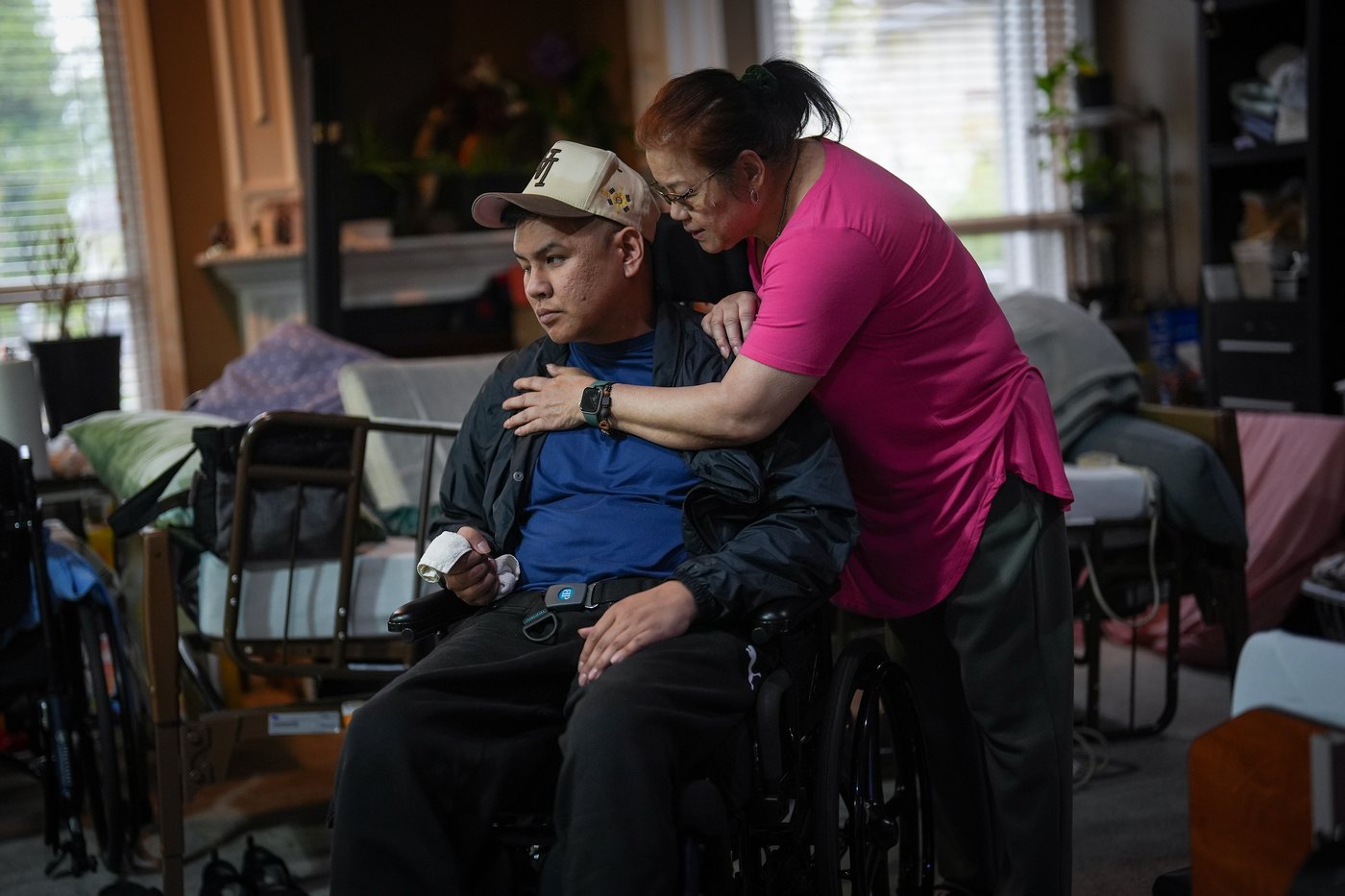
At a South Vancouver long-term care home, Jhosie Sico has forgotten what proper sleep feels like, because she now gets up in the middle of the night to change her 30-year-old son’s diaper and help turn his body.
She never imagined her retirement would be like this before AJ Sico suffered a traumatic brain injury, broken legs and other shattered bones in a car-ramming attack at Vancouver’s Lapu Lapu festival last April 26.
“I have to take care of him, 24-7, more than full time. It’s like, I’m back to taking care of a baby,” she said.
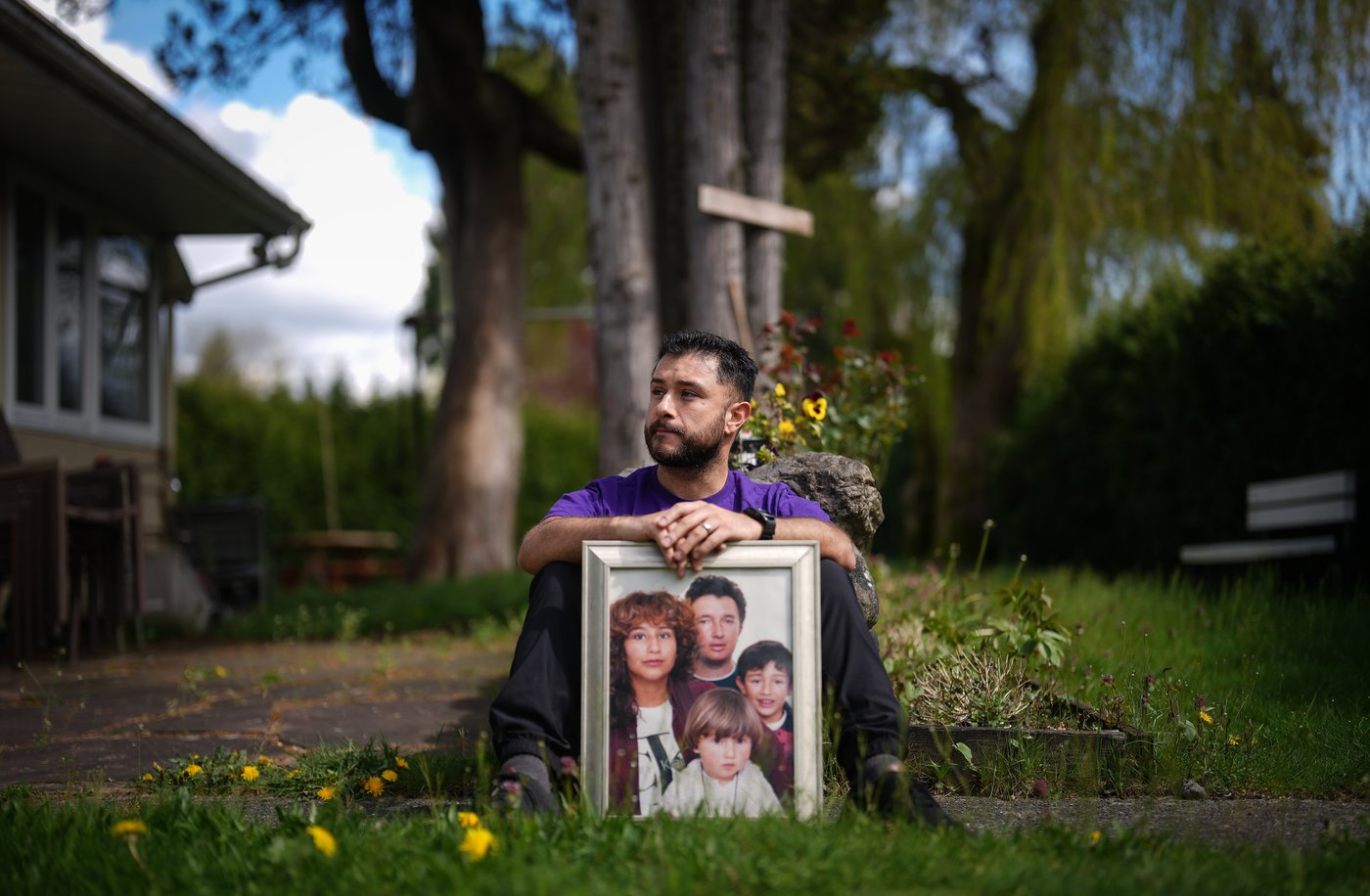
Cherry blossoms are transforming springtime Vancouver into a sea of pink and white. But 35-year-old Alejandro Samper prefers to spend part of the spring in his late parent’s home country of Colombia.
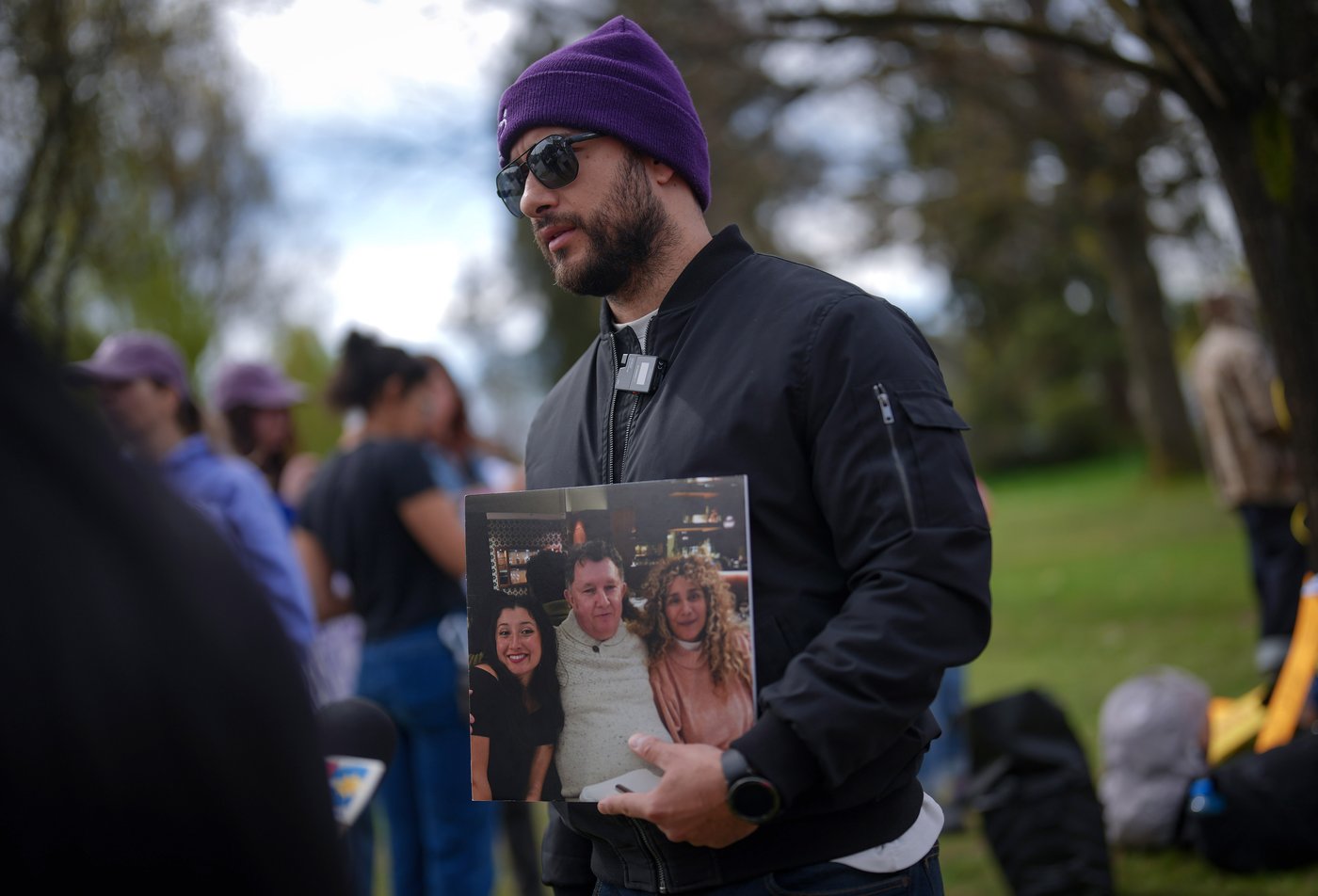
Spring in Vancouver only brings back painful memories, since the loss of his mother, father and sister in the attack.
“Every day I break, I cry, feel very intense pain, but I’m still here, right? So, I’m doing the best I can just to survive and live through this,” said Samper.
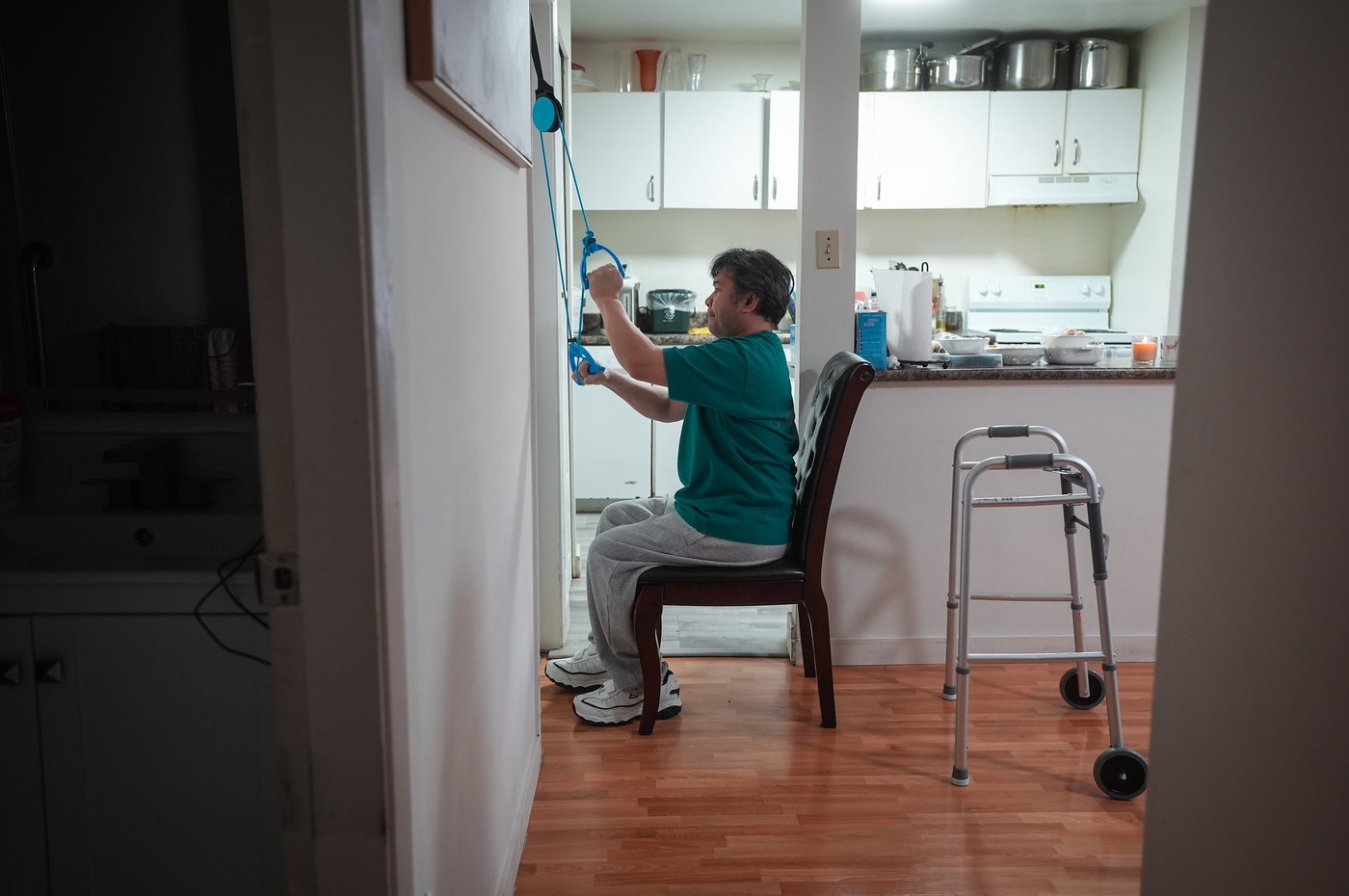
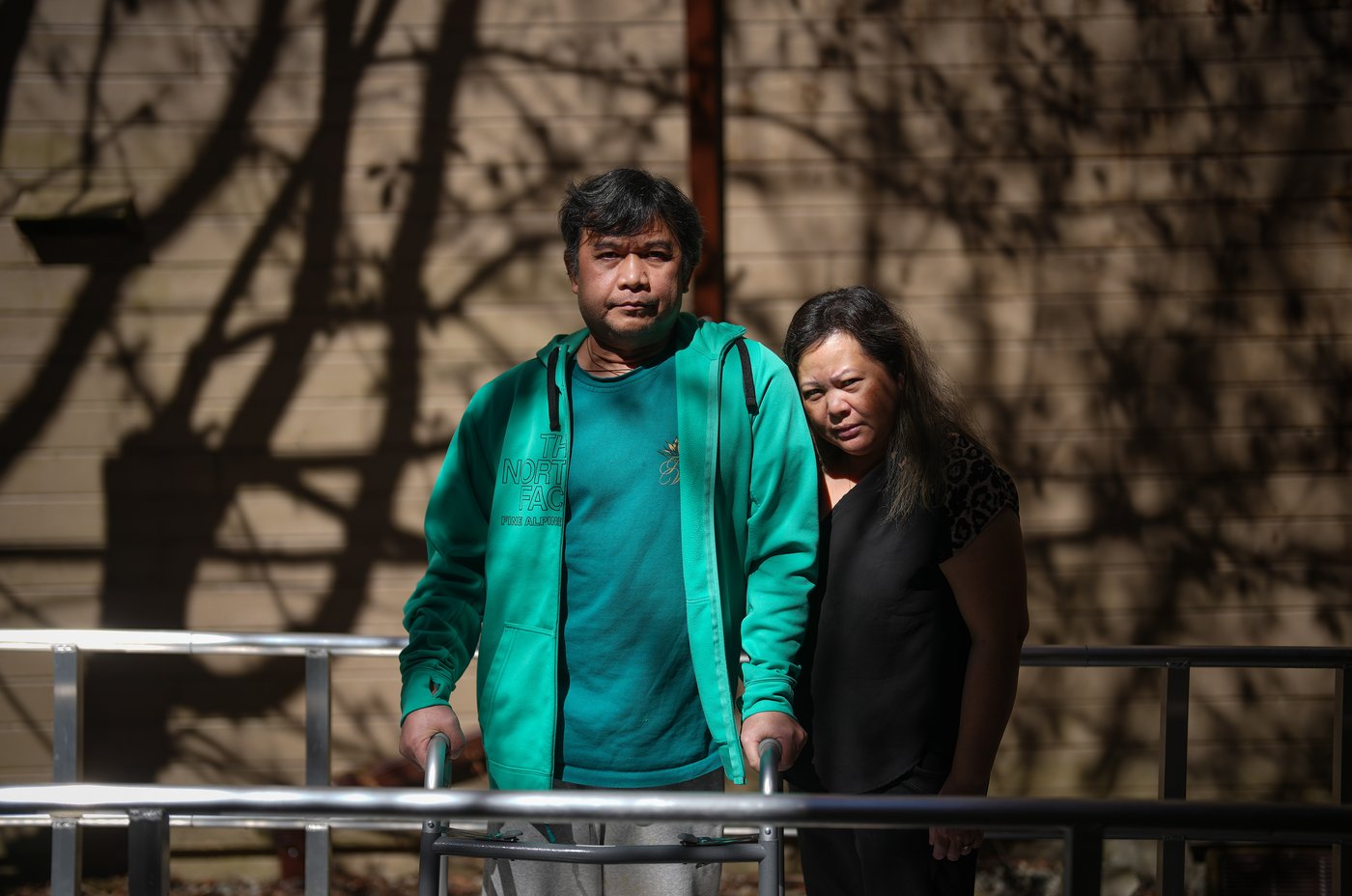
In Burnaby, 54-year-old Roland Nulada is learning how to talk and walk again at his home. He pushes his walker one step at a time as his wife, Carlyn, anxiously follows, celebrating the achievement.
“Life isn’t the same anymore after the tragedy,” said Carlyn Nulada, whose husband suffered a brain injury, a fractured skull, a broken right arm, and a broken right leg in the attack.
A year after the Lapu Lapu tragedy, healing remains elusive for its victims, their families, and the Filipino community that had been celebrating the event named after a national hero when a black SUV plowed through the crowd, killing 11 and injuring dozens.
Rev. Francis Galvan, the pastor at Sacred Heart Parish in Delta, B.C., said there are “so many broken relationships,” divisions and anger in the community following the attack.
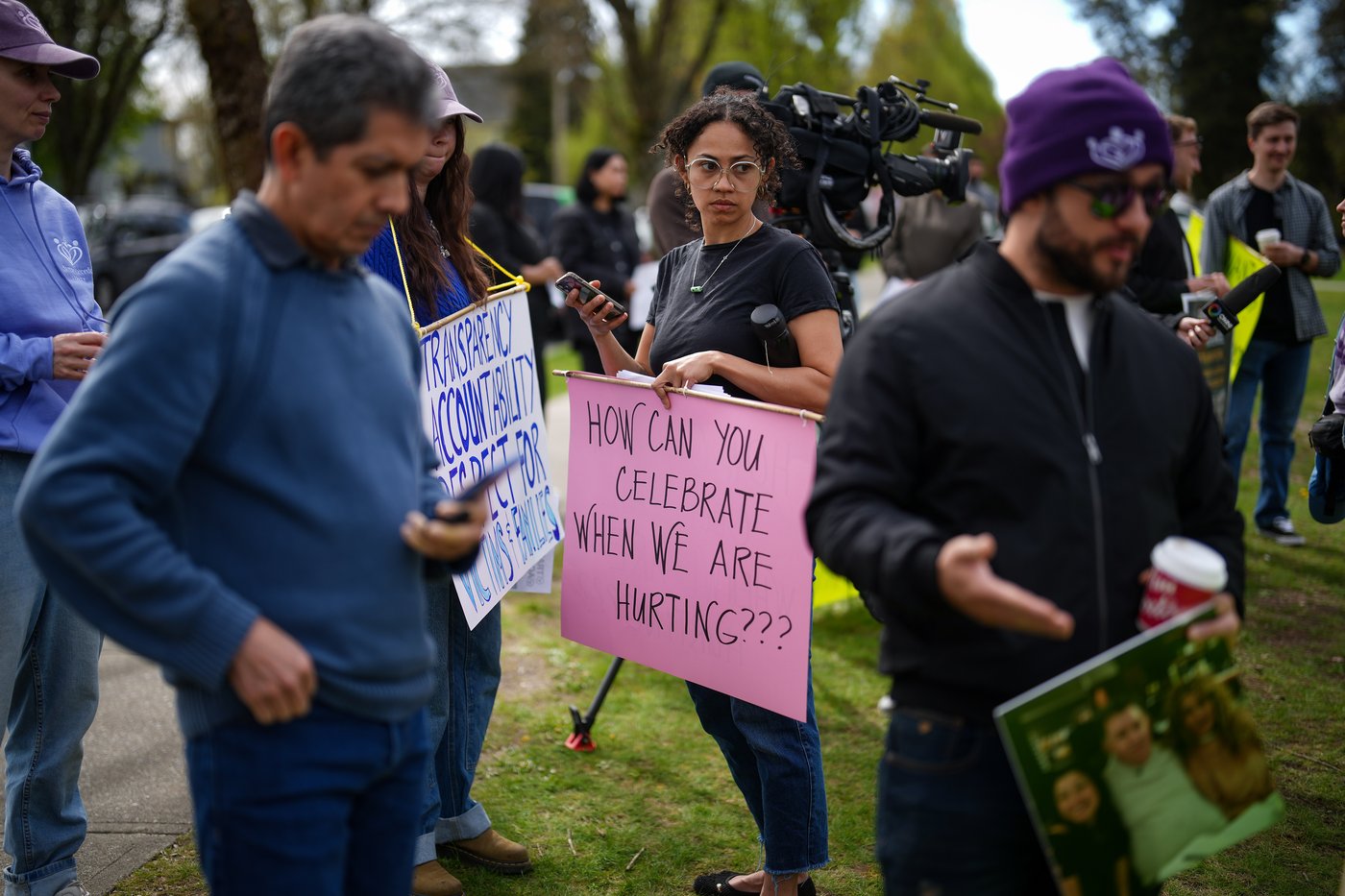
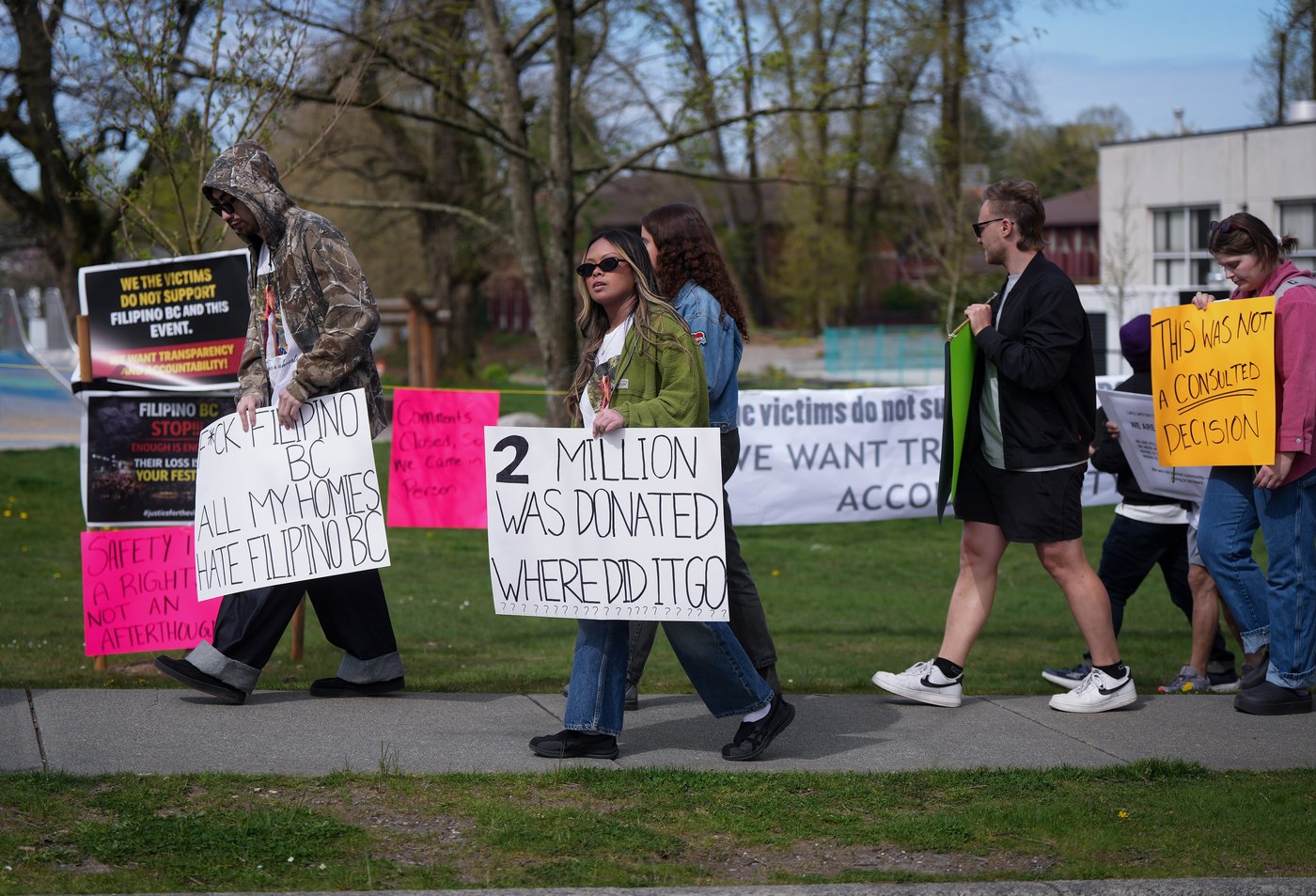
Instead of unity, there were protests at the recent Lapu Lapu Day of Togetherness over whether it should have gone ahead, a week before Sunday’s anniversary of the attack.
There have been divisions and rival proposals about where to build a Filipino community centre. Some victims and relatives have denounced the handling of donations, feeling neglected by the process and upset by spending of donations on things like healing circles and art therapy that they say ignore their needs.
Galvan said the fallout from the attack has been like a continuation of the tragedy. The divisions and disagreements can’t be easily solved with a community centre or another fundraiser, although they matter, he said.
The priority should be compassion and sensitivity to the needs of victims and families, Galvan said.
“The victims and their families, especially those who have died, they have no more voices to say anything,” said Galvan, “That’s why we pray for them, we become their voice and their family members.”
Adam Kai-Ji Lo has been charged with 11 counts of second-degree murder and 31 counts of attempted murder for the attack. No trial date has been set.
‘DOING EVERYTHING I CAN TO JUST SURVIVE’
Alejandro Samper said his parents were the “most generous, kind, beautiful people you would ever meet.”
“They touched everyone’s heart. Anyone who would meet them would instantly be drawn to them. They loved helping other people in need. They loved helping animals. They were truly amazing, incredible people.”
Samper said healing will be a “lifelong process,” since “every day the pain is there, and it’s just as intense as the first day.”
“I’ve done a lot of inner work, a lot of healing ceremonies, a lot of counselling, a lot of travelling back home to my country to reconnect with my roots, my family, doing everything I can to just survive and really to just heal,” said Samper.
The long path to healing is a common thread among the experiences of both survivors and victims’ families.
On the fifth floor of the South Vancouver care home, Jhosie Sico pushes AJ’s wheelchair to a balcony where he could bathe in the sun.
He was blasting his favourite Bruno Mars songs on his phone. Jhosie hitched up Sico’s pants, revealing deep scars left on both of his legs that required skin grafts.
AJ, who suffered a stroke in addition to his injuries, paused the music and looked out of the window. His mother gently touched his face.
“It’s like a nightmare that you’re not able to wake up, right?” said Jhosie Sico, who is now providing round-the-clock care for her son, and whose cousin, Jendhel Sico, was one of the 11 who lost their lives.
Communication is hard. AJ struggles to express himself, except for saying the word “open.”
Jhosie Sico said the word could mean many things; she has to listen attentively to figure out what. Maybe he wants to use the bathroom, or is hungry, or is asking for something else.
“When we don’t get it, he’s frustrated. We’re just screaming,” she said.
Roland Nulada said he misses the simple joys of life — picking up his three children from school, going to Victoria or Salt Spring Island for a family camping trips.
He also misses his former job as a health-care assistant at Lions Gate Hospital in North Vancouver.
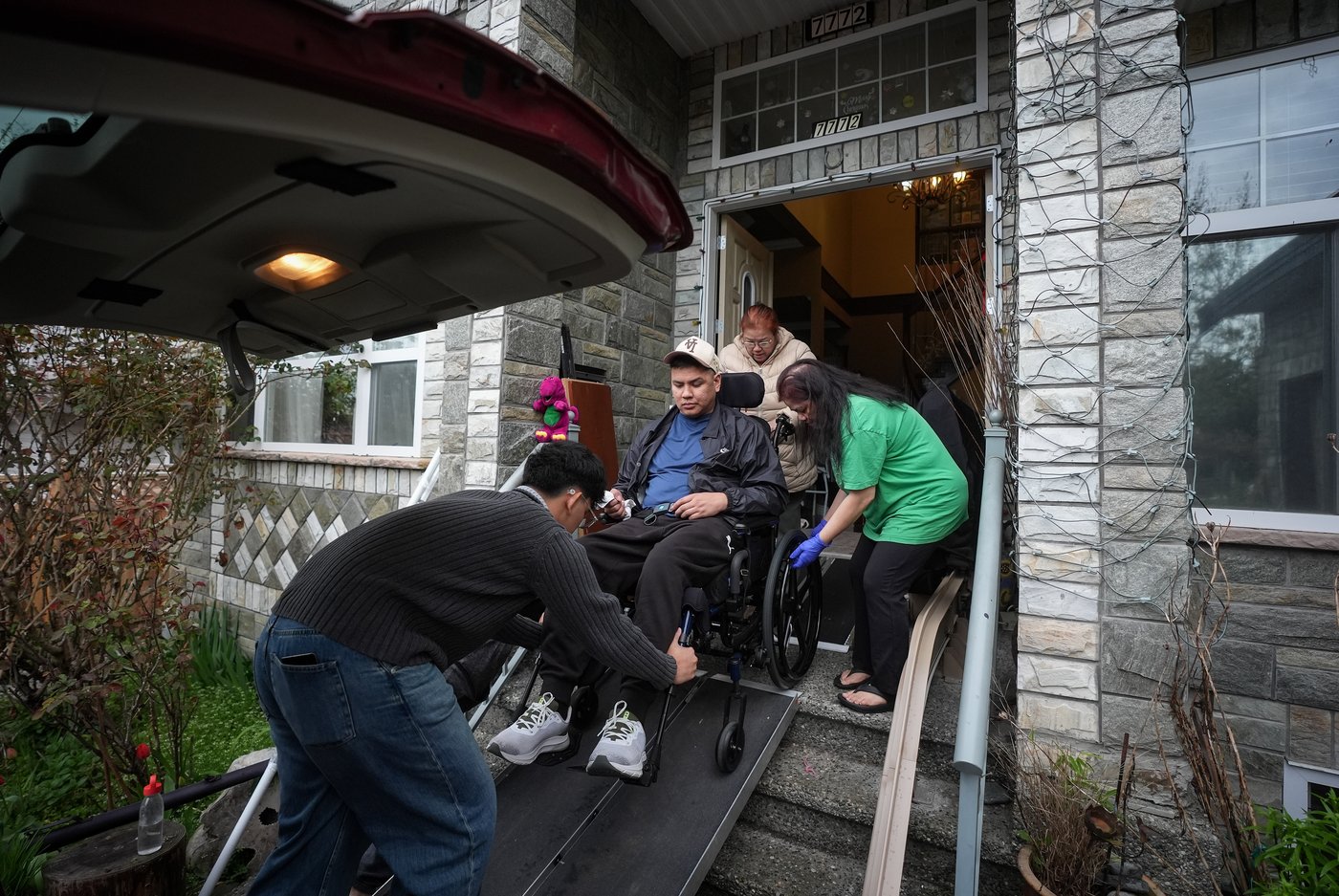
Now, he relies on a walker and his wife to use the washroom, take a shower, and explore his neighbourhood. If the weather is nice, Carlyn Nulada takes him out in his wheelchair to a local shopping mall or to church.
“That’s everyday routine for us, but it’s not really the same,” she said, shaking her head.
Her husband still can’t remember what exactly happened to him on the day of the attack.
It has left the couple and their three children under financial strain. Nulada can’t return to work, and Carlyn, also a health-care assistant, has been hustling every day to keep up with mortgage payments and put food on the table.
Then there is the trauma. Their teenage daughter was at the scene of the attack, and saw Nulada lying on the street. Now she is frightened by sirens or cars that speed by.
‘SALT IN THE WOUND’
RJ Aquino, chair of the Filipino BC, had hoped that last Sunday’s Lapu Lapu Day of Togetherness at the Italian Cultural Centre in East Vancouver would be a moment for “bayanihan,” or community spirit.
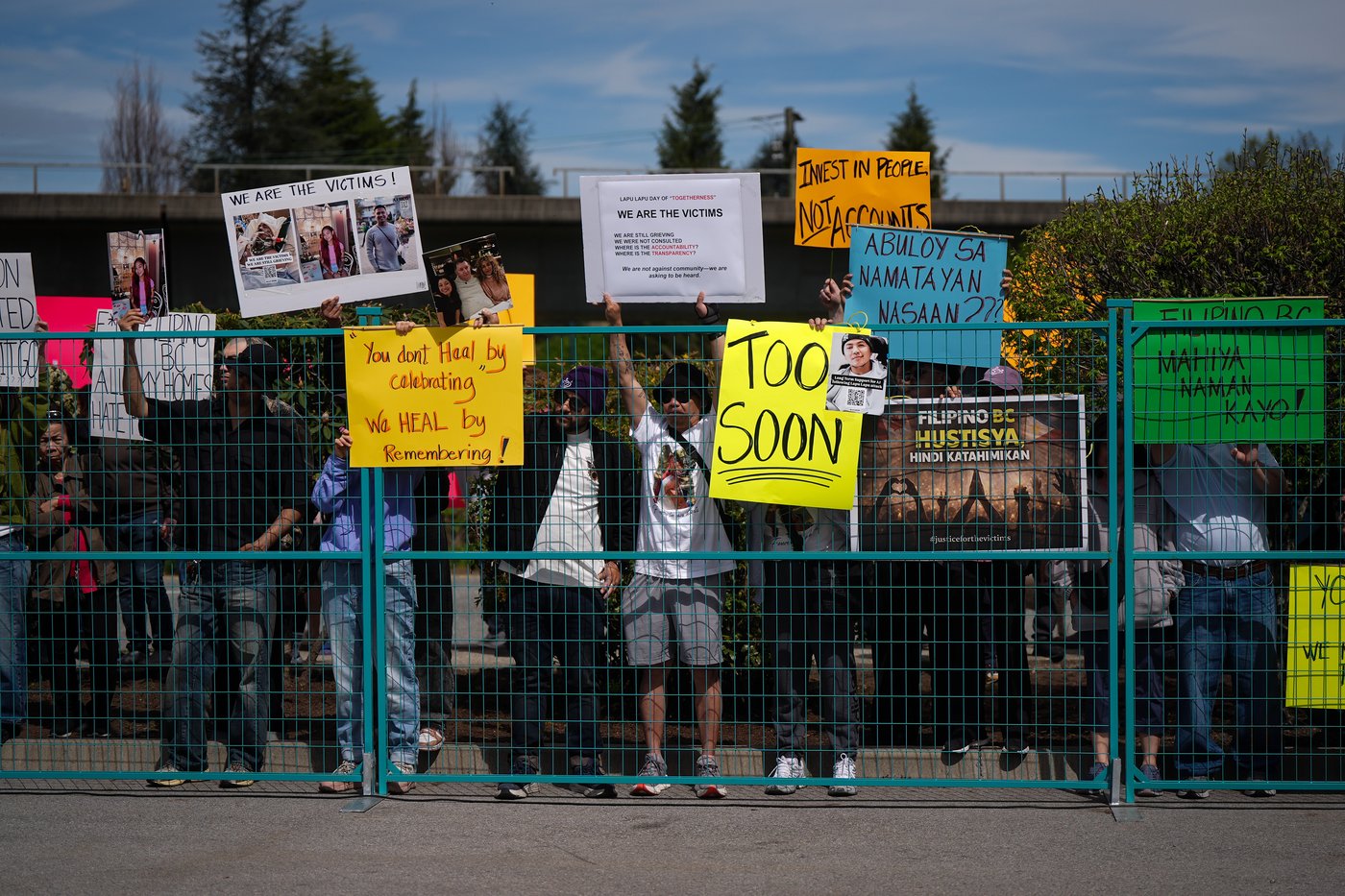
Instead, he and others were booed by dozens of protesters, shouting “where is the money” through a security fence surrounding the venue.
Among the protesters were survivors and relatives who questioned the distribution of more than $2 million in donations, that were mostly handled by United Way BC.
Sandra Gumbo was a volunteer at last year’s celebration, but said that proceeding with this year’s event was a mistake, and that organizer Filipino BC was being “hypocritical” and using the event to raise money.
“Please don’t use the victims and say you are doing this for them because you are not,” said Gumbo, who came from Burnaby to join the protest.
Filipino BC said in a statement that the day of togetherness was centred on “reflection, care, and community connection,” and while they recognize some in the community felt it was too soon to gather, others believed coming together was an important part of healing. There were commemorations in the morning, before cultural events, performances and food later.
“We will never forget what happened, and today is not about forgetting or rushing forward. We hope today will be about showing up for one another in community, in bayanihan, and in the many ways, healing can look different for each person,” Aquino said at the event.
Mable Elmore, who represents Vancouver-Kensington in the legislature and is of Filipino heritage, was at the protest, as were survivors and former volunteers and board members with Filipino BC.
Samper said the event “was very traumatizing.”
“It was like poking your broken heart already,” said Samper. “I don’t think they care. I don’t think they understand what we’re going through. I think they’re just following their agendas and how to make more money, but helping us very slightly.”
Jhosie Sico said she begged the organizer to stop this year’s event, and seeing them circulating event posters and information felt like “putting the salt in the wound.”
United Way BC, which launched the Kapwa Strong Fund last year in the aftermath of the tragedy, said in a statement that it had raised more than $1.64 million. The funds were disbursed to organizations “providing programs and services that support longer-term healing and recovery, as identified by the community.”
That included thousands of dollars for healing circles, art therapy and yoga.
United Way BC said an additional $450,000, raised by donors, has been distributed to Filipino BC.
Samper said he received $3,000 from the Filipino BC about two or three months into the tragedy, while Carlyn Nulada said she only got two $500 gift cards from Filipino BC for groceries.
Jhosie Sico said Filipino BC covered about $40,000 in accommodation costs so the family wouldn’t have to sleep on the floor of Vancouver General Hospital during her son’s protracted stay.
But Samper said the fate of the donations wasn’t just about money.
“It is about trust,” he said. “Many are asking whether funds given in a moment of crisis were used in the way people believed they would be used.”
Elmore said the funds were initially raised with the intention of supporting victims and survivors, and they deserved answers.
A report published by United Way BC said the donations had been distributed to about 40 agencies that provide support.
“Our funding decisions have been guided by Filipino community leaders and organizations, based on the supports they identified as most needed for longer-term recovery,” read the statement.
“These have included counselling, healing circles, shared storytelling, art-based healing, and youth and family programs, which are widely recognized as effective in supporting collective trauma recovery.”
But Samper said things like art therapy and “other countless programs” were “completely irrelevant” to what victims and their families were going through.
Filipino BC said in a written statement that as a registered charity, it could not provide unrestricted cash payments to survivors.
“Instead, we work closely with families to cover eligible expenses directly or through service providers, in accordance with charitable tax regulations,” read the statement.
Filipino BC said funding remained available for those affected by the attack, and many individuals had already been pre-approved for financial assistance but may not have been able to reconnect with their case manager or complete the next steps.
“We understand that navigating these processes can be difficult, and we encourage individuals to respond to their case manager or reach out to the care team when they are able so we can continue to support them,” read the statement.
It said it had initiated an independent third-party audit related to the donations and “will share the results once complete.”
Sico said they had reached out to their case manager multiple times this year, but never got a reply.
Some former board members of Filipino BC resigned in late September, citing a lack of transparency and accountability over fundraising.
One of them, Antonio Ortega, wrote to the Filipino BC on Dec. 16, asking for a detailed accounting of all funds raised for victims and full disclosure of all disbursements.
“I cannot compromise my principles and values,” said Ortega, who later founded the Lapu-Lapu Society of BC and now serves as its president.
Aquino said people shouldn’t have to rely on a small not-for-profits like Filipino BC for support.
“It should be with the government. It should be with Crown corporations that are structured to really provide the help that people need,” said Aquino.
“The framing that ‘Filipino BC is going to provide these bigger long-term supports is misleading because it’s unfortunate that the government hasn’t, again, formulated a plan,” added Aquino.
United Way BC, meanwhile, said it had heard from community members about their desire to see more funds directed to personal needs. In response, they were distributing the final $100,000 in the Kapwa fund to the United Filipino-Canadian Associations in BC, an organization directly supporting people most affected by the tragedy.
Arcie Lim, president of the umbrella organization representing more than 65 Filipino Canadian associations and community groups across B.C., said they received the $100,000 recently, and their member associations have launched separate fundraising bringing the amount of donations to $229,000 in total.
Lim said they have been working with the Vancouver police to identify victims, and donations were in the process of being directly provided.
Carlyn Nulada confirmed a case worker from the United Filipino-Canadian Associations had contacted her, and although she didn’t know how much money her family would receive, it was a promising sign.
‘BY GOD’S WILL, HE WILL COME BACK’
Mercy Teodora and her husband were sitting close to the stage at Sunday’s day of togetherness as they waited for a performance. Teodora said she debated whether to attend, because the event brought back some sad memories.
For a brief moment, the sunny weather, free food and drinks brought her some joy. Teodora, who works in a nursing home, said Filipinos are hard-working, kind and fun, and it was sad to see divisions among them.
“I have mixed emotions because my community isn’t united,” said Teodora, watching interactions between the protesters and the event organizers.
Other proposals to bring the community together have also been racked with division.
Seven months after the tragedy, Vancouver city council advanced plans for a Filipino cultural centre on Main Street, backed by the Filipino Legacy Society of Canada and developer PortLiving, which is proposing to include the centre in a hotel tower development.
Mayor Ken Sim called it a “long-held dream” of the community.
But it promptly drew criticism from Filipino BC, saying the process was shaped by “behind-the-scenes influence” and political pressure. In February, Filipino BC announced plans for its own cultural centre in South Vancouver.
The personal paths forward for victims are less contentious, although ambitious in their own ways.
Roland Nulada said his goal for 2026 is being able to walk freely again.
He said he feels blessed to have his family by his side, especially his wife, who barely has any time for herself.
“My wife, thank you for everything you did (for) me. You are very supportive. You went to work, and you still took care of me after work,” Roland said with a smile.
“Seeing the kids growing up gave him strength,” said wife Carlyn.
Samper is trying to move forward by living in a way that honours his parents.
To transform his unimaginable loss into power, he launched the Samper Caicedo Legacy Foundation to give back to the community and help other victims’ families. His organization has already donated $3,400 to AJ Sico.
“I feel a lot of pain every day, but now there’s like a purpose in transforming and honouring my family. What’s gonna make them proud?” asked Samper. “And I think helping others, and doing good to this world, is gonna make them happy. So, I guess that’s my message.”
Jhosie Sico said that when news of AJ’s injury in the attack spread among his friends, they lined up at the hospital until 2 a.m.
When a doctor called out for Sico’s family, they all stood up. This was proof that her son, a barber who treated his colleagues like brothers, had touched the lives of many, said his mother.
Her goal this year is to raise enough money to take him to the United States for treatment.
“I have never imagined I’m going to have this kind of life right now,” she said.
“But by God’s will, he will come back. He will heal, and he will be able to walk again, as long as we continue all the therapies that he needs.”
This report by The Canadian Press was first published April 23, 2026.
News from © The Canadian Press, . All rights reserved.
This material may not be published, broadcast, rewritten or redistributed.

This site is protected by reCAPTCHA and the Google Privacy Policy and Terms of Service apply.
Want to share your thoughts, add context, or connect with others in your community?
You must be logged in to post a comment.