Elevate your local knowledge
Sign up for the iNFOnews newsletter today!
Elevate your local knowledge
Sign up for the iNFOnews newsletter today!
Select Region
Selecting your primary region ensures you get the stories that matter to you first.

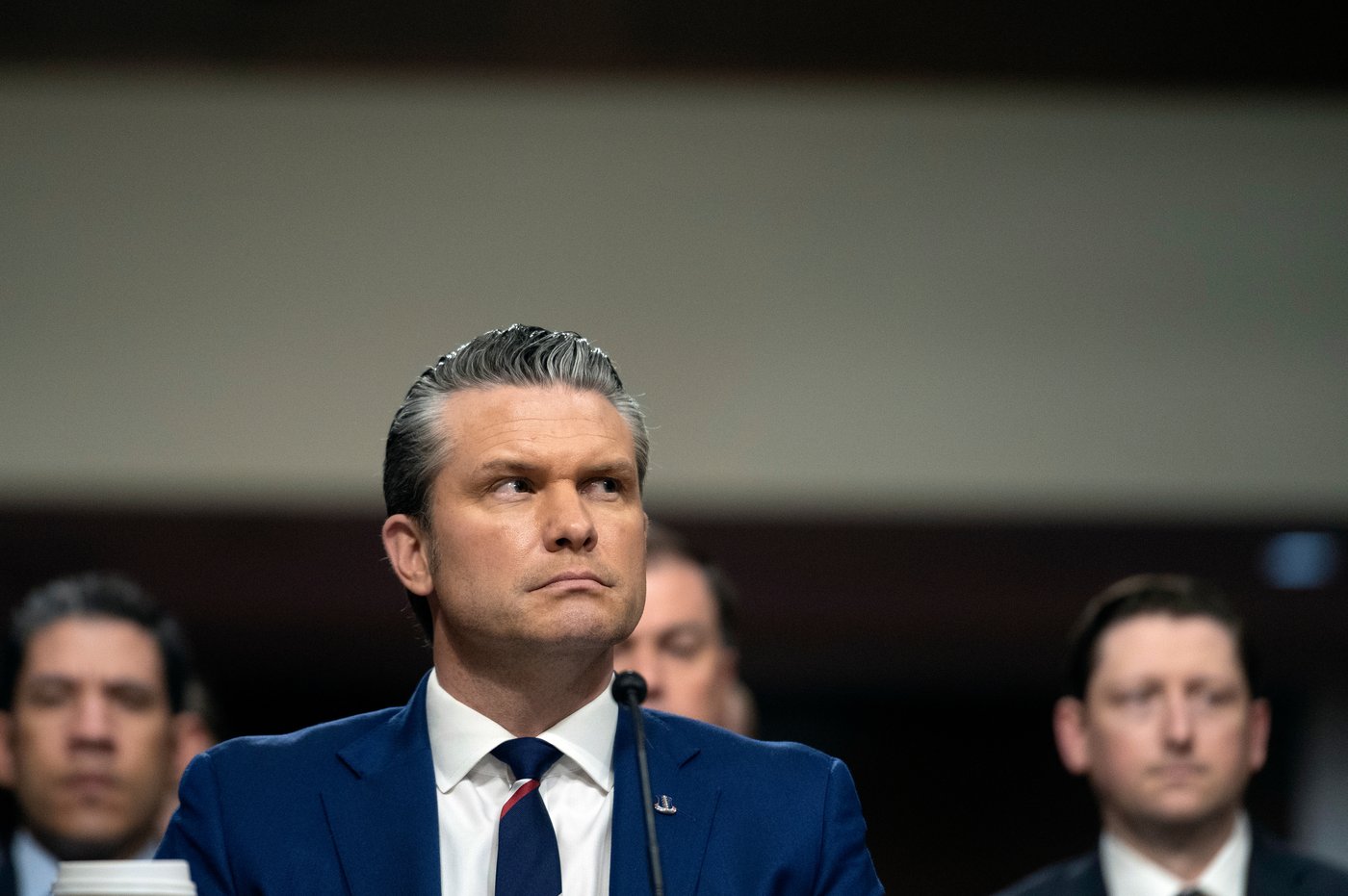
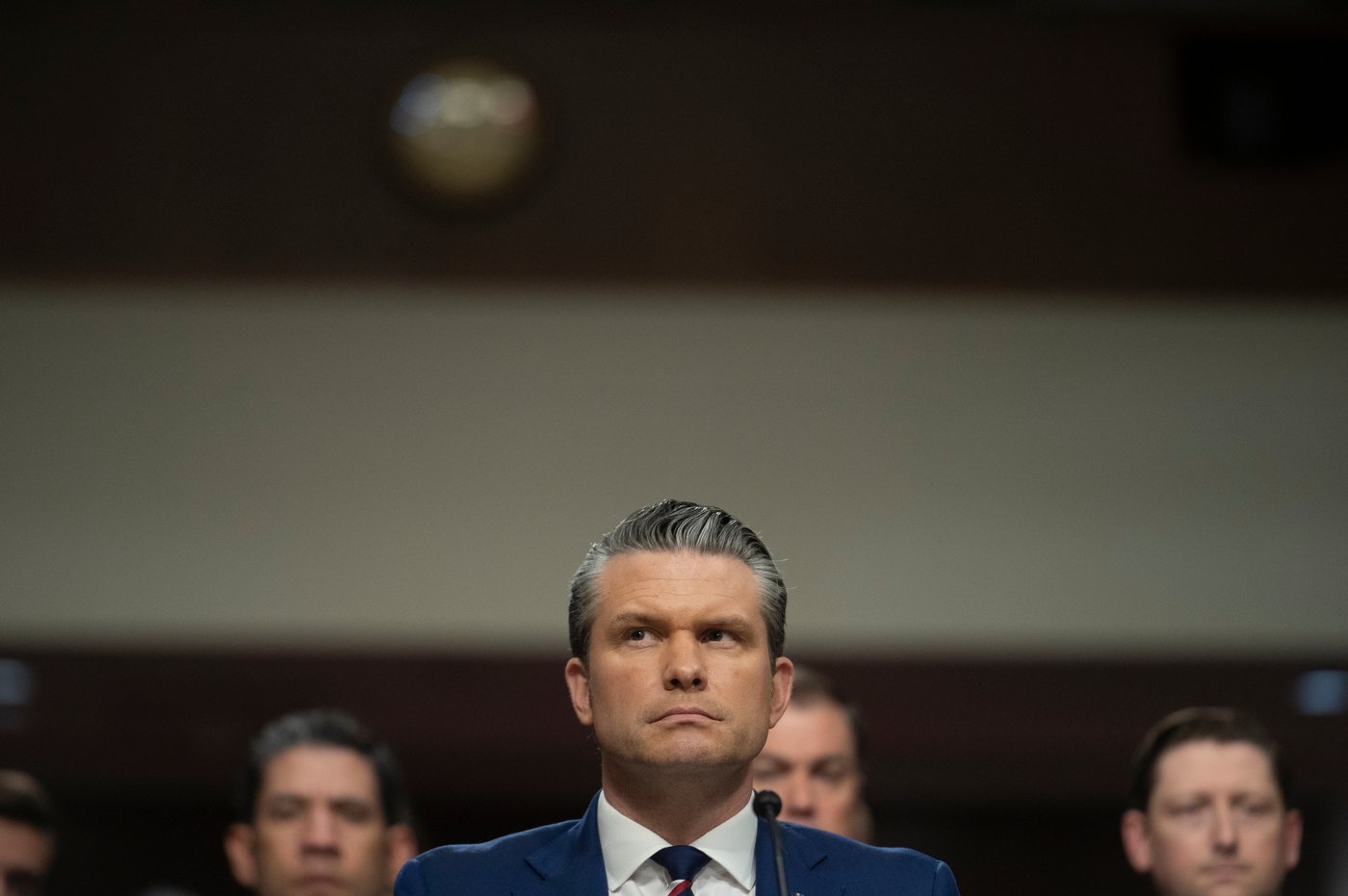
WASHINGTON (AP) — Defense Secretary Pete Hegseth appeared before Congress at a pair of hourslong hearings this week for the first time since the Trump administration went to war against Iran, with the Pentagon chief facing tough questions from skeptical Democrats.
Hegseth seemed to emerge with solid Republican support over his leadership and handling of the war. But a few GOP lawmakers questioned his dismissal of a top Army general, while some sought assurances that the Pentagon is doing everything possible to prevent civilian deaths.
The hearings Wednesday and Thursday before the House and Senate Armed Services committees delved into the Trump administration’s 2027 military budget proposal, which would boost defense spending to a historic $1.5 trillion. Hegseth and other Pentagon officials stressed the need for more drones, missile defense systems and warships.
While Republicans focused on the details of military budgeting and voiced support for the Iran operation, Democrats grilled Hegseth about the ballooning costs of the war, the huge drawdown of critical U.S. munitions and the bombing of a school that killed children.
Here are some takeaways from the hearings:
Hegseth clashes with Democrats over strategy of the Iran war and its economic impact
The hearings were the first time a member of President Donald Trump’s Cabinet has defended the war publicly on Capitol Hill since it entered the conflict without congressional approval two months ago.
Hegseth did not hold back in his criticism of anyone who questioned the war.
“The biggest adversary we face at this point are the reckless naysayers and defeatist words of congressional Democrats and some Republicans,” Hegseth said on Thursday as he opened the second day of hearings.
He cast the conflict as a historic victory by a president who, unlike his predecessors, is backing up his tough talk on Iran. Yet even Hegseth’s timeline for the war included a tacit admission that it has dragged on much longer than Trump’s initial pledges of only a few weeks.
Democrats relentlessly questioned Hegseth on end-goals for the war and sought to highlight the steep economic repercussions being felt through high prices for gas and other goods.
“I’m sad for all the people who voted for Trump. I’m sad for them because you betrayed them,” Rep. Ro Khanna, a California Democrat, told Hegseth as he questioned the war costs during a nearly six-hour hearing Wednesday.
Sen. Jack Reed, the Senate committee’s ranking Democrat, argued Thursday that the war has left the U.S. in a worse strategic position, with 13 American troops killed and more than 400 injured.
The Strait of Hormuz, a critical sea route for global oil shipments, remains closed, sending fuel prices skyrocketing. Iran still has highly enriched uranium and enough combat capabilities to keep the conflict locked in an impasse.
“I am concerned that you have been telling the president what he wants to hear instead of what he needs to hear,” Reed said.
The Trump administration, meanwhile, is coming under growing pressure from Republicans on Capitol Hill to find an end to the conflict, especially as a 60-day legal window expires for the president to conduct the military campaign without permission from Congress.
That deadline is Friday, but Hegseth claimed that because a fragile truce is in place, “the 60-day clock pauses or stops in a ceasefire.”
Sen. Tim Kaine, a Virginia Democrat, responded, “I do not believe the statute would support that,” adding that he had “serious constitutional concerns.”
The Iran war has cost $25 billion so far
Pentagon officials informed lawmakers that the cost of the war to date is $25 billion, with most of that being spent on munitions. Operations and equipment repairs also have contributed to the costs.
Still, that number was met with some skepticism on Capitol Hill, where lawmakers have been expecting an eventual request for war funding from the White House to run closer to $100 billion.
There is also concern that the bombing campaign against Iran has depleted America’s supply of weapons, such as crucial missile defense systems, potentially leaving the country vulnerable if conflicts break out in other areas of the globe.
Hegseth contended that the Pentagon is not in any danger of running low on munitions, yet he also blamed any challenges on President Joe Biden’s decision to assist Ukraine as well as on an aging U.S. defense manufacturing industry.
“On the munitions front, we’re in really good shape, but we need to accelerate,” Hegseth told senators.
He presented the Pentagon’s budget request as vital to the goal of multiplying munition production rates and said he plans to bolster the industry so that it can quickly replace any munitions used in the Iran war.
The budget request would amount to a record boost to defense spending that would increase the Pentagon’s budget by over 40% from the previous year.
Pentagon firings rankle Democrats and some Republicans
The defense secretary faced intense questions from Rep. Chrissy Houlahan, a Pennsylvania Democrat, about his decision to oust the Army’s top uniformed officer, Gen. Randy George, one of several top military officers to be dismissed since Trump took office again.
Houlahan said George was deeply respected by members of the military and Congress and asked why Hegseth fired him. Hegseth’s response that “new leadership” was needed failed to satisfy her.
“You have no way of explaining why you fired one of the most decorated and remarkable men,” Houlahan began, before Hegseth interrupted her. “We needed new leadership,” he repeated.
Republican Sen. Joni Ernst of Iowa also spoke out about George, saying she was “disappointed” to see his retirement “hastened.”
Ernst said George “pulled the Army out of its worst recruiting crisis since the Vietnam era” and trimmed “nonessential” positions. George had held the post of Army chief of staff, which typically runs for four years, since August 2023.
“He had 38 years of honorable service. He achieved the greatest Army recruitment and modernization effort in a generation,” Ernst said.
Bombing of Iranian school still under investigation
Hegseth told lawmakers in the House that a deadly strike on an Iranian elementary school that killed more than 165 people, including many children, is an “unfortunate situation” that is still under investigation.
The Associated Press has reported there was growing evidence that pointed to U.S. culpability for the Feb. 28 strike, which hit a school adjacent to a Revolutionary Guard base in Iran. Experts, citing satellite image analysis, said the school was probably struck as bombs were dropped on the compound in quick succession.
Senators wanted to know what the Pentagon is doing to prevent deaths of civilians.
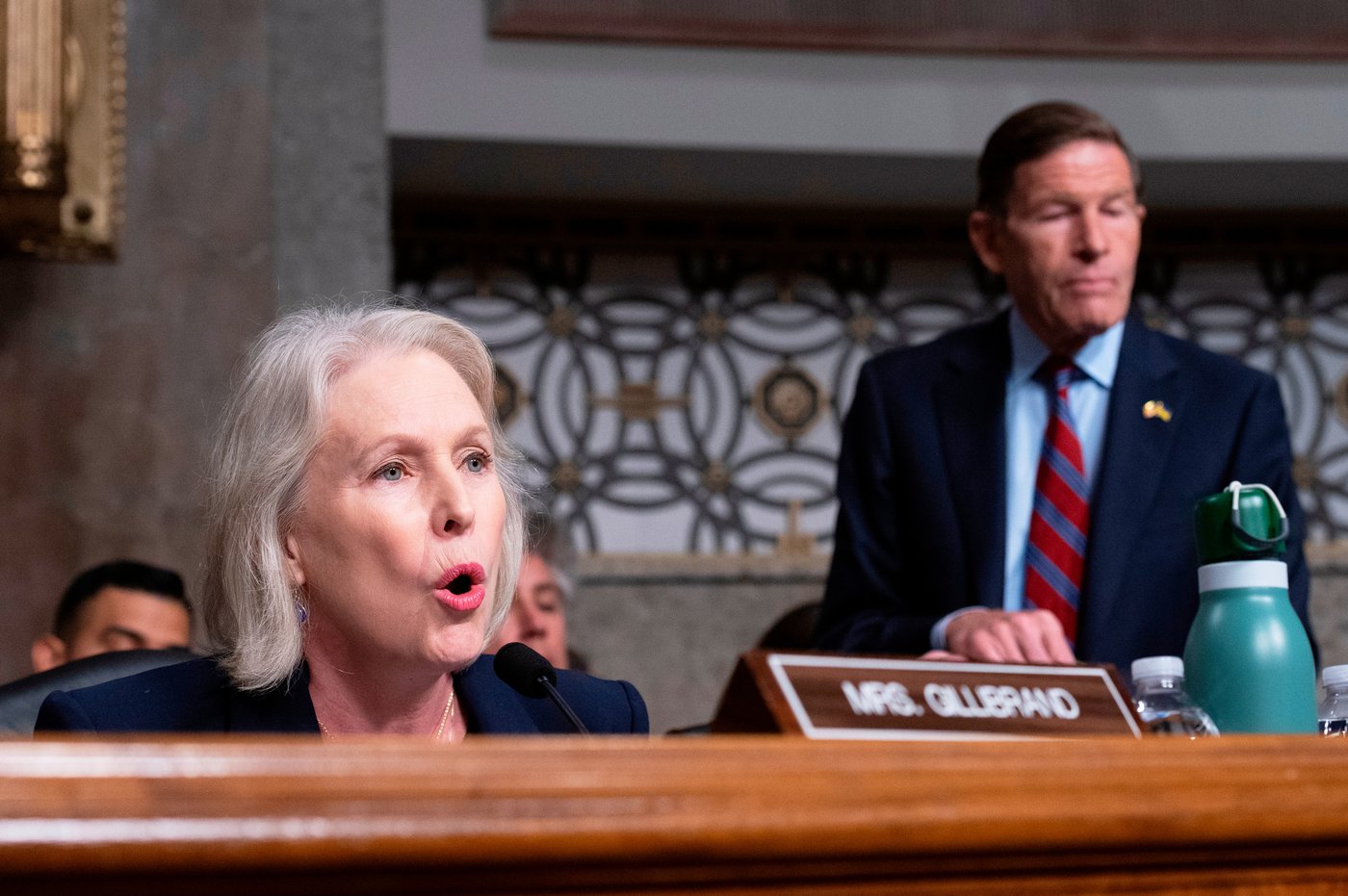
Democratic Sen. Kirsten Gillibrand of New York asked Hegseth: “What is your response to targeting that has resulted in the destruction of schools, hospitals, civilian places? Why did you cut by 90% the division that’s supposed to help you not target civilians?”
Hegseth responded that the Pentagon has an “ironclad commitment” to do more than other countries to prevent civilian deaths. ___
Kinnard reported from Columbia, South Carolina.

News from © The Associated Press, . All rights reserved.
This material may not be published, broadcast, rewritten or redistributed.

This site is protected by reCAPTCHA and the Google Privacy Policy and Terms of Service apply.
Want to share your thoughts, add context, or connect with others in your community?
You must be logged in to post a comment.