Elevate your local knowledge
Sign up for the iNFOnews newsletter today!
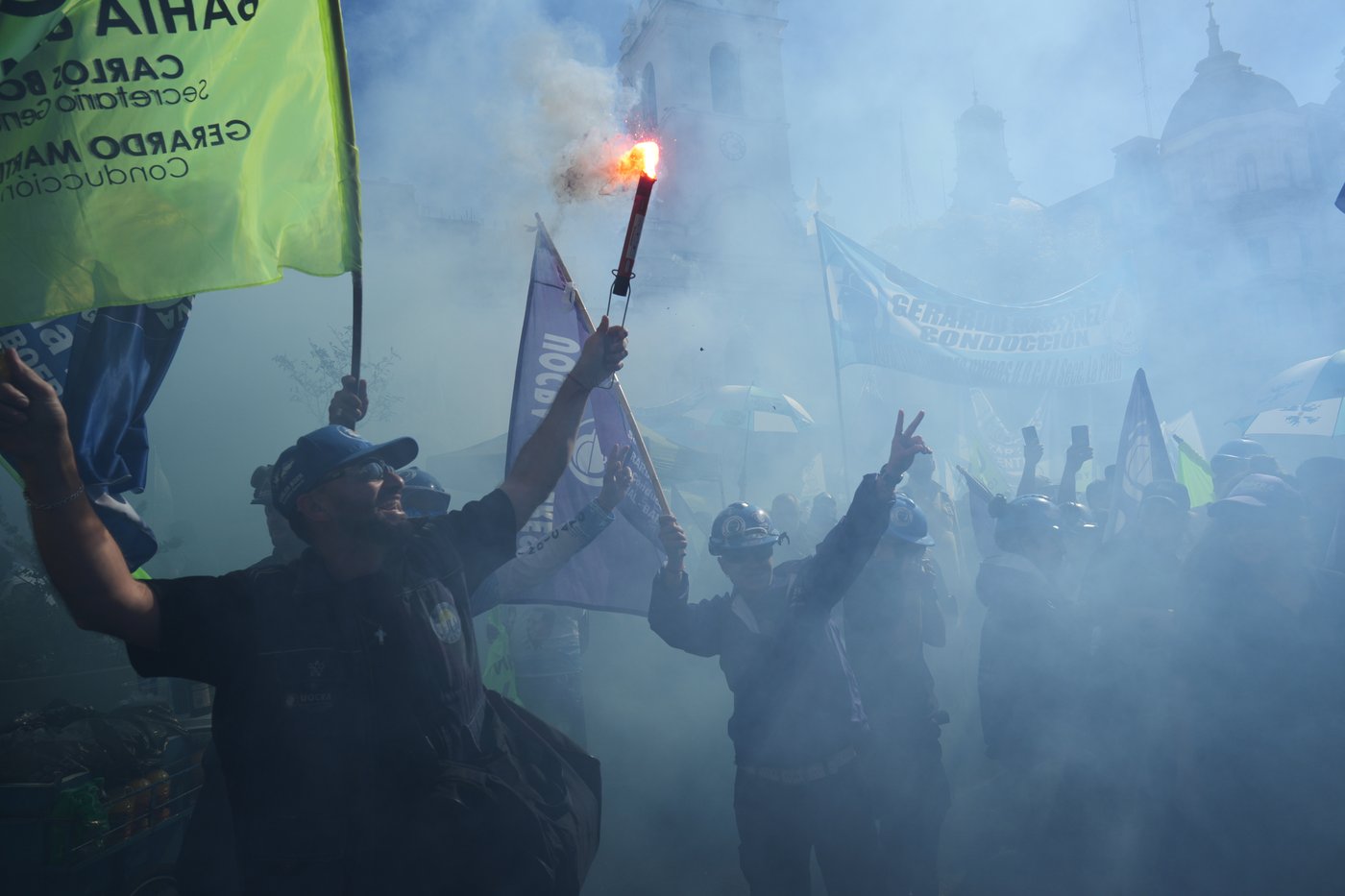
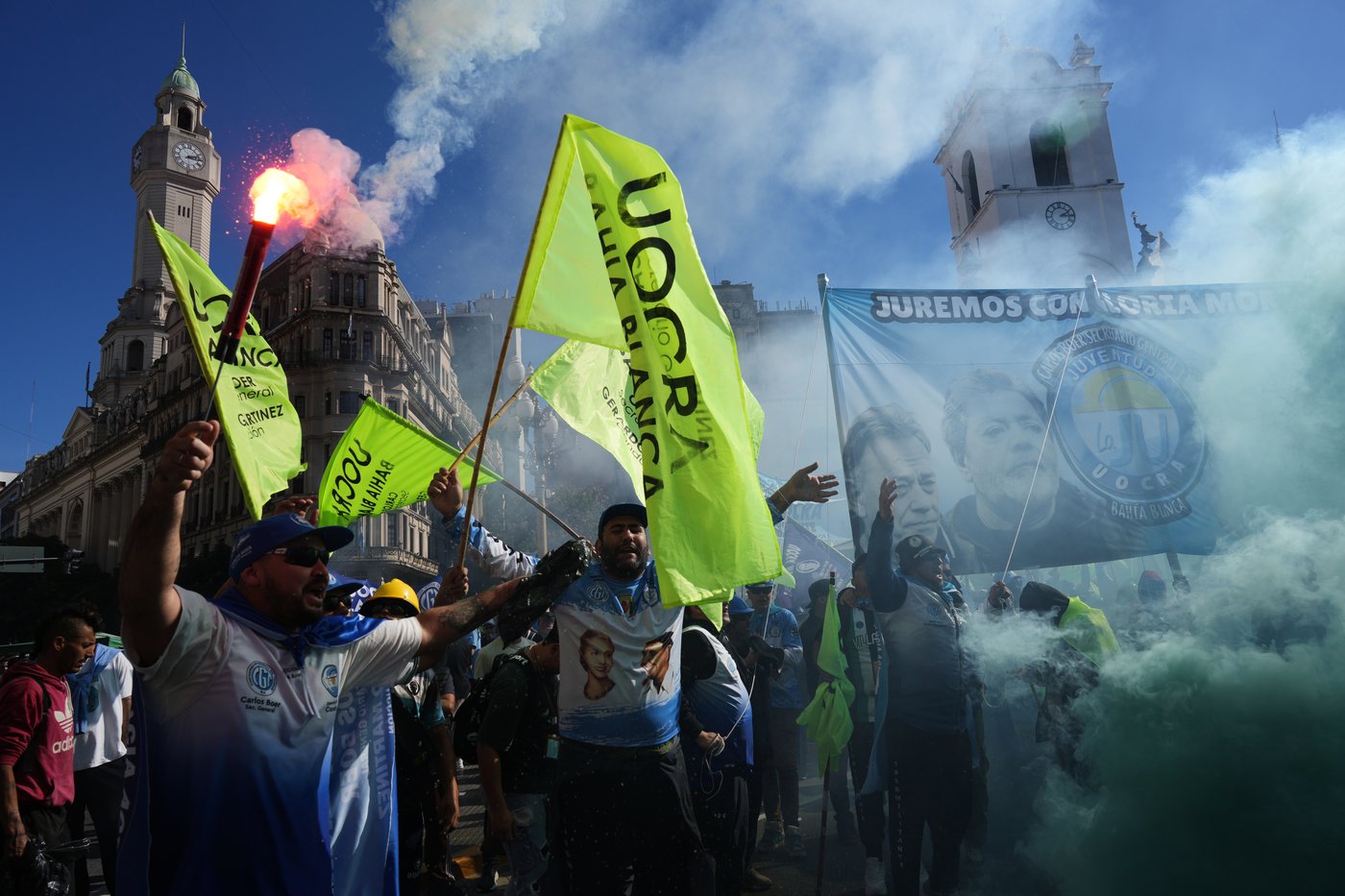
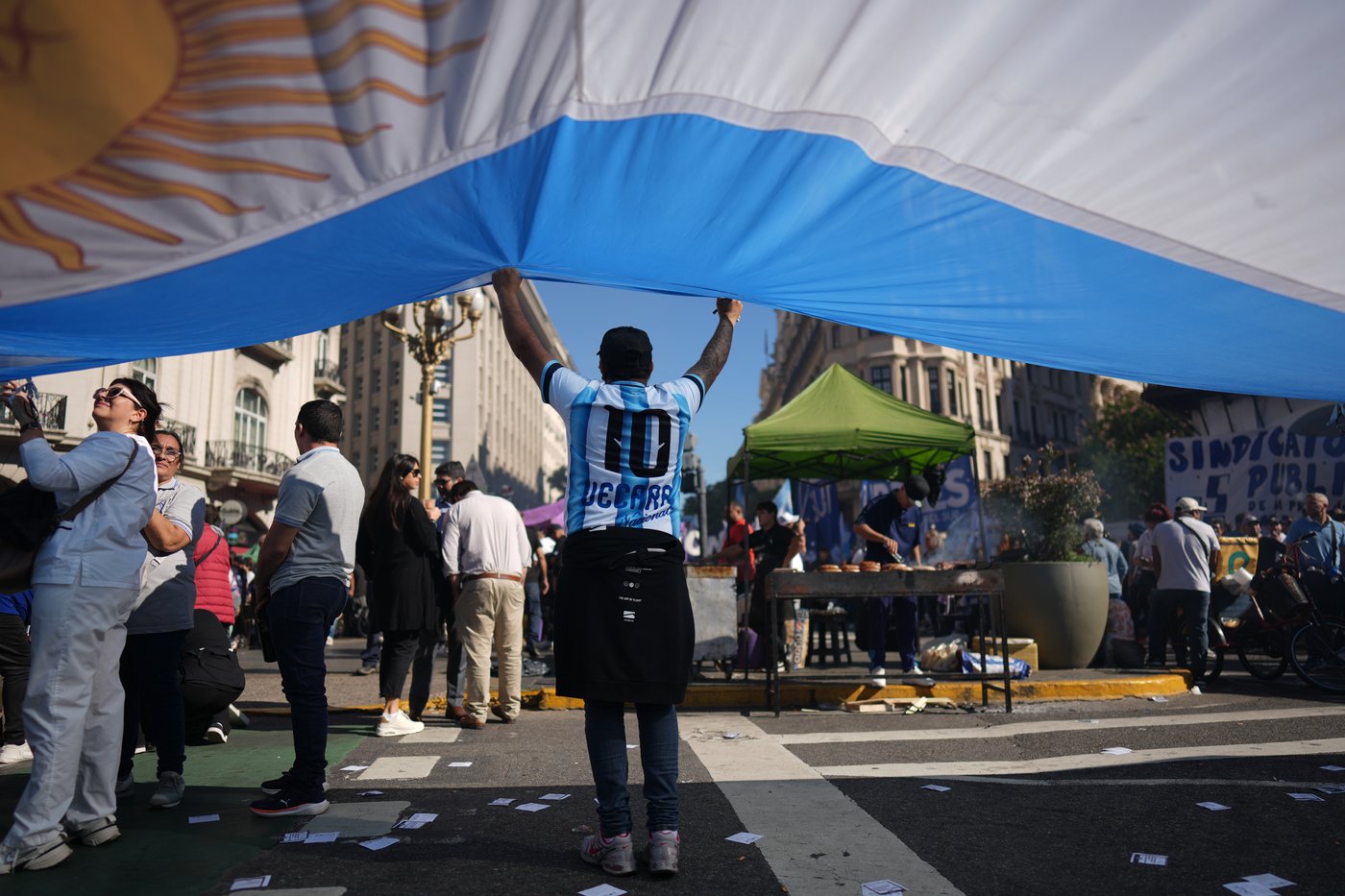
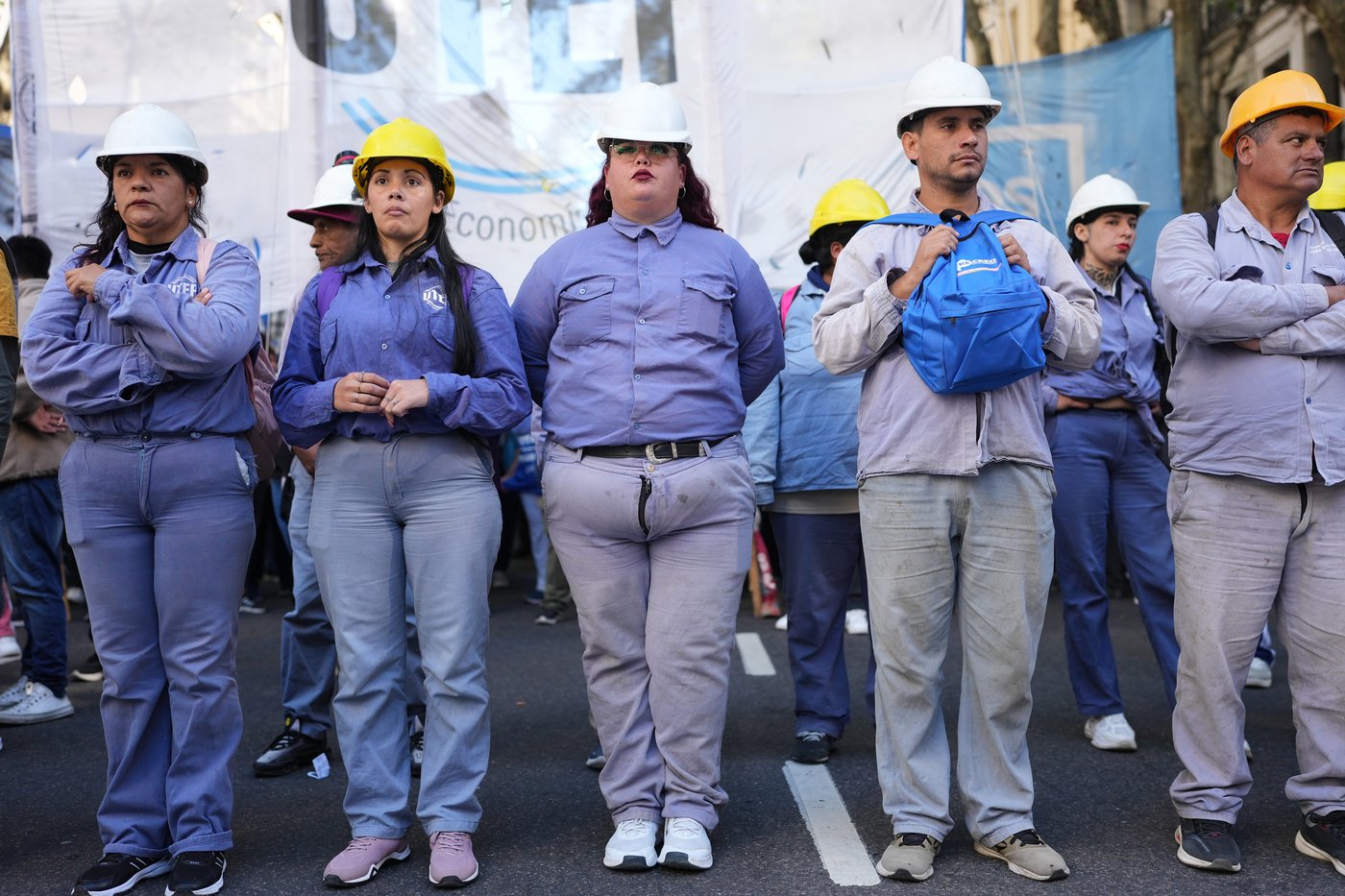
BUENOS AIRES, Argentina (AP) — Argentine workers protested in the capital of Buenos Aires on Thursday, as annual May Day demonstrations in the South American nation coincided with smoldering anger over President Javier Milei’s recent overhaul of long-robust labor protections.
A day before International Workers’ Day, the General Confederation of Labor, or CGT, Argentina’s largest union group, marched to the government headquarters downtown to “defend decent employment” against Milei’s changes to the labor code, which since 1974 had guaranteed generous protections and rights for Argentine workers but also raised business costs that scared off foreign investors.
“We want to say to this government, enough is enough,” Octavio Argüello, a leader of CGT, told the crowds of workers beating drums, waving banners and chanting against Milei. “Our patience has run out, Mr. President.”
Past presidents for decades tried to liberalize the labor market but failed in the face of fierce resistance from Argentina’s powerful unions. Despite weeks of protests and a nationwide strike, Milei pushed through the labor-law package in February in a major victory for his free-market agenda.
Milei’s opponents are clinging to an appeal process challenging the law’s constitutionality. Union leaders plan to file a further petition after a court last week overturned an injunction that had suspended the law’s implementation at their request. The case is expected to go to the Supreme Court.
The labor overhaul has struck a nerve in a nation where workers’ unions helped found the left-leaning Peronist movement that dominated politics here since the 1940s. The issue is particularly sensitive as Milei’s flagship drive to eliminate inflation stalls, wages lag behind prices and unemployment ticks up.
“The economy is not growing as strongly as the government thought it would,” said Marcelo J. García, Americas director for the geopolitical risk consultancy Horizon Engage. “The majority of Argentines may feel that they’re not seeing the benefits of (Milei’s) economic program. And that’s Milei’s biggest political risk at the moment.”
The new law, aimed at helping businesses more easily hire and fire new workers, allows companies to increase workdays to 12 hours up from eight, extend probation periods during which employees can be dismissed without benefits and replace overtime with time off instead of extra pay.
“This is a government that doesn’t care about the people,” said Sergio Aguirre, 51, a bus driver at the march. “Costs keep going up and our salaries stay the same. We survive on overtime pay. Now they want to take that away with the rest of our benefits.”
The legislation also curtails workers’ right to strike, diminishes the power of national unions to determine salaries across entire industries and limits courts’ discretion on severance payouts, which critics say long ensnared employers in costly lawsuits and discouraged formal hiring. Nearly half of all Argentines work off the books.
In the last few months Argentina’s construction and manufacturing sectors have shown signs of recession.
Fundación Pro Tejer, a non-profit organization representing textile manufacturers, reported this week that Argentina’s textile production for the first two months of the year registered a nearly 30% drop year-on-year. Seven out of every 10 sewing machines now sit idle in the country’s factories, it says.
The layoff notices are piling up. Argentina’s formal labor market has lost roughly 200,000 jobs since Milei took office, according to the Ministry of Human Capital, and unemployment in the last quarter of 2025 rose over a percentage point compared to the same time the year before, to 7.5% — a rate that’s still relatively low because of Argentina’s massive share of informal workers.
Milei, who came to power in late 2023 on a tide of public disenchantment with the budget-busting populism of his Peronist predecessors, has dismissed reports of economic challenges as “absurdities spread by the media.”
“We receive international recognition for our achievements,” he told an economic conference late Wednesday. “But as the saying goes, ‘No one is a prophet in his own land.’”
Thursday’s march offered an indication of what may lie ahead as the president’s promises of radical change run up against economic misery.
“We’ll stay in the street until the government changes or backtracks,” said 47-year-old Manuel Correa, who works at a textile factory on the outskirts of Buenos Aires that slashed its workforce in the last two years by 58%, or 350 employees. “We don’t have an alternative.”
___
Follow AP’s coverage of Latin America and the Caribbean at https://apnews.com/hub/latin-america

News from © The Associated Press, . All rights reserved.
This material may not be published, broadcast, rewritten or redistributed.

This site is protected by reCAPTCHA and the Google Privacy Policy and Terms of Service apply.
Want to share your thoughts, add context, or connect with others in your community?
You must be logged in to post a comment.