Elevate your local knowledge
Sign up for the iNFOnews newsletter today!

OTTAWA — The stage is being set for a constitutional challenge of the federal government’s new immigration law, which imposes timelines on how long someone can be in Canada before making a refugee claim.
The Canadian Association of Refugee Lawyers said it received notice Wednesday that judicial reviews of refugee claims denied under C-12 have been approved for case management, meaning one Federal Court judge will oversee all related matters.
The government estimated about 30,000 refugee claims would be thrown out under the new law, which says that claims must be made within a year of the claimant’s first arrival in Canada.
The government has said the law offers legal protections for newly ineligible refugee claimants, such as pre-removal risk assessments. The law is retroactive to June 24, 2020 and the one-year rule applies to all claims made on or after June 3, 2025.
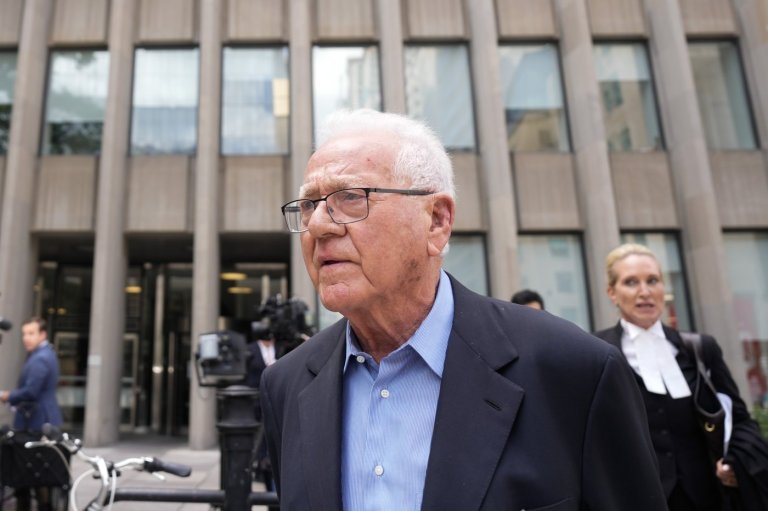
Aisling Bondy, a Toronto-based immigration lawyer, said one of the key questions facing the court is whether the law is constitutional.
She said the law can put ineligible refugee claimants in legal limbo if they come from places to which Canada does not deport at the moment due to humanitarian crises, such as Afghanistan, Ukraine and the Gaza Strip.
“They are not put into removal streams, so they don’t get the pre-removal risk assessment. They’re essentially here in limbo and that can have devastating consequences,” Bondy said.
“If a person is here and their spouse and young children are overseas, the spouse and children cannot join them until they have a positive decision on their risk assessment or refugee claim and apply for permanent residence successfully.”
Bondy added that they could file a claim for residency under humanitarian and compassionate grounds, but the backlog for that stream is more than 10 years.
The Charter of Rights statement on C-12 the government tabled in Parliament last November said the minister had not identified any ways in which the legislation could violate Charter rights.
The statement noted that removals from Canada have the potential to affect Charter rights to life, liberty and security of the person, but the rules in C-12 do not result in the immediate removal from Canada of an ineligible refugee claimant.
Bondy said a judge has not yet been named to run the case management system for these cases. She said once that happens, the judge likely will set a filing deadline before deciding how to handle the cases.
“Maybe we will identify a certain number of cases that will go forward first and that the judge will make their decision based on those cases as to whether the bill is constitutional, rather than looking at up to 30,0000 cases,” she said.
This report by The Canadian Press was first published May 14, 2026.
News from © The Canadian Press, . All rights reserved.
This material may not be published, broadcast, rewritten or redistributed.

This site is protected by reCAPTCHA and the Google Privacy Policy and Terms of Service apply.
Want to share your thoughts, add context, or connect with others in your community?
You must be logged in to post a comment.