Elevate your local knowledge
Sign up for the iNFOnews newsletter today!
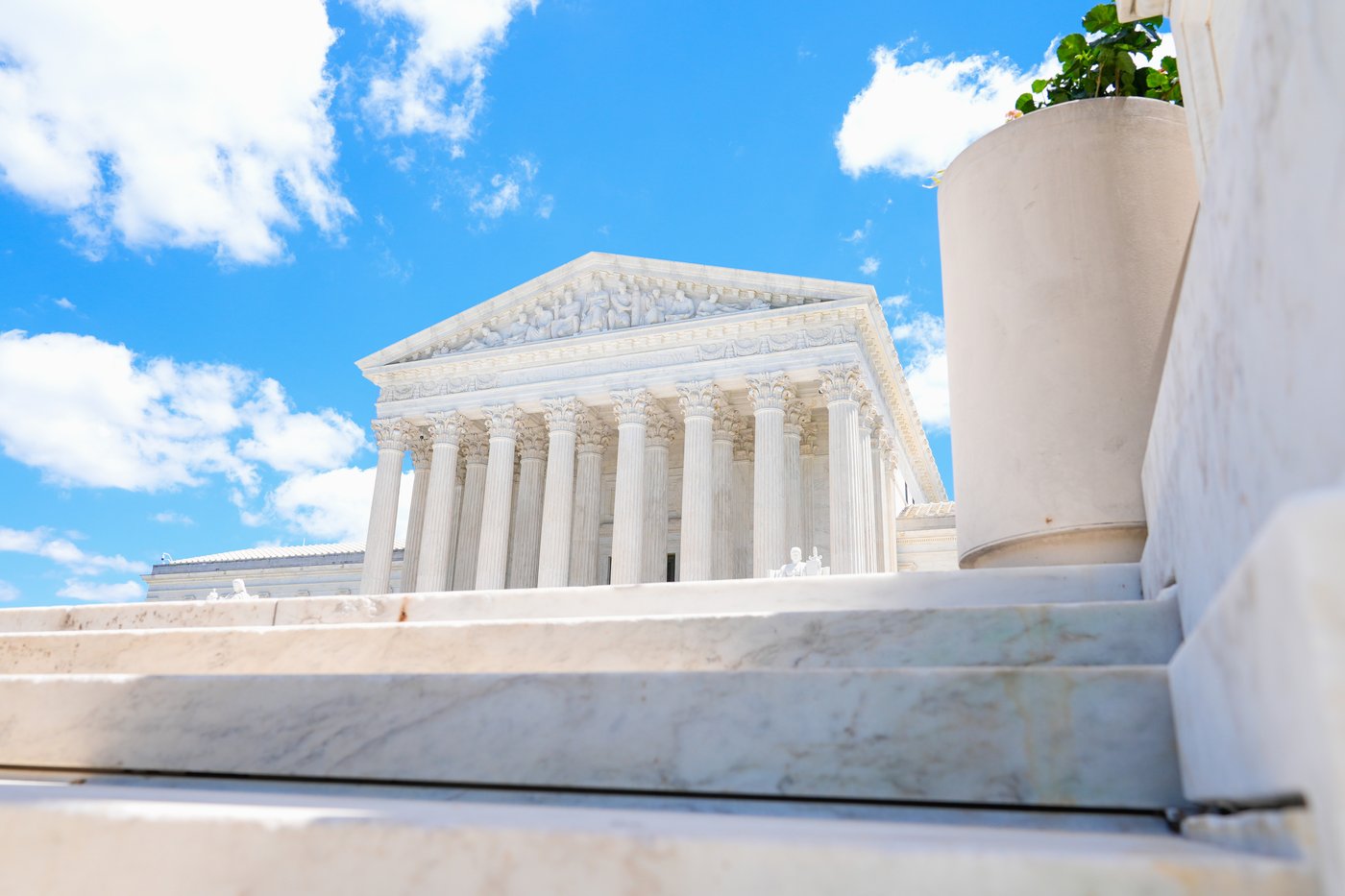
WASHINGTON (AP) — The Supreme Court acted in a Voting Rights Act case brought by Native American tribes on Monday, saying a closely watched ruling needs to be reconsidered after a high court ruling that weakened the Civil Rights-era law.
The justices ordered lower courts to take another look at the lower-court decision that went against the tribes and undercut a key enforcement mechanism: lawsuits from voters and advocacy groups.
Those groups have been key to enforcing the law, bringing most of the lawsuits filed under the provision of the Voting Rights Act known as Section 2.
But in a North Dakota case brought by two Native American tribes, the 8th U.S. Circuit Court of Appeals ruled that only the federal government can sue to enforce the law.
The decision conflicted with decades of case law. The Supreme Court blocked it in July, allowing the tribes’ preferred maps to temporarily stay in place.
An attorney for the Native American Rights Fund, Lenny Powell, said tossing out the appeals court ruling was the right call. He vowed to “keep fighting to ensure that Native voters have the ability to vote and effect change in their communities.”
The appeals court’s finding has nevertheless been cited elsewhere, with Mississippi making a similar argument in another appeal over its state legislative map. The court also sent that case back for reconsideration on Monday.
That decision jeopardizes three new majority-Black state legislative districts, though the effects likely won’t be felt until 2027, said Damon Hewitt, president and executive director of the Lawyers’ Committee for Civil Rights Under Law.
Justice Ketanji Brown Jackson dissented from both decisions, saying she would have left the Mississippi ruling in place and fully reversed the decision in the North Dakota case.
The conservative majority, meanwhile, has already diluted enforcement power with their April decision that struck down a majority Black congressional district in Louisiana and made future cases much harder to win.
In that case, the high court’s conservative majority ruled that map relied too heavily on race with a district aimed at giving Black voters a chance to elect a candidate of their choice. The decision effectively limited Voting Rights claims to maps that are intentionally designed to discriminate, a very high standard.
___
Associated Press writers Gary Fields and Jack Dura in Bismarck, North Dakota, contributed to this report.
News from © The Associated Press, . All rights reserved.
This material may not be published, broadcast, rewritten or redistributed.

This site is protected by reCAPTCHA and the Google Privacy Policy and Terms of Service apply.
Want to share your thoughts, add context, or connect with others in your community?
You must be logged in to post a comment.