Elevate your local knowledge
Sign up for the iNFOnews newsletter today!
Elevate your local knowledge
Sign up for the iNFOnews newsletter today!
Select Region
Selecting your primary region ensures you get the stories that matter to you first.
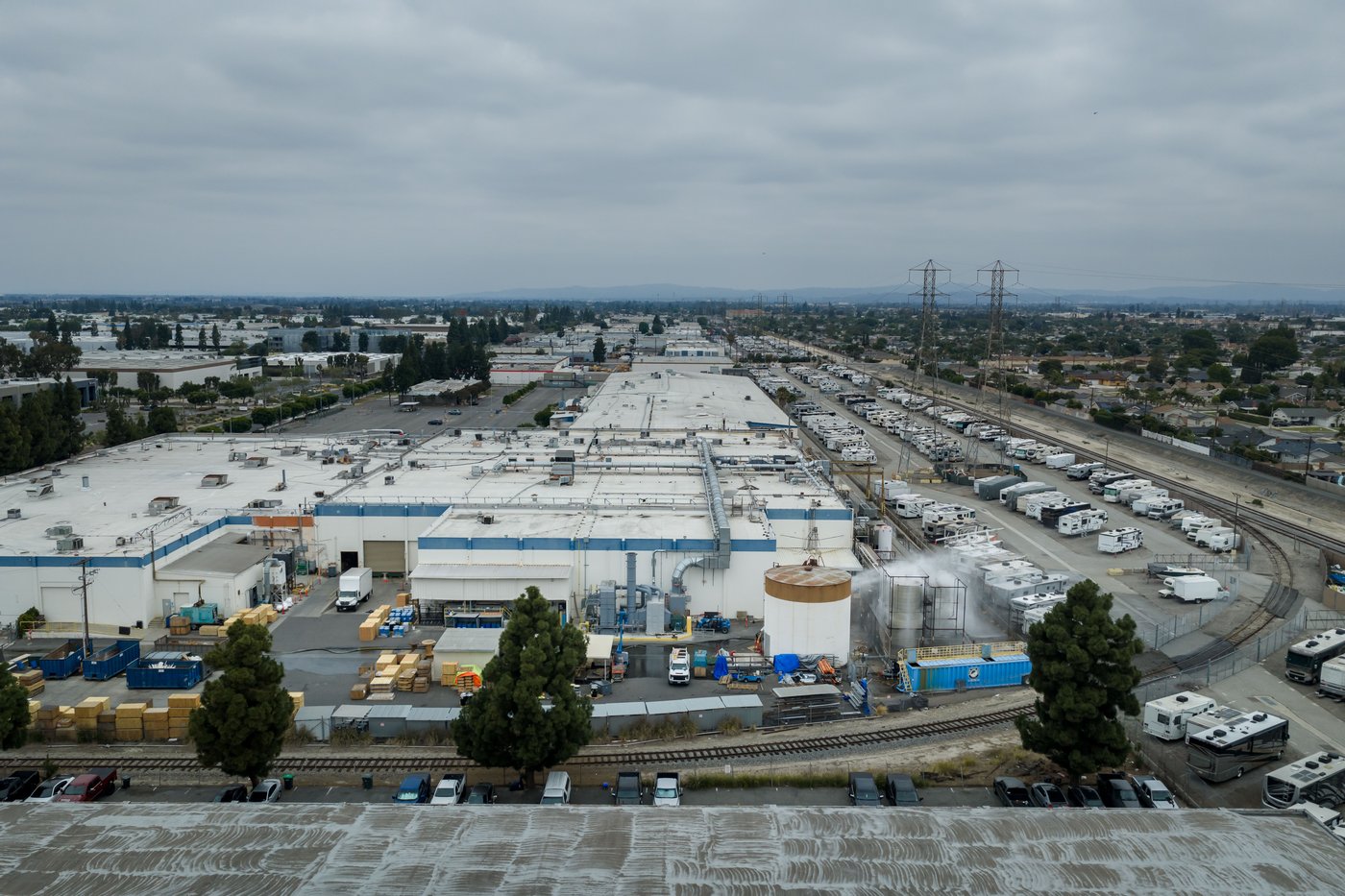
Authorities scrambled to find a safe resolution as a damaged tank at a Southern California aerospace facility containing a hazardous chemical used to make plastic parts prompted an evacuation order affecting thousands of residents.
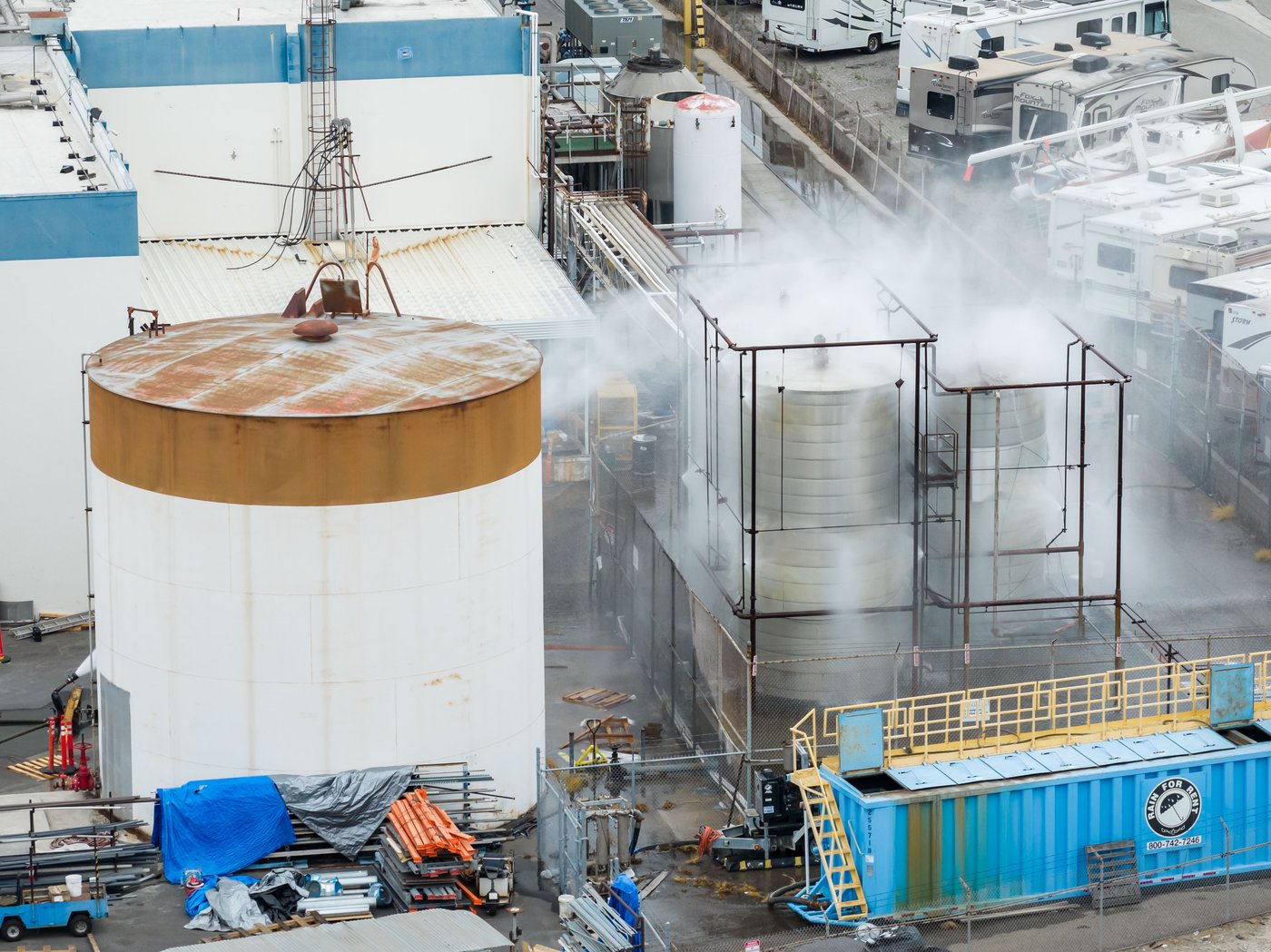
The storage tank at GKN Aerospace with about 6,000 to 7,000 gallons (22,713 to 26,498 liters) of methyl methacrylate overheated last week and began leaking vapors into the air around Garden Grove, a city in Orange County. Officials said over the weekend the tank could leak all the chemical or even explode if it overheats.
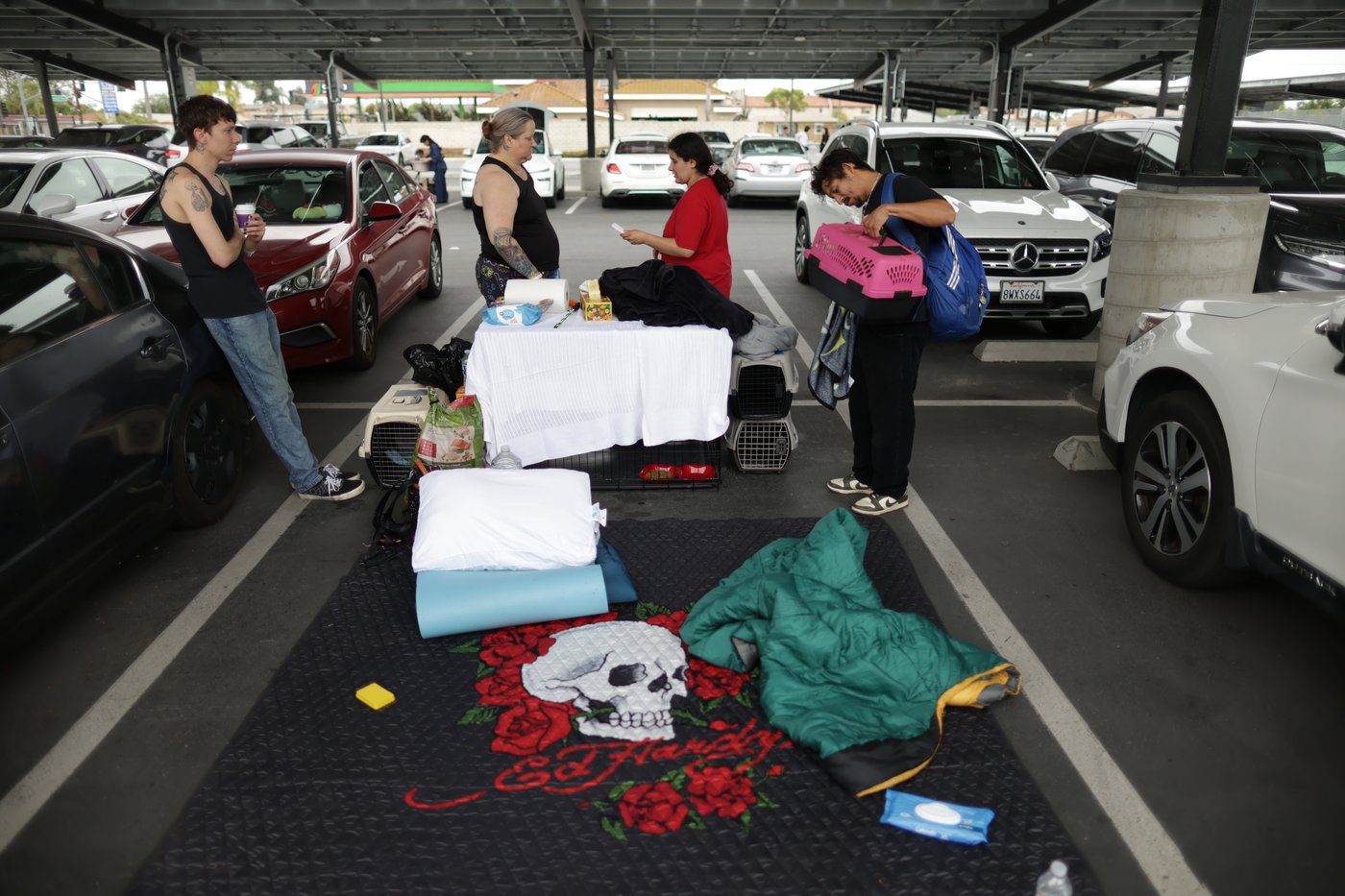
No injuries have been reported, but more than 50,000 residents were under an evacuation order over the Memorial Day weekend. Firefighters sprayed the tank with water in an effort to cool the chemicals heating up inside.
Why is this chemical dangerous?
Methyl methacrylate is a flammable, colorless liquid used in the production of resins, plastics and plastic dentures and is a hazardous substance regulated by the federal government. It can irritate the lungs, eyes and skin and in high doses can cause reduced lung function, along with dizziness and memory problems, according to the Environmental Protection Agency. Tests have found that air pollution in the evacuation zone is within normal limits.
What is the problem with the tank?
The tank’s drainage valves are not functioning, officials said, adding that without action, there could be either a large chemical spill or an explosion.
Firefighters focused on keeping the temperature of the tank under 85 degrees F (29.4 degrees C) to relieve pressure. On Sunday, EPA chief Lee Zeldin said the most likely scenario is a “low-volume release” of the tank’s contents, so officials can “monitor, neutralize, and contain the threat.”
What happens if it explodes?
If the temperature inside the tank rises, it will cause pressure to build as the methyl methacrylate converts from a liquid to a gas, increasing the risk of explosion, which could ignite other tanks at the site.
A blast that releases the chemical would send it into a wider area and could create vapors that are hazardous to inhale, according to Orange County’s top health officer, Dr. Regina Chinsio-Kwong.
Chinsio-Kwong said if people inhale the vapor, it could cause irritation to the eyes, nose and lungs and may cause a sore throat, burning eyes and even dizziness. She said the chemical has a fruity odor, but smelling it doesn’t mean a person will have health impacts.
In prolonged cases, exposure to methyl methacrylate can cause serious respiratory problems or render a person unconscious. The evacuation zone is west of Anaheim, home to Disneyland’s two theme parks, which were not under evacuation orders. Chinsio-Kwong said people outside the evacuation zone don’t need to worry about health impacts.
What happens next?
Officials said Sunday the tank had a crack — potentially lowering the risk of an explosion. Orange County Fire Authority Capt. Wayhowe Huang said the tank did not appear to be releasing any of the toxic chemical into the atmosphere.
Elias Picazo, a chemistry professor at the University of Southern California, said that a “strategic leak buys more time for the liquid within the tank to solidify” and that a leak could be used “to direct the unreacted liquid out of the tank in a controlled manner.”
Zeldin said a low-volume and controlled release of the chemical would allow officials to relieve pressure on the tank. The company, GKN Aerospace, said Sunday that it continues to work with local authorities.


News from © The Associated Press, . All rights reserved.
This material may not be published, broadcast, rewritten or redistributed.

This site is protected by reCAPTCHA and the Google Privacy Policy and Terms of Service apply.
Want to share your thoughts, add context, or connect with others in your community?
You must be logged in to post a comment.