Elevate your local knowledge
Sign up for the iNFOnews newsletter today!
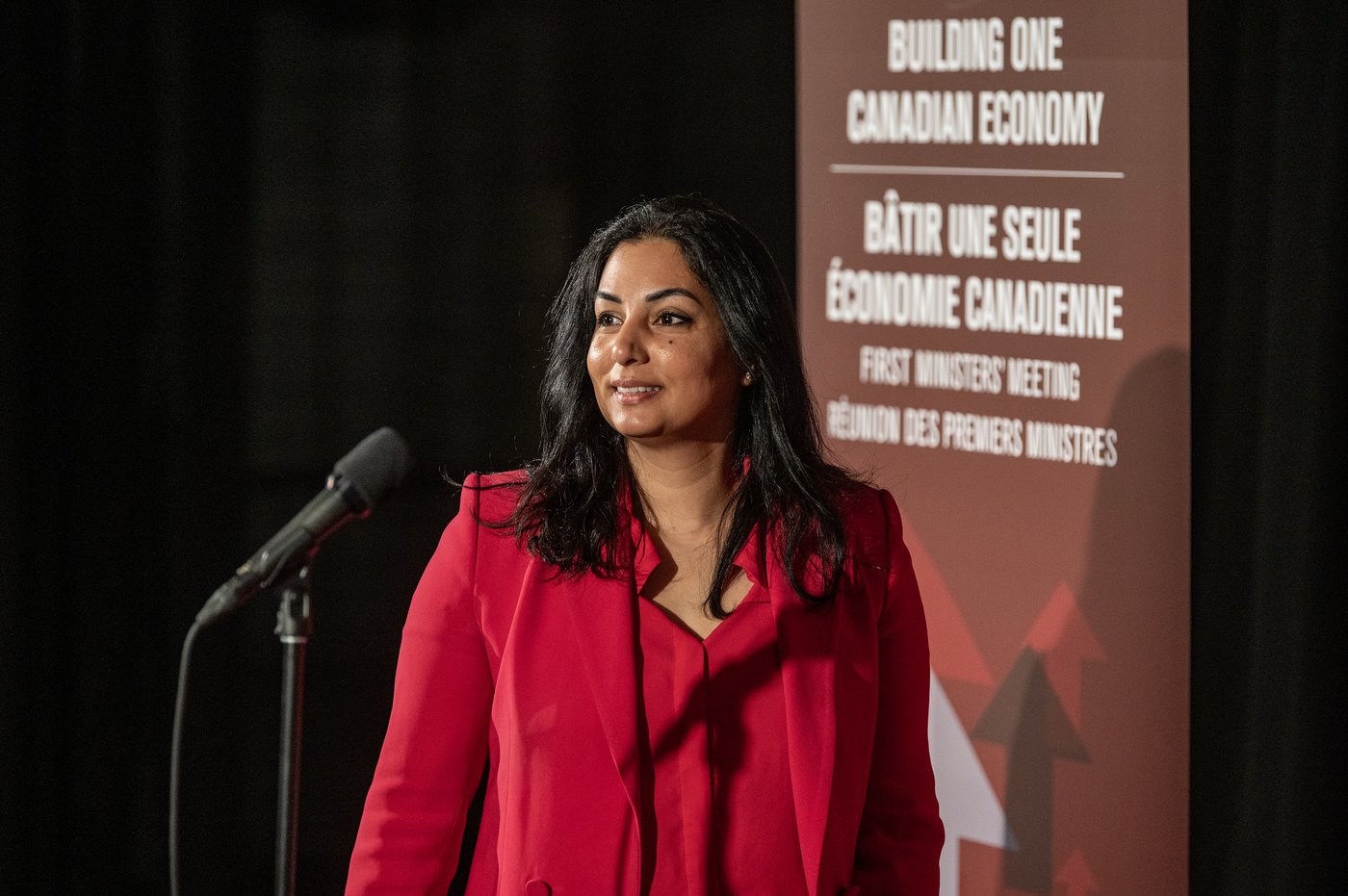
VICTORIA — Hosting seven World Cup games in Vancouver comes with the risk of racism, but B.C.’s attorney general says her government will do everything it can to make sure that won’t happen.
Niki Sharma made the comment as she was unveiling her government’s new provincial anti-racism plan in Surrey, B.C., less than two weeks before Vancouver hosts its first World Cup game between Australia and Turkey on June 13.
“I know a lot of people are very excited about being a host city for such an international event, but with that comes the risk that you are talking about, that that might show up,” she said in reference to a question about racism at the games.
Sharma said Monday that most people know that racism can take away from the sport, and those incidents make global news when they happen.
“My hope, and I think all British Columbians would share this, is that we don’t see this in the matches that we are hosting here soon.”
She wouldn’t speculate on the government’s response during a possible occurrence but said it will ensure that the games are inclusive for all by working with the City of Vancouver and FIFA, the World Cup’s governing body.
“I know we did an international human rights guide with the City of Vancouver to work through what we would expect, and what we are hoping to deliver, and we will stick to that.”
That plan released by Vancouver last week says the host committee will implement a zero-tolerance protocol for all acts of discrimination at all public facing World Cup venues and events within its control.
FIFA has been developing various measures over the years amid multiple incidents of racism off and on the field, often involving players of African heritage.
Measures under FIFA’s Global Stand Against Racism include anti-discrimination observers for high-risk matches and the introduction of an anti-racism signal that allows players, coaches and officials to signal racist incidents to referees, who can trigger its anti-discrimination procedure.
It grants referees the power to pause matches and issue a public warning, suspend matches, or abandon matches if the abuse continues.
Referees can also red card players, sending them off the field, if they cover their mouths while speaking during confrontations with other players following a racist incident at a European Champions League earlier this year.
During last year’s FIFA Club World Cup, fans could also report such incidents to a FIFA app that screened fan material such as flags and banners to intercept racist or discriminatory messages.
FIFA has previously punished national federations for various incidents, including discrimination.
The Turkish Football Federation, for example, was fined in September 2025 for its role in an incident during a qualifying matching against Georgia.
FIFA said it involved the “use of gestures, words, objects or any other means to transmit a message that is not appropriate for a sports event.”
FIFA also punished Canada’s first match opponent, Bosnia and Herzegovina, for incidents during a qualifying game against Austria that involved discrimination and racism, as well as the “use of gestures, words, objects or any other means to transmit a message that is not appropriate for a sports event.”
Canada will play that country on June 12 in Toronto.
Croatia, another country set to play in Canada, was the subject of FIFA discipline in 2025.
The soccer federation of that country, which will play Panama on June 17 in Toronto, was fined for discrimination and racist abuse when it hosted Montenegro in September.
This report by The Canadian Press was first published June 1, 2026.
News from © The Canadian Press, . All rights reserved.
This material may not be published, broadcast, rewritten or redistributed.

This site is protected by reCAPTCHA and the Google Privacy Policy and Terms of Service apply.
Want to share your thoughts, add context, or connect with others in your community?
You must be logged in to post a comment.