Elevate your local knowledge
Sign up for the iNFOnews newsletter today!
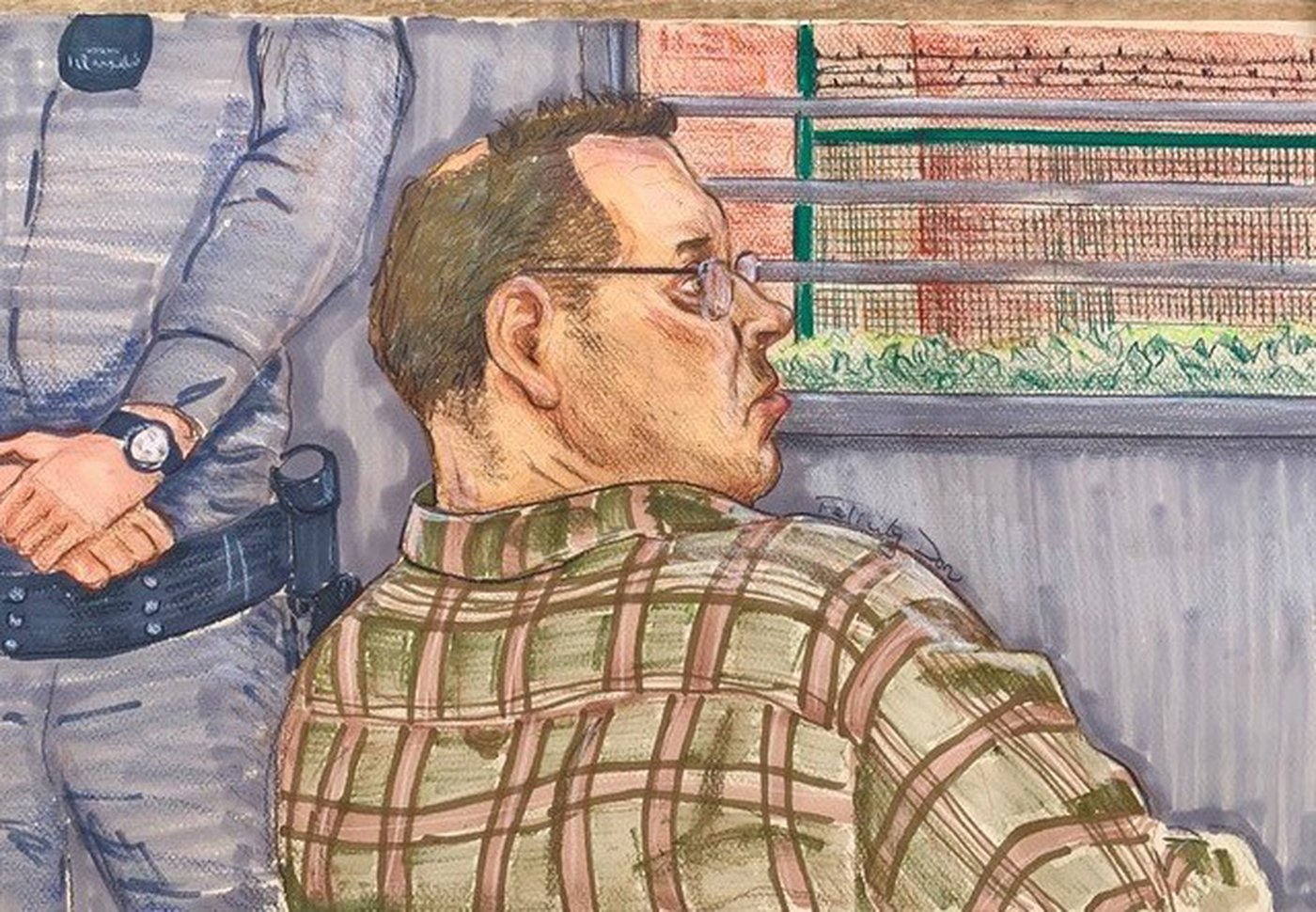
VANCOUVER — A family representative for the victims of child killer Allan Schoenborn says the British Columbia Review Board’s decision to grant him a conditional discharge is “baffling” and reveals shortfalls in the province’s mental health and justice systems.
Board chairperson Geneviève Boudreau says in a ruling that took effect on Tuesday that Schoenborn will report to a psychiatric clinic and live under supervision, but he must return to the Forensic Psychiatric Hospital in Coquitlam, B.C., if ordered to do so.
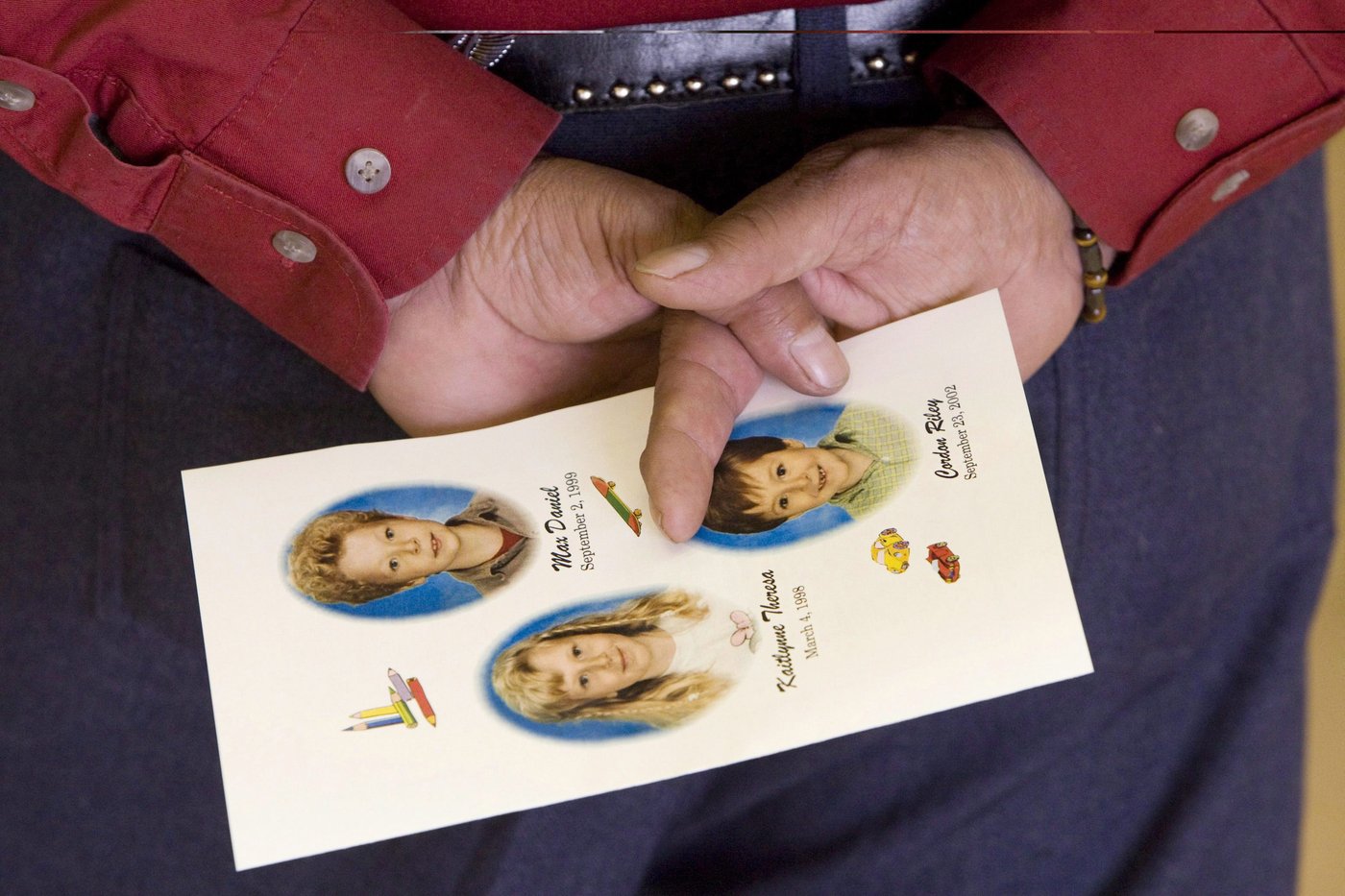
Schoenborn was found not criminally responsible for the first-degree murders of his three children — five-year-old Cordon, eight-year-old Max, and 10-year-old Kaitlynne — at their Merritt, B.C., home in 2008.
The review board’s disposition says Schoenborn cannot possess a firearm or weapon, use alcohol, cannabis or prohibited drugs, and he must submit to alcohol and drug testing.
Dave Teixeira, who represents the family of the three slain children, says Schoenborn will live in a facility in the Vancouver area, where’s he’s lived for the past year.
He says the family was disappointed but not surprised by the review board’s decision, and that Schoenborn’s violent tendencies and unwillingness to participate in drug and alcohol counselling could pose a risk to the public, as he would be allowed into the community without supervision.
“Allan Schoenborn is more evil than he is ill. He’s more concerned with getting freedom as opposed to getting better,” Teixeira said in a phone interview Thursday.
The review board decision said Schoenborn must “keep the peace and be of good behaviour,” and is forbidden from having direct or indirect contact with three people referred to in the ruling by their initials.
Teixeira said they are family members of the victims.
B.C.’s Ministry of Attorney General said it expects Schoenborn will comply with the board’s ruling.
“Our understanding is that BC Prosecution Service Crown Counsel sought conditions, which were incorporated in the disposition order,” it said in an emailed statement.
Because Crown Counsel and the review board operate independently from the provincial government, the ministry said it could not comment further.
The BC Review Board said in an email Thursday, that the reasons for the disposition are still being processed.
If an accused person who was found not criminally responsible does not pose a significant threat to the safety of the public, a review board is required by law to order an absolute discharge.
Isabel Grant, a professor at the University of British Columbia who specializes in criminal law, said a conditional discharge means the board found Schoenborn poses some degree of risk.
Grant said the adult psychiatric director has the discretion to decide where Schoenborn lives and it is unclear if they need to make that decision public.
“There don’t seem to be a lot of constraints on his liberty,” she said.
Grant said Schoenborn’s supposed unwillingness to participate in drug and alcohol treatment poses concerns if it is recent behaviour, but there are a lot of unknowns until the board publishes its reasoning behind the decision.
She added that when someone is found not criminally responsible, the goal is not to detain them for life.
“It’s to detain them until the risk can be managed in the community,” she said.
Grant said Schoenborn will continue to receive regular reviews until or unless he receives an absolute discharge from the board.
Former B.C. Conservative leader John Rustad said Schoenborn should remain “locked away” in a post on social media on Thursday.
“The Review Board has once again shown that under this NDP government, dangerous people can gradually work their way toward more freedom, even after committing the most unthinkable crimes against children,” he wrote.
Port Coquitlam Mayor Brad West said he was “outraged” by the board’s decision.
“A conditional discharge is not a minor administrative step. It is part of a process that moves him closer to greater freedom,” West said on social media on Thursday.
Steve Kooner, the attorney general critic for the B.C. Conservatives, said the situation highlights a lack of treatment and support options for people under forensic psychiatric care.
“The government is responsible for providing proper resourcing and making sure that there’s proper treatment for individuals who do get released conditionally,” he said in a phone interview Thursday.
Schoenborn changed his name to Ken John Johnson in 2021, prompting the B.C. government to introduce legislation preventing people convicted of serious crimes from changing their name.
Teixeira has said that Darcie Clarke, the mother of Schoenborn’s three children, died in 2019.
This report by The Canadian Press was first published June 4, 2026.
News from © The Canadian Press, . All rights reserved.
This material may not be published, broadcast, rewritten or redistributed.

This site is protected by reCAPTCHA and the Google Privacy Policy and Terms of Service apply.
Want to share your thoughts, add context, or connect with others in your community?
You must be logged in to post a comment.