Elevate your local knowledge
Sign up for the iNFOnews newsletter today!
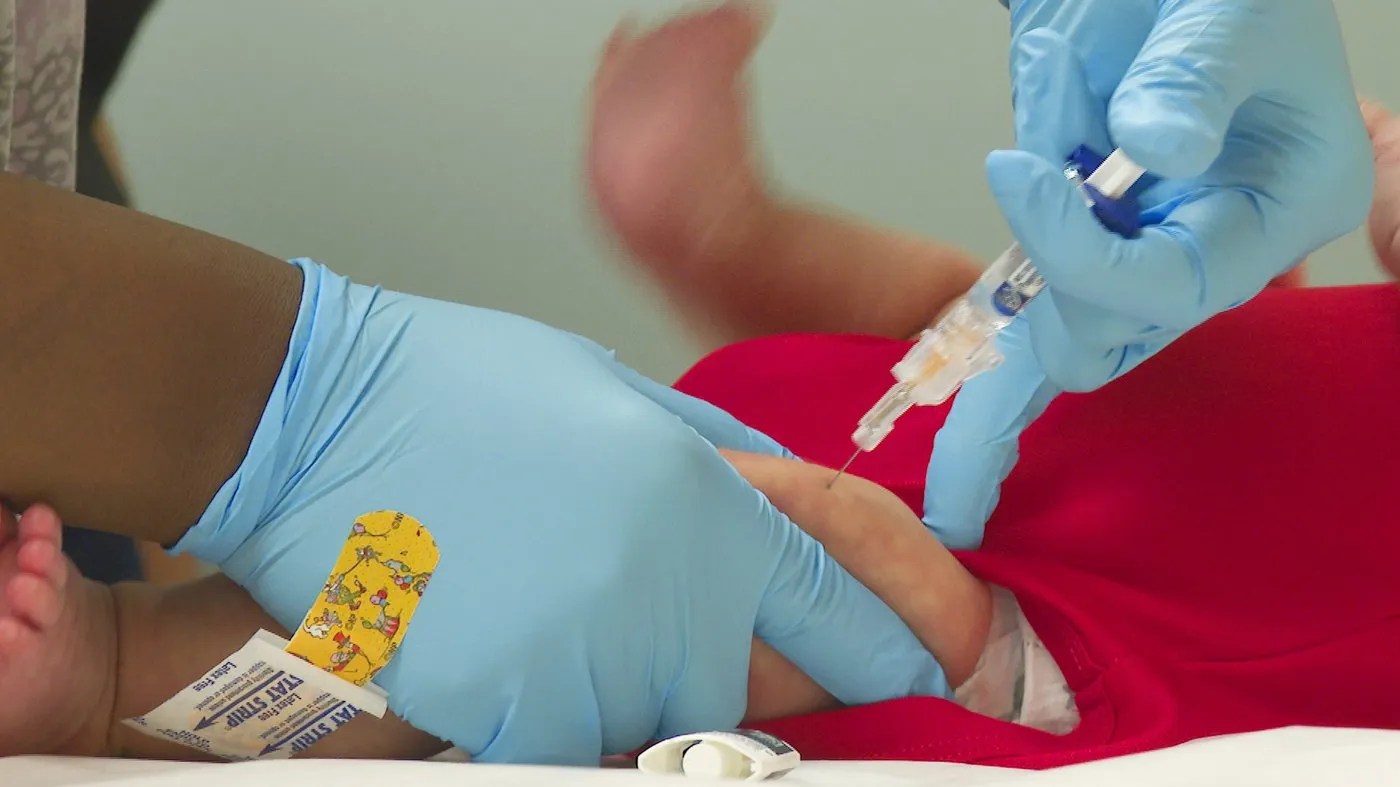
Whooping cough was virtually eliminated in B.C. thanks to immunization, but new cases have been recently reported in the Interior Health region.
The new cases of whooping cough, or pertussis, have prompted Interior Health to remind people to get vaccinated.
The BC Centre of Disease Control said the BC Interior has the highest rate of whooping cough in the province, 4.2 per 100,00 people. There have been 36 cases reported to the centre as of April 30.
The centre for disease control reported that the rate of pertussis was around 21 per 100,000 people in 2016 and dropped to zero in 2021, and slowly started coming back. The rate spiked to nine cases per 100,000 people in 2025.
In 2024, 76 per cent of babies had a dose of the whooping cough vaccine by three months of age. In 2018 that rate was at 82 per cent.
“The most effective way to protect your family and prevent further spread of pertussis is through immunization,” Interior Health said in a press release issued, June 4.
“Infants under one year old are at the greatest risk of severe illness. Most babies who became sick in 2025 required hospitalization. Most cases occur in children and youth who are not fully immunized.”
Whooping cough seems like a normal cold in the beginning with sneezing, runny nose, mild fever and a mild cough. After a week or two the cough becomes severe and lasts for several weeks, developing the “whooping” sound.
People who aren’t immunized are more at risk, along with babies under a year old, pregnant women in their third trimester and those living or working with vulnerable people.
Interior Health said people shouldn’t panic, but be aware and get their kids vaccinated since it spreads easily.
“Pertussis spreads through droplets in the air when an infected person coughs or sneezes and the droplets land on multi-touch surfaces such as doorknobs, counter tops, etc. It spreads easily in homes, schools, camps, and other places where people spend time together or in close contact,” Interior Health said.
News from © iNFOnews.ca, . All rights reserved.
This material may not be published, broadcast, rewritten or redistributed.

This site is protected by reCAPTCHA and the Google Privacy Policy and Terms of Service apply.
Want to share your thoughts, add context, or connect with others in your community?
You must be logged in to post a comment.