Elevate your local knowledge
Sign up for the iNFOnews newsletter today!
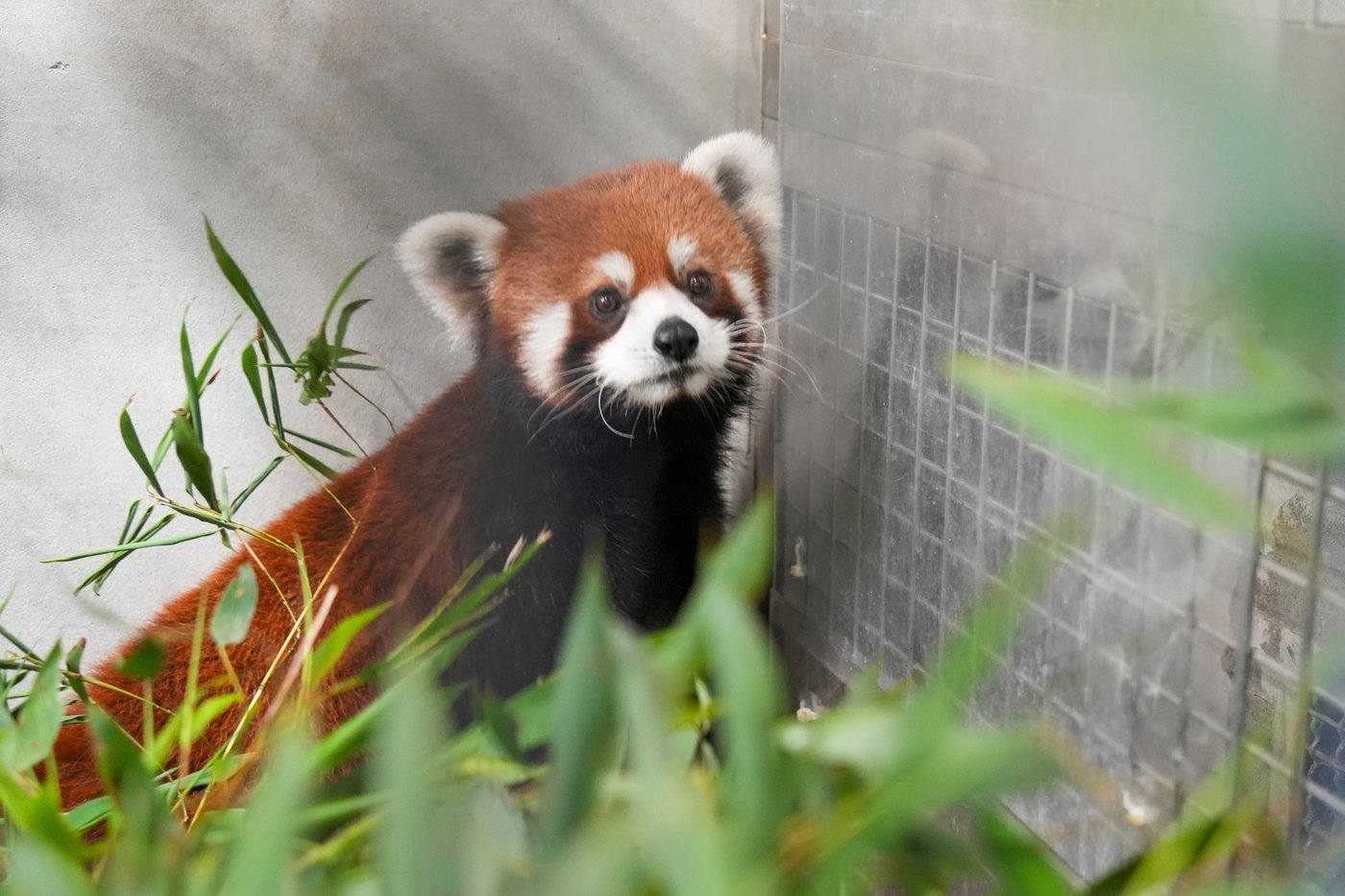
TAIPEI, Taiwan (AP) — A zoo in Taiwan’s capital received a pair of endangered red pandas from China on Saturday, in the first exchange of animals in more than a decade as tensions between the two sides run high.
The pandas, a 3-year-old male and a 2-year-old female, will be in quarantine for a month and then acclimated to their new home in the Taipei Zoo before they are unveiled to the public.
The two pandas have yet to be named. While the male panda immediately began to explore his new home and ate, the female remained cautious and preferred to observe, the Taipei Zoo said.
Taipei last received red pandas from a zoo in China’s Fujian province in 2014, according to the Taipei Times. The animals are endemic to China, as well as Nepal, Laos and Myanmar, among others.
Taipei will send white-handed gibbons to Shanghai as part of the exchange, the Taipei Times said.
While tensions between China and Taiwan, the self-ruled island that Beijing claims as part of its territory, remain high and official contacts between the two governments are cut off, city-level exchanges have continued.

News from © The Associated Press, . All rights reserved.
This material may not be published, broadcast, rewritten or redistributed.

This site is protected by reCAPTCHA and the Google Privacy Policy and Terms of Service apply.
Want to share your thoughts, add context, or connect with others in your community?
You must be logged in to post a comment.