Elevate your local knowledge
Sign up for the iNFOnews newsletter today!
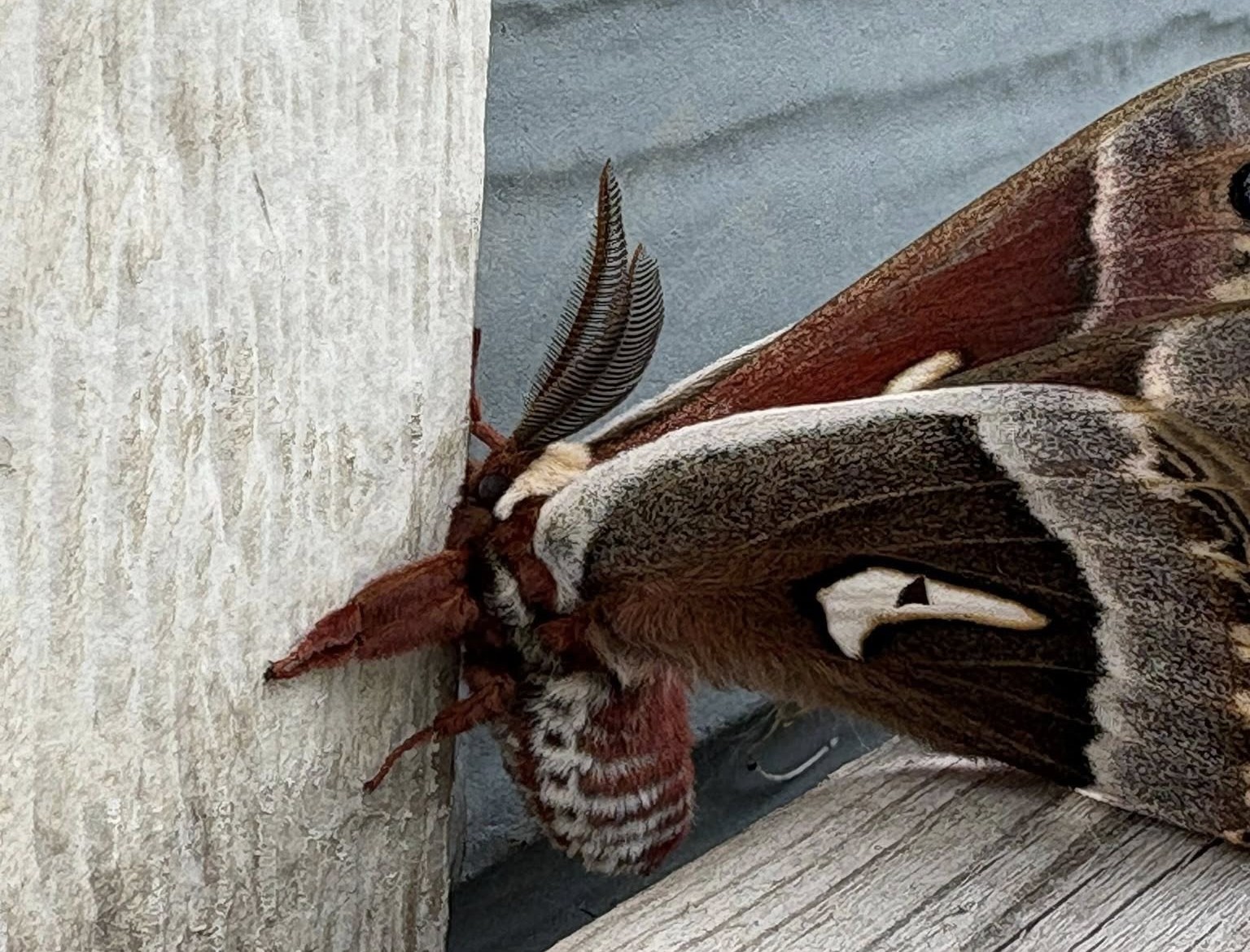
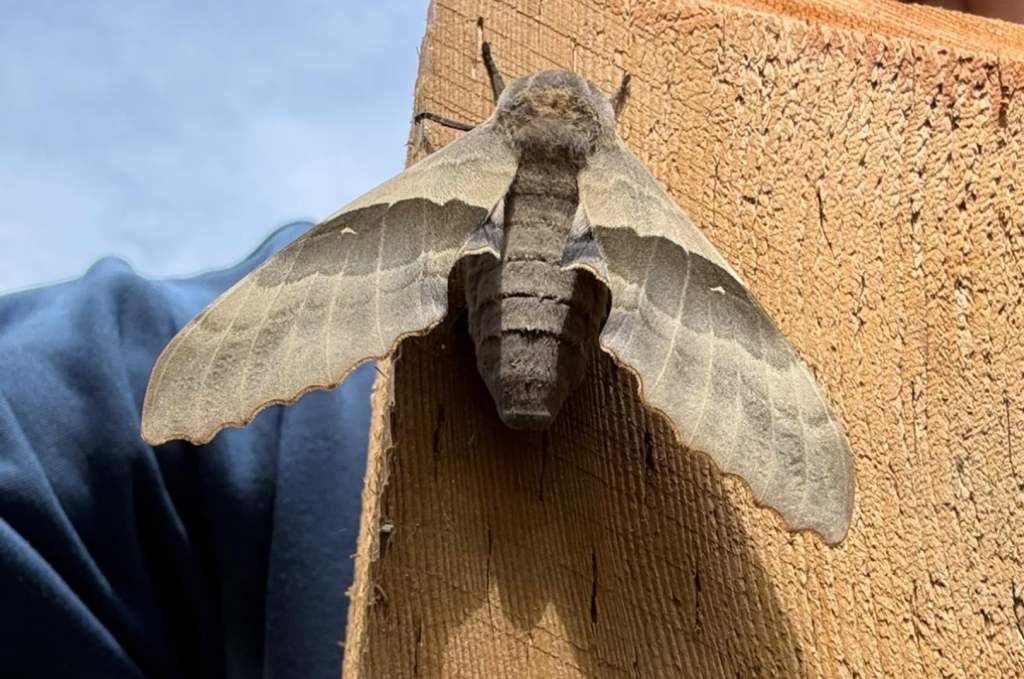
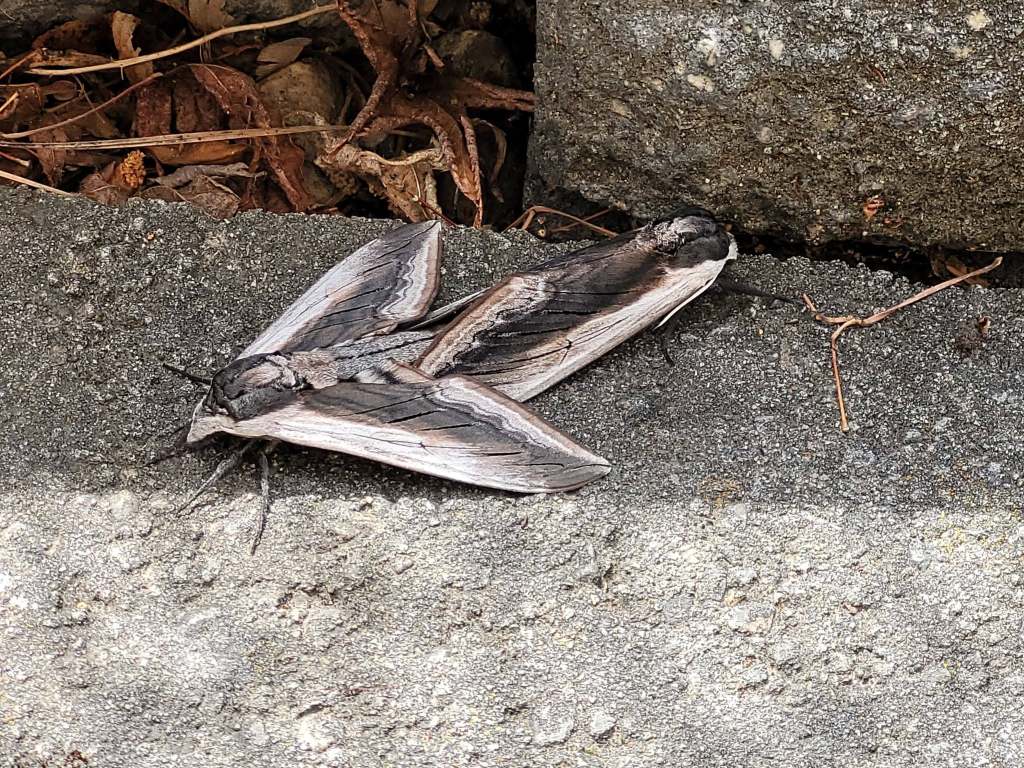
There are a few species of mega-sized moths that are native to the Thompson-Okanagan and they have been spotted on properties in the region in recent weeks, with their impressively wide wings.
Kamloops resident Emma Philip and her children observed a cecropia silk moth last week she described as “startlingly large.”
“It was at our back door for three days and it was fascinating to watch it react to us,” Philipe said. “The closer we were the wider it spread its wings but we learned to keep our distance so it felt safe.
“It was lovely and vibrantly coloured with visible texture on its wings and body. It was right by the garden so maybe it had some good snacks before continuing on its journey.”
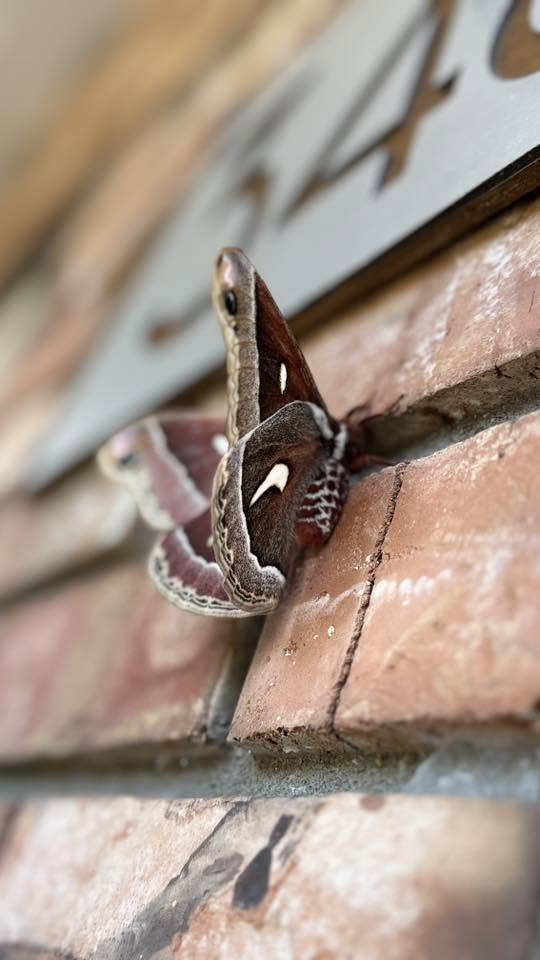
A member of the giant silk moth family, the cecropia silk moth is the largest native moth on the continent with an average wingspan of six inches, according to the National Wildlife Federation.
These moths have reddish bodies and black to brown wings surrounded by bands of white, red and tan. The bodies are hairy with bands of red and white.
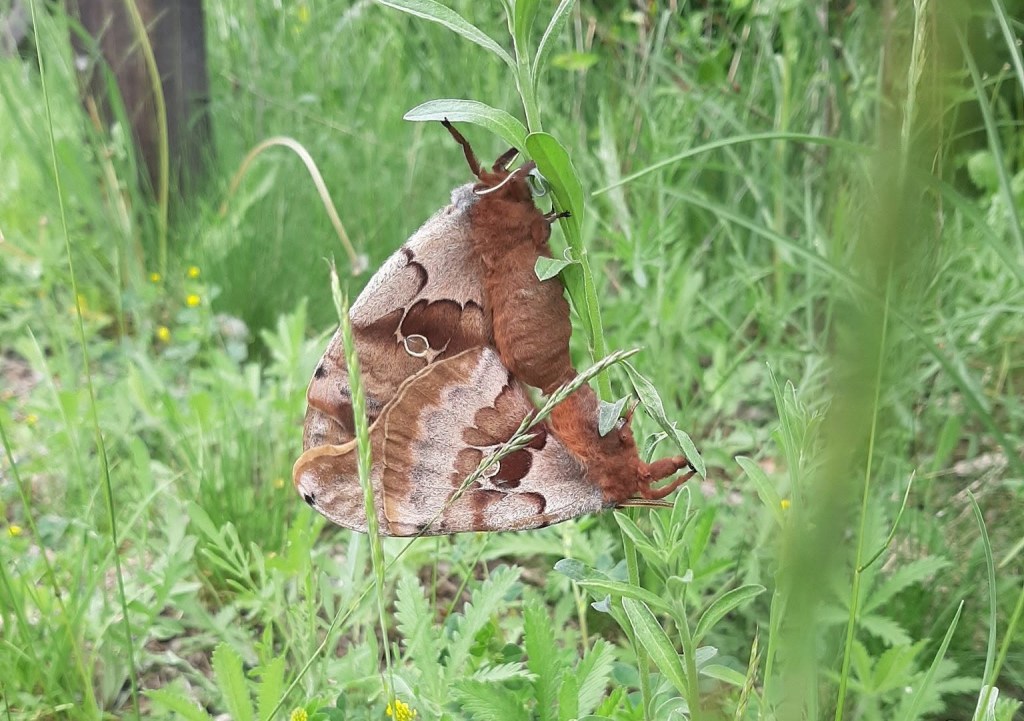
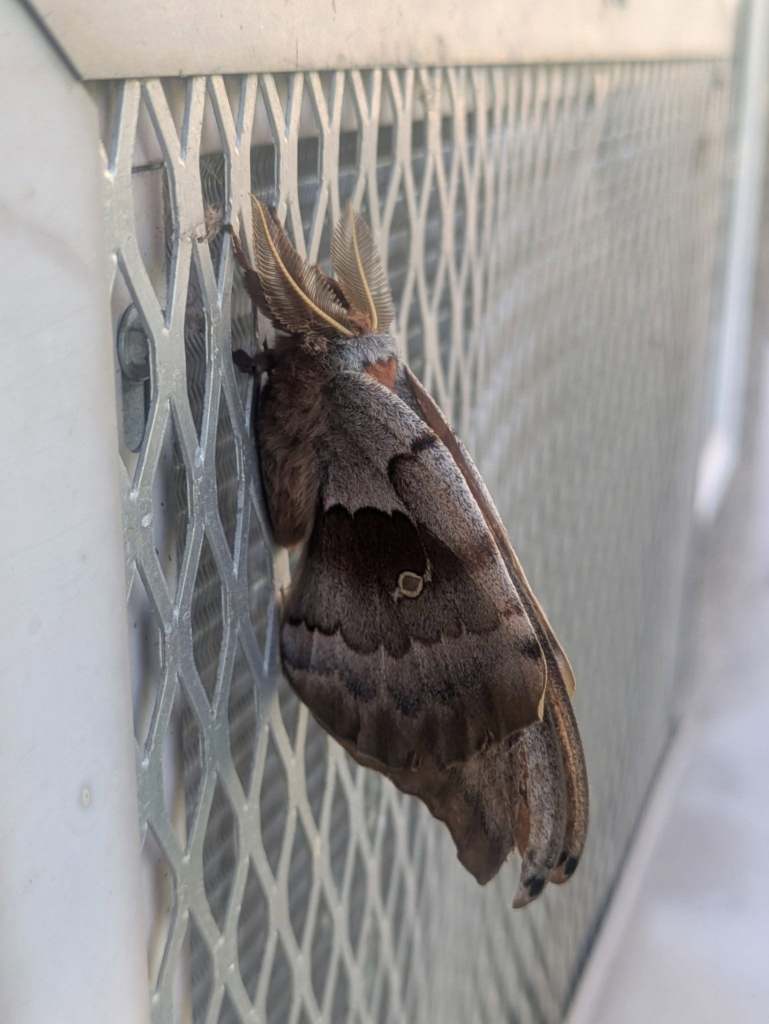
Another mammoth-sized member of the giant silk moth family spotted in the region is the polyphemus moth, one of the most common species in North America and having an average wingspan of five inches.
These moths have brown, furry bodies and feathery brown antennae, and eyespots on their wings that can disorient predators when the moths flap them, according to insectidentification.org.
A third giant moth flying around in the warm months is the sphinx moth, also known as the hawk moth whose wingspan is roughly three-and-a-half inches. These moths have a heavy body and small wings so must have a fast wing beat to stay aloft, according to Research Gate. They use a long proboscis to suck nectar out of tubular flowers while hovering in place, and are therefore often mistaken for hummingbirds.
News from © iNFOnews.ca, . All rights reserved.
This material may not be published, broadcast, rewritten or redistributed.

This site is protected by reCAPTCHA and the Google Privacy Policy and Terms of Service apply.
Want to share your thoughts, add context, or connect with others in your community?
You must be logged in to post a comment.