Elevate your local knowledge
Sign up for the iNFOnews newsletter today!
Elevate your local knowledge
Sign up for the iNFOnews newsletter today!
Select Region
Selecting your primary region ensures you get the stories that matter to you first.
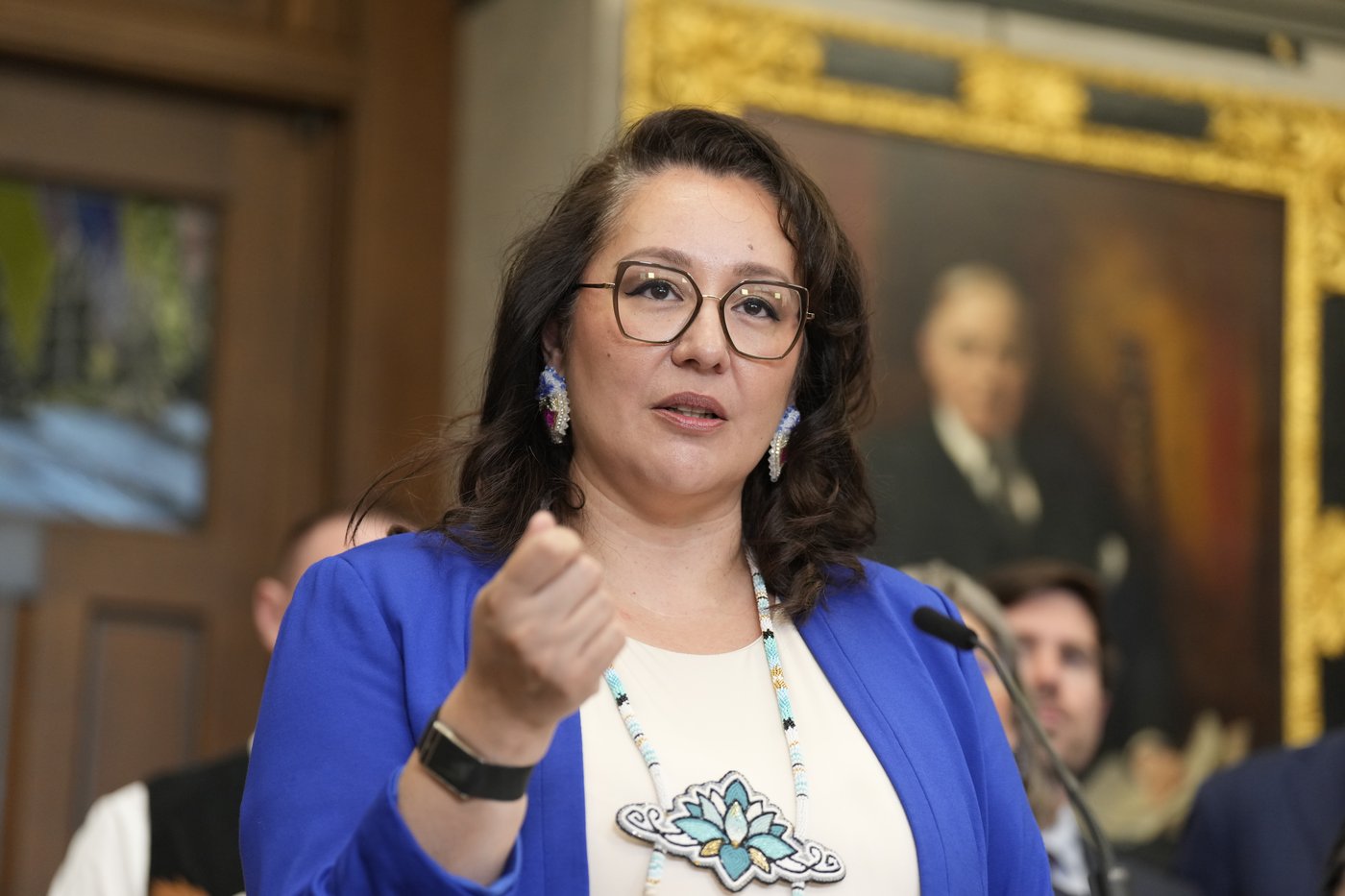
OTTAWA — Indigenous Services Minister Mandy Gull-Masty says new legislation unveiled by her government will create a legislative framework to protect safe drinking water in First Nations communities.
Gull-Masty told reporters on Parliament Hill that Bill C-37, tabled in the House of Commons on Tuesday, will “advance the critical work of addressing long-term drinking water advisories” and recognize First Nations jurisdiction over water on their lands.
She said the new bill is backed by $4.6 billion in funding over five years and described the sum as the single-largest commitment ever made to First Nations water protection.
This isn’t the first time the federal Liberals have put forward clean water legislation — but it is the first attempt by Prime Minister Mark Carney’s government to tackle the issue.
Nishnawbe Aski Nation Grand Chief Alvin Fiddler said the legislation offers a “strong starting point” for addressing the problem. His nation currently has 16 long-term and eight short-term drinking water advisories.
“I have heard many governments over my years promise to make the necessary investments, but we remain in the same position. The legislation introduced today is not perfect but it addresses the most immediate needs of our communities,” Fiddler said in a statement to media.
“It sets minimum standards for drinking water and affirms the inherent right of First Nations to hold jurisdiction in relation to water and wastewater.”
Fiddler said he still worries the legislation “may not adequately address the true costs of ending the water crisis on reserve.”
NDP Indigenous affairs critic Leah Gazan attacked the wording of the bill, calling it weaker than previous attempts by the Liberals to ensure clean and safe drinking water on reserves.
“In 2015, when the Liberal government was elected, they promised to end all water boil advisories. It is now 2026 and, in addition to not fulfilling that promise, they have now confirmed that they do not even recognize clean drinking water as a human right for First Nations,” Gazan said in a media statement.
Gull-Masty said the new bill was written so that it will “stand the test of time.”
Bill C-37 states the federal government will “further the progressive realization, for individuals on First Nation lands, of the human right to safe drinking water, as protected by the International Covenant on Economic, Social and Cultural Rights.”
The previous bill affirmed the “human right of every individual on First Nations land to have access to clean and safe drinking water in accordance with this Act.”
That bill, the now-defunct C-61, was introduced in 2023 by the government of then-prime minister Justin Trudeau, but it died when Parliament was prorogued last year.
Patty Hajdu, Trudeau’s Indigenous services minister, introduced the 2023 bill in response to a lawsuit against the government that was settled in 2021.
The text of that bill went beyond the terms of the settlement. It included an option for source water protection and recognition that First Nations have a human right to clean drinking water.
C-61 was opposed by the provinces of Alberta and Ontario, which warned that it would undermine resource development. The Trudeau-era bill was drafted with input from First Nations and nearly became law after weeks of study and debate before it died on the order paper.
In January 2025 — months before the last federal election — Hajdu said she hoped whoever is “in government next time picks this up” and called C-61 “incredibly thoughtful legislation that was co-drafted with First Nations people.”
Gull-Masty promised last summer that a new bill would affirm First Nations’ human right to clean drinking water. She initially promised to introduce the legislation in the fall but failed to do so.
Some First Nations leaders said they were not consulted on the new legislation.
The House of Commons is expected to rise by the end of this week for the summer break, which means the legislation likely won’t be debated or voted on until the fall.
This report by The Canadian Press was first published June 15, 2026.
— With files from Kyle Duggan
News from © The Canadian Press, . All rights reserved.
This material may not be published, broadcast, rewritten or redistributed.

This site is protected by reCAPTCHA and the Google Privacy Policy and Terms of Service apply.
Want to share your thoughts, add context, or connect with others in your community?
You must be logged in to post a comment.