
Kamloops couple turns tiny space into year round healthy food buffet

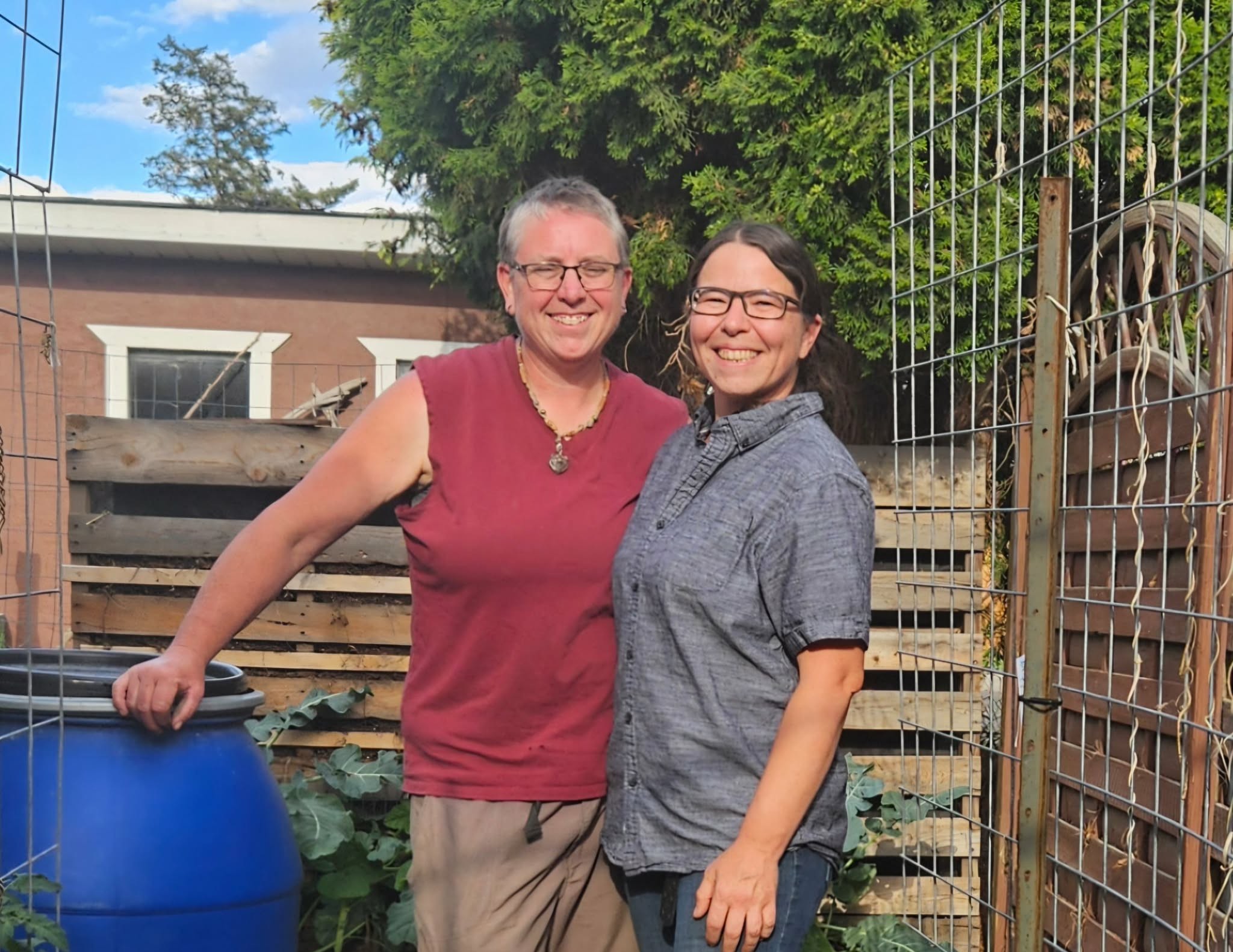
A couple living in a mobile home in Kamloops don’t let the small space prevent them from growing and eating fresh produce all year round.
Crystal Roman and Karin Wilds use every last bit of space inside and outside to produce food, made possible by Wilds’ education in permaculture design.
“We produce enough food to feed ourselves all year round,” Wilds said. “There are many little things you can do as a permaculture designer to use small spaces to produce a lot of food.”
SUBMITTED/Crystal Roman
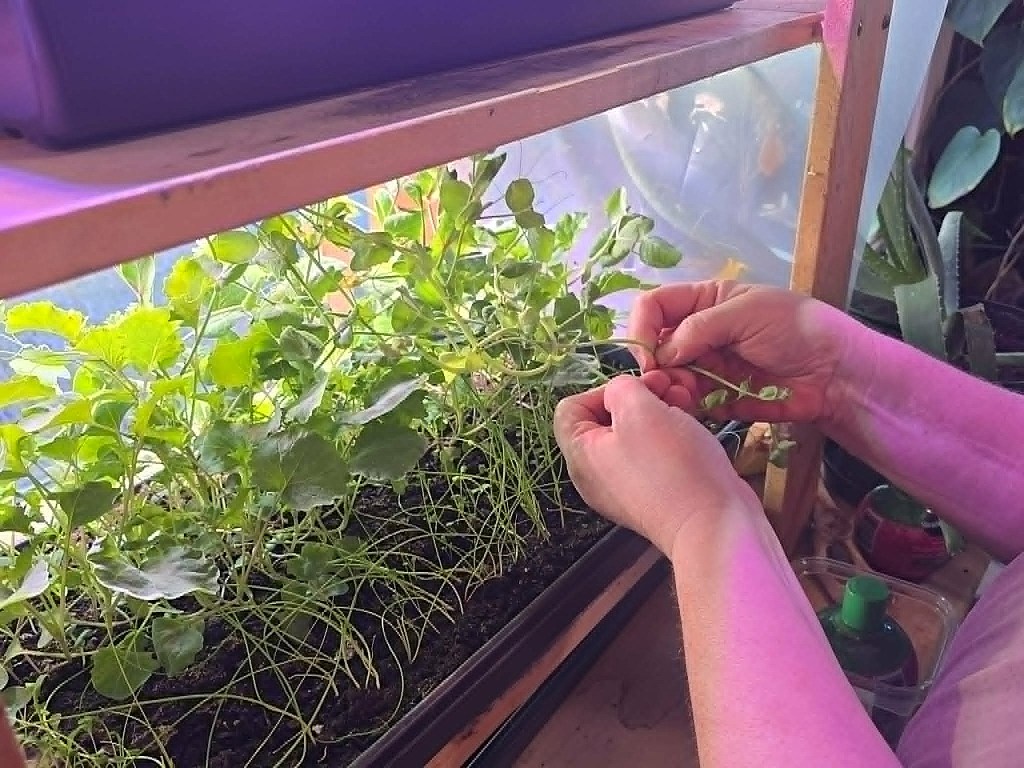
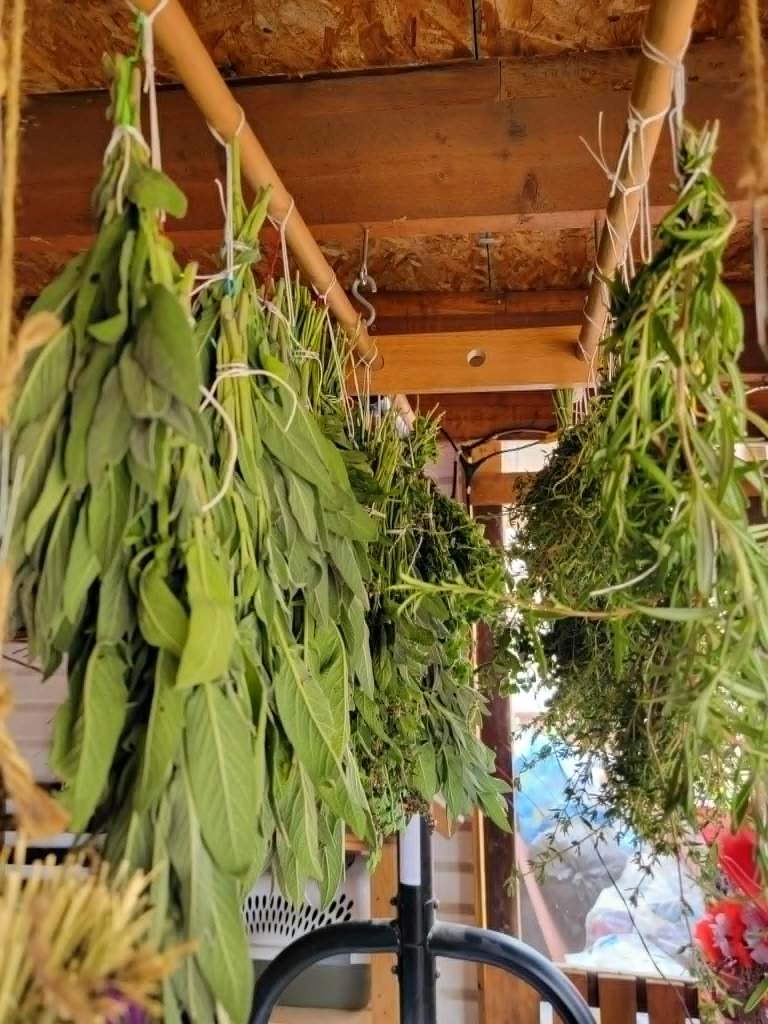
Inside the little home are rows of potted plants, a crawling vine, a makeshift greenhouse in the window and bundles of hanging herbs.
Outside, one little garden space rolls into another and another all the way around the house. There is a greenhouse, a rabbit hutch and a composter.
While nothing is planted in neat, tidy rows, everything is designed with a purpose.
“The definition of permaculture is broad but in a nutshell it’s a design system based on natural cycles and the idea that everything has multiple functions within a system,” Wilds said. “People mainly think of it in a food production sense, but the principles can be used in other models.
“It’s all about looking at the patterns around you in nature and finding the patterns that work.”
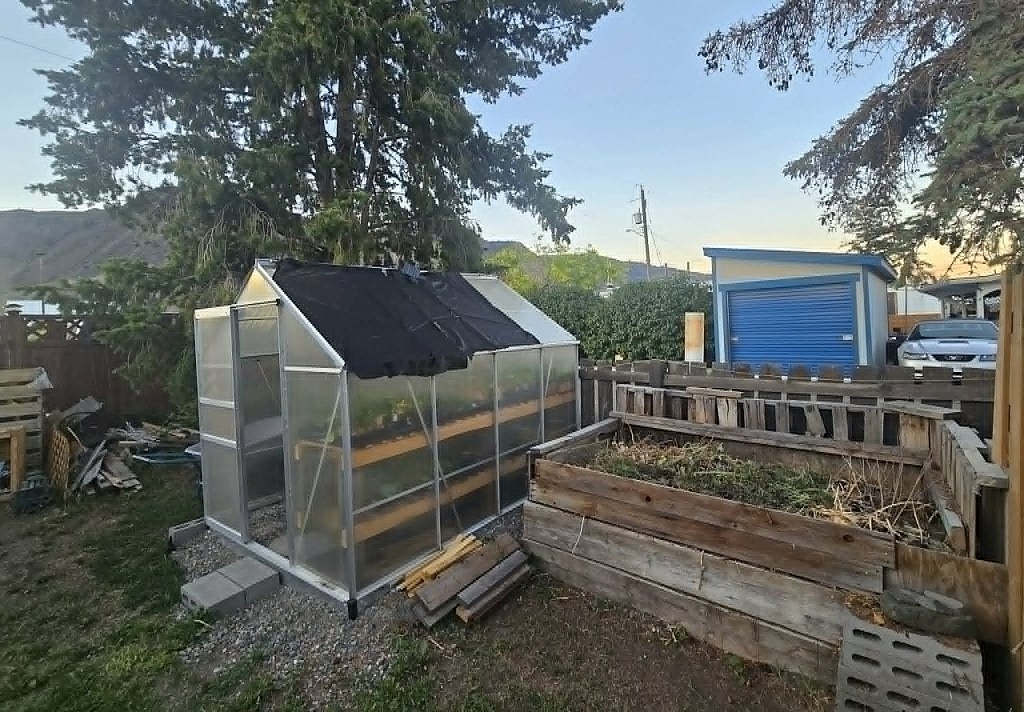
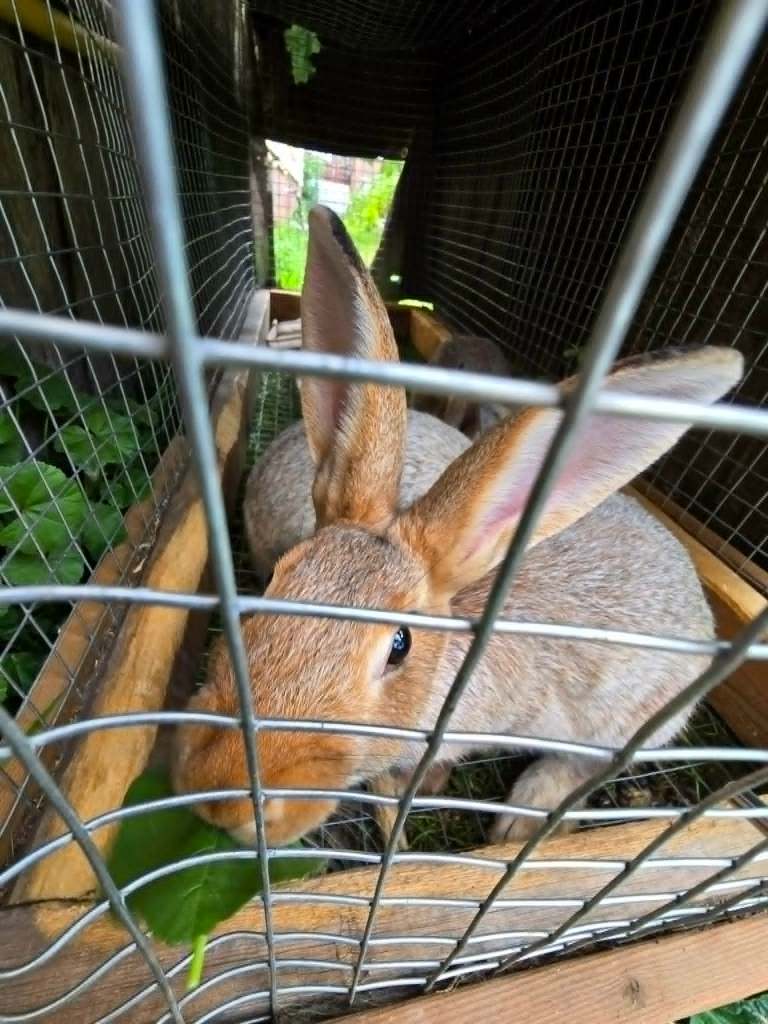
The couple houses rabbits in a hutch that eat the weeds on the property. Their feces goes onto the gardens that in turn grow more weeds to feed the rabbits. Old straw and poop under the cages get layered into the compost bin along with yard waste to produce wheelbarrows full of rich soil.
A little garden of broccoli and squash plants serves as an example of what Wilds calls companion plant stacking. The broccoli needs cool weather and is almost finished producing. As soon as its done, the squash will grow in to take over the space, grow up a trellis and provide shade for onions to grow underneath it.
A pathway has tomato plants growing against a trellis along each side. As they grow, Wilds trims off the bottom branches to provide space and shade for growing salad crops.
“In permaculture we talk about stacking layers, and you can stack in space and in time,” Wilds said. “The broccoli is an example of stacking in time, it’s harvest is timed with the squash coming into the same space. The tomatoes are an example of space stacking, they provide shade for another crop to grow at the same time.”
Around the corner is a long stretch of “food forest.”
It’s a mix of perennials and annuals, with some plants placed to attract pollinators and others placed to deter pests.
Many of the plants in this section are edible and end up in flavourful salads including root beer hyssop that tastes and smells like root beer, Egyptian walking onion that tastes spicy, and the seedpods of a brussels sprout plant that taste like radish and are thrown into stirfries.
SUBMITTED/Crystal Roman
Most of the seeds the pair use for planting are from their own plants. Every year they keep the seeds from the best plants with the qualities they want.
“It’s fun, in the fall when all the seed and produce is coming into our house it looks like a market,” Wilds said. “It’s so satisfying to have that abundance around you.”
Wilds spends every day growing food, following her passion for eating seasonally and locally.
“I have my routine, I go out and do garden maintenance and collect what’s ready, put it on the table and figure out what’s for dinner that night, that’s part of the fun of eating with the seasons,” she said.
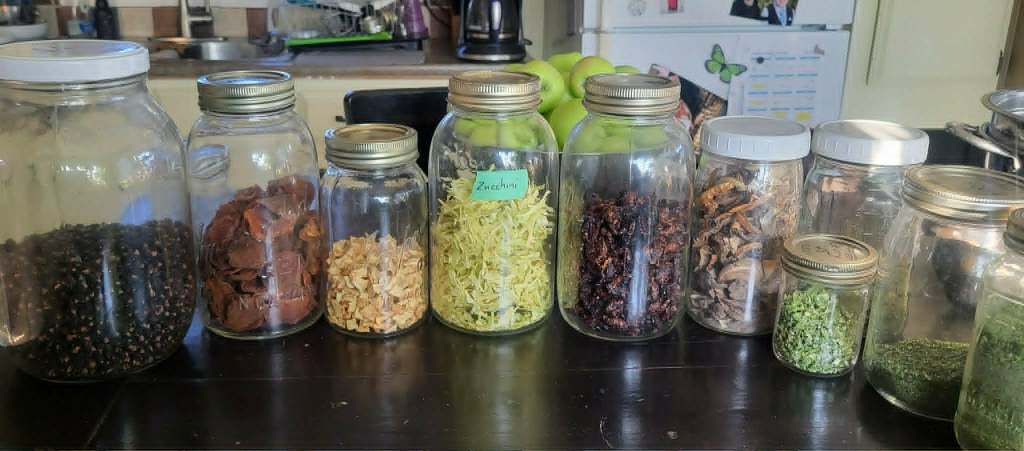
Much of the produce is dehydrated, canned or frozen for the colder months, however, some root vegetables are accessible all winter long.
“I’m a believer in not stripping out the garden in the fall, even in the colder months we go out and pick dinner from the garden,” Wilds said. “It’s not a lot, but things like potatoes and carrots can stay in the ground all year round.”
The couple also owns a herd of goats on another small property in Kamloops for meat, but mostly for milk they make cheese out of, but in order to feed themselves locally all year round, they must keep away from a grain-based diet.
“Grain takes space. If you want a loaf of bread everyday you better have an acreage,” Wilds said. “I’ve grown grains on a small scale, amaranth and quinoa, but it’s not enough to meet daily calorie needs. For that you need to focus more on potato and squash, the stuff that gives massive amounts of calories in small spaces.”
Mostly, the lifestyle costs time.
“Trying to break that down into how much it costs financially is impossible,” Wilds said. “You can’t put a value on that feeling of sitting down to a meal that came from your back yard and your family is saying it’s really good.”
The couple enjoys exploring the surrounding areas and finding edible foods growing naturally.
“We eat from the garden as much as we can and we eat a lot of foraged food too from the forest,” Wilds said. “We go out and nibble on the trees.”
News from © iNFOnews.ca, . All rights reserved.
This material may not be published, broadcast, rewritten or redistributed.

Join the Conversation!
Want to share your thoughts, add context, or connect with others in your community?
You must be logged in to post a comment.