Elevate your local knowledge
Sign up for the iNFOnews newsletter today!
Watching Canada embrace the FIFA World Cup has been a “breathtaking” experience for Kevin Blue.
The co-host nation rallied not only behind the tournament, but truly celebrated the country’s team, said Canada Soccer’s CEO.
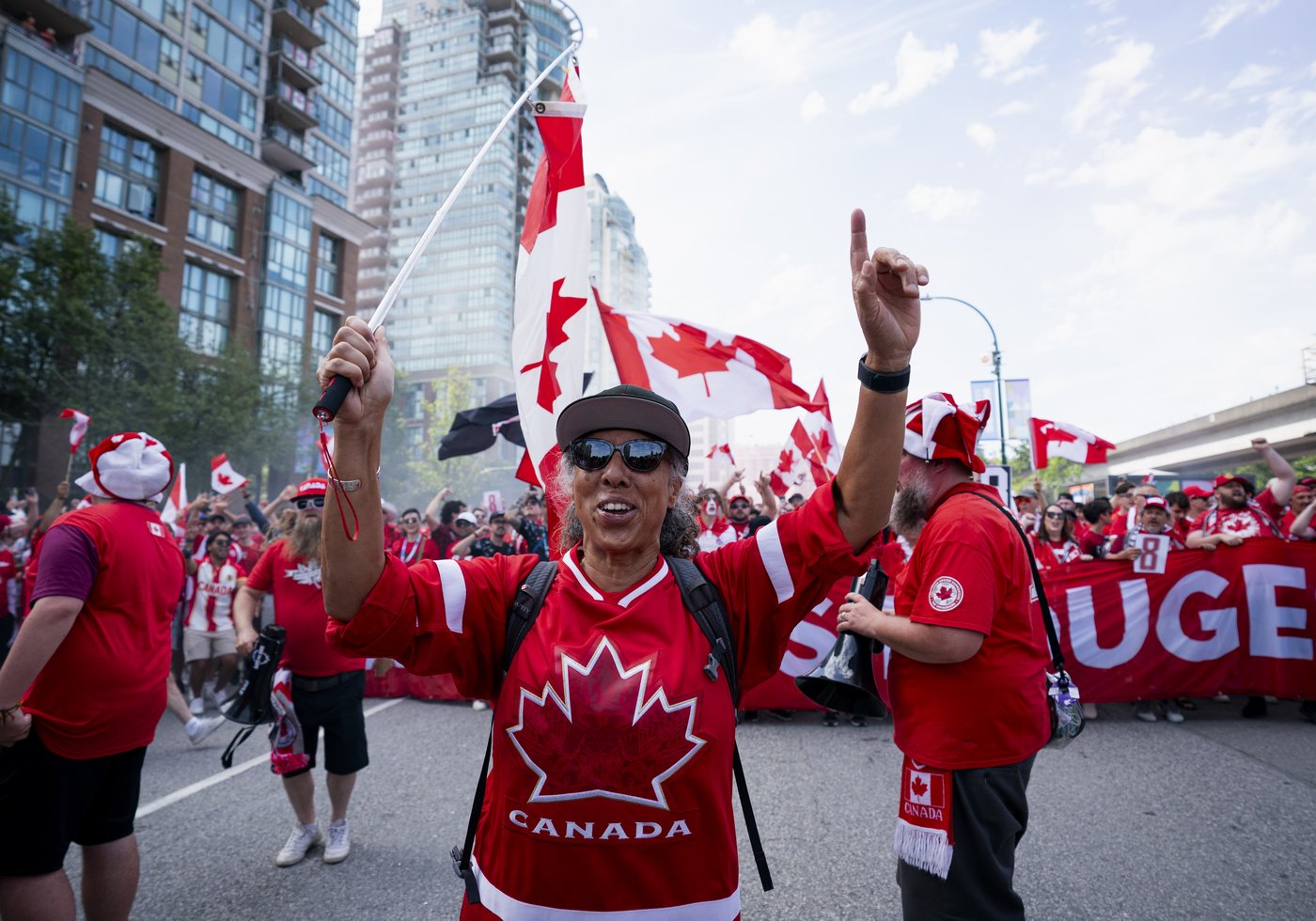
“There was one instance where we were on the way to the venue in Vancouver, in the motorcade, and there’s people lining the streets, cheering and waving their hands at the bus, and people that are waiting at red lights are honking their horns in support of the team,” Blue recalled in a video press conference on Monday.
“The people in Vancouver and the people in Toronto embracing this national team in the way that they did was emotional for a lot of us, and especially the players who are from those areas. Just the way those cities transformed to be behind them was just extraordinary.”
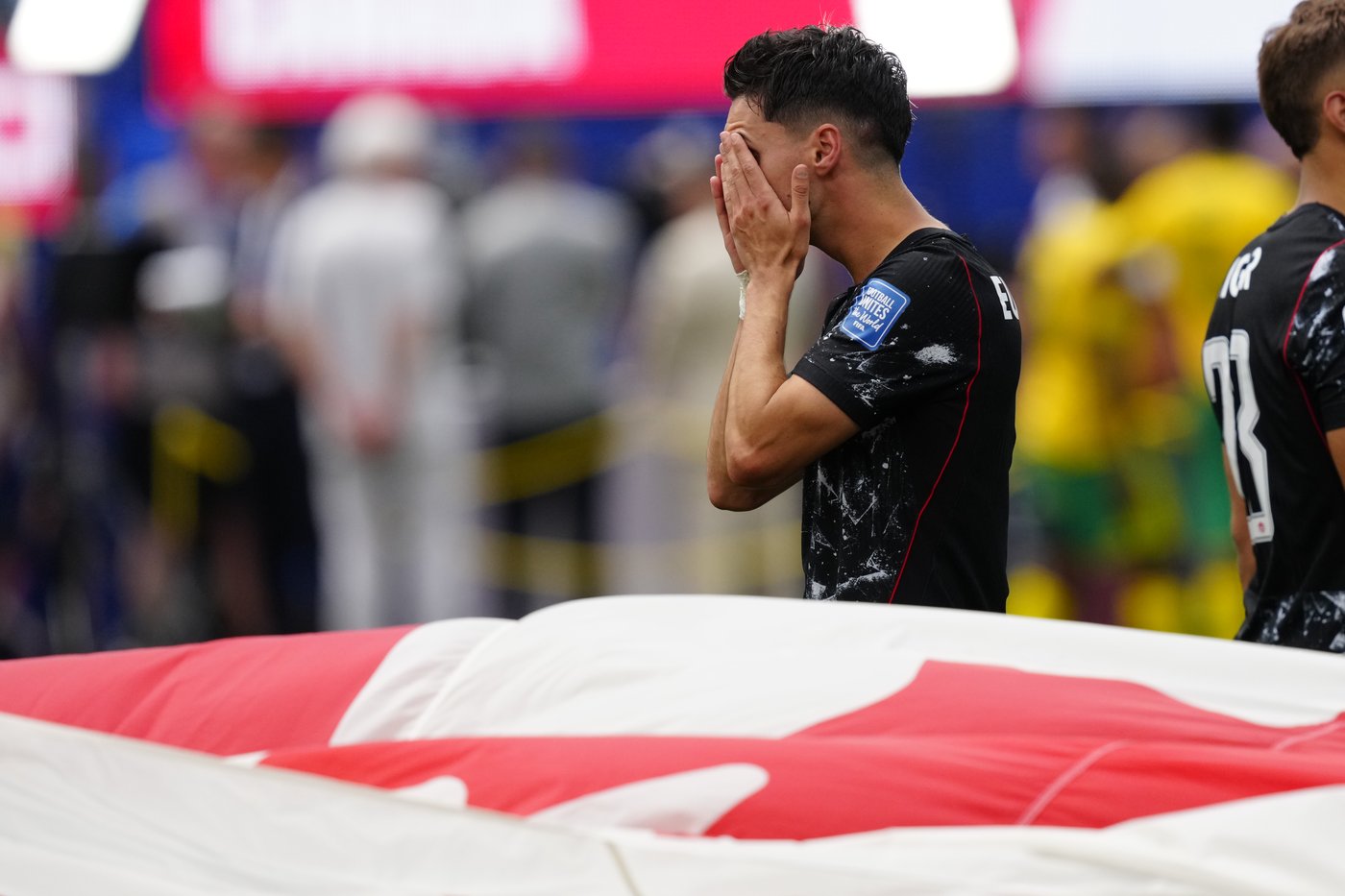
Canada’s breakout World Cup performance came to an end Saturday when Les Rouges fell 3-0 to Morocco in the round of 16.
The result punctuated a run where the nation earned its first point and first win in the men’s tournament, captured its first spot in the knockout round, then posted its first knockout-round victory.
The tournament was “successful on a variety of fronts,” Blue said, but there’s still ample work to be done in growing the sport across the country.
“The World Cup in 2026 was always positioned to be a catalyst, not a finish line,” he said. “And the legacy of this World Cup will come in many different forms.”
Plans continue for the creation of a national training centre, Blue said, and work needs to be done on strengthening youth teams and building pathways for talented young athletes across the country to reach the men’s and women’s national teams.
There’s a need, too, he said, to reach out to new fans of the game and show them that the sport exists well beyond the World Cup.
“There are professional soccer clubs in many communities across Canada, and we hope that the World Cup will inspire people to go buy tickets and attend games and consume them on TV,” Blue said.
“We will have friendlies in the next few windows, both on the women’s and men’s teams, that are domestically played, and we are hopeful that those venues will be full of fans who enjoyed the men’s World Cup this summer.”
The Canadians weathered adversity throughout their World Cup journey, including in a 6-0 victory over Qatar when midfielder Ismaël Koné broke his leg in two places thanks to a tackle from behind.
Injuries were a dominant story for the national team long before the national squad was named.
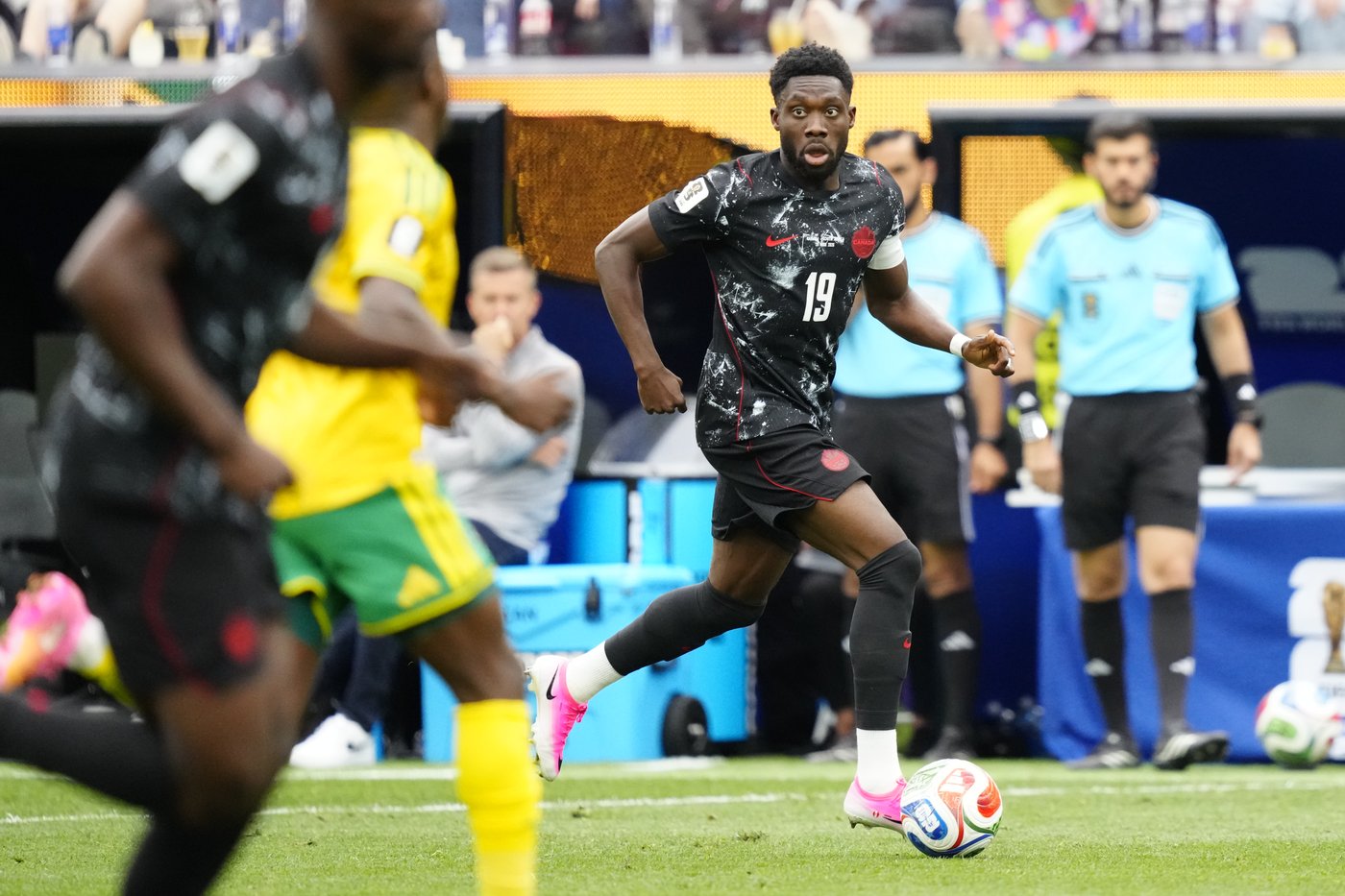
Captain Alphonso Davies saw his role limited by a hamstring injury he picked up in early May while playing for Bayern Munich in a Champions League semifinal.
The 25-year-old left back did not join training camp in Charlotte, N.C., late that month, but was still named to the 26-man roster by head coach Jesse Marsch. He joined his teammates in Edmonton ahead of the World Cup, bringing along a personal trainer from Germany, and worked his way through return-to-play protocols over much of the next several weeks.
Davies missed all three of Canada’s group-stage games before coming on in the 74th minute of the nation’s 1-0 victory over South Africa in round-of-32 play. He then opted to sit out the round-of-16 matchup with Morocco after feeling something in training.
The star athlete’s presence was still important to the Canadian squad, Blue said.
“When taking into consideration Alphonso’s contributions that are multi-faceted with our program — whether this be off-field leadership or leadership in training, or the impact that he had on the game that he did play … and the prognosis that was articulated when we were starting the camp — the decision to bring Alphonso was an absolute obvious one,” he said.
“It’s unfortunate that he wasn’t able to play in the Morocco game, but … I’m sure if you asked Jesse, he would say that he would do the same thing again.”
Canada earned USD$18.5 million for its success at the World Cup, but Blue cautioned that Canada Soccer won’t be using all of that prize money to help grow the sport.
FIFA gave each of the 48 countries participating in the tournament $2.5 million for preparations and another $10 million for participating in the group stage.
Of that $10 million, a portion goes to Canada’s athletes as compensation and to help cover the costs of bringing loved ones to games, Blue said. Another chunk will go toward Canada Soccer’s budget.
Canada received an additional $2 million for advancing to the round of 32 and $4 million for getting to the round of 16.
A collective bargaining agreement ratified earlier this year requires half of that money to go into a prize pool that will be split with the women’s program if they qualify for the 2027 World Cup. If they don’t, the money goes back to Canada Soccer to be reinvested in grassroots soccer and youth national teams.
The other half of the money is used by Canada Soccer for increased expenses that come with advancing in the World Cup, including bonuses earned by the coaching staff.
The total pot isn’t a “windfall,” Blue said.
“It’s positive for sure,” he said. “But as a business strategy, advancing in the World Cup is not necessarily the primary lever that we’re trying to pull for revenue.”
This report by The Canadian Press was first published July 6, 2026.
News from © The Canadian Press, . All rights reserved.
This material may not be published, broadcast, rewritten or redistributed.

This site is protected by reCAPTCHA and the Google Privacy Policy and Terms of Service apply.
Want to share your thoughts, add context, or connect with others in your community?
You must be logged in to post a comment.