Elevate your local knowledge
Sign up for the iNFOnews newsletter today!
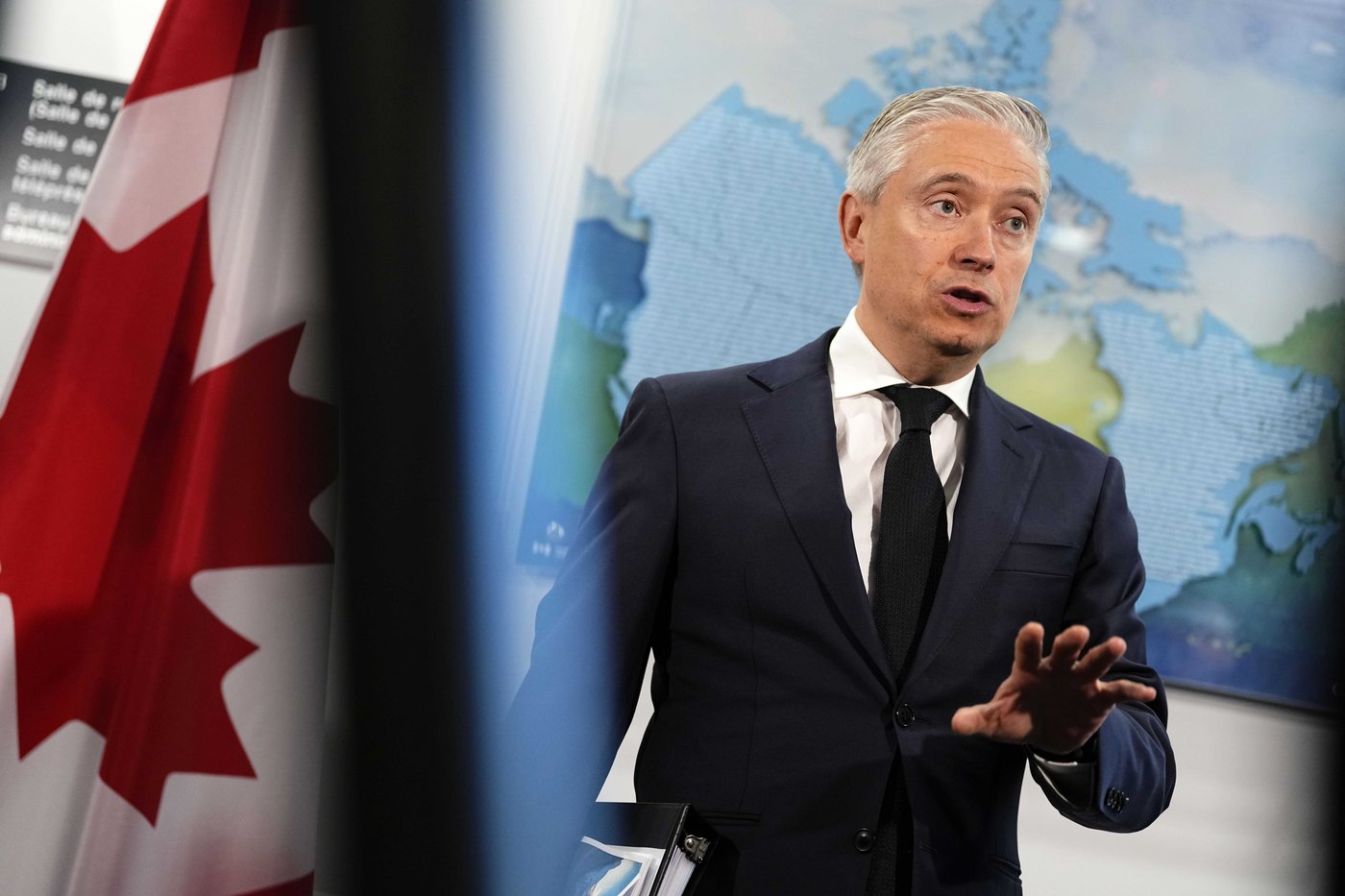
OTTAWA — Finance Minster François-Philippe Champagne asserted Monday that the Liberals are keeping federal finances under control even as key defence and infrastructure spending details remain under wraps.
Champagne told reporters Ottawa has been “very transparent” with Canadians about the pace of federal spending and the need to focus on what the government can control in a period of geopolitical instability.
He said last week’s commitment of federal funding for a proposed pipeline from Alberta to the B.C. coast will help turn Canada into a global energy superpower.
‘There are still going to be discussions as to the exact financial model behind it,” Champagne said in response to questions about what the public contribution to that project would look like.
Champagne also said the federal government is following a model successfully executed by other nations that sees higher defence spending fuel innovation in the country.
“Canada is no different. We’ll do that in a very smart way and in a way that can benefit workers, that can benefit industries and across the nation,” he said.
Reporters pressed Champagne for details on how Canada would pay for rising defence commitments as Prime Minister Mark Carney prepares to head overseas for the NATO summit in Turkey this week.
Canada marked a milestone earlier this year when NATO confirmed the country had met the group’s target of spending two per cent of GDP on defence.
But that bar is set to rise in the years ahead, hitting five per cent of GDP by 2035. About 1.5 per cent of that figure can be on related defence spending, such as transportation infrastructure.
Champagne said the government has been clear about demands for defence spending and claims Canada is on track to meet the NATO targets. He pointed reporters to annexes in the 2025 budget and the recent spring economic update for details.
“We have provided the direction of that, and as programs and as acquisitions are coming forward, we’ll provide more detail on these things,” he said.
Ottawa’s published fiscal projections only show defence spending commitments out to 2030-31.
The parliamentary budget officer and other critics have meanwhile said there’s a gap in the federal books around a proposed path to the five per cent target.
A May 4 report from Parliamentary Budget Officer Annette Ryan projects that Ottawa would need to reach $159 billion in core defence cash spending by 2035-36 to meet the NATO targets.
Absent other savings, that would raise the federal deficit by $63 billion and push the debt-to-GDP ratio up 6.3 percentage points, according to her office’s projections.
Prime Minister Mark Carney said in May if Ottawa put out a full defence spending plan last year, it would already be dated because of how quickly modern warfare is changing.
En route to Turkey for the NATO summit, Carney stopped Monday in Halifax to announce German firm TKMS as the successful bidder for Canada’s next generation submarine fleet — a procurement he said marks “the largest in Canadian history.”
Canada is planning to buy up to 12 submarines, and the estimated purchase cost has been pegged at as much as $24 billion. Maintenance and operations costs are much higher.
Champagne made his comments to reporters ahead of an event on Monday to launch pre-budget consultations for the fall spending update.
Members of the media were invited to sit-in on his opening remarks with a roundtable of business leaders from the Canadian Chamber of Commerce but were escorted out before discussions began.
Champagne suggested to reporters that the federal government is planning measures in the 2026 budget that will support its ability to grow the economy and meet its defence commitments.
“We’re investing in the things that will generate growth to the country and therefore making sure that we can afford what we’re going to be doing in order to meet our NATO requirement,” he said.
This report by The Canadian Press was first published July 6, 2026.
— with files from Kyle Duggan
News from © The Canadian Press, . All rights reserved.
This material may not be published, broadcast, rewritten or redistributed.

This site is protected by reCAPTCHA and the Google Privacy Policy and Terms of Service apply.
Want to share your thoughts, add context, or connect with others in your community?
You must be logged in to post a comment.