Elevate your local knowledge
Sign up for the iNFOnews newsletter today!
Elevate your local knowledge
Sign up for the iNFOnews newsletter today!
Select Region
Selecting your primary region ensures you get the stories that matter to you first.
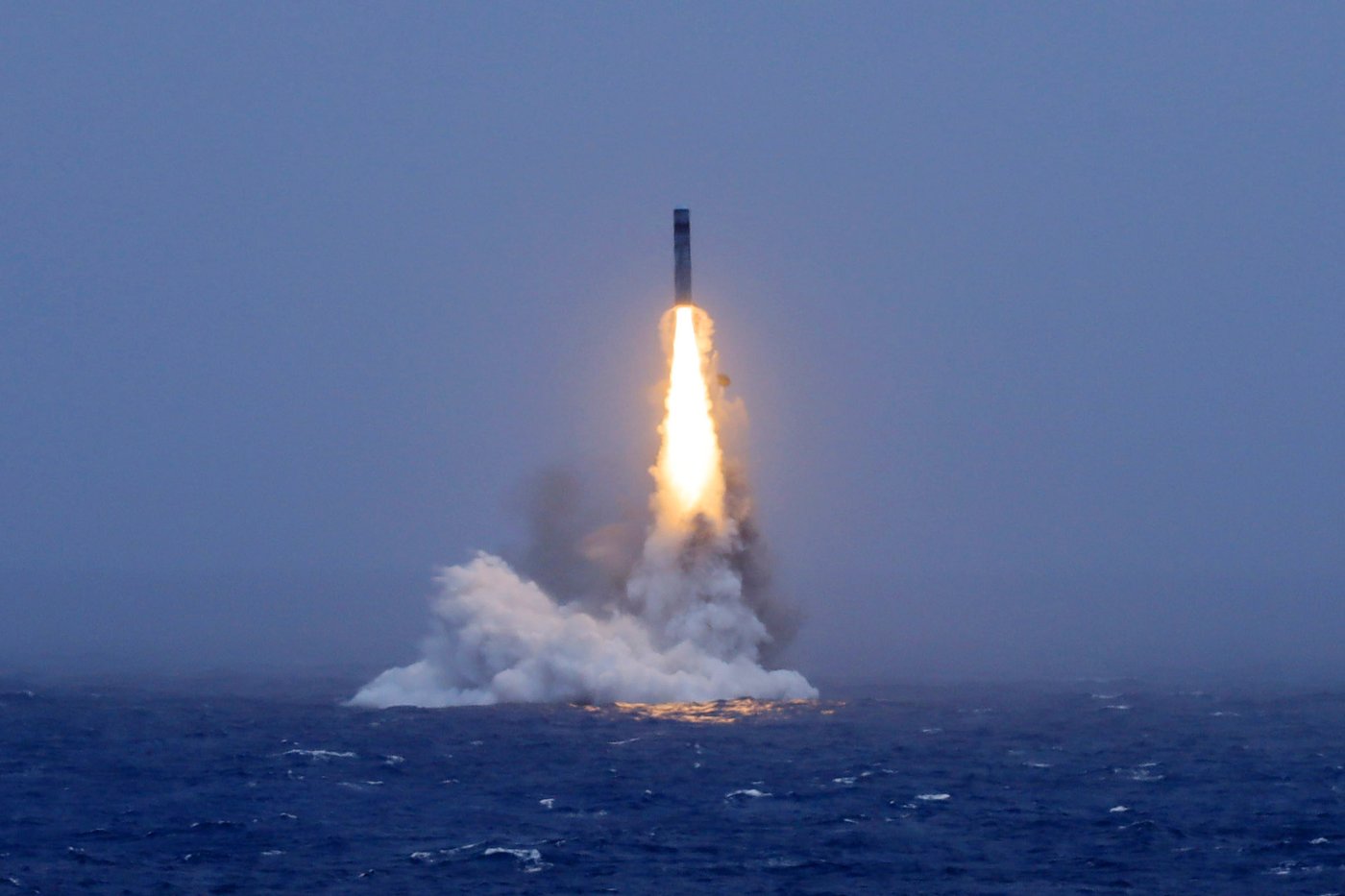
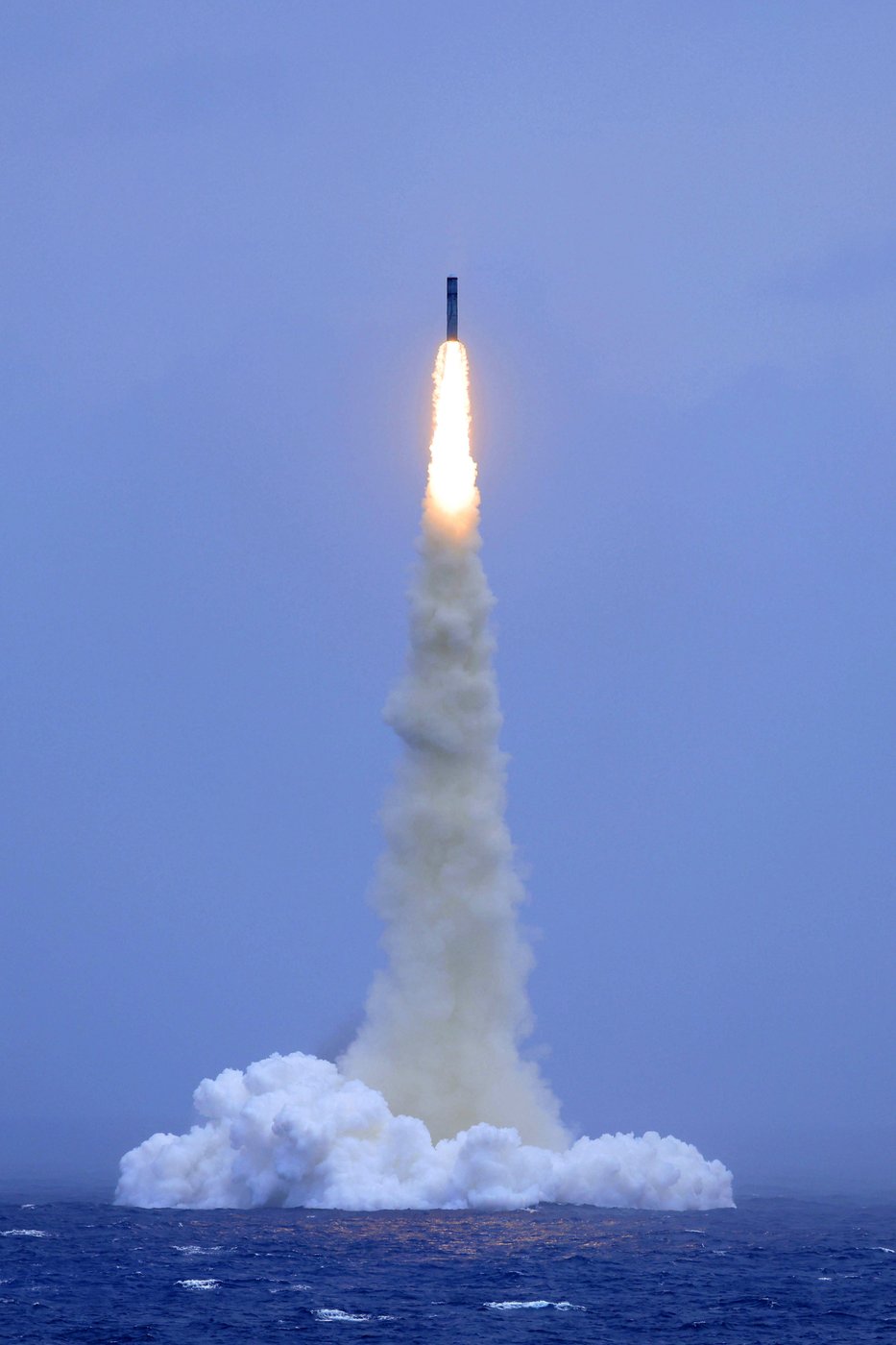
BANGKOK (AP) — When China launched a ballistic missile into the South Pacific Ocean on Monday, it was a rare test of a nuclear-capable weapons system that drew international rebuke.
Arriving two years after a similar missile launch in international waters in the Pacific, the test by the People’s Liberation Army caught the attention of small island nations whose leaders have increasingly urged bigger countries to stop using the vast oceanic region for power struggles. But Beijing’s message was largely for just one country, experts say: the United States.
“The most important message is the PLA is becoming a powerful military with a very strong strategic nuclear capability,” said Tong Zhao, a senior fellow with the Nuclear Policy Program at the Carnegie Endowment for International Peace, a think tank.
The test, launched from a nuclear-powered submarine, was a demonstration of the sea-based leg of China’s nuclear triad capability, which refers to the ability to have land, sea, and air-based nuclear systems.
Further, it showed that China’s military has what is called a second-strike capability, said Dominic Meagher, a research fellow at the Crawford School of Public Policy in Australia. That means even if China was attacked first, it still has the ability to strike back, because the ability to fire could be anywhere, in the ocean or on land.
Beijing said the launch was part of annual exercises, suggesting that it may conduct similar launches in the future.
“I would see this as a systematic move, not an isolated event,” said K. Tristan Tang, Nonresident Fellow at the National Bureau of Asian Research, in emailed comments.
The missile testing comes as China is also racing to build more nuclear-powered submarines. In the past five years, China has been building these types of submarines faster than the U.S., according to a report from the International Institute for Strategic Studies, a think tank.
For countries in the Pacific, launch recalls grim nuclear history
However, the use of international waters, specifically treaty-protected waters where nuclear testing is prohibited, drew criticism from countries in the region. The waters of the South Pacific Ocean are contested because they’re strategically important and rich with fishers and minerals.
For Pacific nations, nuclear testing in particular recalls historical harm. The U.S., the UK and France have all detonated nuclear warheads in the Pacific, causing environmental contamination and health issues such as cancers and birth defects that some island nations say they are still recording generations later.
“Those tests resulted in outrage and resulted in treaties to prevent future tests, and that includes the nuclear test ban treaty and the Treaty of Rarotonga, said Meagher. “These kinds of missile tests haven’t been conducted since.”
Monday’s missile landed in the South Pacific Nuclear Free Zone, which was established by the 1986 Rarotonga accord, which prohibits nuclear weapons throughout the region. China ratified the protocols in 1987 that prohibit testing nuclear weapons within the zone or threatening to use them against signatories with territory in the region.
Solomon Islands Prime Minister Matthew Wale, speaking to reporters in the Solomon capital Honiara Tuesday, said, “China is a good friend of Solomon Islands, but this is not something a friend does. This is not … good in our region.”
While U.S. forces still conduct nuclear missile testing in the Pacific, they avoid the treaty area, Meagher said.
Beijing conducted the test with short notice, other leaders say
Australia and New Zealand both said they were not given enough prior notice about the test, and other countries like Japan said it was done without transparency. Canberra and Wellington are two of the South Pacific’s biggest powers and have grown anxious about Beijing’s attempts to vie for sway in the region.
Bilateral deals between China and the leaders of small Pacific nations have prompted Australia’s Prime Minister Anthony Albanese to embark on a charm offensive of his own. That has included defense and security pacts inked with Vanuatu, Fiji and Papua New Guinea in the past year.
On Tuesday, Albanese decried the missile launch as “a provocative act by China which does destabilize the region,” when he spoke to reporters in Honiara, where he was holding talks with officials. Australia and the Solomon Islands are in the process of negotiating a comprehensive treaty.
“The fact that this test took place yesterday with very little notice is of real concern,” he added.
China has defended its actions and said it gave countries in the area appropriate notice. “China informed the relevant countries in advance, which demonstrates the openness and transparency of the Chinese military,” according to a statement from its Defense Ministry issued Tuesday.
Experts say that if there is a standard, it would be the Hague Code of Conduct which sets out regulations on ballistic missiles and their use. It expects states to provide notice at least 24 hours beforehand, but the code is not legally binding. Further, Tang said, China is not a member of the Hague Code of Conduct.
Much speculation remains around what was fired and when.
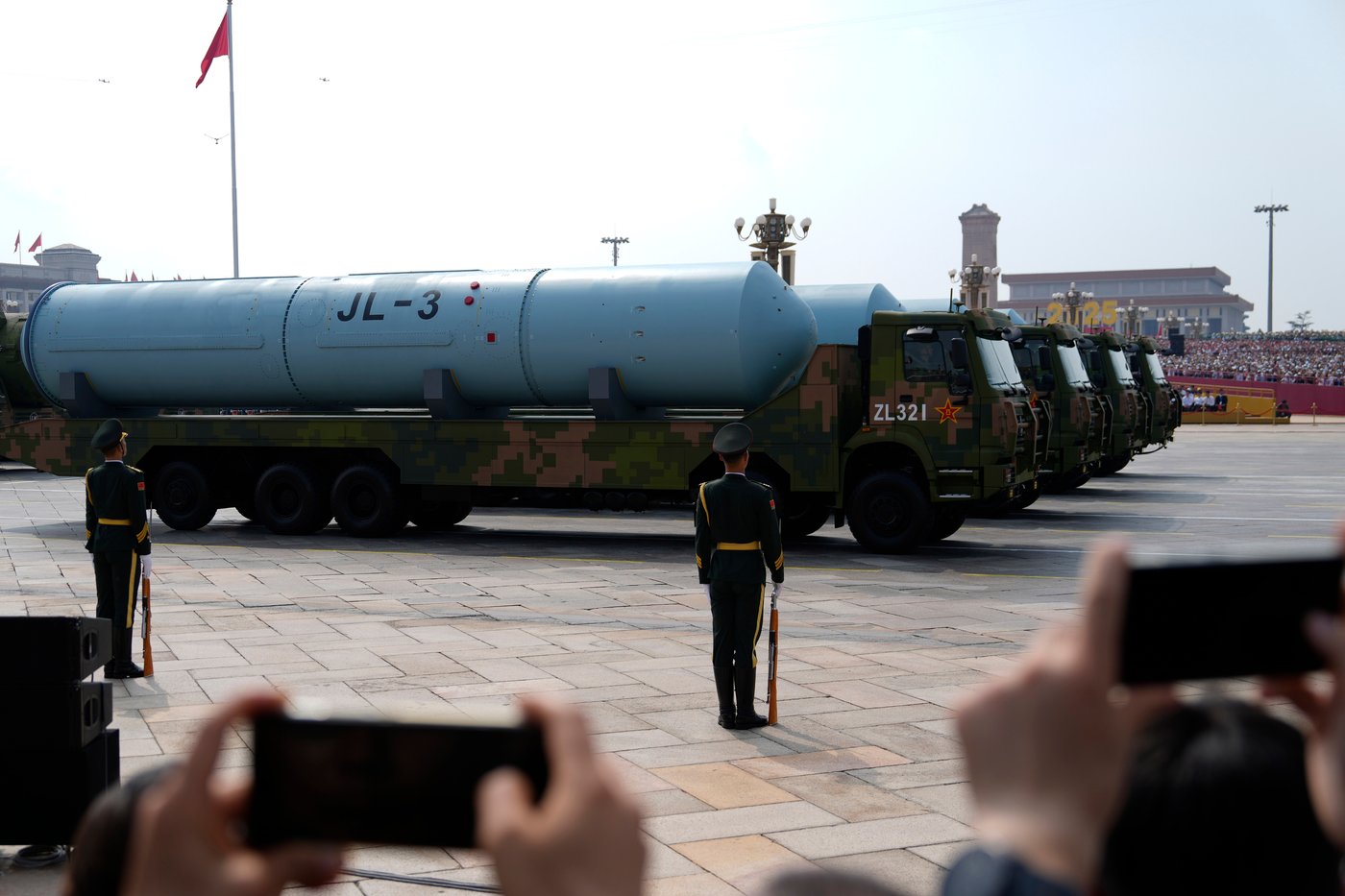
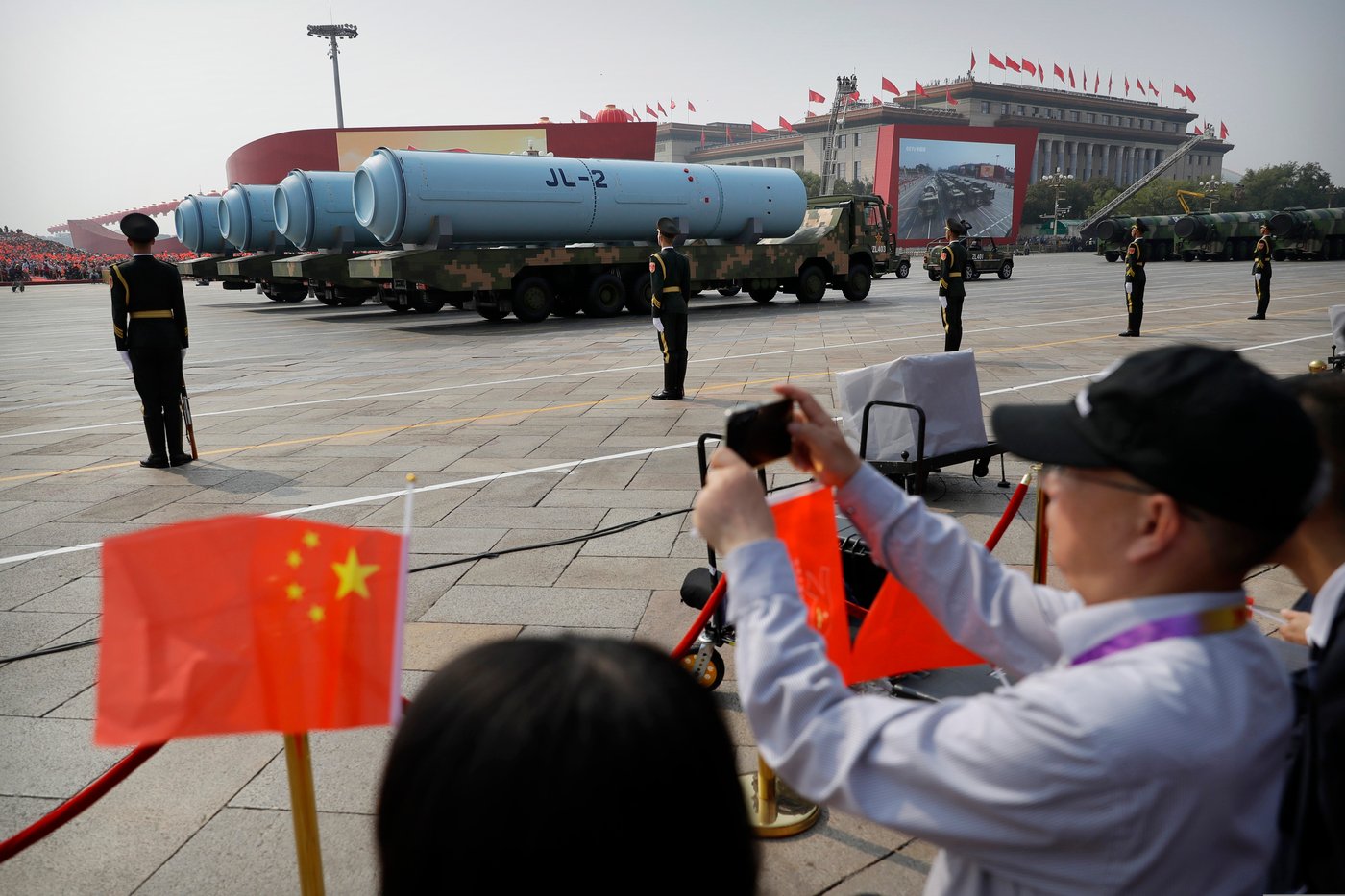
The People’s Liberation Army is known to make very little information public, but the secretary-general of Taiwan’s National Security Council said on Wednesday that this was a JL-2 missile launched from waters off Guangdong, a southern Chinese province. The JL-2 is an older ballistic missile for submarines.
Chinese state media, on the other hand, presented experts saying it was likely a JL-3, which has a longer range than the JL-2. “The JL-3’s range can strike a target on the east side of the Pacific from the west side,” said Shao Yonglin, a military expert featured in an interview with state broadcaster CCTV.
As China becomes a major military power, it should expect more international scrutiny. If “China wants to become a major military power, it should be put under the same standards,” as countries such as the U.S., the U.K. and France, said Zhao, the nuclear expert.
———
AP writer Charlotte Graham-McLay contributed to this report from Wellington.
News from © The Associated Press, . All rights reserved.
This material may not be published, broadcast, rewritten or redistributed.

This site is protected by reCAPTCHA and the Google Privacy Policy and Terms of Service apply.
Want to share your thoughts, add context, or connect with others in your community?
You must be logged in to post a comment.