Elevate your local knowledge
Sign up for the iNFOnews newsletter today!
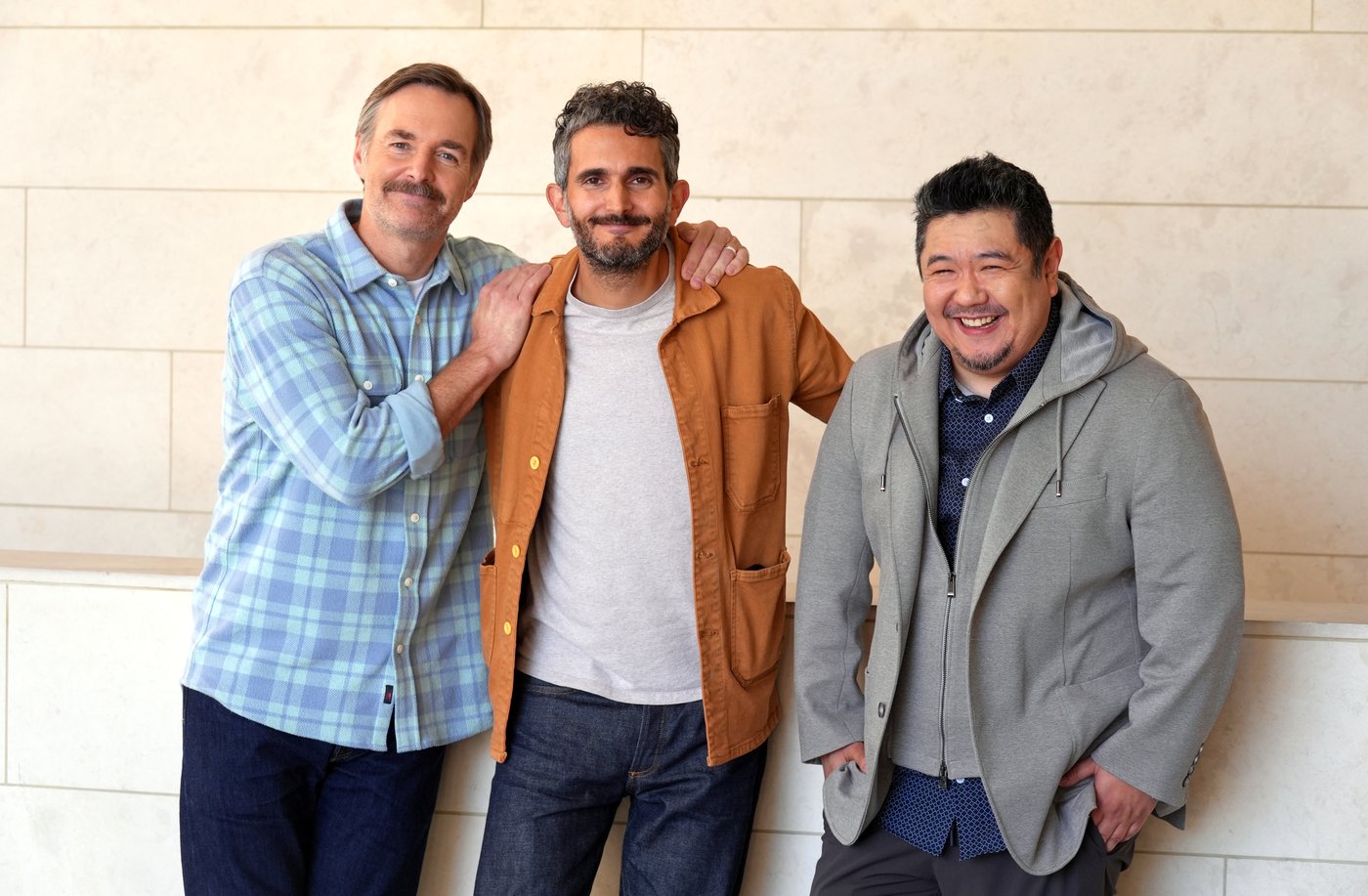
NEW YORK (AP) — Before it was dubbed “the funeral screening,” it was just when Will Forte was going to see the movie.
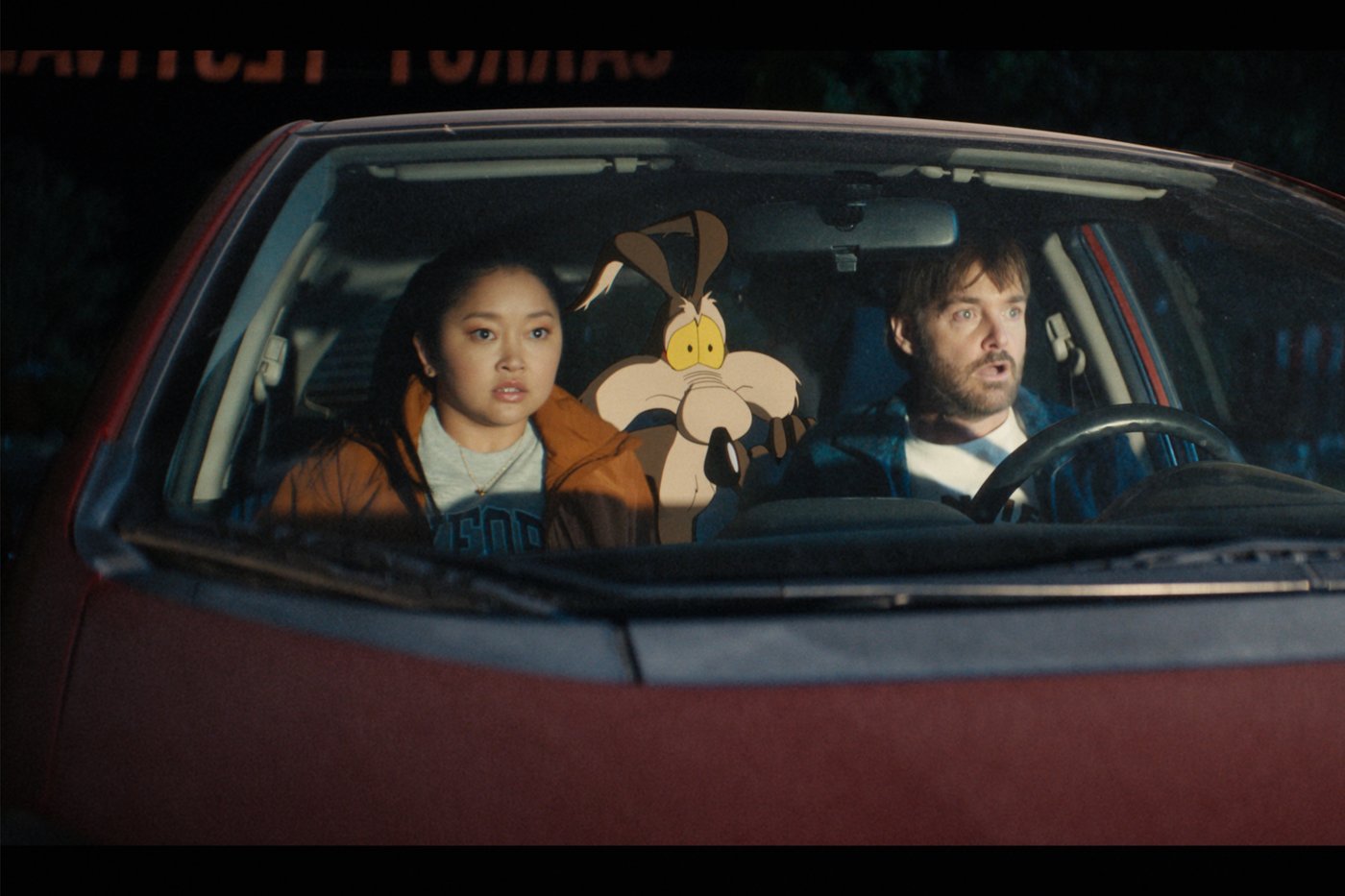
“Coyote vs. Acme” was finished. Director Dave Green, inspired by “Who Framed Roger Rabbit?” had completed the editing on the Looney Tunes blend of cartoon and live action. The whole project, which takes an Ian Frazier “Shouts and Murmurs” column from The New Yorker as its source material, was an audacious comic gambit that seemed to be paying off.
Hopes were high. Audience test scores were good. But days before Forte, who stars as Wile E. Coyote’s attorney, could see “Coyote vs. Acme,” Warner Bros. canceled it. Not just the screening — the movie. The studio hadn’t delayed it or sent it to streaming. They were canning it altogether.
“I just thought: ‘Well, they’re canceling the movie. It’s gotta be bad,’” Forte recalls.
Forte and his wife, suspecting the movie must have turned out poorly, joined the cast and crew to say goodbye to the film no one else was going to see.
“That was when the real emotions started,” Forte says. “It was everything I wished the movie could have been and more. It was so special, which made it so frustrating and so devastating. The confusion was amped up, then frustration, then just searing anger.
“Then it made even less sense,” he adds. “We all looked around, like, ‘What’s happening here?’”
The abrupt termination of “Coyote vs. Acme” sent shockwaves through Hollywood. Everyone in the movie business is accustomed to sudden, painful twists of fate. But the wholesale elimination of a finished film faster than you can say “Meep! Meep!” was something new.
David Zaslav, chief executive of Warner Bros., was intent on pivoting away from the straight-to-HBO Max projects of his predecessor. The expected marketing spend — roughly $30-40 million — for releasing “Coyote vs. Acme” wasn’t worth it to the studio. It was better, the studio said, to take a tax write-off on the $70 million production. Along with two other releases — “Batgirl” and “Scoob! Holiday Haunt” — “Coyote vs. Acme” was put in mothballs.
But nearly three years after that “funeral screening,” the movie is, like its ever-undaunted protagonist, back from the dead. After an outcry, Warner Bros. put “Coyote vs. Acme” up for sale. Ketchup Entertainment, an independent distributor that last year released the Looney Tunes movie “The Day the Earth Blew Up,” picked it up for about $50 million. On Aug. 28, “Coyote vs. Acme” will finally see the light of day.
It’s been a dizzying turn of events for everyone involved. Eric Bauza, who voices Daffy Duck, Bugs Bunny and others in the film, didn’t really believe it until he saw “Obsession” at his local cinema.
“Upon exiting the theater, there in a little marquee box was the poster for ‘Coyote vs. Acme,’” Bauza says. “It hit me: This is going to be seen by people.”
In a recent interview, Green was still in disbelief.
“I must be dreaming,” said Green. “It’s a total surprise I’m sitting here talking to you today.”
Wile E. Coyote has his day in court
The filmmakers and their new distributor have leaned into the project’s tortured history, promoting it as “the film ACME didn’t want you to see.” More than that, “Coyote vs. Acme” now has a newfound meta quality. The premise of the film is that Coyote, after suffering years of defective products, takes Acme to court. Like the drama surrounding the film, it’s an underdog victimized by a big corporation.
“I couldn’t help but look at the movie in a completely new way because there are meta crossovers between the story and what the movie had come to represent,” Green says. “It almost felt like we had written the movie after the news had broken.”
When “Coyote vs. Acme” was canceled, its fate became a rallying cry. Filmmakers like Christopher Miller, Phil Lord, Daniel Kwan and Daniel Scheinert championed it as too good to disappear. Even politicians, like Democratic Rep. Joaquin Castro of Texas, urged the Justice Department to investigate Warner Bros.’s decision.
Bauza, a veteran voice actor, pushed the hashtag #ReleaseCoyoteVsACME on social media. His most dramatic effort, though, was at the Annie Awards in 2024. There, he drew hearty applause for making that case from the podium — in the voice of Daffy Duck.
“He’s the go-to cartoon character above anyone else when it comes to begging and pleading,” Bauza says. “It seemed appropriate.”
So many people came out fighting for the film that Green never felt alone throughout the ordeal.
“I would open my phone one day and see someone dressed in a Wile E. Coyote costume outside of the studio protesting with a sign in the rain — these kinds of things you couldn’t believe,” says Green.
‘The pipeline has changed’
At the same time, the entire episode suggested a dark new chapter in the movie business that has left many involved with “Coyote vs. Acme” shaky. This wasn’t a young filmmaker getting turned down on their first film. It was two years of work on one of Warner Bros.’ most iconic franchises — a movie even produced by DC Studios chief James Gunn.
“I don’t know what their judgment was,” says Bauza. “Did they even know or were they just looking at numbers? It’s tough looking in from the outside, thinking: ‘If that’s how the Looney Tunes are being treated, what about my story?’”
“The pipeline has changed,” he adds. “How we get to the finish line is different.”
“Coyote vs. Acme” was greenlit when studios were trying to find their way through the pandemic and theaters were struggling to stay afloat. But Green’s film now arrives at a much different point in time. Theatrical is thriving thanks in large part to the visions of filmmakers, from Christopher Nolan to Curry Barker.
For Green, that “Coyote vs. Acme” is finally having its day in the court of public opinion is a sign of Hollywood returning to its foundations.
“The film business, as much as it might not feel that way, is led and dictated by artists and filmmakers and actors and writers wanting to create,” says Green. “There will be nothing able to take that want away from creators. As long as we keep creating, there will be a movie business.”
Forte is still struggling to find a happy ending. The movie’s initial cancellation felt, he says, “cruel and heartless.”
“The downside is: Trust no one,” says Forte. “And the positive is: Don’t give up hope. And that’s the one I think I will keep.”

News from © The Associated Press, . All rights reserved.
This material may not be published, broadcast, rewritten or redistributed.

This site is protected by reCAPTCHA and the Google Privacy Policy and Terms of Service apply.
Want to share your thoughts, add context, or connect with others in your community?
You must be logged in to post a comment.