Elevate your local knowledge
Sign up for the iNFOnews newsletter today!
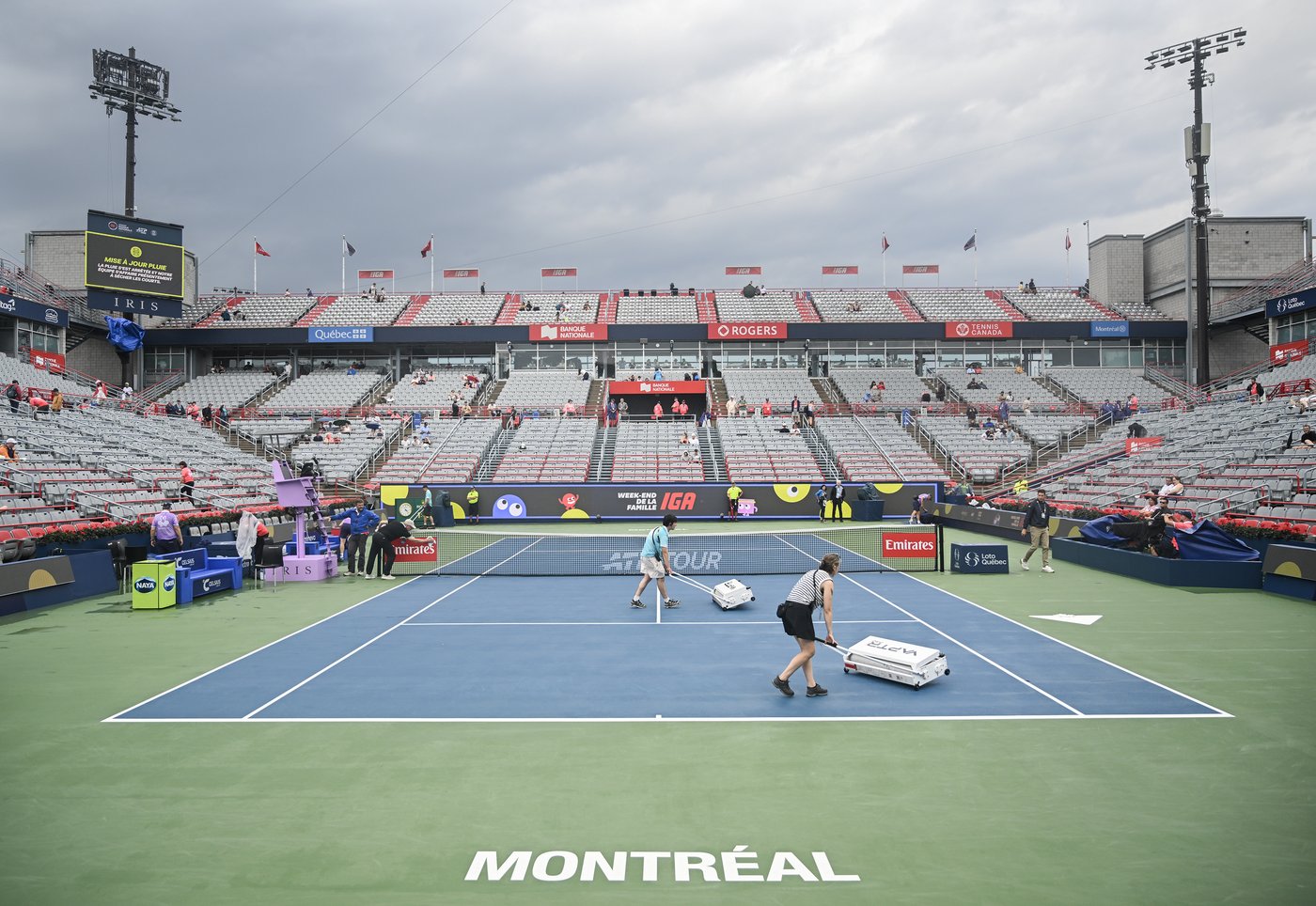
MONTREAL — The National Bank Open men’s tournament wrapped up Thursday with a record attendance despite several rainouts, early upsets and the absence of the game’s biggest stars.
Now Tennis Canada is looking to navigate multiple issues that could shape the Montreal event’s future, including the possible modernization of IGA Stadium and ways to incentivize top players to participate in the Canadian Open.
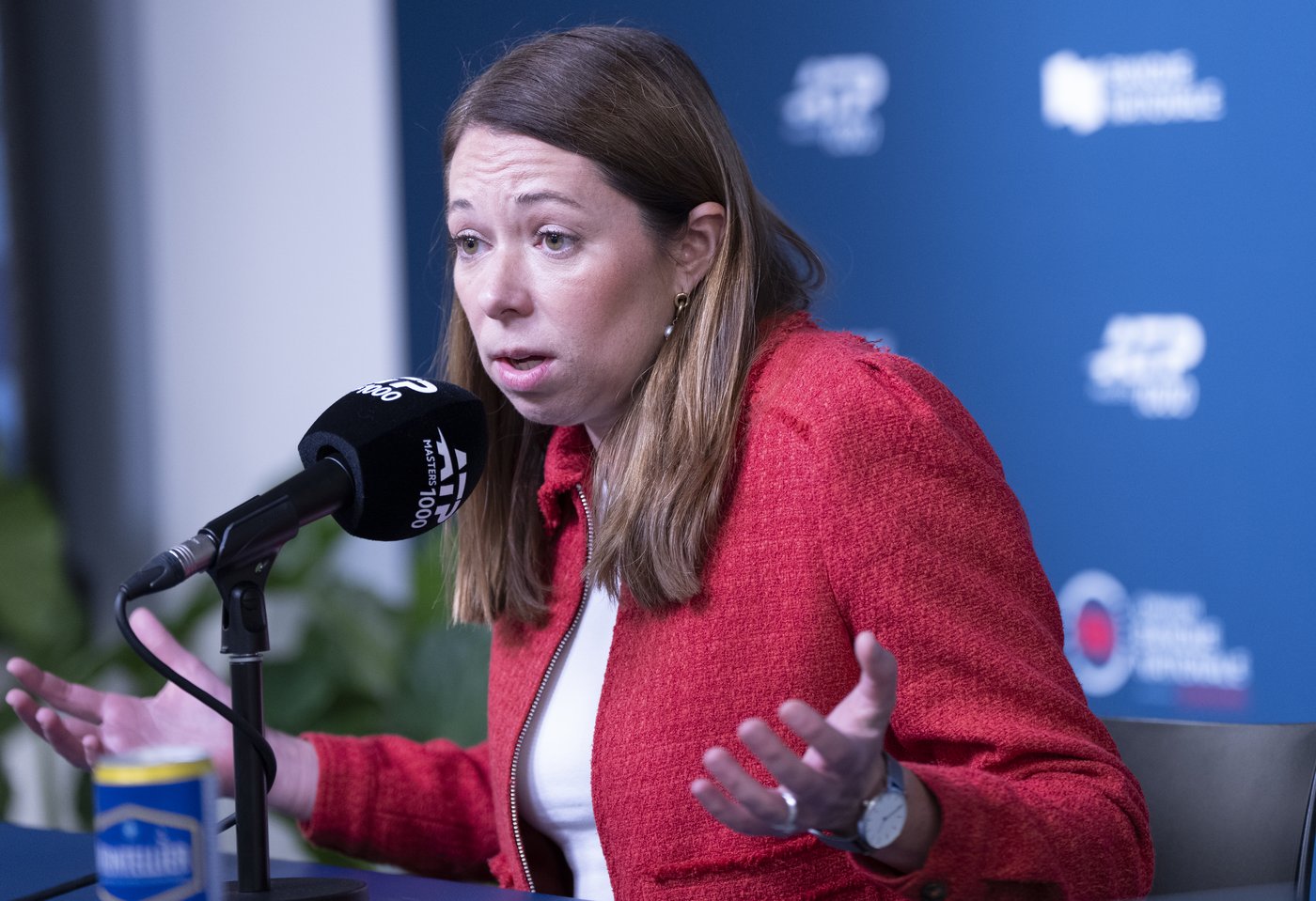
Tournament director Valérie Tétreault said Thursday more than 309,000 fans attended this year’s event. She added that players and staff enjoy coming to Montreal, but said the ATP continued to highlight “notable” gaps between its facilities and other Masters 1000 tournaments, one level below the four Grand Slams.
The shortcomings include a shortage of on-site practice courts, the capacity of the third court and small dressing rooms, along with the overarching issue of an aging centre court stadium.
“We’ve been repeating for a while that the status quo is not an option,” Tétreault said.
That’s why Tennis Canada is hoping to move ahead with a redevelopment of its site at Jarry Park by 2032. The organization unveiled in June the results of a yearlong feasibility study, which concluded a new 15,000-seat stadium with a retractable roof is the best option for the tournament’s long-term viability in Montreal.
The possible plans have faced pushback from the local community, with hundreds of residents gathering for a protest last Sunday with signs that read “not another inch.”
Tennis Canada is targeting the site of an existing baseball diamond, which would expand the governing body’s presence in Jarry Park from 22 to 27 per cent, according to the Front commun pour la défense du parc Jarry. Tennis Canada has promised to build a new community baseball field elsewhere.
The organization is also hoping to fund the project largely with public money. Radio-Canada reported last week that the non-profit and its private partners are prepared to cover 10 per cent of the estimated $400-million price tag, relying on all three levels of government for the remainder.
“I think we can continue to share the space successfully,” Tétreault said. “I even think, and I continue to say this, that with this project there is also an opportunity to invest more in Jarry Park, to improve the green spaces, for example.
“It’s legitimate that there’s debate, it’s normal. The important thing for me is that it remains constructive and that we can look at the facts as they are. After that, we can work together to find a project that brings benefits on many levels.”
ATP CEO Eno Polo, appointed last September, stopped short of saying the Montreal tournament was under threat, but said its centre court — which last underwent major renovations in 1996 — could use a facelift.
“It’s like everything. I go to a hotel, the room is not terrible, it’s comfortable — I have a bed, I sleep. But I also have the choice to go to a hotel with a gym, the whole experience, the space is incredible. If it comes time for me to make a choice, which will I prioritize?” Polo told a small group of reporters during his first visit to Montreal on Monday.
“The threat will probably come from the spectators, it can come from players, and then at some point it’s true that the ATP will say, ‘Well, if the players don’t go, the spectators don’t, the numbers are low, is it a level of Masters 1000?’ So yes, there is pressure. We have standards that we have to put in.”
Tennis Canada signed a 30-year agreement with the ATP and WTA in 2022 while agreeing to expand the tournament to 12 days, up from seven, but Tétreault has said organizers still need to meet evolving standards set by the professional tours.
Polo said a stadium roof is not a requirement but a “very strong suggestion” to provide greater certainty for broadcasters and spectators, particularly in Montreal, where rain often disrupts the tournament schedule. The Toronto tournament does not have immediate plans to add a roof at Sobeys Stadium, which was built in 2004.
Upgrading IGA Stadium is not the only issue Tennis Canada wants to address.
Top men’s players Jannik Sinner, Carlos Alcaraz — due to injury — and Novak Djokovic all missed the tournament for a second consecutive year, highlighting the challenges of a crowded tennis schedule. The Canadian Open is in a particularly tricky spot, slotted between Wimbledon and the U.S. Open in a crammed summer calendar.
Tétreault said Tennis Canada will write a letter to the ATP board ahead of the U.S. Open to ensure player participation in Canada’s marquee event is part of future discussion. She noted the ATP is already working on a strategy for 2028 as it prepares to add a 10th Masters 1000 tournament in Saudi Arabia.
Polo said it is difficult to guarantee player participation because the athletes are not employed by the ATP, but that the tour is looking at ways to entice players with ranking points and prize money.
“What is most important for professional players? The ranking and the salary,” he said. “These are the two things we are trying to evaluate.”
This report by The Canadian Press was first published Aug. 14, 2026.
— With files from Jordan Stoopler and Samira Ait Kaci Ali in Montreal.
News from © The Canadian Press, . All rights reserved.
This material may not be published, broadcast, rewritten or redistributed.

This site is protected by reCAPTCHA and the Google Privacy Policy and Terms of Service apply.
Want to share your thoughts, add context, or connect with others in your community?
You must be logged in to post a comment.