Elevate your local knowledge
Sign up for the iNFOnews newsletter today!
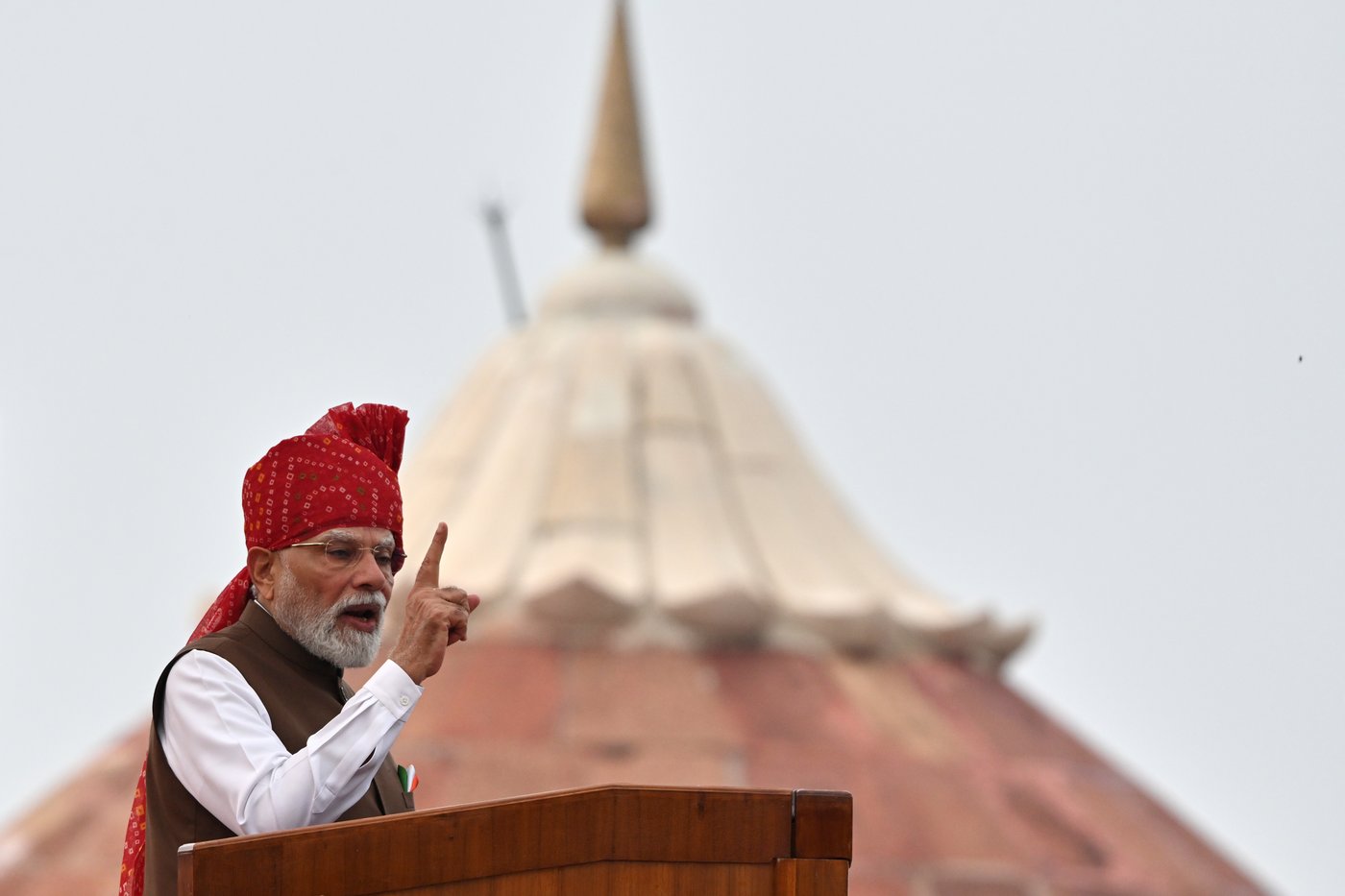
NEW DELHI (AP) — Indian Prime Minister Narendra Modi said on Saturday that India’s decades-long Maoist insurgency was nearing its end but warned that the country now faced a new battle against what he called “dimagi Naxals,” or people who align with the movement’s ideology.
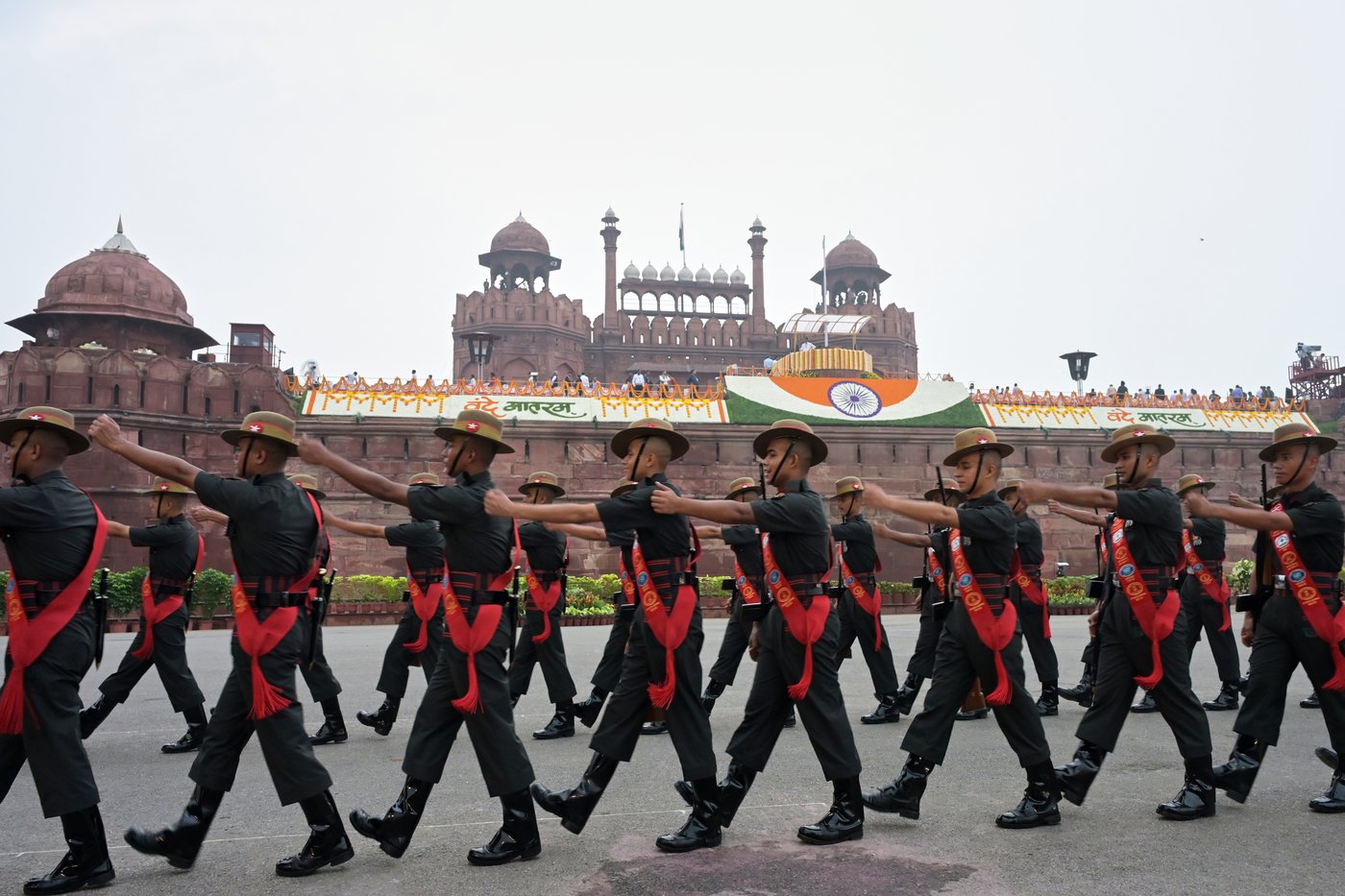
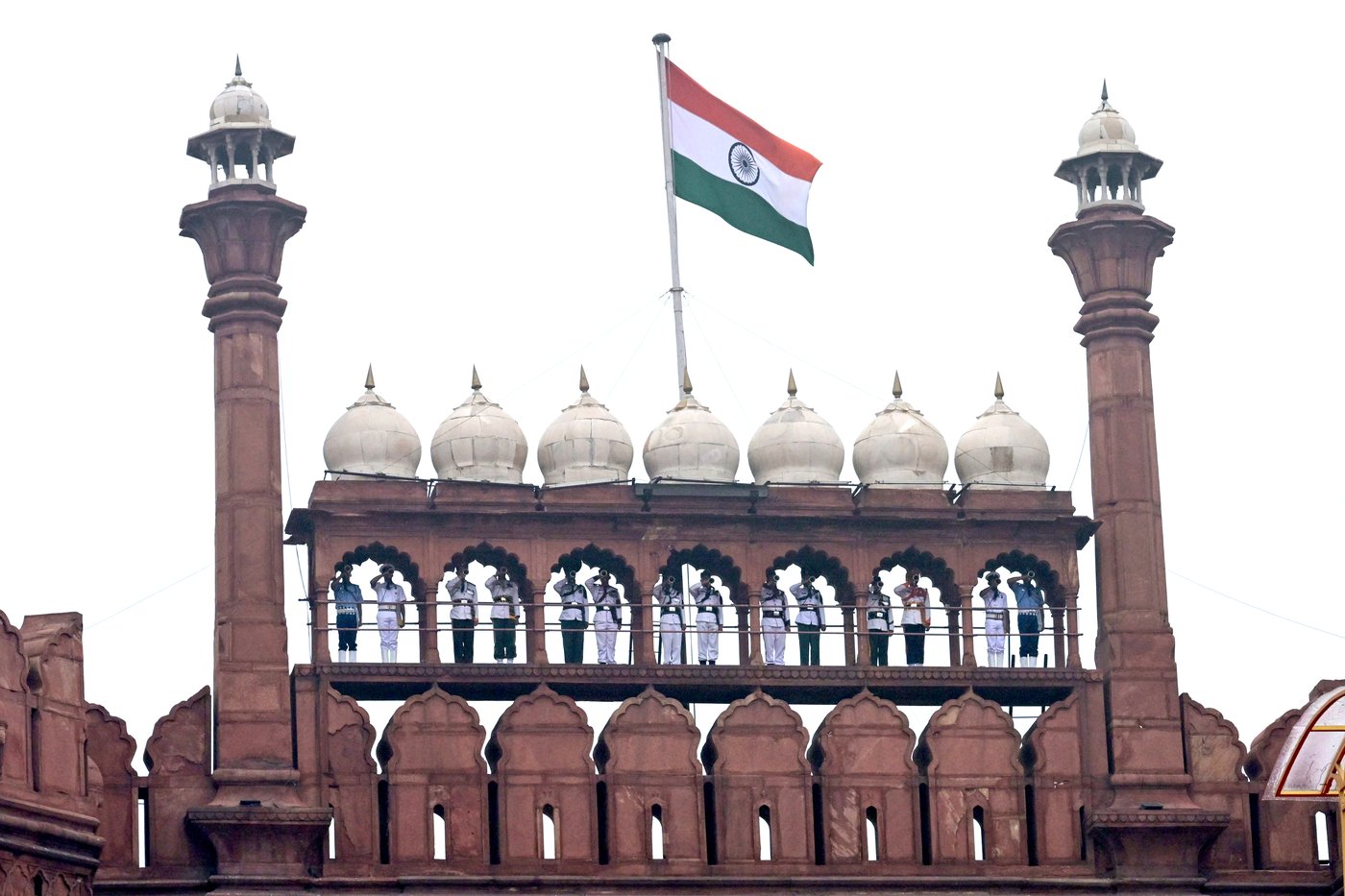
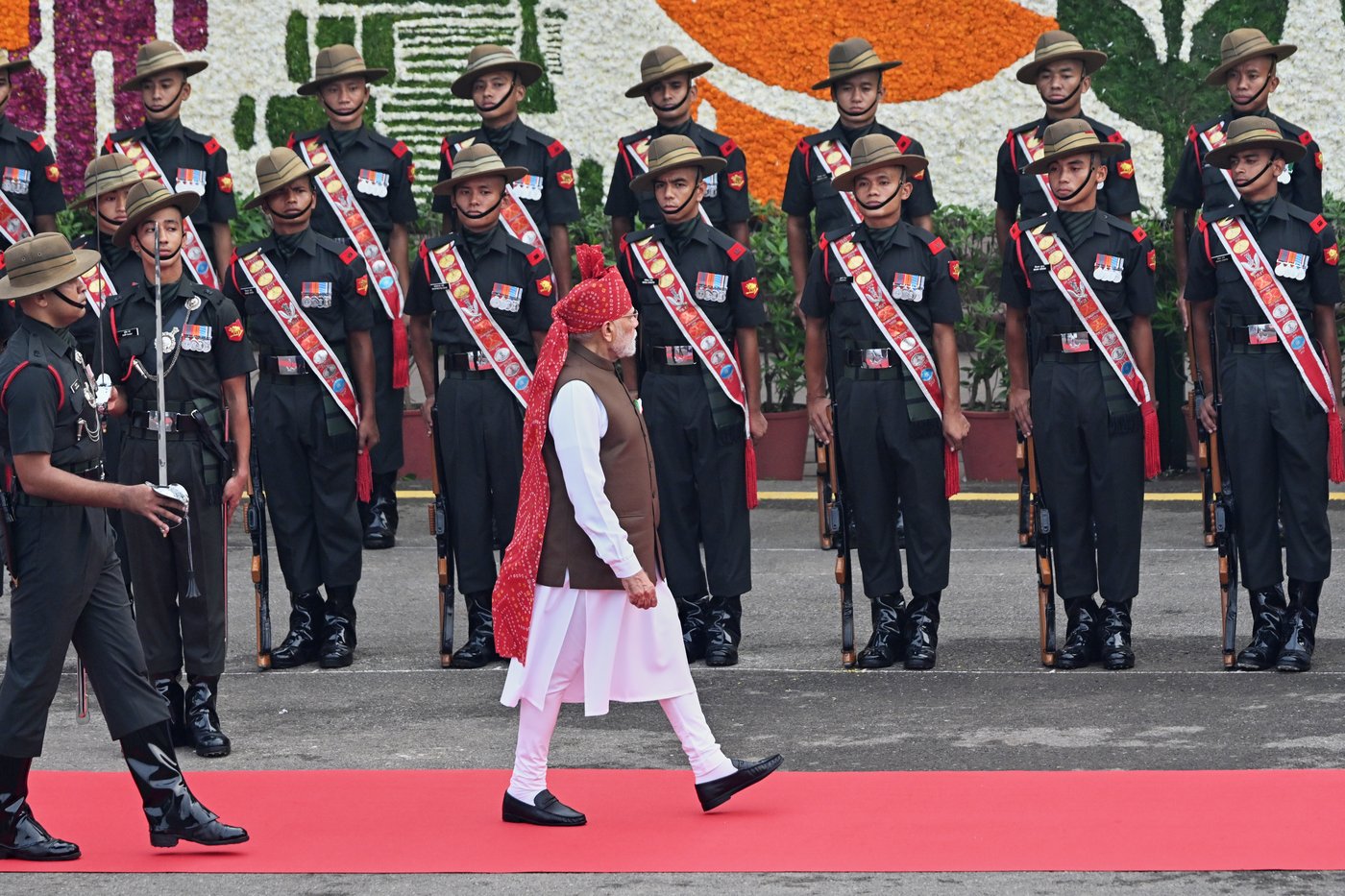
In his address to the nation on India’s 79th Independence Day from the ramparts of New Delhi’s 17th-century Mughal-era Red Fort, Modi said Maoist violence was “breathing its last” after years of security operations against the insurgency, once described by Indian authorities as the country’s biggest internal security threat.
Also known as the Naxalite movement, it challenged state authority across large swaths of central and eastern India for decades, leaving thousands of civilians, rebels and security personnel dead.
“We have succeeded in getting rid of armed Naxals in the jungles, but ‘dimagi Naxals’ (intellectual Naxals) are looking for opportunities to create violence and unrest,” Modi said. “They have to be identified and isolated.”
“They want to drag the society on the wrong path,” he added.
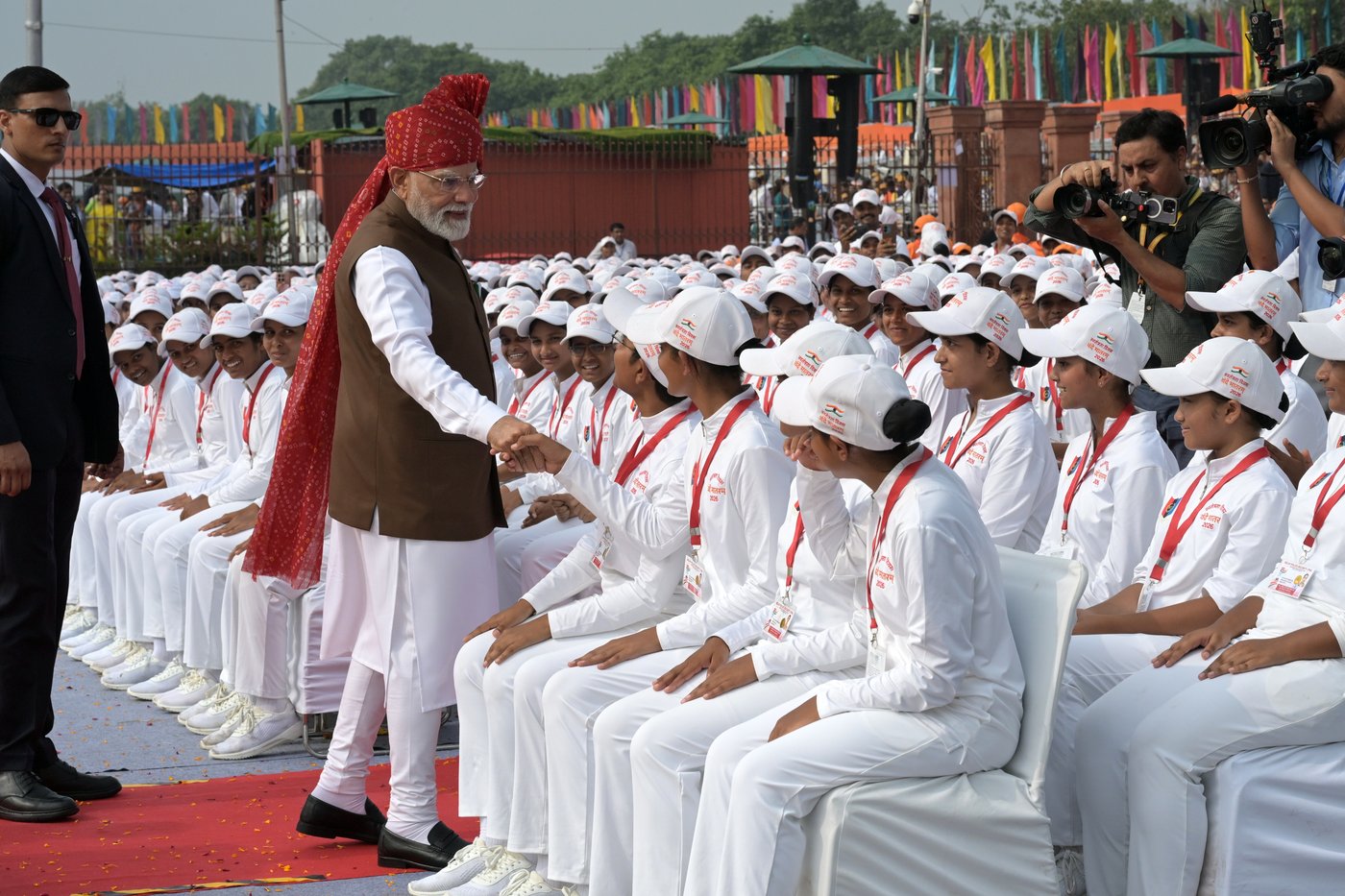
Modi also unveiled a series of measures aimed at boosting self-reliance in sectors ranging from defense to agriculture, with a strong focus on youth.
The outreach to young people comes weeks after a youth-led protest movement, the Cockroach Janta Party, emerged as a rare challenge to Modi’s government and helped force the resignation of his education minister. While Modi did not mention the protests, he repeatedly highlighted initiatives aimed at young Indians, including AI skills training and free online coaching for competitive exams.
He said India had transformed from a “fragile” economy into the world’s fastest-growing major economy over the past decade and reaffirmed his government’s goal of turning the country into a developed nation by 2047, the centenary of its independence.
The Naxalite movement, inspired by Chinese revolutionary leader Mao Zedong, began in 1967 with an uprising in the village of Naxalbari in eastern India, and grew into a decades-long armed rebellion championing the rights of landless farmers, the rural poor and Indigenous communities.
Modi said the Maoist movement had “destroyed the future” of generations of young people, and credited his government’s security and development policies with sharply reducing Maoist violence since he took office in 2014.
The phrase “dimagi Naxal” echoes the politically charged label “urban Naxal,” a term Modi and leaders of his Bharatiya Janata Party have previously used for activists, academics, intellectuals and other critics of his government. Critics say such labels have increasingly been used to stigmatize dissent.
Modi’s remarks come amid years of criticism from international rights groups, including Amnesty International and Human Rights Watch, which have accused the government of using anti-terror laws, sedition-related provisions and foreign-funding rules to squeeze civil society and target activists, journalists and groups critical of its policies.
Jairam Ramesh, a senior leader of the opposition Congress party, dismissed Modi’s phrase as political rhetoric and said Modi first called his opponents ‘urban Naxals’ and now he calls them ‘dimagi Naxals.’
Ramesh accused Modi of vilifying certain ideas as extremist before ultimately adopting them. He cited the caste census as an example, saying the government initially dismissed the demand as ‘urban Naxal’ thinking before eventually embracing it. He added that it is a “sure sign” of Modi’s “desperation.”
News from © The Associated Press, . All rights reserved.
This material may not be published, broadcast, rewritten or redistributed.

This site is protected by reCAPTCHA and the Google Privacy Policy and Terms of Service apply.
Want to share your thoughts, add context, or connect with others in your community?
You must be logged in to post a comment.