Elevate your local knowledge
Sign up for the iNFOnews newsletter today!
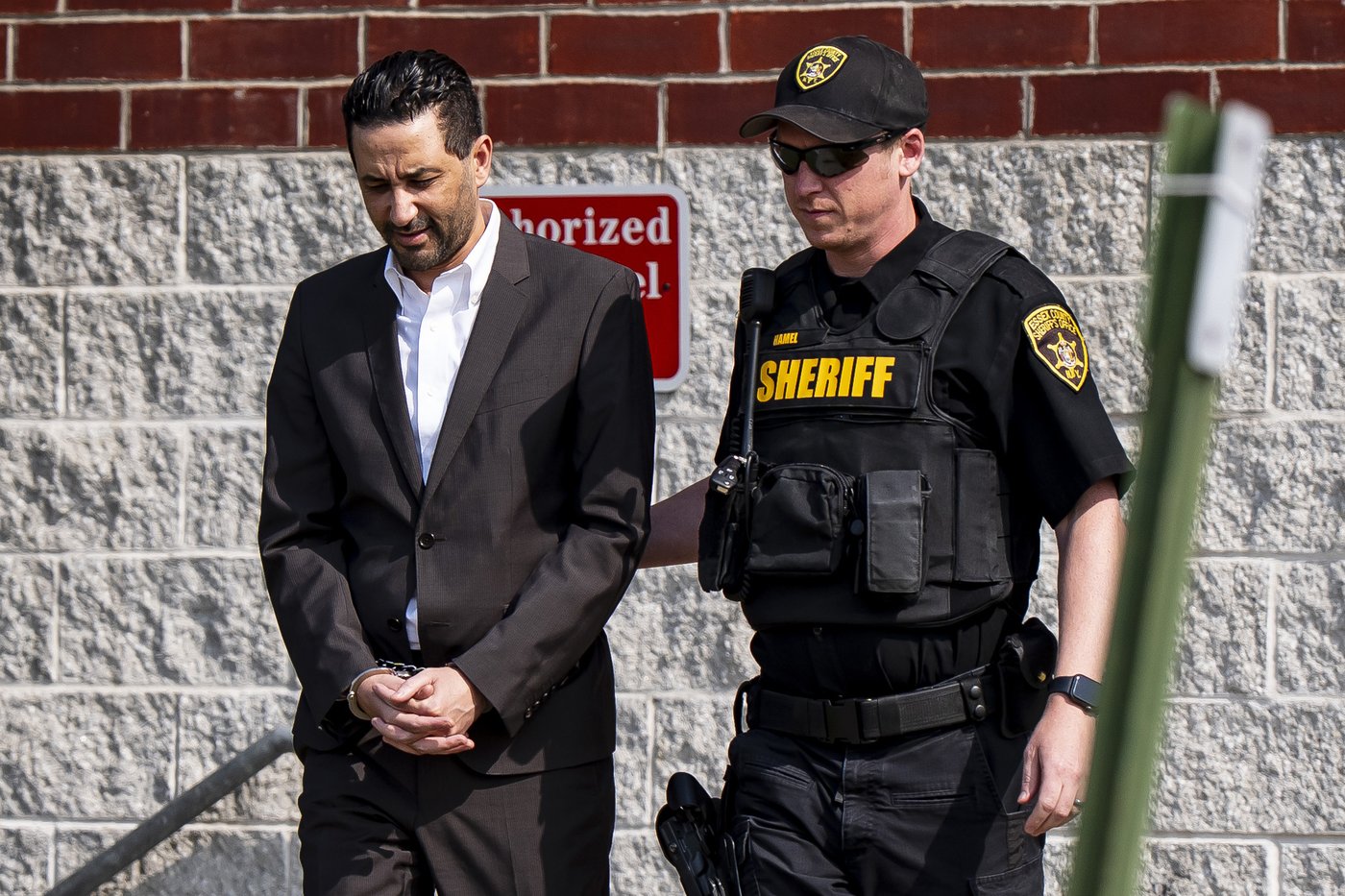
MONTREAL — Before he was found guilty of the murder of his nine-year-old daughter, Luciano Frattolin did not testify in his defence. But with the jury out of the room, he said he wanted to.
On Aug. 10, Frattolin was found guilty of second-degree murder and concealment of a human corpse in the death of Melina Frattolin.
A New York jury convicted Frattolin of having killed his daughter on July 19, 2025, the last day of a weeklong trip to the United States. The girl’s body was found the next day near Ticonderoga, N.Y., about 400 kilometres north of New York City. The autopsy found she died from asphyxia due to drowning.
The question of whether Frattolin would testify remained up in the air until the last morning of the trial. A few days earlier, Judge Tatiana Coffinger spoke directly to Frattolin about the possibility.
The prosecution had just rested their case and the jury had left the room. Coffinger explained to Frattolin that, because he had the right to be presumed innocent in this case, he had no obligation to testify during the trial.
As she outlined the ramifications of this decision, he interrupted her.
“I trust people easily. And I trusted the cops,” he said.
The judge reminded him of his right to silence and asked him if he had been given enough time to decide.
“I need more time,” he answered.
She gave him the weekend, later telling his lawyers that his possible testimony would be a “game-day decision.”
The morning of the verdict, Coffinger checked in with Frattolin and asked him if he was planning on taking the stand.
“I really want to,” he said, “but I was advised not to.”
With Frattolin’s testimony ruled out, the defence rested their case after calling a single witness. It took a jury only about an hour to return with a guilty verdict.
While Frattolin did not take the stand, the jury heard his account through police recordings. In these conversations, Frattolin claimed his daughter was kidnapped by two men who drove off in a white van.
He also alluded to the idea that the girl’s mother, who lives in Montreal, could have orchestrated a kidnapping. Officers quickly dismissed the theory, calling it “far-fetched.”
In the recordings, Frattolin contradicted himself and changed his story, when informed of new evidence casting doubt on his previous claims.
As the jury confirmed the verdict on Monday, Frattolin stood silently between his two lawyers, shaking his head slightly.
The prosecution, who had the legal responsibility to prove their case beyond a reasonable doubt, presented over two dozen witnesses over close to three weeks.
Location data from Frattolin’s phone and car proved crucial to finding the body and proving Frattolin’s guilt, said the Essex County District Attorney, Michael Langey, after the trial was over.
Speaking to reporters after the trial, Langey said he had prepared to cross-examine Frattolin.
“I don’t want to say I was looking forward to it, but … we were ready for it,” he said.
A few other debates took place while the jury was out of the courtroom. On two occasions, Frattolin’s lawyers asked the judge to dismiss the case.
Brian Pilatzke, one of the defence lawyers, argued that the prosecution had failed to prove that Frattolin was the perpetrator and that he had intended to kill Melina and conceal her body.
Carrie Daly, first assistant district attorney for Essex County, acknowledged that the evidence in the case was circumstantial, but argued it overwhelmingly pointed to Frattolin as the perpetrator.
She also argued that notes found in Frattolin’s car, some of which referred to “tak(ing) Melina to end” and “end(ing) her suffering,” showed intent to kill her.
Coffinger ultimately denied the motions to dismiss.
On Aug. 6, the judge asked everyone but the lawyers to leave the room so she could rule on whether to show the jury the last video Melina sent her mother, after defence objected to it.
“It only serves to inflame the jury’s sympathy, that this is a young girl, and now she’s gone. It doesn’t prove a homicide,” argued Pilatzke when the jury had left the room, but before the media was sent out.
The prosecution was eventually allowed to present the video without audio. In it, Melina is seen playing with her hair and smiling.
This report by The Canadian Press was first published August 15, 2026.
News from © The Canadian Press, . All rights reserved.
This material may not be published, broadcast, rewritten or redistributed.

This site is protected by reCAPTCHA and the Google Privacy Policy and Terms of Service apply.
Want to share your thoughts, add context, or connect with others in your community?
You must be logged in to post a comment.