Elevate your local knowledge
Sign up for the iNFOnews newsletter today!
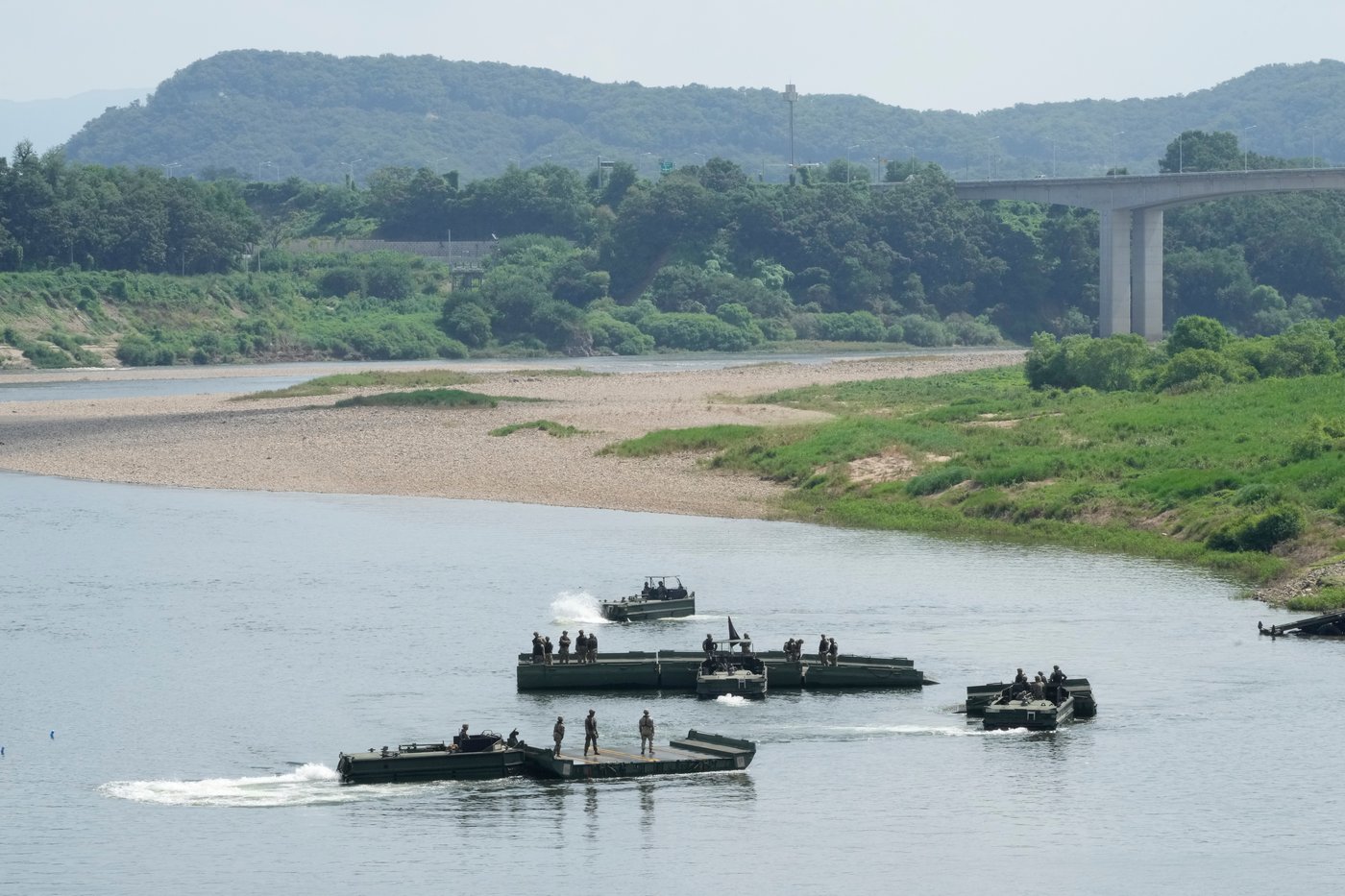
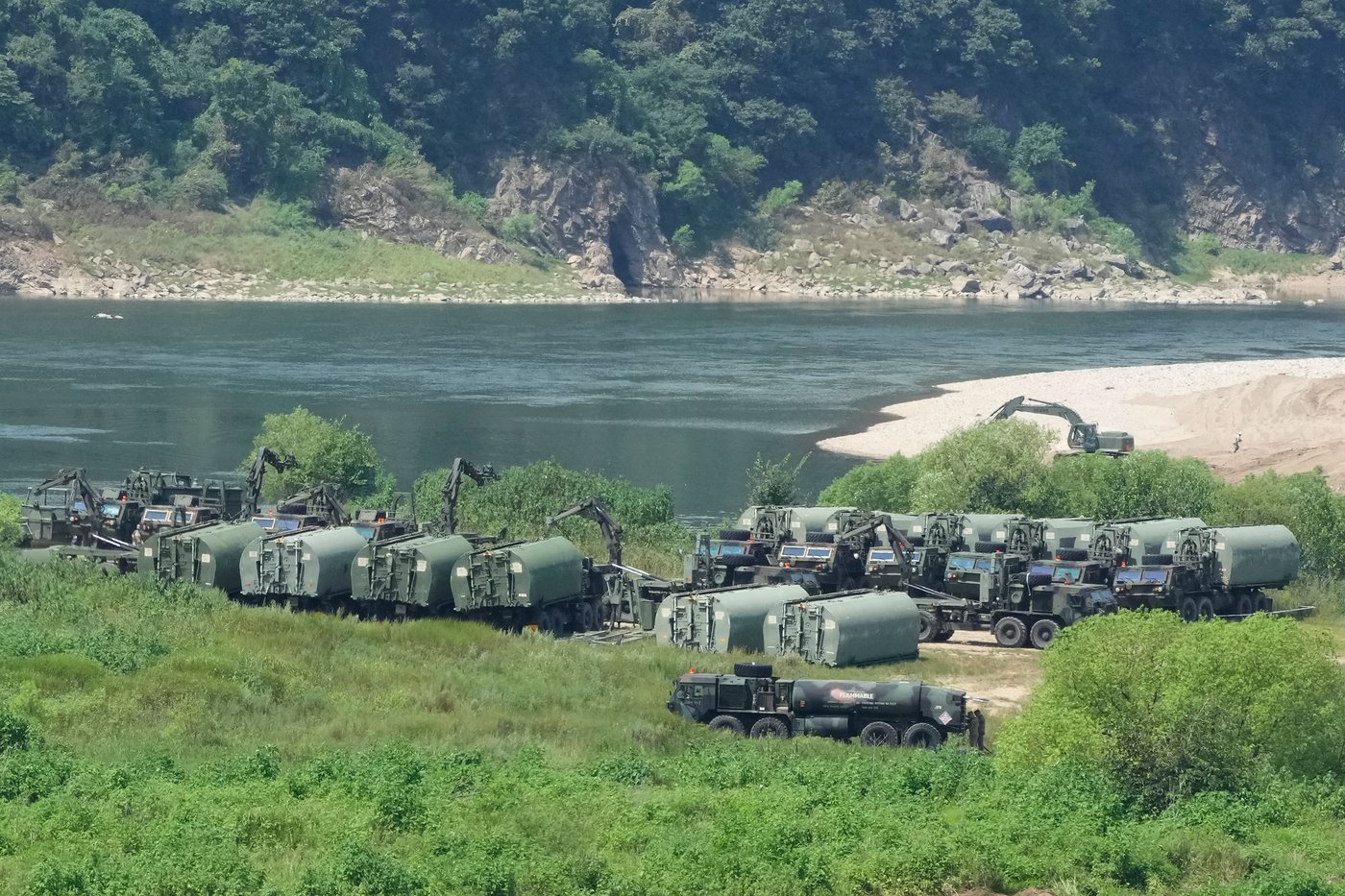
SEOUL, South Korea (AP) — The South Korean and U.S. militaries have agreed to sharply scale back their drills at the U.S.’s request, South Korean officials said Wednesday, a move that likely reflected President Donald Trump’s hopes to reengage with North Korean leader Kim Jong Un but that could undermine a U.S.-South Korean defense readiness.
Trump had ordered his Pentagon chief to downsize the allies’ summertime Ulchi Freedom Shield exercises, just before they began Monday for an 11-day run. Trump cited what he said was a good relationship with Kim and South Korea’s refusal to support him over Iran.
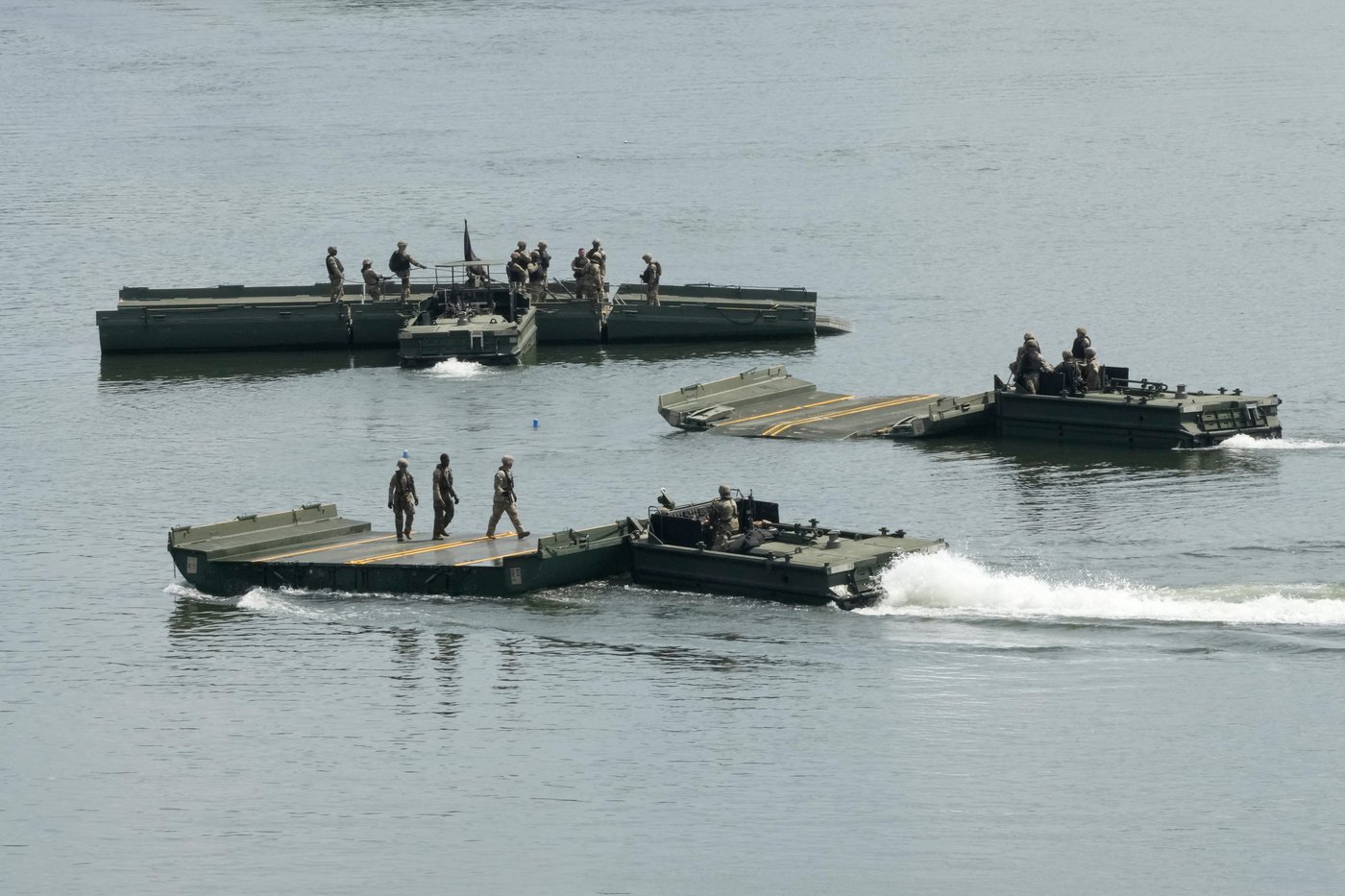
South Korea’s military said in a statement the ongoing drills with the U.S. would end Friday, not Aug. 27 as initially planned. It said the allies also agreed to downsize some joint field training exercises.
The statement said South Korea and the U.S. will discuss and carry out various steps to achieve objectives of their drills and establish combined defense postures.
Drills’ cut raise worries about military readiness
Many experts say Trump’s move threatens to hurt the combined U.S.-South Korean defense posture and eventually weaken their decades-long alliance.
A reduction or suspension of military drills matters because military commanders change periodically. A one-year suspension of drills would mean commanders unfamiliar with the procedures of the drills would be taking part when they resume, according to Yang Uk, an analyst at Seoul’s Asan Institute for Policy Studies.
Ulchi Freedom Shield is largely a computer-simulated command post exercise meant to hone the allies’ ability to deal with potential North Korean aggression. The two countries usually hold a set of field training exercises during the command post exercise period.
The drills and a similar springtime exercise are a central pillar of the U.S. -South Korea alliance, which dates to the 1950-53 Korean War. But it’s also a long-running source of tensions with North Korea, which has denounced the exercises as a rehearsal for an invasion and responded with provocative missile tests. Days before this month’s drills began, North Korea launched two ballistic missiles into the sea.
This month’s drills were reportedly supposed to be held in two phases. The first part until this Friday will focus on defensive operations in simulation of North Korean attacks and the second part until Aug. 27 will practice counteroffensive operations. North Korea is extremely sensitive to counteroffensive drills.
North Korea lambasts US-South Korea drills and vows responses
North Korea hasn’t responded to Trump’s overture. But earlier Wednesday, its state news agency, KCNA, published a commentary slamming the U.S.-South Korean military drills as “frantic” and “extremely dangerous” and vowing to completely frustrate its rivals’ hostilities.
“The dangerous escalation of the war drills staged by the U.S. and its vassal forces is posing a more serious threat to the security” of North Korea, the commentary said. “Our exercise of right to self-defense will continue to completely neutralize the enemies’ military threat.”
Many experts said Kim, now emboldened by his advancing nuclear program and expanding military cooperation with Russia, won’t likely embrace Trump’s overture and return to talks anytime soon unless he’s promised bigger concessions. In response to Trump’s previous outreach, Kim suggested last year that he can only return to talks if the U.S. drops its demand of a North Korean denuclearization as a precondition for diplomacy.
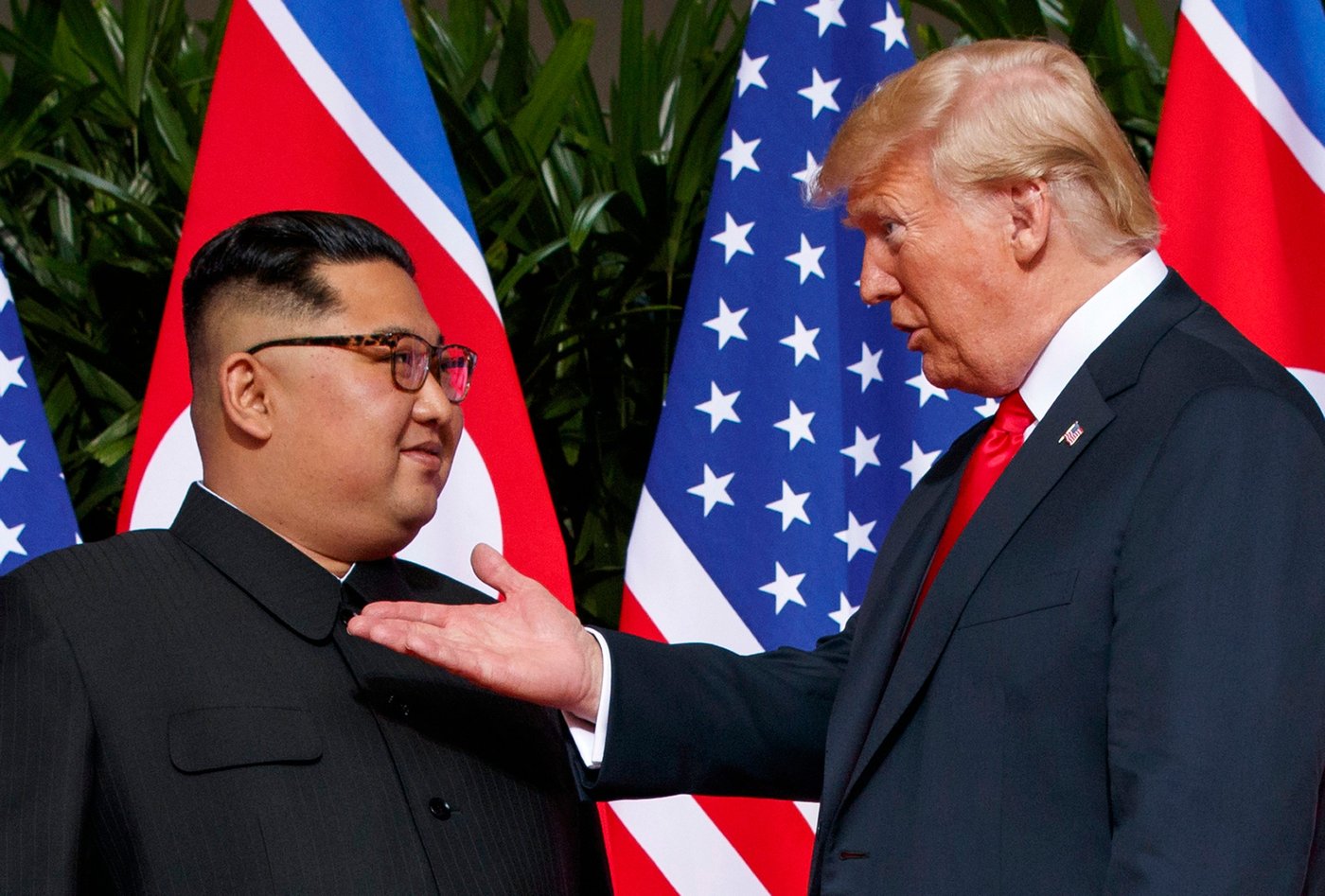
Trump and Ki m met three times from 2018-2019 but their high-stakes diplomacy eventually fell apart over wrangling over a North Korean demand for extensive sanctions relief in return for limited denuclearization steps.
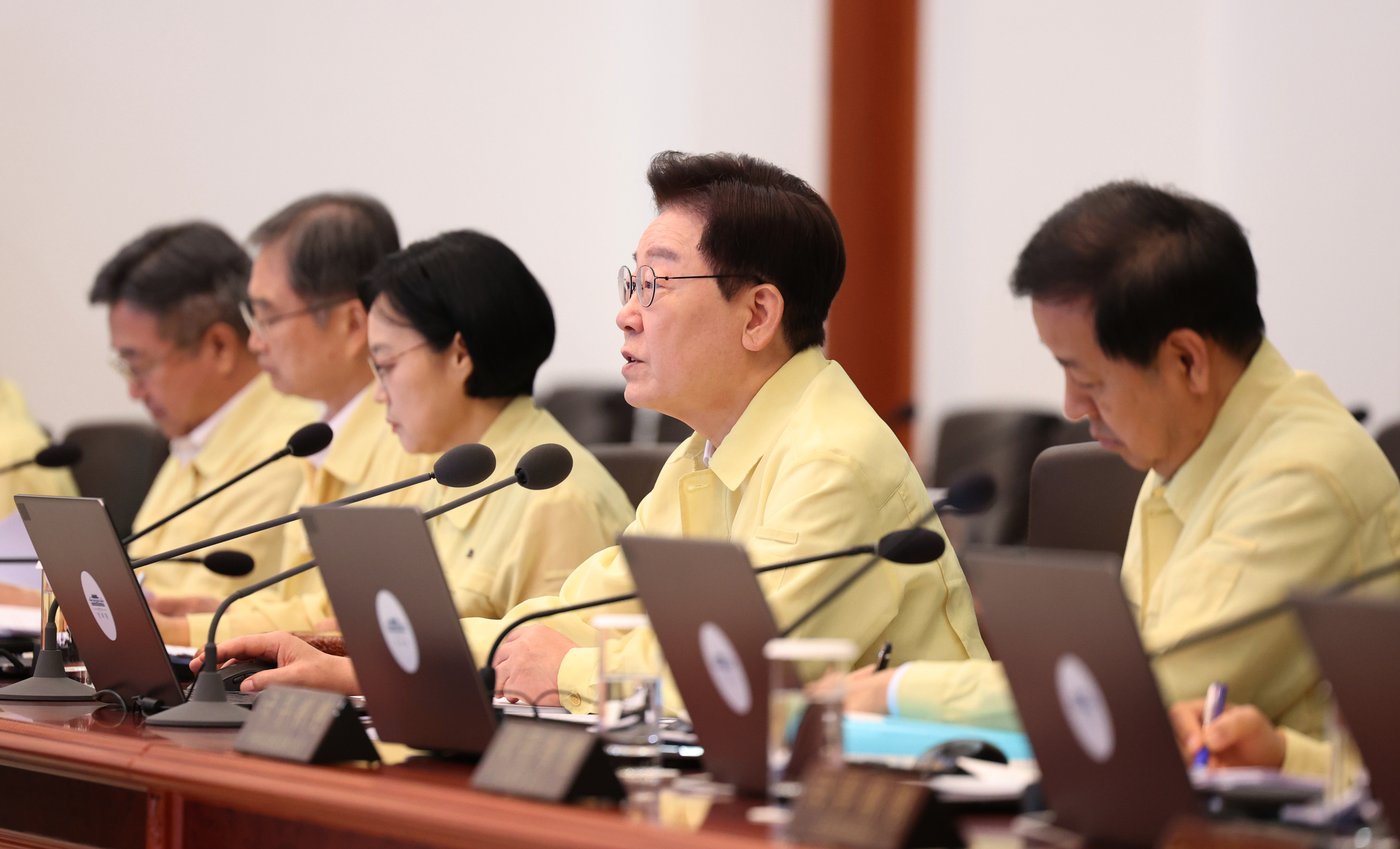
On Monday, the office of South Korean President Lee Jae Myung expressed hope that a “friendly relationship” between Trump and Kim would lead to “meaningful dialogue” between their countries to promote peace on the Korean Peninsula. Lee is a liberal who wants better ties with North Korea.
But his office’s statement drew a strong backlash from conservatives, who alleged Lee’s government was prioritizing the resumption of Kim-Trump diplomacy over security concerns caused by Trump’s move.
Trump’s move may focus on South Korea over Iran
In his social media post, Trump said the drills are not only costly but “send a signal that is totally inappropriate and hostile” to North Korea, which he said “has been unthreatening and respectful” during his time in the White House. Trump said he asked Lee if South Korea would join the U.S. in the “denuclearization” of Iran, “and they said, ‘No thanks!’”
At separate parliamentary hearings Wednesday, South Korean Foreign Minister Cho Hyun and Defense Minister Ahn Gyu-back said neither South Korean nor U.S. officials were informed of Trump’s move before his social media post.
Cho said the alliance remains strong, while Ahn said South Korean and U.S. defense officials were maintaining close consultations.
Some experts say Trump’s cut of the drills was more likely designed to apply pressures on South Korea to give him substantial support over the Iran war than reaching out to North Korea.
“Trump’s message is that if you don’t cooperate with us on Iran, we’re not cooperating you” on the drills either, said Yang, the analyst. “It’s like he’s asking South Korea to show it’s helping him over Iran” by taking steps like sending warships or reinforcing missile defenses in some areas.
South Korean officials said South Korea and the U.S. are closely discussing practical and military contributions that South Korea can make to help restore freedom of navigation in the Strait of Hormuz.
It wasn’t the first time that U.S. and South Korea have scaled back or canceled their drills.
In 2018, Trump abruptly announced the cancellation of a major war game with South Korea, after his first summit with Kim. Announcing the decision, Trump said suspending the “provocative” war games would “save us a tremendous amount of money.”
The U.S. and South Korea have since canceled or reduced other joint drills to support diplomacy with North Korea and cope with the COVID-19 pandemic. Experts say reducing those drills has undermined the combined South Korea-U.S. readiness.
News from © The Associated Press, . All rights reserved.
This material may not be published, broadcast, rewritten or redistributed.

This site is protected by reCAPTCHA and the Google Privacy Policy and Terms of Service apply.
Want to share your thoughts, add context, or connect with others in your community?
You must be logged in to post a comment.