Elevate your local knowledge
Sign up for the iNFOnews newsletter today!
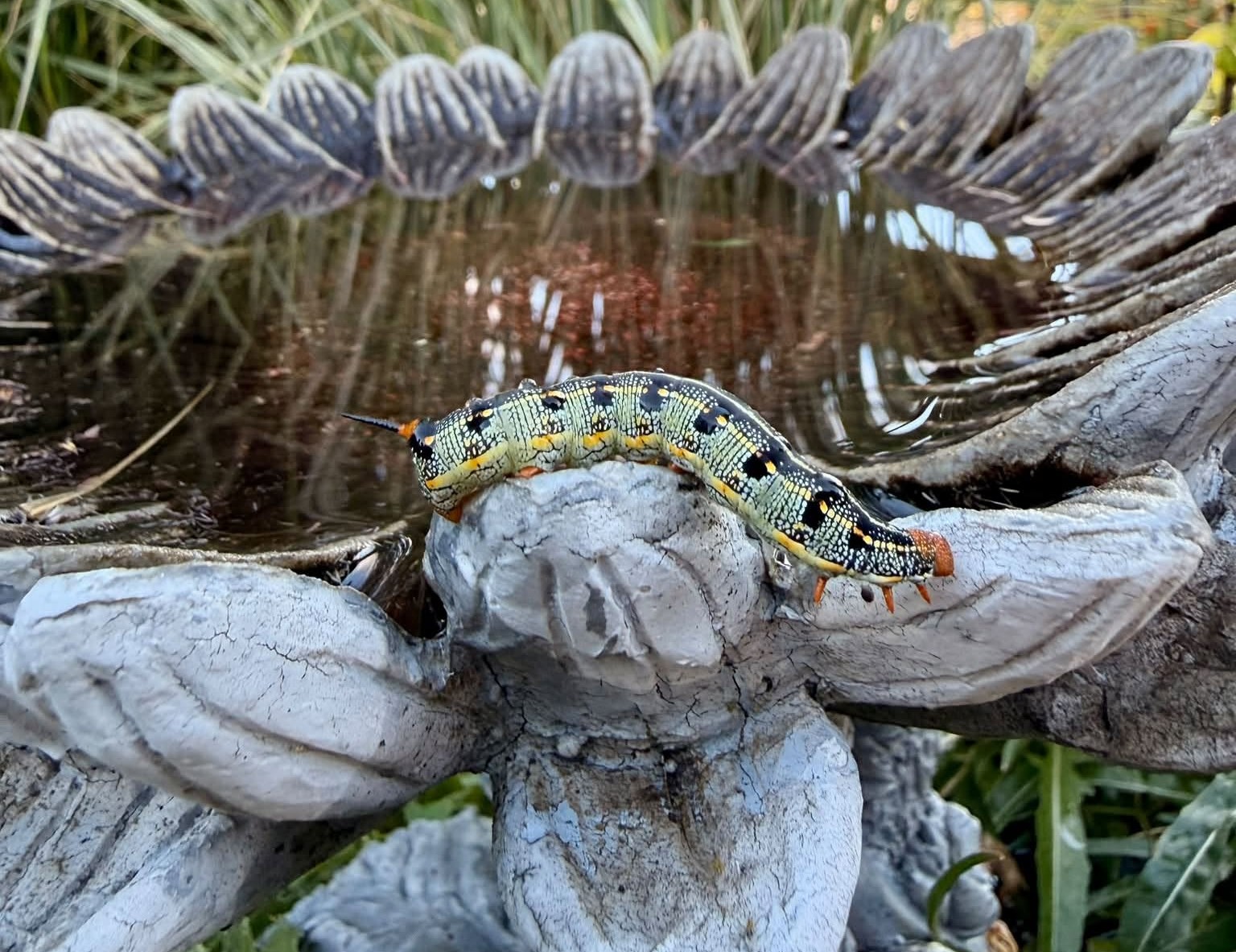
Gardeners in the Thompson-Okanagan have been busy all spring and summer growing and harvesting the fruits of their labour, but they are not the only ones munching on the fresh produce.
Numerous species of caterpillars make the region home and turn into beneficial moths and butterflies next spring, that is if they escape the keen eyes of gardeners protecting their crops.
One of the most nefarious garden foes is the big, green tomato hornworm that can wipe out a tomato crop overnight. These caterpillars eat tomato leaves, fruit, peppers, eggplants and potatoes, according to the Old Farmer’s Almanac.
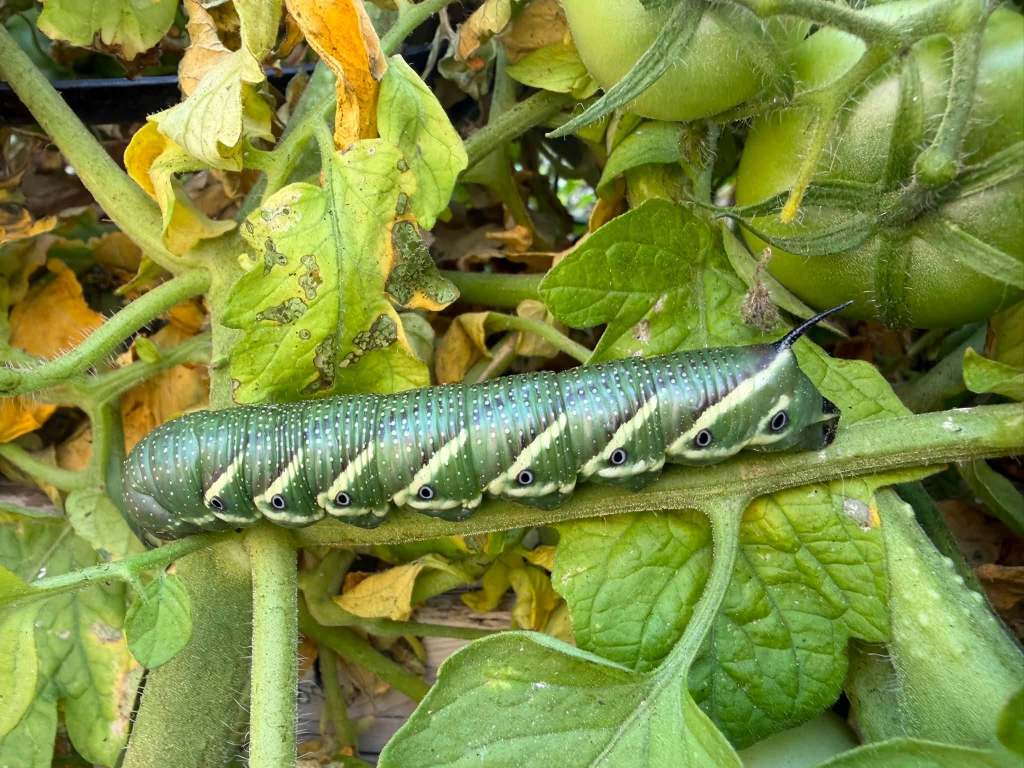
Found throughout most of the U.S. and southern Canada, the caterpillars are pale green with V-shaped white markings on their bodies, have a pointed horn-like appendage sticking out at their backend, and reach up to five inches in length.
Most destructive from June through August, the caterpillars will burrow under the soil for the winter and emerge as sphinx or hawk moths in spring.
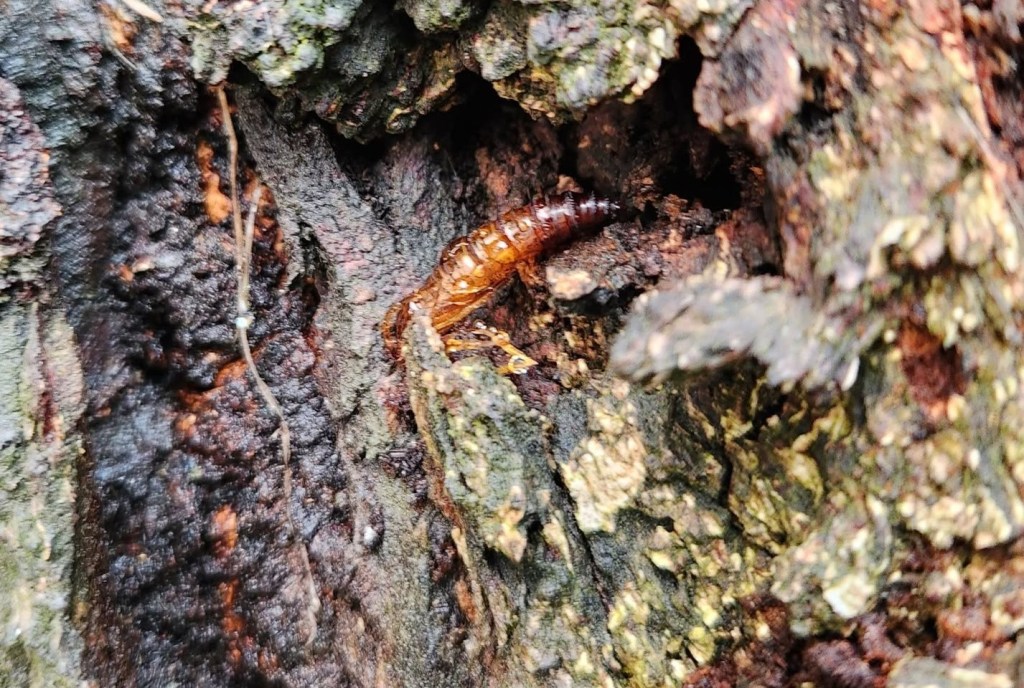
Found across North America, peachtree borers are off-white with a brown head and get to 1.5 inches long.
They live just under the bark of stone fruit trees where they feast on the inner bark for a year, causing the tree to weaken or die, according to Iowa State University. The larvae pupate and become clearwing moths that lay eggs around the base of trees to continue the cycle.
Gardeners can spray insecticides to the trunk and branches during egg laying period in early June to prevent further damage.
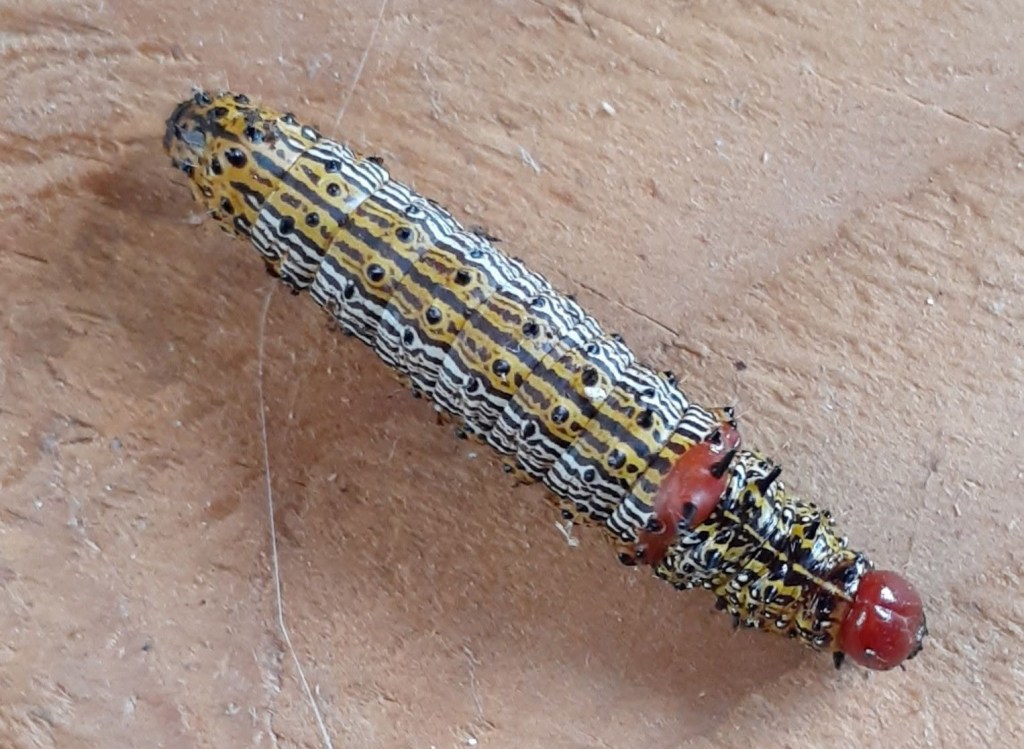
Another voracious eater is the red-humped caterpillar. It has a red head and red hump on its back with several spikes sticking out, and grows to roughly an inch long.
This pest feeds on the leaves of orchard and nut trees like apple, cherry and almond, and can completely defoliate saplings, according to Insect Identification.
These caterpillars pupate in early summer and emerge as red-humped caterpillar moths in summer that lay eggs on leaves. The larvae hatches to devour the leaves as they grow until winter when they remain dormant in cocoons underground until the following spring.
Gardeners can cut off branches where the caterpillars are feeding to reduce their impact and allow predators like wasps to provide natural damage control.
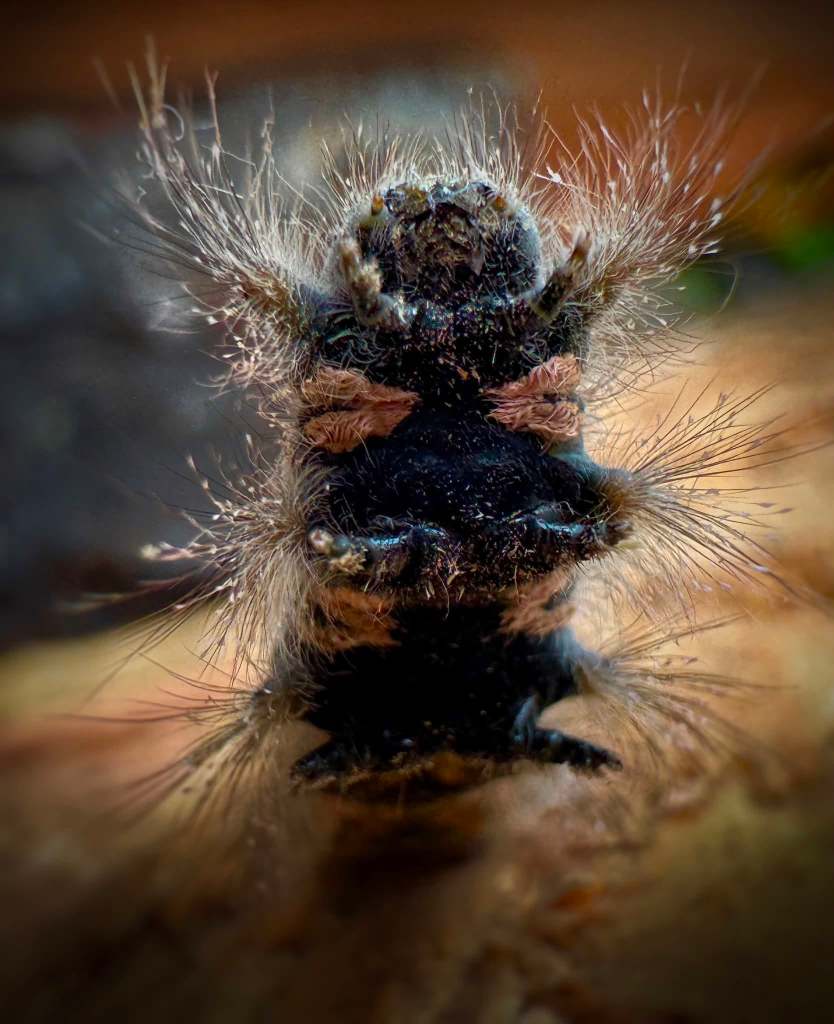
American Lappet Moth caterpillars are blue, black, gray, orange, and white on the back, with hairy lobes called lappets along the sides.
Found in Nova Scotia, BC, Texas and California, these caterpillars munch on forest, fruit and ornamental trees, and are often found in city gardens, according to Bugguide.net. The caterpillars overwinter as pupa, emerge as adults American Lappet Moths in spring to lay eggs which hatch out the caterpillars that consume leaves until the following winter.
Another common garden destroyer is the white-lined sphinx caterpillars which are variable in color and pointed yellow or orange horns on their back ends and grow up to 3.5 inches long.
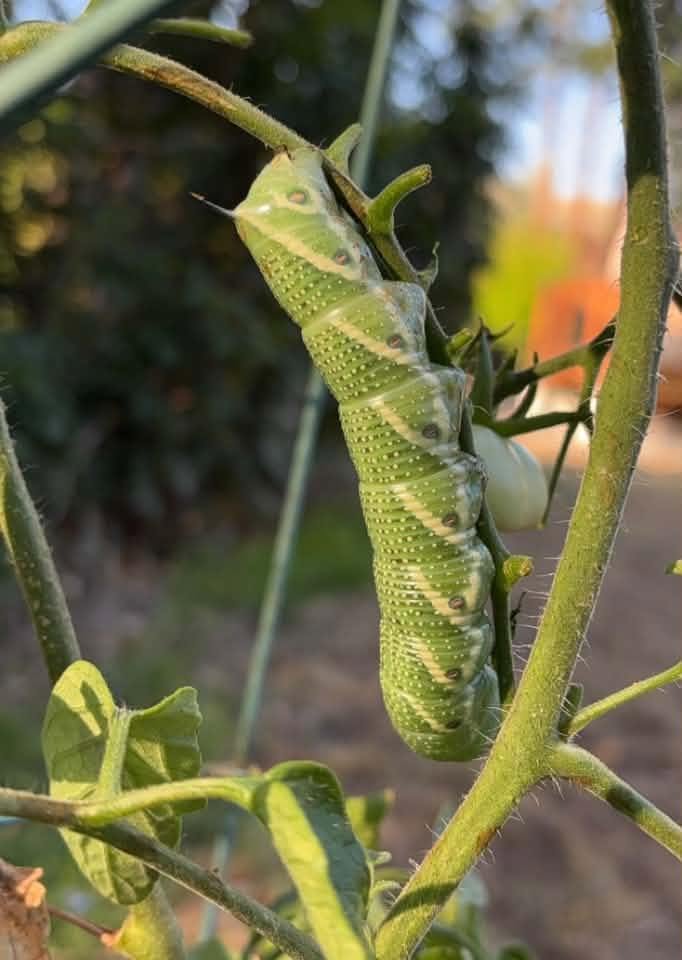
Found throughout most of North America, the white-lined sphynx moth caterpillars consume the leaves of a wide range of different plant species, according to the University of Wisconsin-Madison.
Adult female sphynx moths lay their eggs on plants in the spring, with each female capable of producing hundreds of eggs, and the resulting caterpillars feast on plant leaves. Those caterpillars will burrow into the ground to pupate over the winter.
Gardeners can control caterpillar damage by handpicking them off plants and dropping them into soapy buckets of water or feeding them to backyard chickens.
News from © iNFOnews.ca, . All rights reserved.
This material may not be published, broadcast, rewritten or redistributed.

This site is protected by reCAPTCHA and the Google Privacy Policy and Terms of Service apply.
Want to share your thoughts, add context, or connect with others in your community?
You must be logged in to post a comment.