Elevate your local knowledge
Sign up for the iNFOnews newsletter today!
OTTAWA — Canada-U.S. Trade Minister Dominic LeBlanc and Canada’s chief negotiator Janice Charette were holed up with U.S. Trade Representative Jamieson Greer at his office in Washington Friday, as the clock ticks down on the latest tariff deadline.
LeBlanc and Charette made no comments to reporters waiting outside Greer’s office as they arrived shortly after noon. Mark Wiseman, Canada’s ambassador to the United States, and Marc-Andre Blanchard, Prime Minister Mark Carney’s chief of staff, are also on-hand for meetings for a second day in a row.
The group left mid-afternoon for what was described as a working lunch, before returning to continue the work just before 4 p.m.
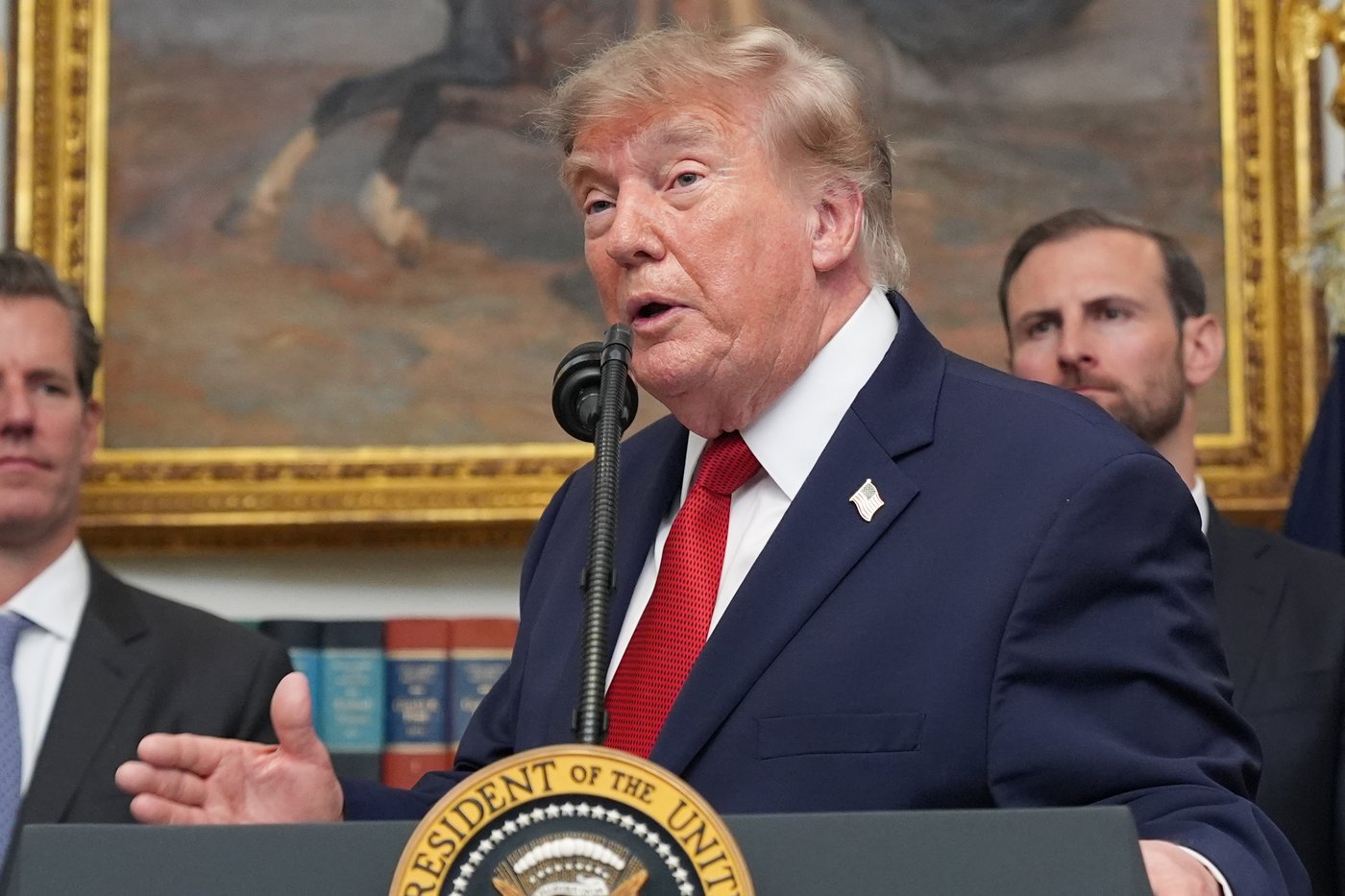
U.S. President Donald Trump’s latest tariff threat on $28 billion worth of Canadian goods is set to take effect just after midnight, unless officials are able to finalize a trade agreement or there’s another extension.
In July, Trump said he would impose a new 50 per cent tariff on a wide range of Canadians goods in retaliation for Canada’s booze bans, auto tariffs and quotas on tariff-free access for U.S. dairy.
The tariffs, on everything from honey and hockey sticks to essential oils and dairy products, were set to come into effect just after midnight Wednesday, but that deadline was pushed back until Saturday to allow time to turn the agreed-upon deal into a legal agreement.
LeBlanc and Charette have met with Greer in Washington several times this month to hammer out the deal.
LeBlanc told reporters on Thursday that the two sides were “very close” to a deal. The content of that agreement, however, has not been shared publicly.
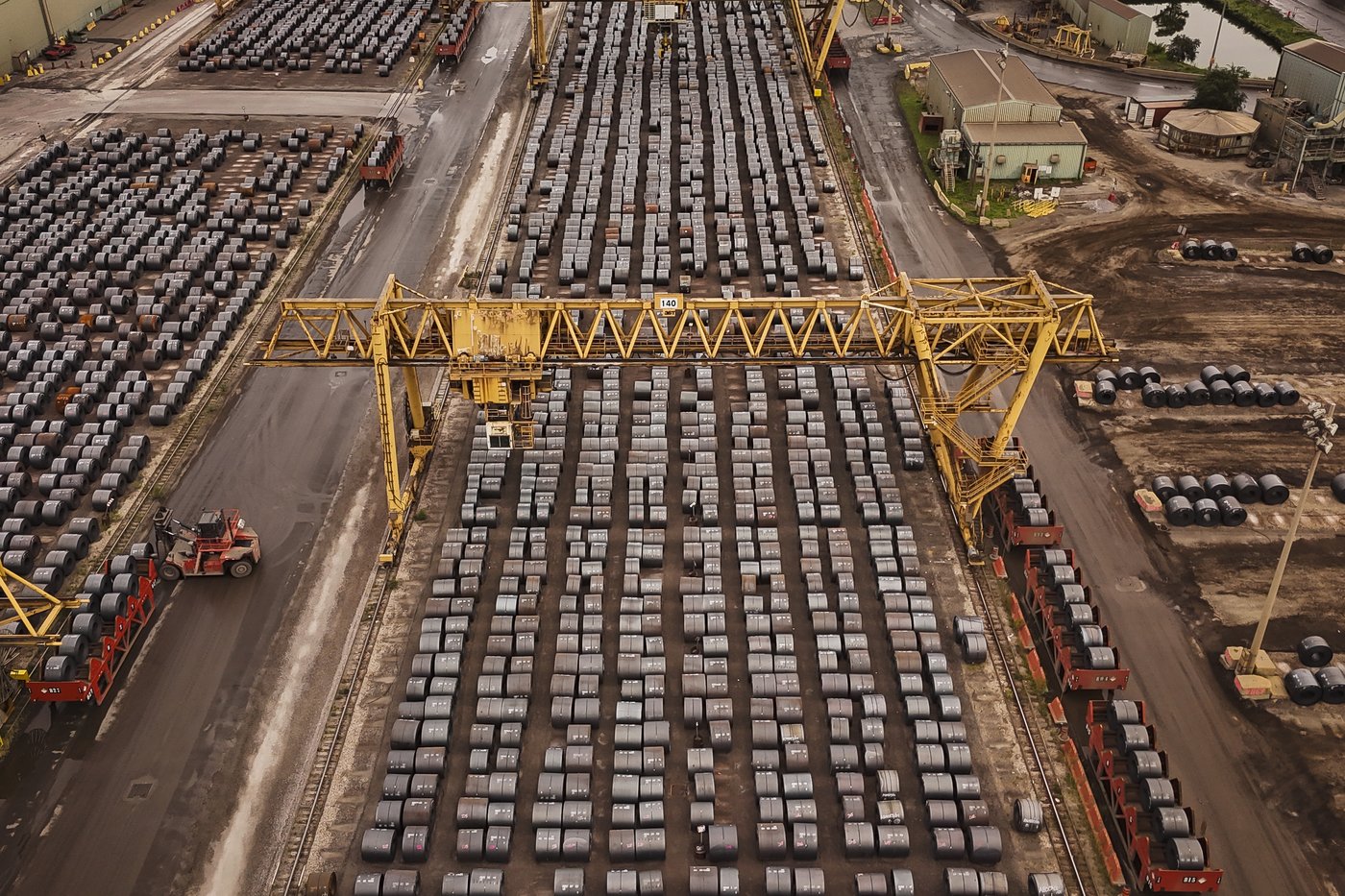
The agreement is expected to address U.S. tariffs on steel, aluminum, lumber and autos. It’s also expect to address some U.S. concerns about limited access to Canada’s dairy market, as well as Canada’s retaliatory tariffs on autos and provincial bans on U.S. alcohol imports.
“Canadians expect us to get a deal that’s in the economic interest of Canada and Canadian workers,” LeBlanc said as he left Greer’s office Thursday.
News publishers are worried about the prospect of the Online News Act being eliminated as part of the trade deal.
“If it were to be given up as a bargaining chip in trade negotiations, the government needs to be extremely sober and clear-eyed about the immediate and catastrophic effect it would have on newsrooms across Canada,” Paul Deegan, CEO of publishers’ group News Media Canada, said in an email.
The Trudeau government passed the legislation in 2023, which requires Meta and Google to compensate news publishers for the use of their content. In response to the law, Meta pulled news from its platforms in Canada, including Instagram and Facebook, while Google has been making payments from a $100-million fund.
Deegan said the money news publishers receive from Google is equivalent to about 1,000 journalism jobs, or “more than a quarter of all newsroom jobs on the publishing side in Canada.”
Greer referenced “digital trade alignment” between the two countries in his brief comments to media on Wednesday but it has not been made clear what he meant.
Canada’s premiers have said Carney asked them to put U.S. booze back on the shelves as part of the deal.
Several premiers have indicated a willingness to comply, but not all.
Ontario Premier Doug Ford, whose province was the biggest importer of U.S. alcohol, has yet to comment publicly on the latest proposal. Quebec Premier Christine Frechette said Thursday after a call with Carney that she’s weighing how the deal could play out for her province.
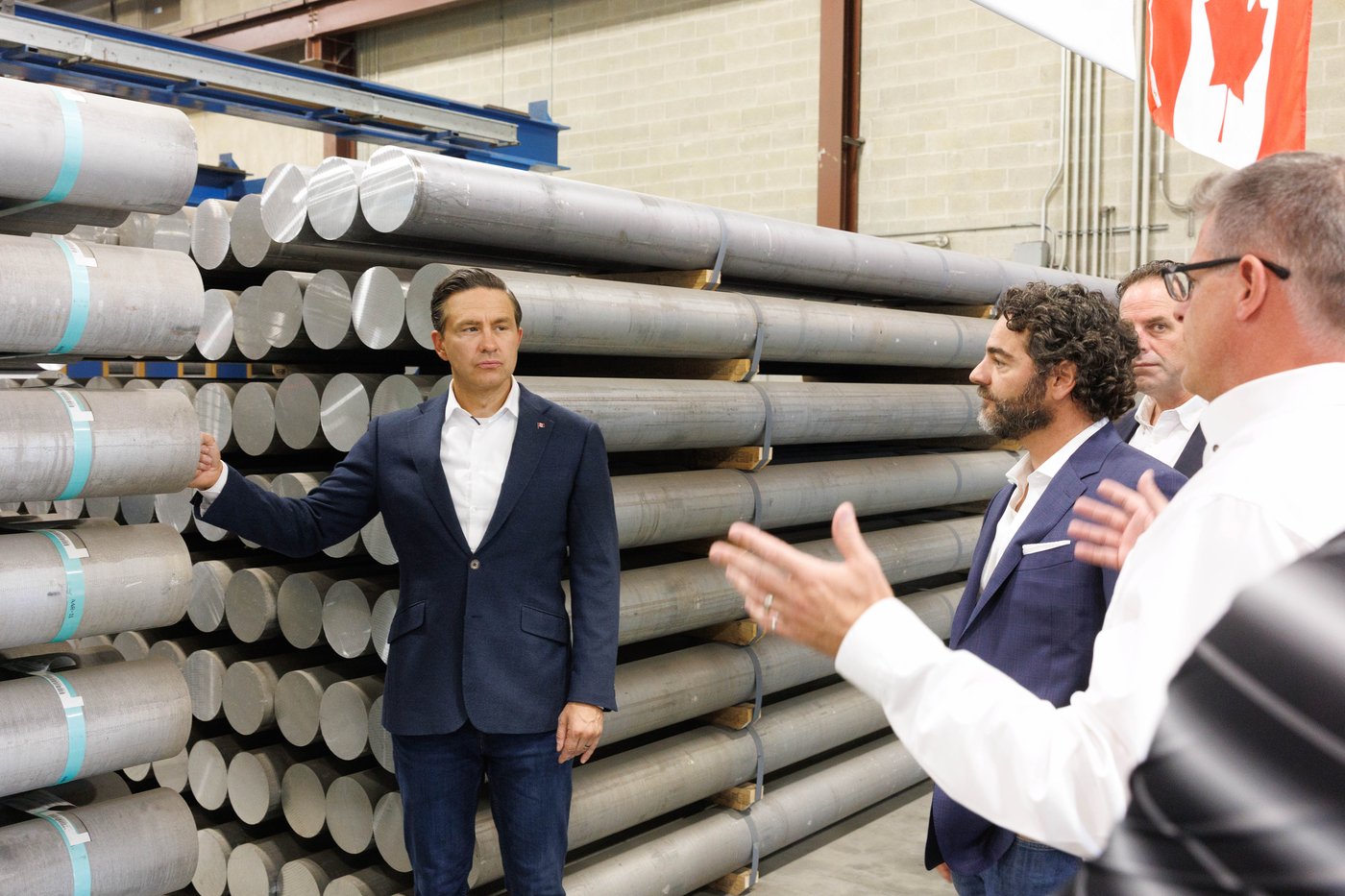
Conservative Leader Pierre Poilievre said Friday he is concerned about rumours Carney “might be willing to cave and accept one-sided tariffs.”
Poilievre said this would leave sectors like steel, aluminum and autos at a disadvantage to the United States and risk seeing those jobs move south of the border.
“I’m very concerned about the deindustrialization of our country if our key industries pay one-sided tariffs,” Poilievre told reporters in Kitchener, Ont.
“Mr. Carney’s got to tell us how he’s going to avoid the full deindustrialization of our economy if he accepts one-sided tariffs as part of this deal. We want the good deal that Mark Carney promised. Remember, his entire election campaign was about elbows up, don’t accept a bad deal. Well, one-sided tariffs on Canadian industry would be a bad deal.”
Unlike other tariffs, the duties that are on pause would affect goods that are compliant with the Canada-U.S.-Mexico Agreement on trade.
The tariffs would be placed on a wide variety of goods from hockey sticks and honey to concrete and plywood.
This report by The Canadian Press was first published Aug. 21, 2026.
— with files from Craig Lord, Anja Karadeglija and David Baxter in Ottawa and Kelly Geraldine Malone in Washington
News from © iNFOnews.ca, . All rights reserved.
This material may not be published, broadcast, rewritten or redistributed.

This site is protected by reCAPTCHA and the Google Privacy Policy and Terms of Service apply.
Want to share your thoughts, add context, or connect with others in your community?
You must be logged in to post a comment.