Elevate your local knowledge
Sign up for the iNFOnews newsletter today!
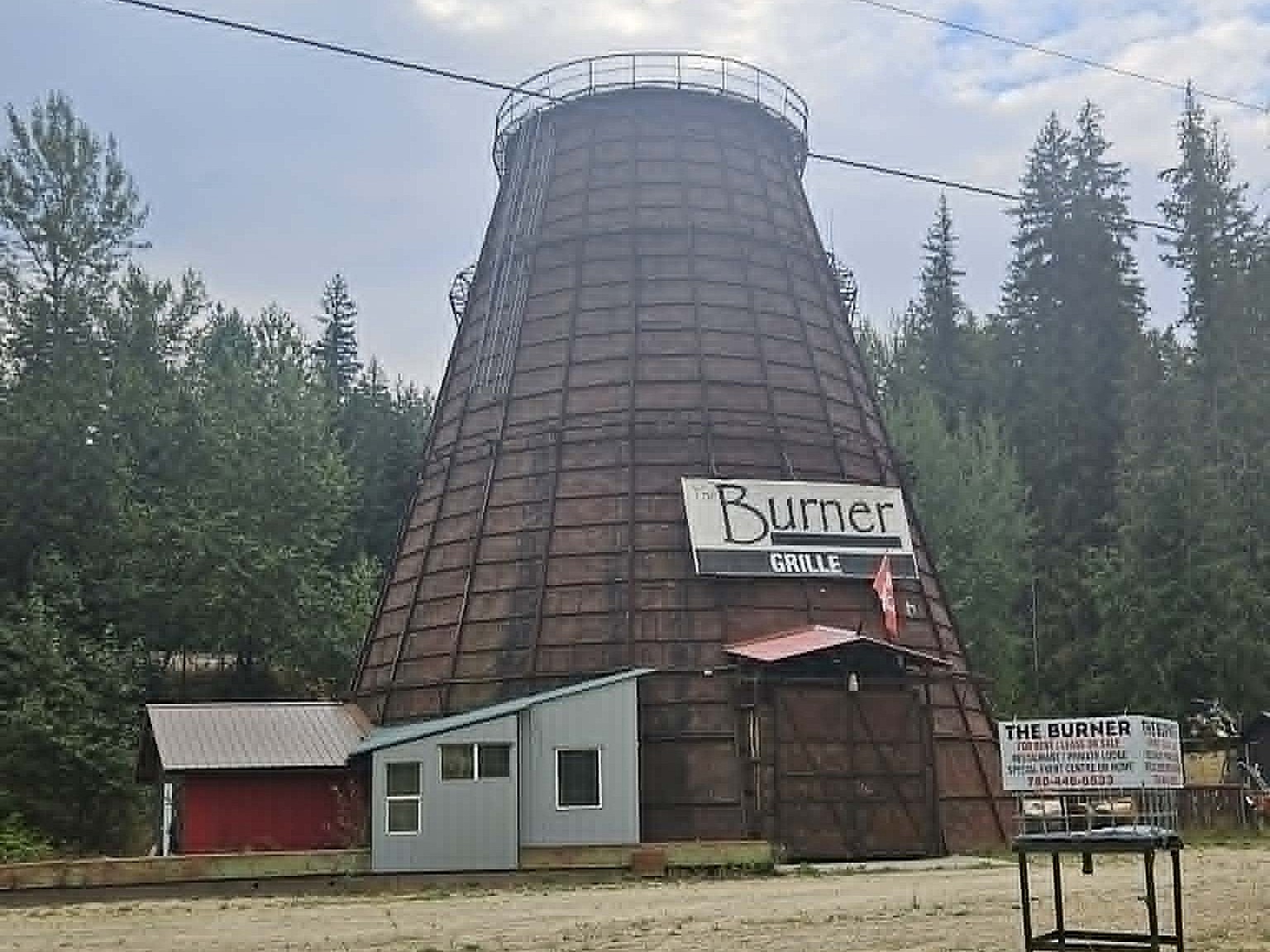
Many abandoned beehive burners can still be spotted in the BC Interior but they are rare and no longer in operation.
People of a certain age might remember the towering conical metal structures — that looked like beehives — blowing ash, smoke and red sparks out their tops at all hours of the day and night. There was a time when most towns with a sawmill had one.
At one time in the Thompson-Okanagan region, beehive burners operated in Savona, Enderby, Lillooet, Malakwa, Lytton, Enderby and Savona.
Beehive burners are conical, tall steel structures ranging from 10 to 20 metres in height with a screen over the top, used to dispose of wood residue from log yards and sawmills, and are a significant source of particulate emissions, according to a 2009 report from the province.
Due to the pollution from the high amount of particulates the burners coughed up, the province has since phased them out, and the ones that haven’t been torn down are mostly abandoned history.
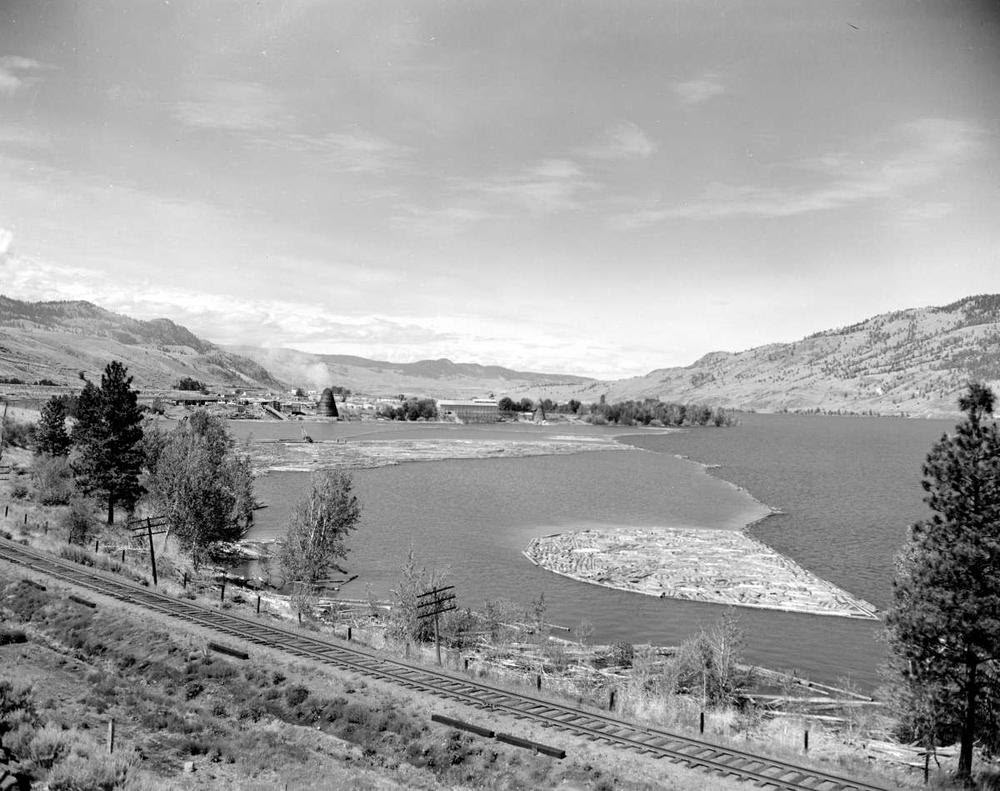
BCs forest industry began in the 19th century with the arrival of European settlers, with large lumber mills established by 1871 that sent lumber east for railway building and closer to home to build the City of Vancouver.
Logging expanded along with technology and by the 1920s, BC was the country’s largest lumber producer with 10% of the population employed in the industry.
During that time, thousands of sawmills were operating in the province and creating wood waste, so beehive burners were established at mills to get rid of it, clouding towns with ash and smoke.
In the 1990s, the provincial government enacted a lengthy phase-out program for the burners due to the health impacts from particulate matter. The years-long program sought to find a balance between preserving forestry jobs and protecting the environment, while finding long-term ways of getting rid of wood waste, according to a 1998 media release by the province.
“Since 1996, B.C.’s beehive burner phase-out program has been a major success,” the release read. “Fifty-two of the high-polluting burner operations have been replaced with more efficient technologies or by alternative uses of wood residue.
“Substantial amounts of money have also been invested by operators in order to make the remaining burners more efficient and less polluting.”
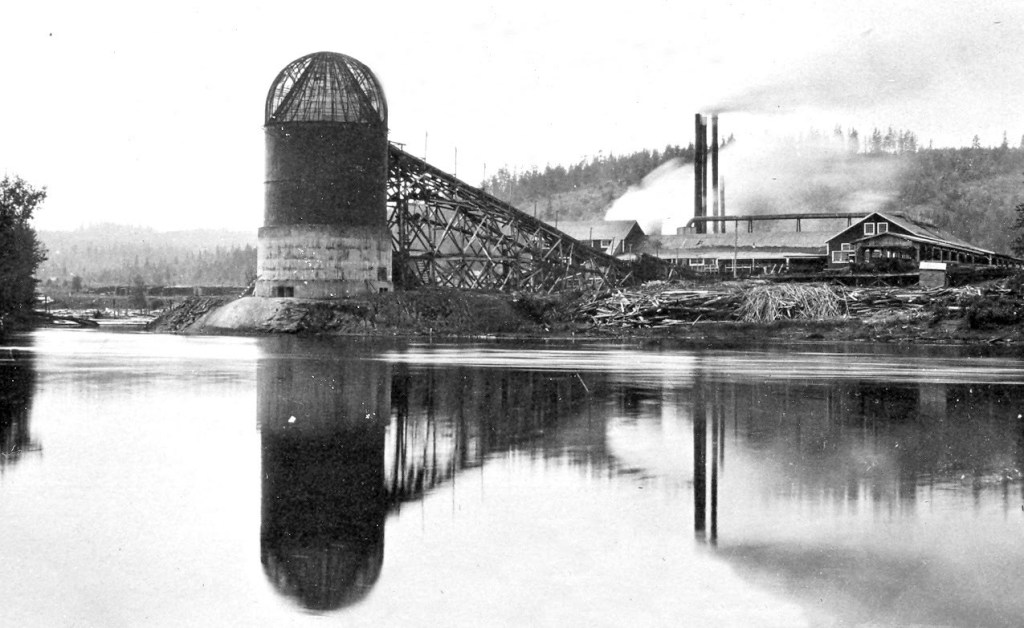
Emission limits were set and fees charged for the discharging of particulate matter from the burners, with some fees redirected toward finding value-added uses for the waste.
Alternatives popped up including wood stove pellet plants, gasifier projects, fibreboard plants, bio-oil extraction plants, and sites where the residue was hogged or chipped for pulp mills.
Those burners puffing out the most pollution were required to shut down by 2008, while the rest of the burners were phased out between 2010 and 2018.
There are roughly 30 old beehive burners still scattered around the province today.
A notable one located on the Trans-Canada Highway in Malakwa was repurposed as the Burner Grill restaurant for several years until it was put up for sale.
News from © iNFOnews.ca, . All rights reserved.
This material may not be published, broadcast, rewritten or redistributed.

This site is protected by reCAPTCHA and the Google Privacy Policy and Terms of Service apply.
Want to share your thoughts, add context, or connect with others in your community?
You must be logged in to post a comment.