Elevate your local knowledge
Sign up for the iNFOnews newsletter today!
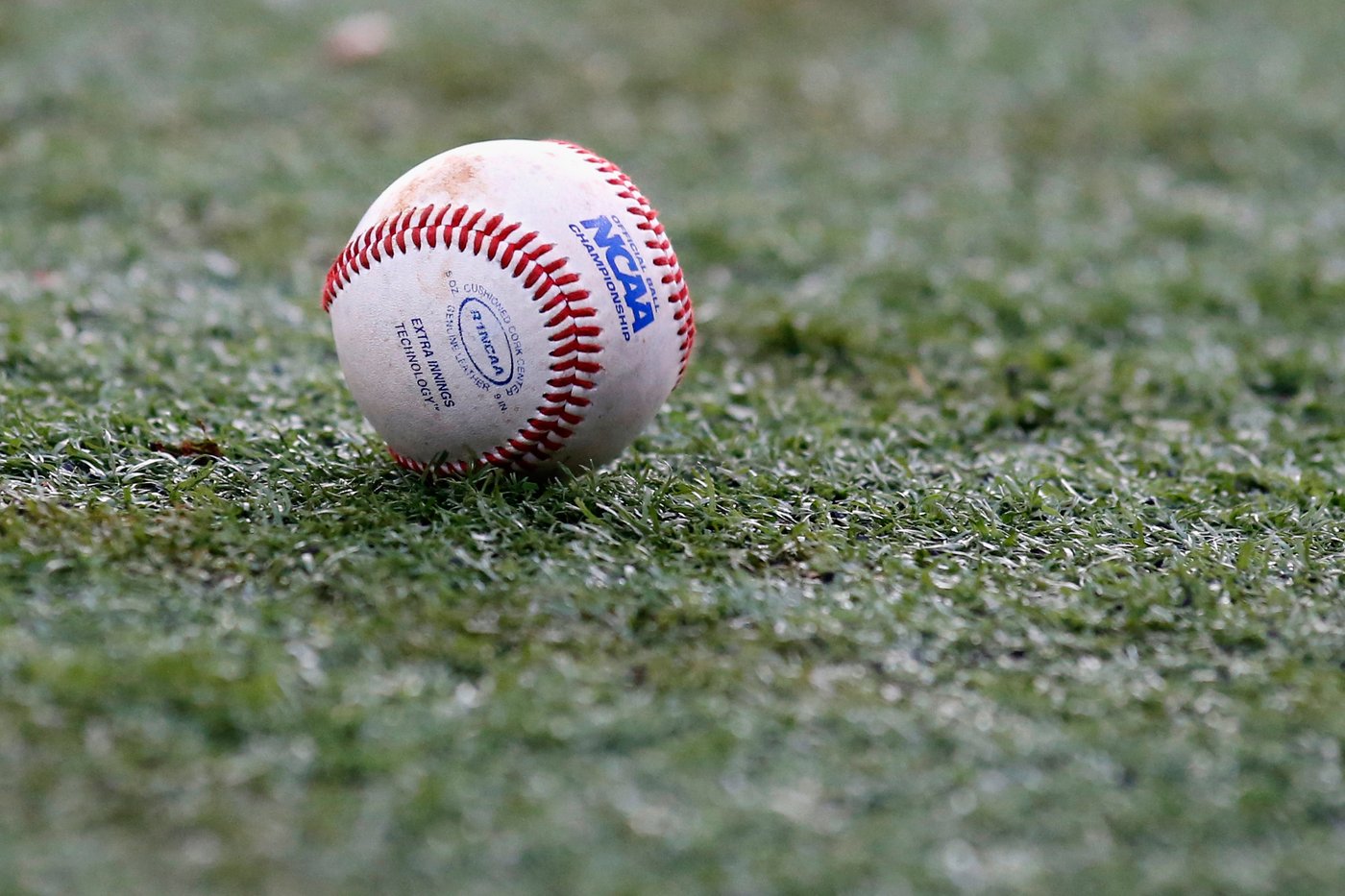
INDIANAPOLIS (AP) — The Automated Ball/Strike system has been approved for use next season in all divisions of college baseball, the NCAA announced Tuesday.
The Division I Baseball Oversight Committee and the Division II and Division III Playing Rules Oversight Panel recently voted to give teams the option, when available, of implementing a system to challenge called balls and strikes in regular-season and postseason games.
The Southeastern Conference experimented with a system allowing batters, catchers and pitchers to challenge ball and strike calls during its conference tournament in May, and the rule will go nationwide on an experimental basis.
The use of 18-inch square bases for next season will be permitted at all facilities in all three divisions, while 15-inch square bases remain the standard. A double first base will be required for all games.
In Division I only, a 30-second timer will be used between batters, as well as during mound visits and offensive timeouts.
Conferences in all three divisions could receive approval to experiment with allowing pitchers only two disengagements from the pitcher’s rubber per batter. A third disengagement would be considered a balk unless the pickoff attempt results in an out.
Also, pitchers entering a game would be required to face at least three batters unless the inning ends before three batters could be faced.
___
News from © The Associated Press, . All rights reserved.
This material may not be published, broadcast, rewritten or redistributed.

This site is protected by reCAPTCHA and the Google Privacy Policy and Terms of Service apply.
Want to share your thoughts, add context, or connect with others in your community?
You must be logged in to post a comment.