Elevate your local knowledge
Sign up for the iNFOnews newsletter today!
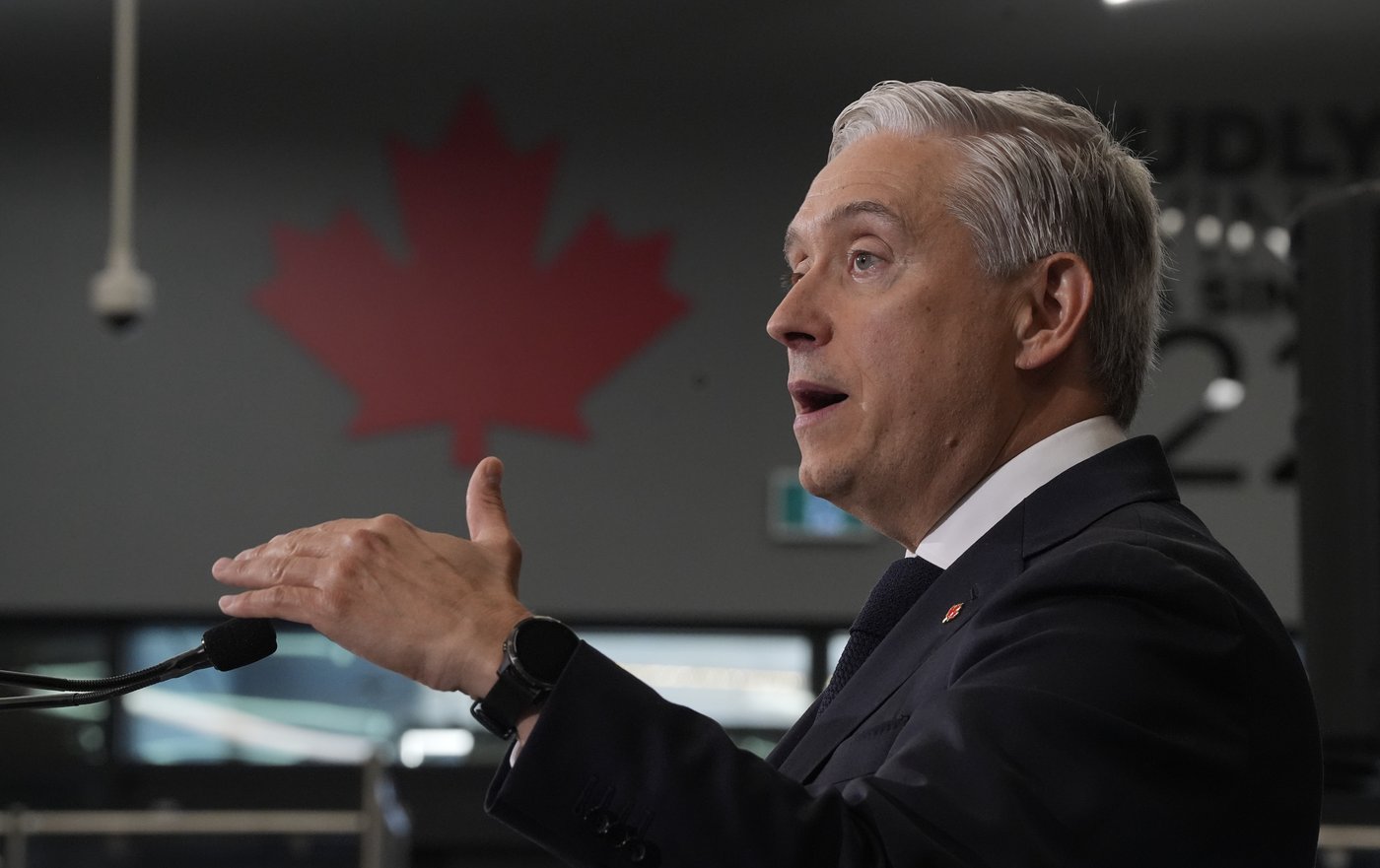
OTTAWA — The federal government is extending the suspension of federal fuel excise taxes until the new year to help Canadians feeling the pressure from higher energy costs caused by instability in the Middle East.
“For Canada, it means practical relief at a time when Canadians need it most,” Finance Minister François-Philippe Champagne said Wednesday in Ottawa.
The fuel excise tax will remain suspended in full until January 2027. It will be phased back in over three months, Champagne said, beginning at 50 per cent of the regular rate in February and March, before returning to normal in April 2027.
The Liberals temporarily suspended the federal 10-cent-per-litre excise tax on April 14 after the U.S. war on Iran caused global fuel prices to spike. The pause was initially set to last until Labour Day.
Gas prices are rising again as the conflict intensifies and as the Strait of Hormuz remains a supply line choke point.
Champagne said Wednesday that volatility in the oil market is expected to continue “for the foreseeable future” and the fuel excise tax relief is a direct response.
Statistics Canada reported the national average price of a litre of gas in April was about $1.79.
The Canadian Automobile Association, better known as CAA, reports the national average gas price was $1.729 per litre on Sept. 2.
Reinstating the fuel excise tax would increase that price to $1.829 per litre, or add $5 to the cost of filling a 50 litre tank.
Carney told reporters in April the government expected the four-month gas tax holiday to cost about $2.4 billion in lost government revenue. On Wednesday, Champagne said the entire tax holiday will cost $5.3 billion in lost government revenue.
Champagne said the government can cover that cost through a combination of increased revenue from higher oil prices and broader government cost reductions introduced in last year’s budget.
Robert Glasgow, a trade and customs lawyer at KPMG, said the extension makes sense politically but it isn’t something the government can do indefinitely.
He said the gradual return to the full excise tax between February and April should make it easier for consumers to adjust.
“I think what they’ve done is probably the best course of action when you mix the politics with the economics,” Glasgow said.
He added that, given the ongoing war in Iran and high fuel prices, the government was “boxed” into extending the holiday and a phased end date allows it to better plan economic relief for the trade war with the U.S.
“From an economic standpoint, personally, I think that they’d be best off getting off of that gas tax holiday and trying to push that money in, to the degree it’s needed, to direct business support to make sure that we can get through this very, very difficult time that’s being unfairly imposed upon Canadian businesses and consumers by the confluence of global events,” Glasgow said.
The Conservatives had been calling for an extension of the gas tax pause to the end of the year, as well additional GST relief, which they say would reduce fuel prices by 25 cents per litre.
Conservative Leader Pierre Poilievre issued a statement Wednesday saying his party “won another battle for Canadian families.”
He said Conservatives now want the government to drop all federal fuel taxes, including clean fuel regulations, until Canada Day 2027 and to permanently cancel the industrial carbon price.
“Canadians need real relief that brings lower prices, not another Liberal half measure. Conservatives are proud of our role in securing today’s win, but we will never stop fighting for a more affordable Canada,” Poilievre said in a media statement.
Ontario Premier Doug Ford welcomed the extended pause in a statement on social media and called for it to be made “permanent.”
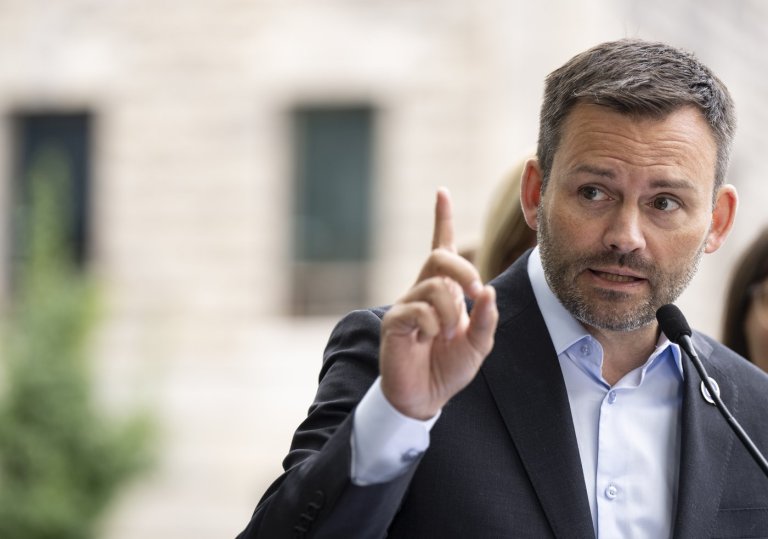
NDP Leader Avi Lewis on Wednesday called on the government to instead impose a “windfall tax” on energy companies.
“People are getting gouged at the pumps, but another costly handout of public money to oil and gas companies is no solution,” Lewis said in a media release.
“Even after the Carney government’s $2.4 billion giveaway, gas prices continue to soar. Instead of more corporate welfare, it’s time for a windfall tax on the big oil giants that are set to make $100 billion in profits this year because of (U.S. President Donald) Trump’s illegal war in Iran.
“Doing so will generate billions in new revenue that we can use to give Canadians real relief at gas stations and grocery checkouts.”
This report by The Canadian Press was first published Sept. 2, 2026.
News from © The Canadian Press, . All rights reserved.
This material may not be published, broadcast, rewritten or redistributed.

This site is protected by reCAPTCHA and the Google Privacy Policy and Terms of Service apply.
Want to share your thoughts, add context, or connect with others in your community?
You must be logged in to post a comment.