Elevate your local knowledge
Sign up for the iNFOnews newsletter today!

WASHINGTON — U.S. Trade Representative Jamieson Greer blamed Canada for Washington’s decision to escalate the trade war.
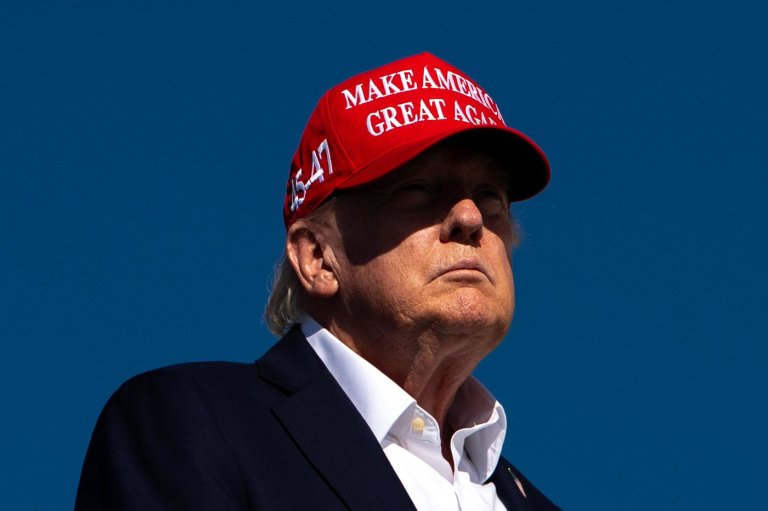
President Donald Trump on Tuesday signed new executive orders ramping up retaliation after Canada imposed its latest set of counter tariffs on the United States.
The five new orders, which take effect later this month, will completely bar imports of certain Canadian goods, including motorcycles, some dairy products and alcoholic beverages.
But the orders also exempted some Canadian products — including toilet paper, road salt and cement — from being tariffed altogether.
In a statement on X Tuesday, Maine Sen. Susan Collins said she appreciated the Trump administration’s flexibility as she continued to press for a trade resolution with Canada.
“I mentioned in a letter to the Administration that Frenchville, a small Maine town on the Canadian border, would incur $10,000 in extra costs for road salt, threatening the town’s ability to provide municipal services,” wrote Collins, a Republican.
“These additional exemptions follow Canada’s announcement that it will carve out American seafood and fish products from its retaliatory tariff list, which would have caused significant harm to Maine’s lobstermen.”
Collins said tariffs on forest products were still in place and would lead to higher costs in Maine.
“I urge the Administration to continue to work to de-escalate this conflict,” she said.
Tuesday’s orders also removed fishing rods, Canadian whiskey and liqueurs in bottles larger than four litres from the list of products being tariffed.
Greer said Tuesday the escalation was a “natural consequence” of Canada discriminating against American exports and choosing “senseless retaliation” over an almost final trade deal.
He said Trump intends to defend the interests of American workers and exporters, and restore reciprocity in bilateral trade relationships.
Prime Minister Mark Carney has said that Canada’s pivot away from the United States will come at a cost, but the alternative would be far worse.
Stephen Brown, chief North America economist at Capital Economics, said in a note to clients Wednesday that the items removed from the U.S. tariff list are valued at roughly US$1.7 billion, and the new targets are worth about the same amount.
Switchgear assemblies and cement have been removed from the original U.S. tariff list. Brown suggested that could be tied to the role these products play in building out data centres.
He estimated that Trump’s new import bans will apply to 0.25 per cent of Canada’s exports to the United States, or 0.03 per cent of total U.S. imports.
Trump’s Section 338 tariffs, imposed on a range of Canadian goods starting Aug. 22, hit some five per cent of Canada’s exports to the United States with a dollar value of around $28 billion.
Brown said the U.S. import bans will have “little effect on either economy.”
“Nonetheless, the escalation raises the risk that the 50 per cent tariffs will remain in place for longer than the month or so that we assumed for our forecasts, therefore dealing the Canadian economy a larger blow,” he said.
Brown said if the tariffs remain in place until the end of the year, Canada’s economy could stagnate or contract in the fourth quarter. The federal government’s roughly $7.5 billion in stimulus spending will offset some of that impact, he noted.
This report by The Canadian Press was first published Sept. 9, 2026.
— With files from Craig Lord and Nick Murray
News from © The Canadian Press, . All rights reserved.
This material may not be published, broadcast, rewritten or redistributed.

This site is protected by reCAPTCHA and the Google Privacy Policy and Terms of Service apply.
Want to share your thoughts, add context, or connect with others in your community?
You must be logged in to post a comment.