Elevate your local knowledge
Sign up for the iNFOnews newsletter today!
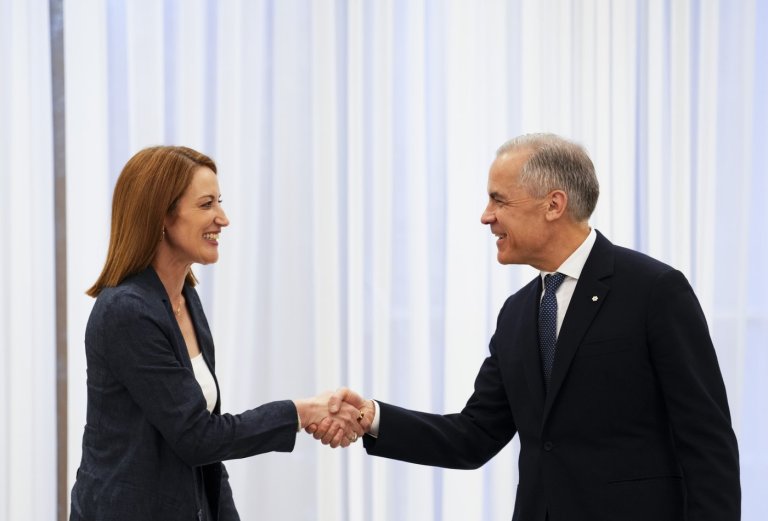
OTTAWA — Prime Minister Mark Carney is pursuing a new form of economic partnership with the European Union and both sides are talking about an agreement spanning multiple areas.
Here’s what we know.
A ‘unique’ arrangement with Europe
EU Ambassador to Canada Geneviève Tuts said last week that both sides are looking at crafting “something unique” that would build on an existing strategic partner agreement and a free trade deal.
Tuts said officials are identifying areas for further co-operation before talks take place to settle on a format for the deal. She said to expect discussions during Carney’s visit this week to the European Parliament in Strasbourg, France.
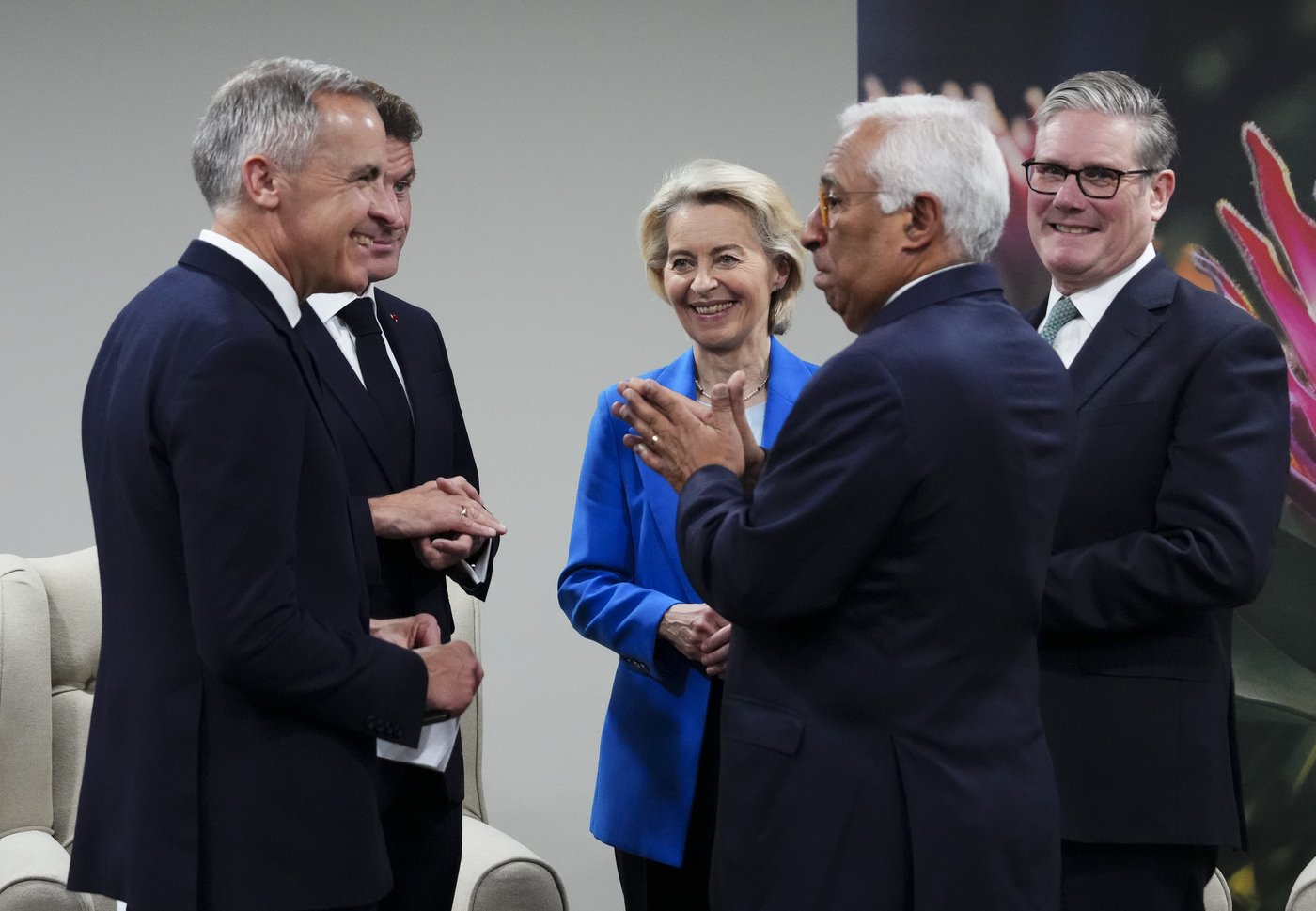
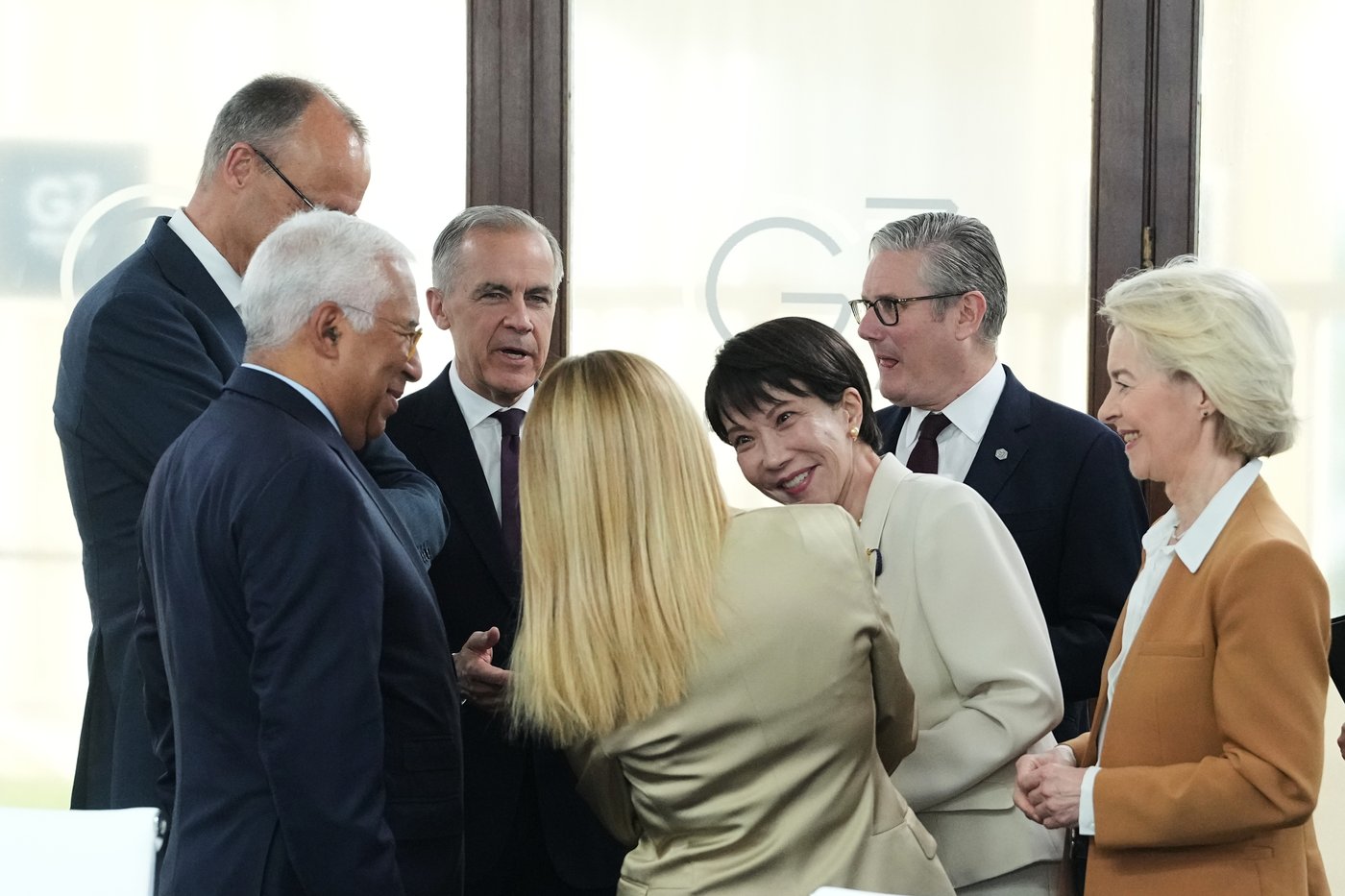
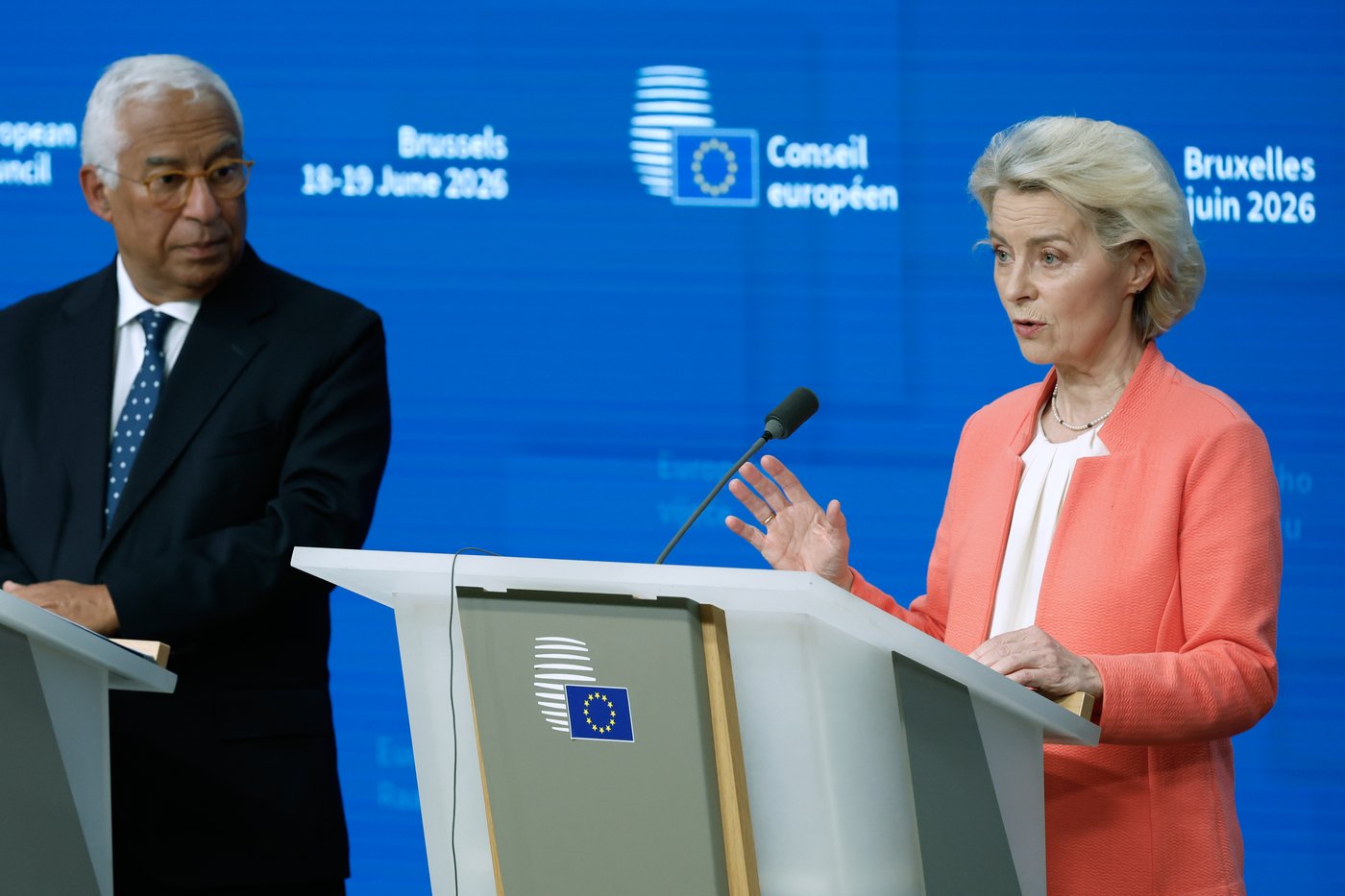
Those discussions will be followed by the EU-Canada summit set for Oct. 29 and 30 in Canada, which will see Carney host European Commission President Ursula von der Leyen and European Council President Antonio Costa.
Media reports have described a sweeping, major partnership in the works. The Wall Street Journal suggested Carney was exploring whether Canada could become an “associate member” of the European Union. No such associate member status exists.
“We’re not looking to become a member of the European Union,” Carney told reporters Sunday.
He said Canada and the EU are seeking “a unique alliance” based on similar values and priorities, coupled with “very complementary strengths.”
What might be in the agreement?

Achim Hurrelmann, co-director of the Centre for European Studies at Carleton University, said it seems both sides are “scrambling for ideas of what to include” in this new partnership.
He said the agreement might end up bringing together a lot of unrelated policies, such as collaboration on a European stockpile of critical minerals, university student exchanges and a digital trade agreement.
Carney told Bloomberg News that Canada’s relationship with the EU could include enhanced labour mobility, educational opportunities and research co-operation.
“It’s not going to be solved this week in Strasbourg, just to be clear. It’s the start of a process, but it’s a start of a high-ambition process,” he said in a filmed interview published Monday.
Renew Europe, one of the eight political groupings in the EU Parliament, calls itself “the European sister political family of Canada’s Liberal party.” In March, the group called for a NATO-style trade pact with Canada, Japan and South Korea. Such a pact would see its members harmonize export controls to shield themselves from American and Chinese economic coercion.
Renew called last week for a new “strategic association” with Canada on trade, investment, critical minerals, energy, artificial intelligence, research, student exchanges, defence and labour mobility.
Why does Canada want to be closer with Europe?
Both jurisdictions have felt the brunt of U.S. President Donald Trump’s policies upending decades of integrated defence and trade flows.
Some U.S. Republicans say Trump simply wants NATO to shoulder more of the cost of its defence and wants to see and more benefits for Americans from preferential European access to the U.S. market.
But Trump has repeatedly threatened the sovereignty of Canada, Iceland and Greenland, which is part of the Kingdom of Denmark. He also has targeted institutions like the International Criminal Court and the World Trade Organization, institutions countries rely on to limit dominance by superpowers.
Canada was the first non-European partner in an EU loan program for joint defence projects called Security Action for Europe, or SAFE. Only one contract for Canada has emerged from the program so far.
While the EU’s roughly 450 million citizens outnumber the 340 million people living in the U.S., it’s not clear the European market could absorb the goods and services Canadians have spent decades selling to the United States.
Carney’s landmark January speech to the World Economic Forum in Davos, Switzerland called on middle powers to forge tighter economic and security ties to counter coercion by great powers.
But Carney also spoke in May about how a strong Canada “will help make America great again.”
What does Europe want?
Europe lacks easy access to many key commodities, including oil and gas and the critical minerals used in building electrical vehicles.
Fuel deposits near Norway and the Netherlands and green energy sources are not able to meet the industry and consumer demand that had much of Europe relying on Russian gas until Moscow launched its full-scale invasion of Ukraine in 2022.
Trump’s war on Iran has choked critical supply lines, sending fuels costs soaring in Europe. European officials have talked for years about having Canada as a key provider of rare earths and fuels like liquefied natural gas.
What are Canadians concerned about?
Conservative MPs have spoken out forcefully about any tight partnership with Europe and have compared the idea of an EU “associate membership” with Trump’s talk of annexing Canada.
Others note that 10 EU countries — including G7 peers France and Italy — still haven’t ratified a trade deal with Canada called CETA that took effect nine years ago. The deal has drastically boosted European exports to Canada, and to a lesser extent in the opposite direction.
Conservative MP Adam Chambers called recently for the “immediate ratification of CETA by EU holdouts” and for an end to European restrictions on imports of some Canadian foods.
Some EU countries limit Canadian imports over concerns about hormones or genetically modified crops.
Analysts have suggested that Carney’s focus on Europe risks reinforcing a view in Asia that Ottawa prioritizes its historical ties over a younger continent with faster economic growth.
What are Europeans concerned about?
Hurrelmann said the EU is always careful about how it treats the United Kingdom when thinking about partnerships with other countries.
The British exit from the bloc had deep effects on both sides of the English Channel and Brussels has been signalling it wants deeper ties with the U.K.
The Wall Street Journal noted some on the European side worry that Carney merely wants to use stronger ties as leverage in trade talks with Washington.
European countries also frequently encounter difficulties caused by interprovincial barriers to trade and accreditation. The EU co-ordinates regulations and labour laws across its member countries, while Canada still grapples with trucking rules and nursing credentials that vary by province.
Is Canada joining the EU?
Since 1957, the EU has required that member countries be located in Europe. That rule leaves Morocco out but could someday allow Georgia in. It almost certainly does not encompass Canada.
Still, some Canadians, including former Alberta deputy premier Thomas Lukaszuk, have promoted the idea of Canada joining the bloc.
European diplomats have repeatedly referred to the idea as a distraction from actual efforts to boost trade and co-ordinate on shared threats relating to the Arctic, Russia’s war on Ukraine and Chinese economic policies.
Finnish President Alexander Stubb discussed the idea during an April visit to Ottawa. “It would be a marriage made in heaven,” he said. “Limits should be provided only by our brains.”
In May, Kaja Kallas — vice-president of the European Commission and the EU’s foreign minister — took note of the idea in a recorded video message marking 50 years of formal ties between the EU and Canada.
“Canada is even the first — and arguably the only — country outside Europe where support for the EU membership is higher than in some of our member states,” Kallas said.
This report by The Canadian Press was first published Sept. 14, 2026
News from © The Canadian Press, . All rights reserved.
This material may not be published, broadcast, rewritten or redistributed.

This site is protected by reCAPTCHA and the Google Privacy Policy and Terms of Service apply.
Want to share your thoughts, add context, or connect with others in your community?
You must be logged in to post a comment.