Elevate your local knowledge
Sign up for the iNFOnews newsletter today!
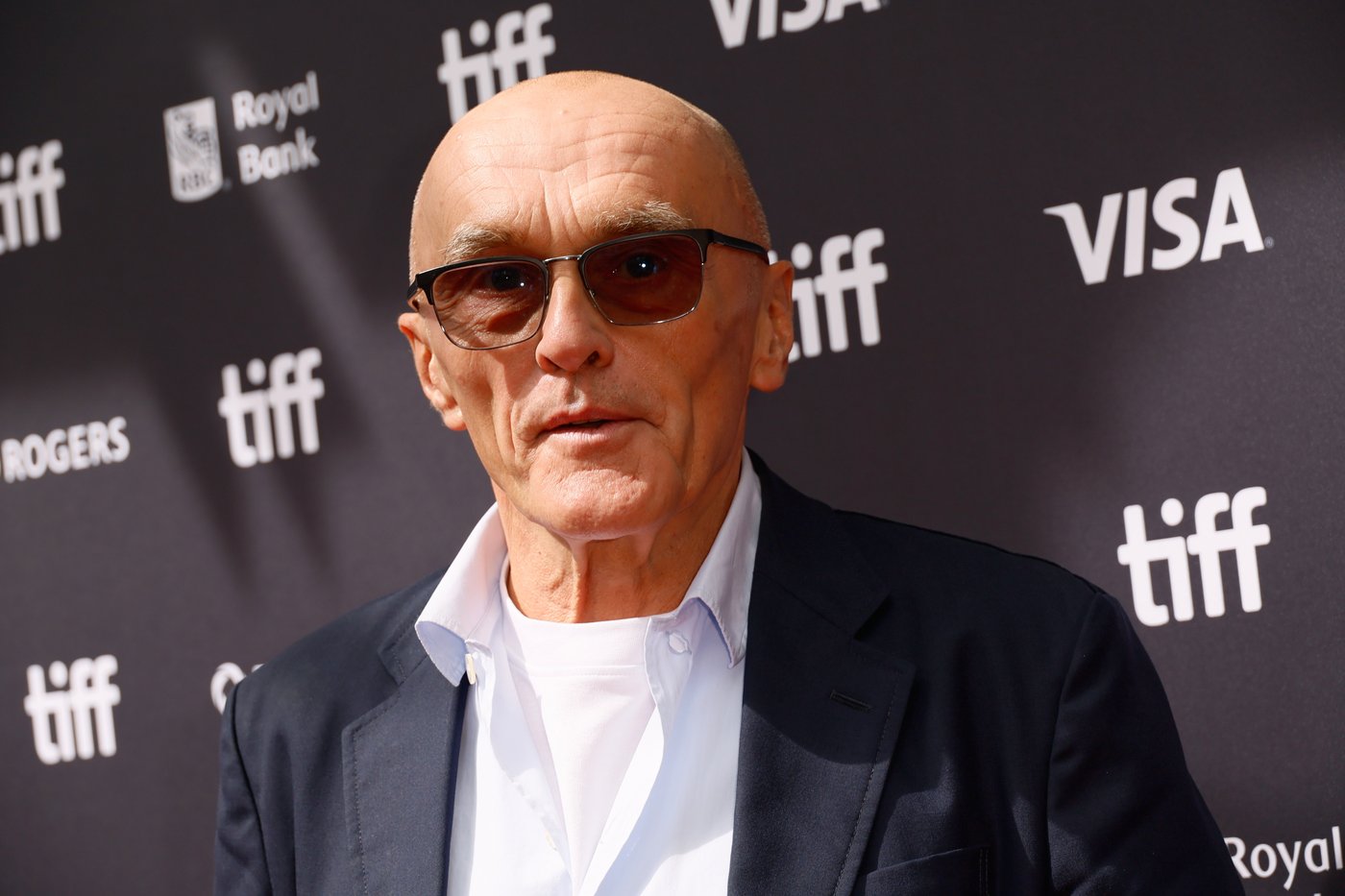
TORONTO — Danny Boyle says he tried to be responsible with the small amount of artificial intelligence used in the making of his new film “Ink.”
At a Tuesday screening of the movie at the Toronto International Film Festival, the British director said he was careful to think about potential job losses when deciding to use the technology for about 30 seconds in the movie.
His remarks were met with jeers by some in the audience.
“We try to be very responsible and make sure that no actors were out of work because of it,” he explained during a panel after the screening, when an audience member asked about his use of AI. “We would always employ actors if we were going to use a bit of it.”
AI helped Boyle animate old photographs used in a montage and add mice to another scene in the movie about the sensationalism of U.K. tabloid the Sun under owner Rupert Murdoch.
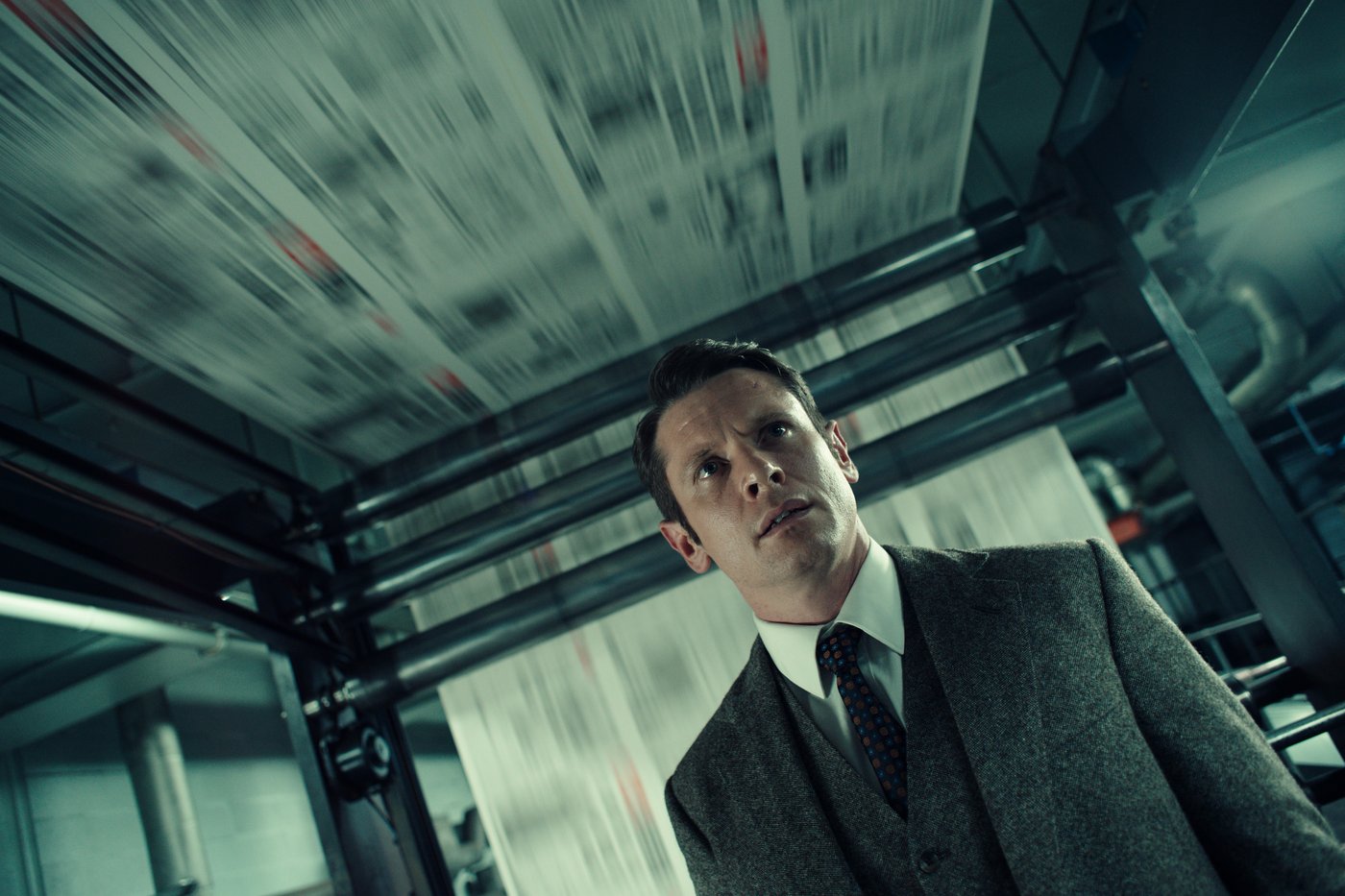
Boyle didn’t explain why he felt it necessary to rely on the technology but said it’s an issue both the industry and humanity need to explore in the future.
“The wider question of AI and its place in our society, of course, including our profession is a huge and complicated one, which I don’t think we could probably go into here,” he said. “But we will need to go into it more.”
As he wrapped up answering the question, an audience member shouted that he should never use AI in his film again. A TIFF employee who was moderating the panel with Boyle and stars Guy Pearce and Jack O’Connell then ended the question session.
When TIFF hosted a discussion with Boyle on Wednesday, he wasn’t asked about his use of AI in “Ink,” which is to be released in theatres in December.
In the portions of the almost hour-long session dedicated to the film, Boyle talked mostly about the filming process and how he was looking to draw a direct connection between Murdoch’s purchase of the Sun in 1969 and the paper’s shift toward a more salacious form of journalism that persists today.
Boyle found “there are reasons to be sympathetic to (Murdoch), but there are also, I hope, reasons to look in quite a careful way about what you will sacrifice in order for that bottom line, and where that bottom line leads.”
“I think my contention is it leads us to where we are now in our relationship with the truth and the news,” he said.
Boyle thinks that relationship is “fragile” in part because of the rise of Big Tech. Social media platforms have slashed advertising budgets news outlets rely on and turned audiences away from traditional publications and toward influencers.
Boyle worries independent journalism that holds “truth to power” could be in trouble.
“We could lose it and we’ll be in a very sorry state if we do,” he said.
He spent the remainder of the discussion talking about how his Manchester, U.K., upbringing shaped his career and his films, which include “Slumdog Millionaire,” “Shallow Grave,” “28 Days Later” and “Trainspotting.”
“Slumdog Millionaire,” a rags to riches film, won TIFF’s People’s Choice Award in 2008 and then an Academy Award for best picture.
If he was approached to make that film again today, Boyle said he’d decline.
“I would encourage the making of the film, but I’d want an Indian filmmaker to make it,” he said.
This report by The Canadian Press was first published Sept. 16, 2026.
News from © The Canadian Press, . All rights reserved.
This material may not be published, broadcast, rewritten or redistributed.

This site is protected by reCAPTCHA and the Google Privacy Policy and Terms of Service apply.
Want to share your thoughts, add context, or connect with others in your community?
You must be logged in to post a comment.