Elevate your local knowledge
Sign up for the iNFOnews newsletter today!
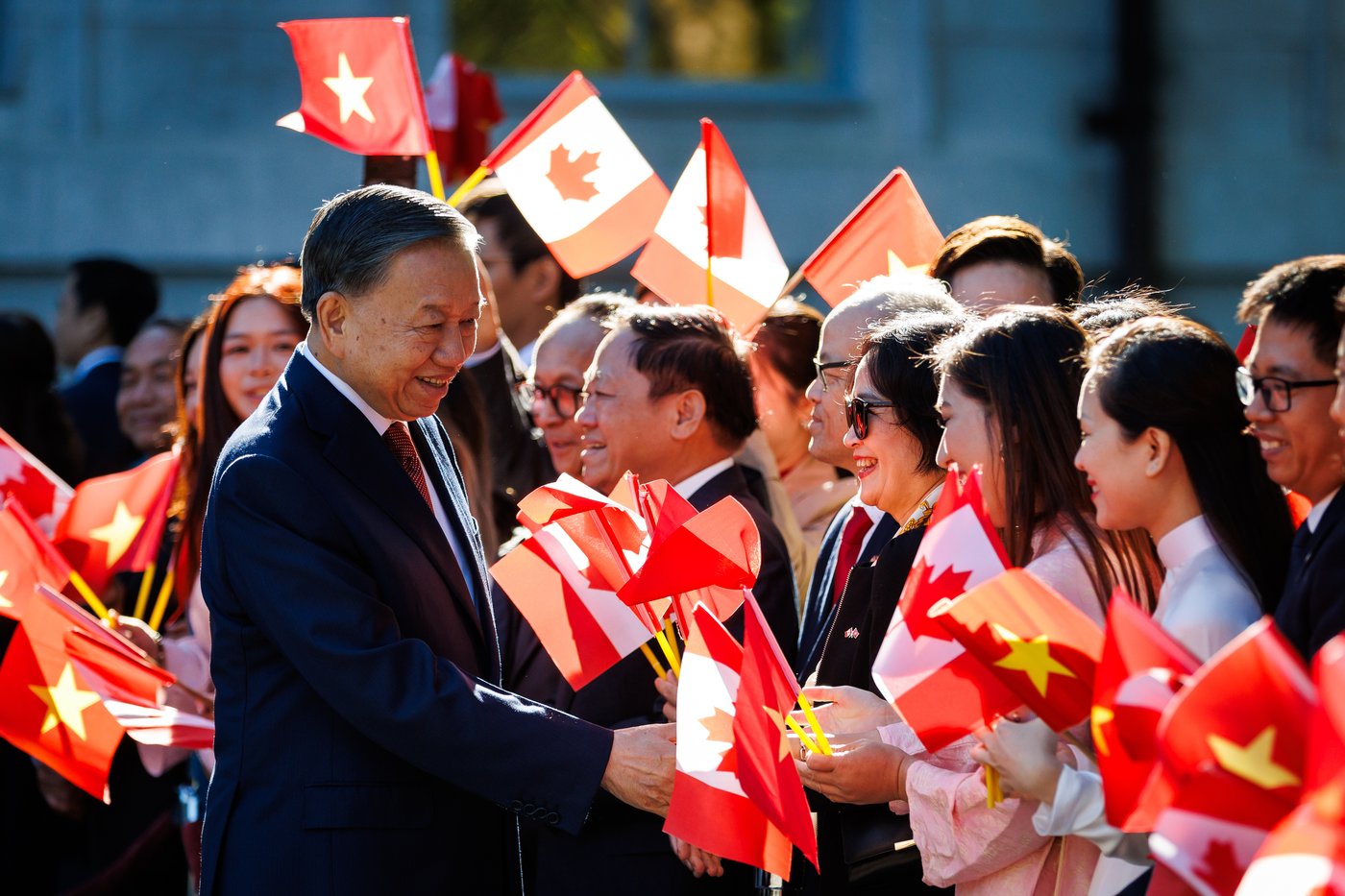
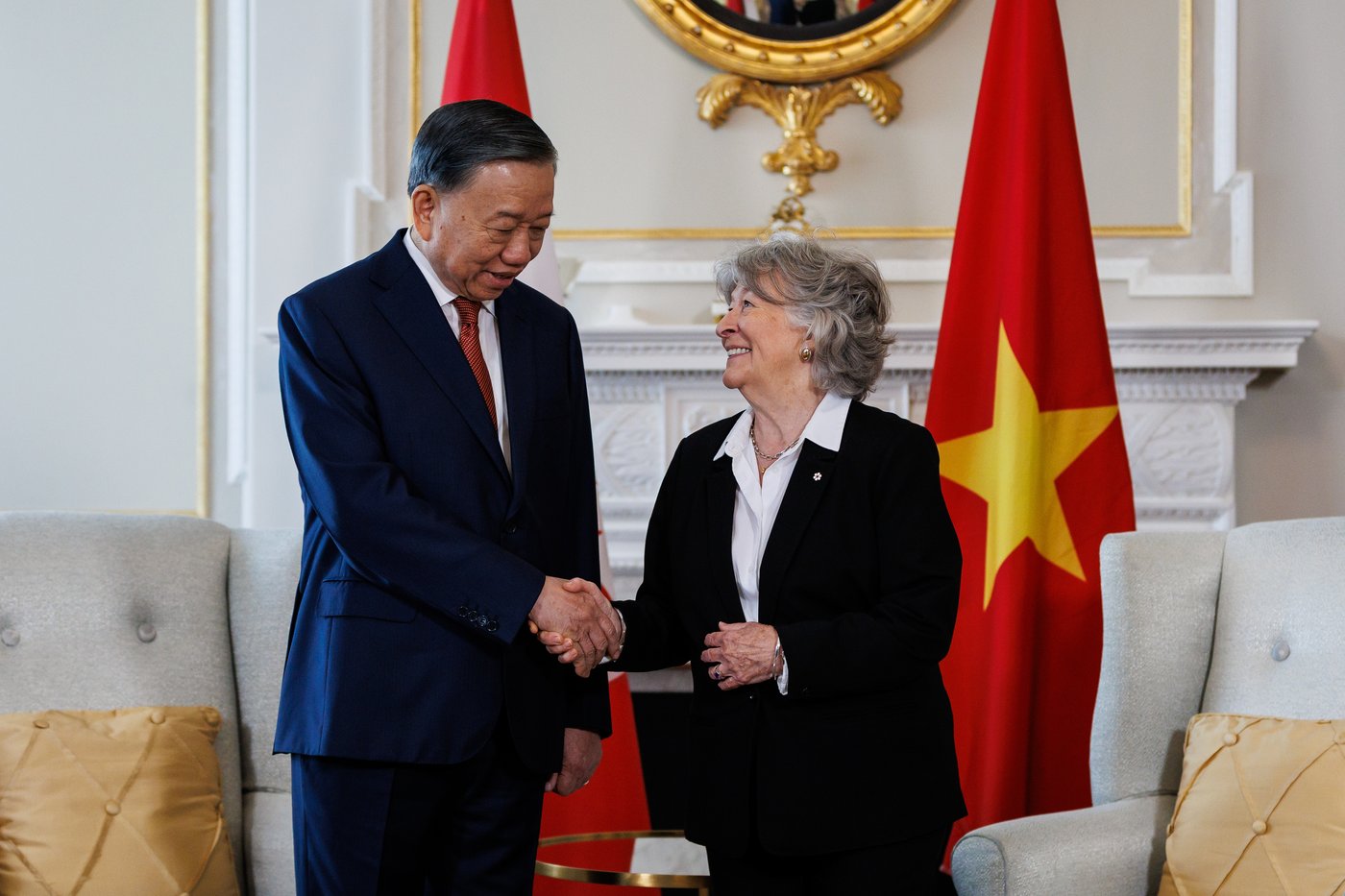
OTTAWA — Vietnamese President To Lam has upgraded ties with Canada to a strategic partnership, building on Prime Minister Mark Carney’s efforts to get middle powers working more closely together to confront American and Chinese coercion.
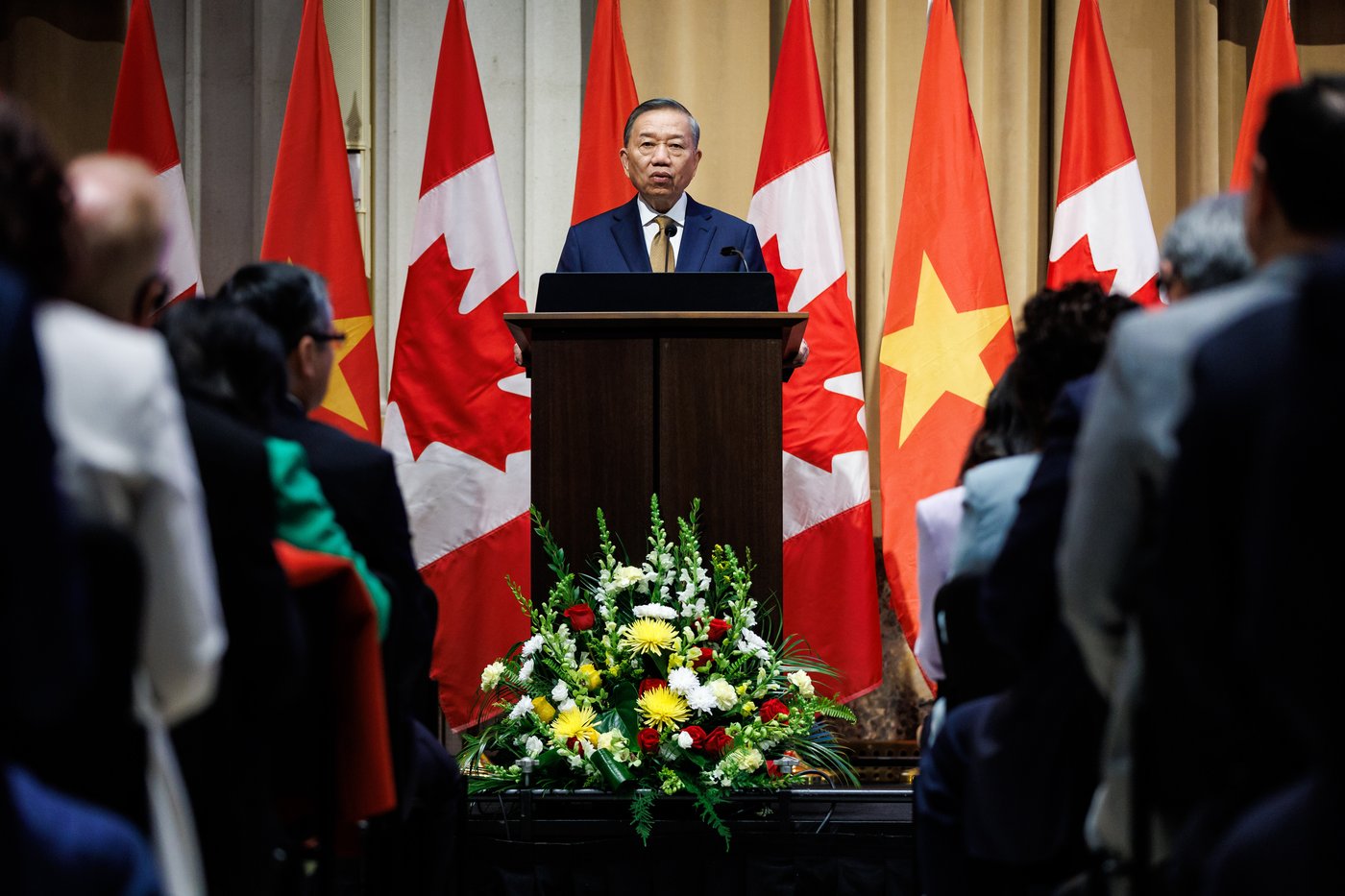
“In a volatile world, trust, responsibility and shared interests in and of themselves are strategic values,” Lam said Thursday through an interpreter in an address on Parliament Hill.
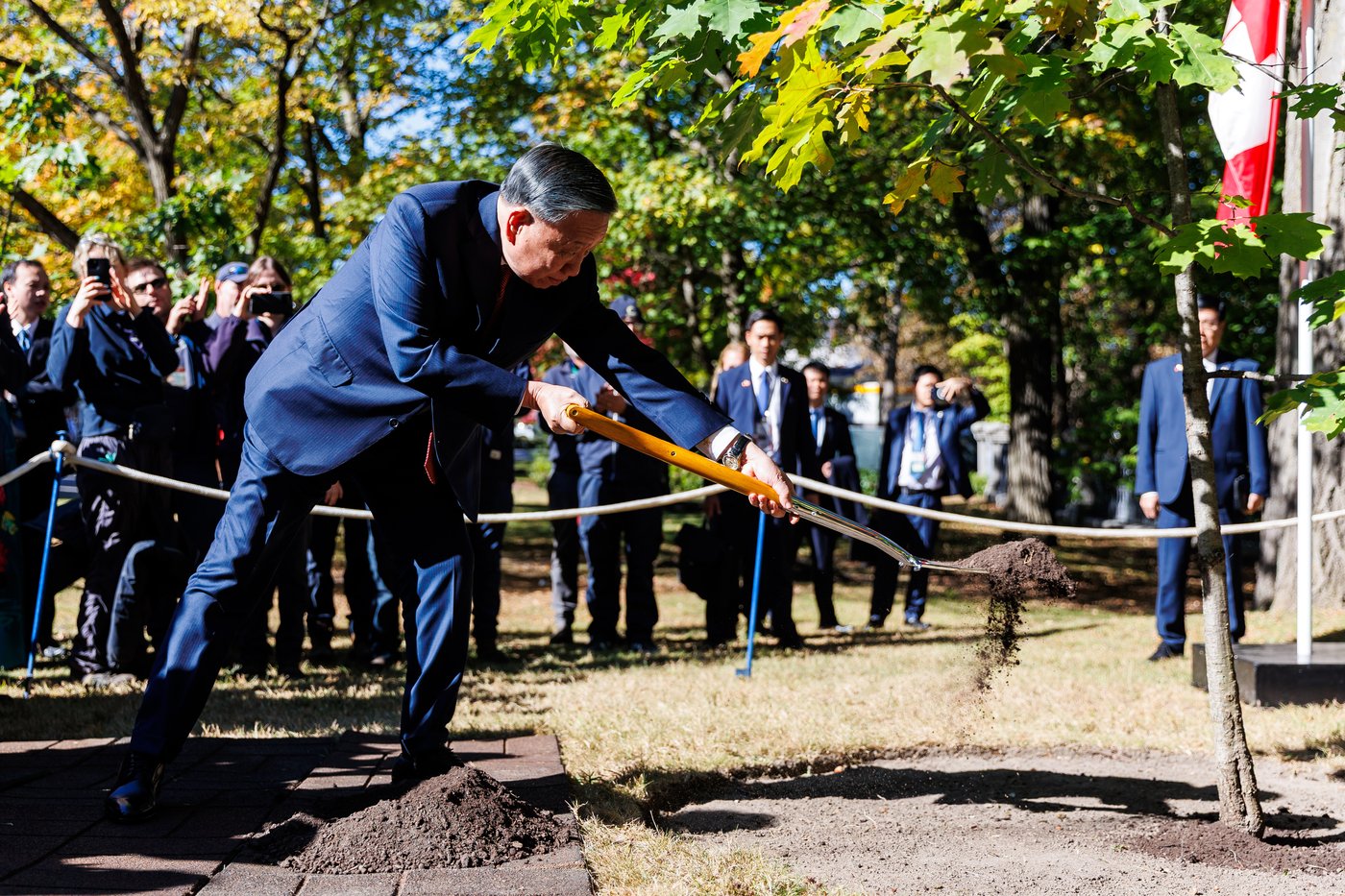
His one-day state visit involved numerous events, including a tree-planting at Rideau Hall and an address to parliamentarians and members of the diaspora.
Lam is the first Vietnamese president ever to visit Canada and he leads the country’s communist party, making him its most powerful person.
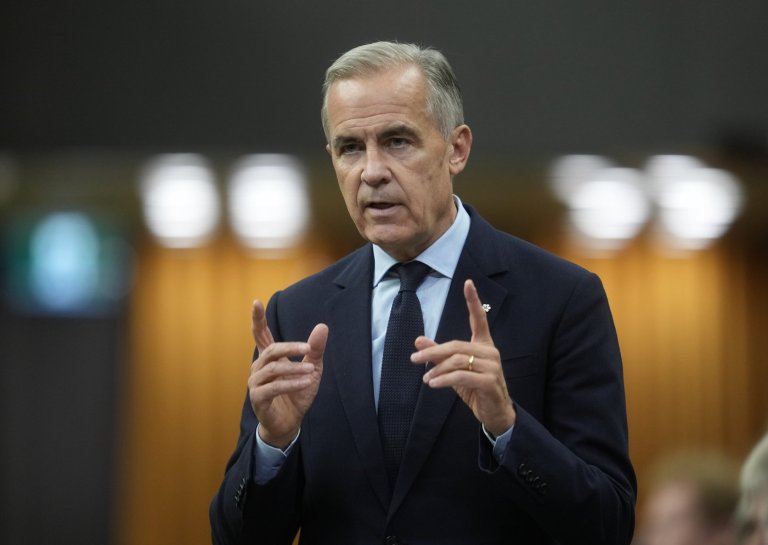
In a meeting in Carney’s West Block office, the prime minister commended Lam for his leadership of a middle power and said the relationship has evolved quickly since a 2017 pact that covered investment, defence and academia.
“There will be good news for those who want to travel directly from Canada to Vietnam and back,” Carney said, possibly suggesting direct commercial flights.
The new strategic partnership signifies deeper co-operation on longer-term goals, said Vina Nadjibulla, co-founder of the Centre for Strategic Statecraft, a geopolitics think tank.
“We’re in a moment where the relationship can go to a new level, and there’s definitely political desire on both sides.”
Nadjibulla said that while Vietnam is a communist country, it’s also trade-dependent — like Canada — and seeks to preserve the rules-based international order and pursue economic diversification.
“Even though its leadership is very different from Canada, its orientation right now is very much similar to what Canada is trying to do, which is build resilience, diversify partnerships and practise as much autonomy and agency (so as) not to be coerced by any one power,” she said.
Foreign Affairs Minister Anita Anand said the renewed partnership will involve energy, agriculture, defence co-operation and people-to-people ties. She said Canadian universities and investors can help Vietnam as it shifts from economic development toward an innovation economy.
“As the global economy changes, our response is not to turn inward. It is to build partnerships,” she said.
Lam said those partnerships should span Canadian technology, particularly in agriculture, clean energy and education.
“We need to maintain regular exchanges and contacts, especially at the high level at an early stage — and in a frank manner — on the shifts that may affect the interests of each side,” he said.
Lam called for “tangible action programs with clearcut priorities” that will help eliminate “bottlenecks.”
Global Affairs Canada’s online profile of Vietnam calls it Canada’s largest trading partner in Southeast Asia, with two-way merchandise trade amounting to more than $20 billion last year. Canada exports food, metals and fertilizers, while Vietnam exports electronics, clothing, furniture and shoes.
“Vietnam is an economic partner that plays an important role in advancing Canada’s trade diversification efforts in the region,” the department says.
Vietnam is also a member of the Association of Southeast Asian Nations, a bloc with which Canada is negotiating a free-trade agreement. Carney is hoping to sign that trade agreement on a planned November visit to the Philippines — which might include a stop in Vietnam.
Nadjibulla said Vietnam has a huge trade surplus with multiple countries, including Canada, in part because U.S. President Donald Trump used his first term to promote trade with Asian nations other than China. That led to a boom in Vietnamese electronics manufacturing.
“We import a lot from Vietnam and we sell very little, relatively speaking,” she said, arguing Canadian businesses have not seized opportunities in this country of 100 million people.
Vietnam is now facing hefty American tariffs and is working on a bilateral agreement with Washington while trying to diversify its trade beyond the U.S.
“This is where Canada and Vietnam are aligned. We’re both trying to diversify our supply chains (and) reduce overreliance on the U.S.,” Nadjibulla said.
Vietnam is also at the forefront of American efforts to weed out forced labour from supply chains, especially supply chains that could be linked to Uyghur slave labour in China’s Xinjiang region.
Canada’s former corporate ombudsperson raised similar concerns about running shoes produced in Vietnam, warning they might include cotton derived from slave labour.
Beijing calls the Trump administration’s claims about slave labour unfounded and says they’re aimed at undercutting China’s economic growth. Vietnam has said it takes Washington’s concerns seriously.
This year, Vietnam holds the rotating chairmanship of the Pacific Rim trade bloc known as CPTPP. The bloc brings together multiple countries, including Canada, Chile, Japan and Australia, which commit to rules-based commerce and basic workers’ rights.
The CPTPP bloc has taken on increasing importance as countries deal with acts of economic coercion — such as China limiting supply chains for critical minerals and Trump issuing tariffs on questionable grounds.
Lam has been supportive of Carney’s fledgling initiative to have the European Union work more with the CPTPP bloc so that middle powers can band together against coercive policies.
“It has made the relationship even more significant this year, because of that international agenda,” Nadjibulla said.
Canada has delivered aid to Vietnam over decades and did not take part in the U.S. war in the 1970s. Canadians resettled more than 60,000 Indochinese refugees through measures like private sponsorships.
Lam reflected on that history in his speech, saying his country cherishes independence while seeking peaceful relations with competing powers.
He called Canada a “vast, beautiful country that is brimming with vitality” — one that Vietnam remembers for its work on clearing landmines, establishing peacekeeping and protecting the ozone layer.
Nadjibulla said this visit fits a recent pattern of foreign leaders reaching out to Canada in response to Carney’s efforts to broaden trade and diplomatic ties.
There have been recent visits by leaders from the Philippines and Norway, and Carney has confirmed a December visit by Indian Prime Minister Narendra Modi.
“The fact that leader-level diplomacy is happening is a testament to Canada’s growing role as a middle power on the world’s stage,” Nadjibulla said.
This report by The Canadian Press was first published Sept. 24, 2026.
News from © The Canadian Press, . All rights reserved.
This material may not be published, broadcast, rewritten or redistributed.

This site is protected by reCAPTCHA and the Google Privacy Policy and Terms of Service apply.
Want to share your thoughts, add context, or connect with others in your community?
You must be logged in to post a comment.