Elevate your local knowledge
Sign up for the iNFOnews newsletter today!
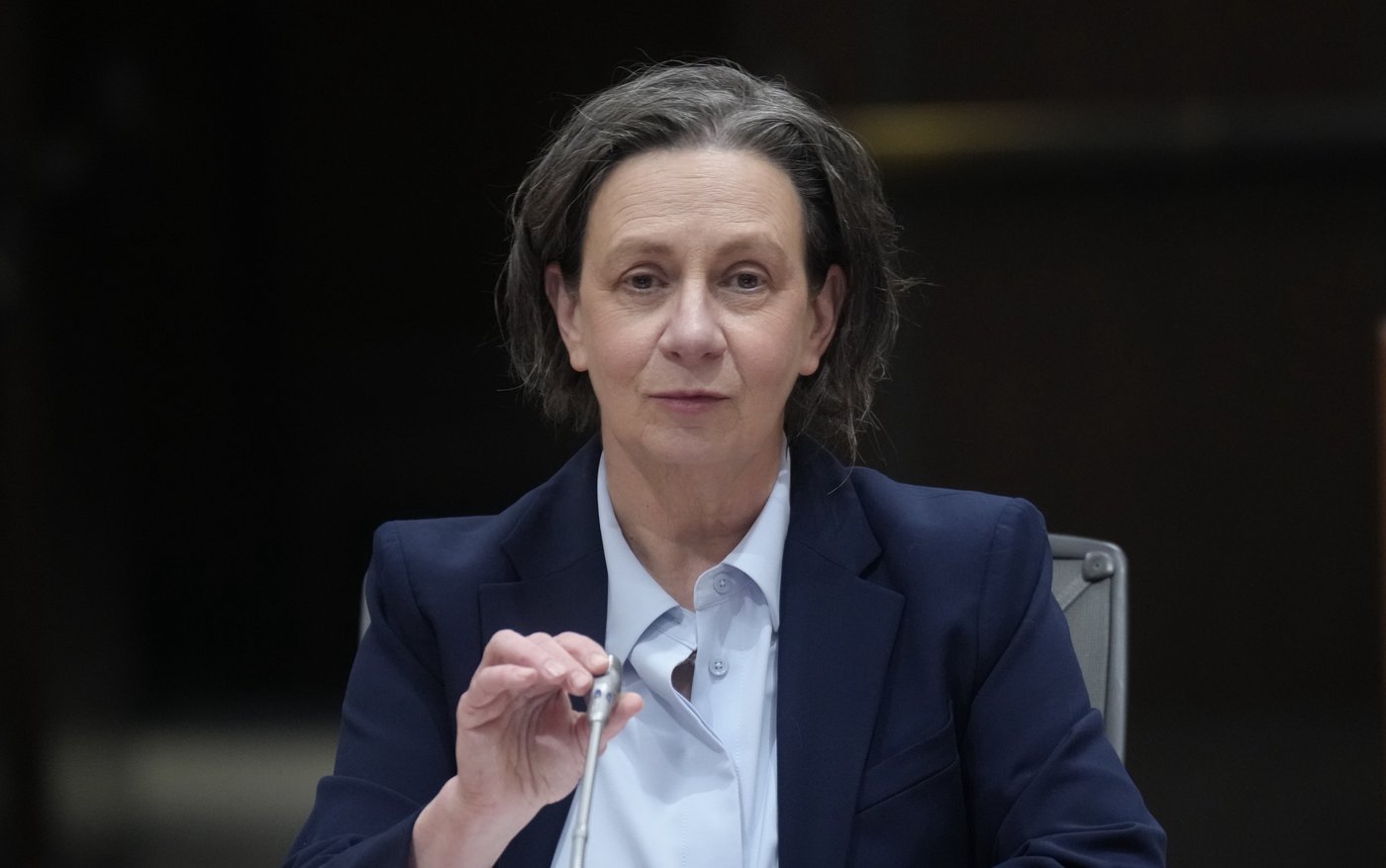
OTTAWA — Ottawa’s fiscal watchdog says the way the Liberal government defines certain types of spending in its new budget framework can be inconsistent and contradictory.
The Liberals under Prime Minister Mark Carney introduced a new budget framework that divides spending between day-to-day operating expenses and measures to stimulate capital investment.
A report released Thursday by the office of parliamentary budget officer Annette Ryan attempts to track Ottawa’s path to balancing the operating side of the budget — a key fiscal anchor set by the Carney government.
The budget office says the government is improving fiscal transparency in some ways by offering explanations of how certain tax incentives, loan guarantees and other measures — the kind that normally would fall outside traditional accounting definitions of capital spending — are helping to meet its fiscal anchor.
But the PBO also argues the way Ottawa defines its operating and capital categories isn’t as stringent as the definition used in other jurisdictions that use a similar framework, such as the United Kingdom and Singapore.
For example, two programs under Agriculture and Agri-Food Canada appear contradictory in their accounting. The Agricultural Clean Technology and Agricultural Climate Solutions programs both encourage farms to invest in technology to reduce greenhouse gas emissions — but only the former program is considered capital spending under the framework.
The PBO says it found a broad pattern of spending programs like these that could arguably be classified as either operating or capital. The lack of “consistent, published rationale” on how to classify spending makes it hard to judge how future spending decisions will be sorted, the office says.
“Classification-based fiscal rules like the operating budget fiscal anchor do not limit overall government borrowing, and there is a risk that the classification definition can be arbitrary or change over time,” the report says.
Carney said last week the federal government is on track to balance its operating budget in fiscal 2027-28 — a year earlier than first promised.
The PBO projections anticipate Ottawa will instead hit that marker a year late, in fiscal 2029-30. Those estimates are based on federal figures as of the spring economic update in April, and do not include spending announcements or revenue changes over the summer.
John Fragos, spokesperson for Finance Minister François-Philippe Champagne, said Thursday the government is sticking by its pledge to balance the operating budget a year early.
“A persistent commitment to fiscal prudence, discipline, and spending efficiency — underpinned by the government’s $60 billion in savings — has moved up balancing the operating budget agenda by a whole year despite today’s report purporting otherwise,” he said in a statement.
He said a focus on reducing operating expenditures is a “stricter guardrail” for federal finances than ratios like debt-to-GDP. The federal government’s other fiscal anchor is maintaining a declining deficit-to-GDP ratio.
The PBO notes that in its projection stating the government will miss balancing the operating budget in 2028-29, the deficit posted in that fiscal year is relatively small.
But that only shows how the Liberals’ subjective definitions of capital and operating spending can influence the government’s ability to meet its fiscal targets, the PBO argues.
“Classifying even a modest amount of spending as capital rather than operating, without any actual change in fiscal policy, may have been relevant to balance the initial operating budget fiscal track,” the report says.
This report by The Canadian Press was first published Sept. 24, 2026.
News from © The Canadian Press, . All rights reserved.
This material may not be published, broadcast, rewritten or redistributed.

This site is protected by reCAPTCHA and the Google Privacy Policy and Terms of Service apply.
Want to share your thoughts, add context, or connect with others in your community?
You must be logged in to post a comment.